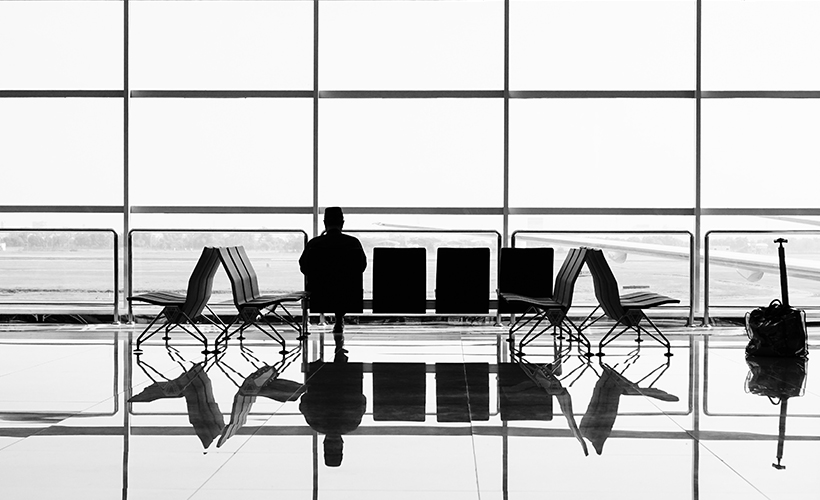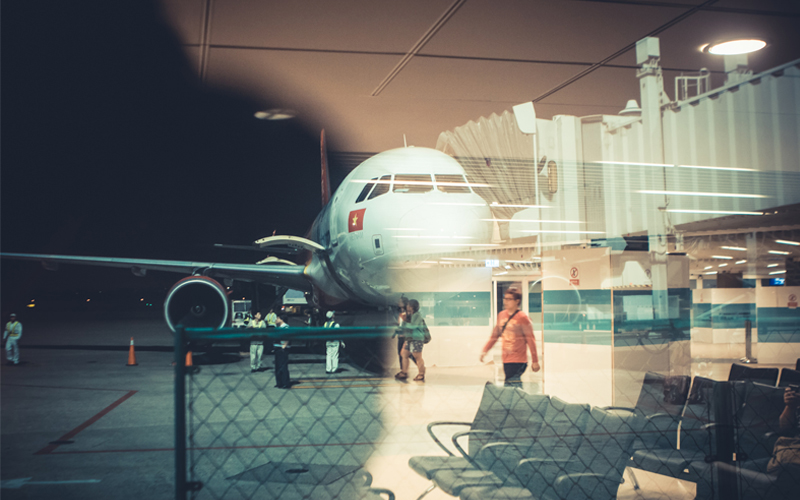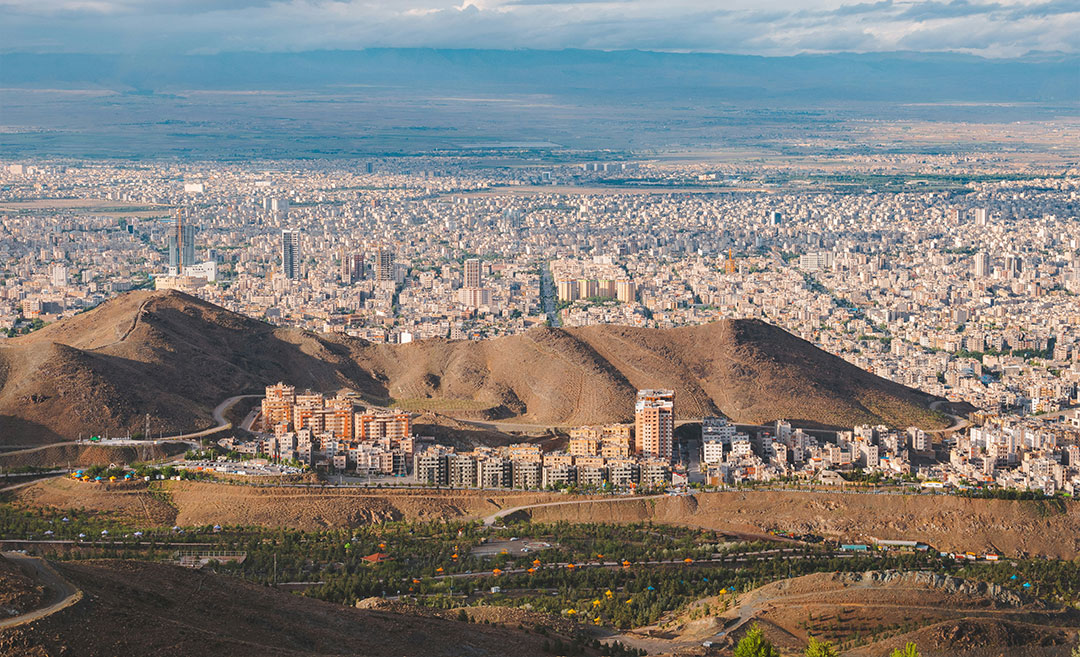
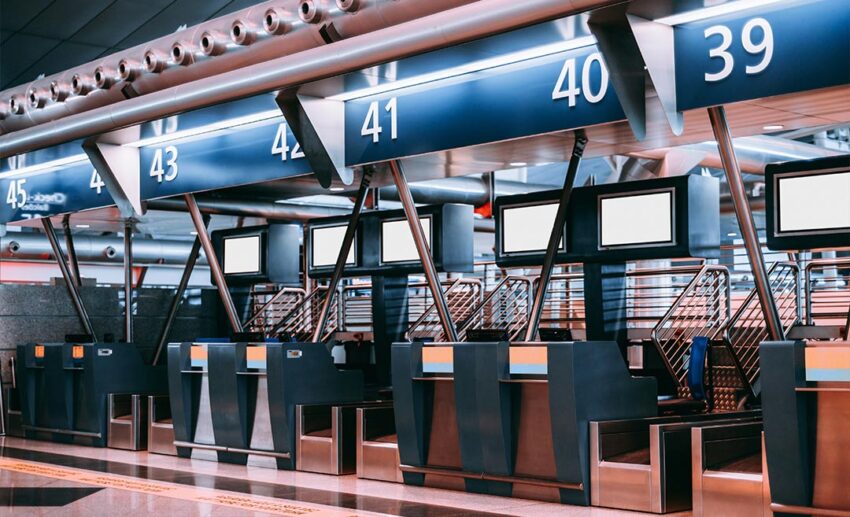
As regional tensions rise, major aviation gateways across the Middle East, including those in Iran, are seeing significant shifts in airspace accessibility and safety protocols. (Image by Mohammad Alizade)
TRAVEL UPDATE (6 March 2026): Wisma Putra has issued an urgent notice of evacuation and a high-level travel advisory following the heightened escalation of conflict in the Middle East.
Defer All Travel: Malaysians are strongly advised to defer travel to affected countries, including Iran, Iraq, Jordan, Kuwait, Qatar, Bahrain, and the UAE. This directive also applies to those planning to perform Umrah or Ziarah.
Evacuation in Progress: The Ministry is currently coordinating with regional governments and airlines to evacuate stranded Malaysians. Evacuation efforts will be prioritised using the official database of registered citizens.
Mandatory Registration: If you are currently in the region, you must immediately register or update your details via e-Konsular or contact the nearest Malaysian Diplomatic Mission (contact details are available at the end of this article). This is critical for evacuation coordination.
Safety Protocol: Malaysians in conflict areas are urged to exercise extreme vigilance, avoid all military sites and public gatherings, and strictly follow the instructions of local authorities.
For emergency assistance, please contact the Wisma Putra Operations Room at +60388874570 or email [email protected].
Rising tensions in the Middle East are triggering widespread travel disruption, leaving thousands of passengers stranded and forcing airlines to reroute or suspend services. With expanding airspace closures and updated government travel advisories, travellers across Asia, Europe, and the Gulf are facing delays, cancellations and uncertainty.
This evolving Middle East security situation is affecting both regional routes and long-haul international flights, particularly those transiting through major Gulf hubs. Here’s what you need to know.
What’s Happening Now
Countries experiencing elevated tensions include Iran, Iraq, Israel, Jordan, Kuwait, Qatar, Bahrain, and the United Arab Emirates. Major aviation gateways such as Dubai International Airport and Hamad International Airport have experienced flight disruptions ranging from delays to temporary suspensions.
Aircraft are avoiding Iranian and Iraqi airspace, forcing carriers to reroute through longer corridors. These adjustments are not limited to regional travel. Long-haul routes linking Asia and Europe, many of which transit through the Gulf, are experiencing knock-on delays.
Official Travel Advisories Issued
Several governments have updated their official travel advisories, urging citizens to avoid non-essential travel to affected areas.
Malaysia’s Ministry of Foreign Affairs has advised Malaysians in parts of the Middle East to remain vigilant and register with diplomatic missions. European and other Asian governments have issued similar warnings, citing the evolving security situation and potential escalation.
While there are no widespread land border closures at this stage, airspace restrictions remain fluid and subject to change at short notice.
Major Airlines Cancel and Reroute Flights
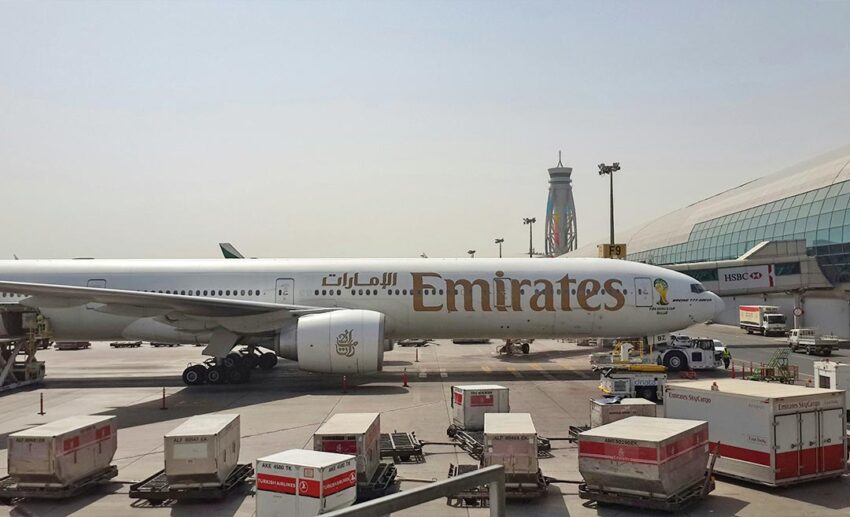
Airlines across the Middle East, Europe, and Asia have adjusted operations.
Gulf carriers such as Emirates, Qatar Airways, and Etihad Airways have cancelled or suspended selected services and rerouted flights to avoid affected airspace.
European airlines, including Lufthansa, British Airways, and Air France, are also avoiding conflict zones, leading to longer flight times and temporary route suspensions.
Asian carriers such as Singapore Airlines, Malaysia Airlines, Batik Air, and Air India have reported cancellations and diversions, particularly on routes that rely on Gulf transit hubs.
Some aircraft have reportedly turned back mid-flight when airspace conditions shifted unexpectedly.
Embassy Closures and Limited Consular Services
Embassy operations are also under strain. Certain diplomatic missions are operating with reduced staff or have suspended in-person services due to security concerns.
Malaysia’s embassies in capitals like Tehran and Abu Dhabi have reportedly limited operations. Reduced consular access may delay assistance for travellers requiring emergency passport replacements, visa support, or evacuation coordination.
High volumes of inquiries are likely to slow response times.
What To Do If You’re Stranded Overseas
Travellers stranded in the region should contact their airlines directly for rebooking or refund options, as many carriers are offering flexible arrangements. Travel insurance policies should be reviewed carefully to determine coverage for trip interruption or extended accommodation.
Registering with your embassy remains essential, particularly if evacuation advisories are issued.
Travellers should avoid high-risk areas, keep both digital and physical copies of important documents, and prepare for possible extended stays if departures are delayed.
Advice for Transit Passengers
Transit passengers should exercise caution. Those connecting through Gulf hubs must confirm the status of their onward flight before departure and allow additional buffer time between flights.
The disruption is affecting global transit flows, especially between Southeast Asia and Europe. Even travellers not destined for the Middle East may experience delays if their flights typically pass through regional airspace.
Departing Within the Next 48–72 Hours

For those scheduled to depart within the next 48 to 72 hours, flexibility is crucial. Reconfirm flight status before heading to the airport, monitor official government advisories, and consider postponing non-essential travel.
Conditions in both airspace and on the ground may shift rapidly, sometimes within hours.
Guidance for Malaysians in the Region
Malaysians currently in the region are urged to stay in contact with Wisma Putra and the nearest Malaysian mission, remain alert to local security updates, and avoid areas near government or military facilities.
Pilgrimage travellers heading for Umrah, business travellers attending regional meetings, and cruise passengers scheduled to dock in Gulf ports should check directly with operators, as itineraries may be revised at short notice.
Is It Safe To Travel Right Now?
There is no single answer. Official advisories from multiple governments urge caution and, in some cases, advise against non-essential travel to affected countries. The situation remains fluid and subject to escalation.
In moments of geopolitical uncertainty, preparation and verified information are essential. Travellers should rely on government guidance, airline notifications, and real-time airport updates before making decisions.
Emergency Contacts for Malaysians in the Middle East
Ministry of Foreign Affairs Malaysia (Wisma Putra)
+60388874000
[email protected]
Register with the consulate here.
Embassy of Malaysia in Tehran, Iran
+982188072444 / +982188078606
Emergency: +989335352602
[email protected]
Embassy of Malaysia in Baghdad, Iraq
Emergency: +964 787 859 8775
[email protected]
Embassy of Malaysia in Amman, Jordan
+96265902400
Emergency: +962785902400
[email protected]
Embassy of Malaysia in Kuwait City, Kuwait
+96522550394 / +96522550395
Emergency: +96596783036
[email protected]
Embassy of Malaysia in Doha, Qatar
+97444836463
Emergency: +97444836493
[email protected]
Embassy of Malaysia in Manama, Bahrain
+97317564551
Emergency: +97338990749
[email protected]
Embassy of Malaysia in Abu Dhabi, UAE
+97124482775 / +97124482776
[email protected]
Consulate General of Malaysia, Dubai, UAE
+97143985847
Emergency: +971507379196
[email protected]