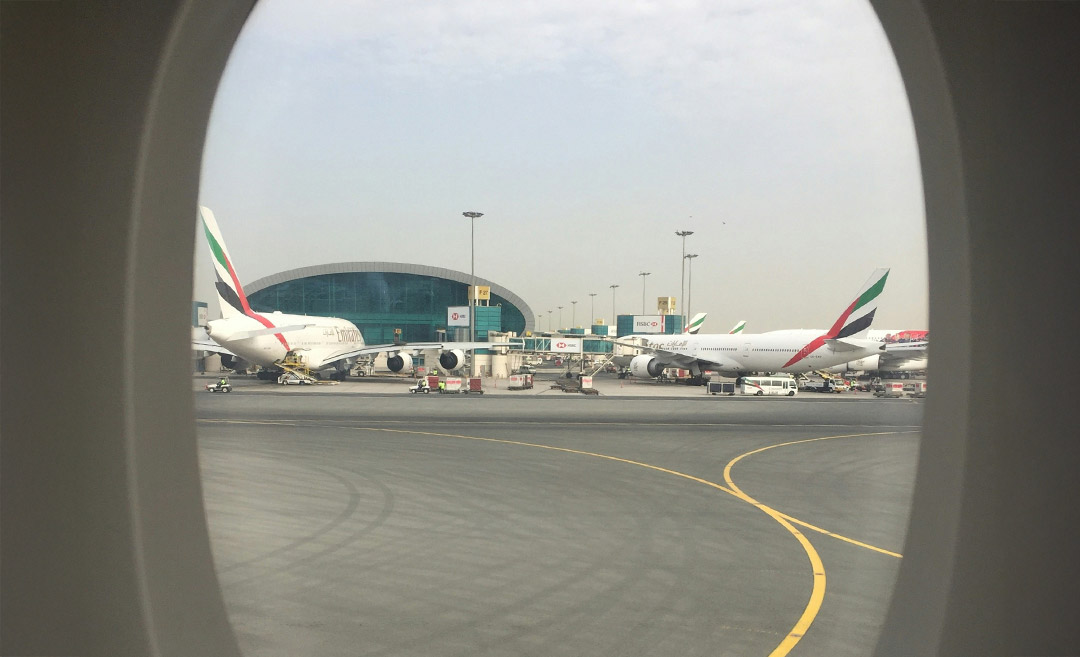
Heightened Iran-Israel tensions have triggered widespread flight disruptions across key air routes. Here’s what you need to know (Image by Milind Shah).
Tensions between Iran and Israel have escalated dramatically, especially with U.S. strikes on Iranian sites in mid‑June and Iran’s missile attacks on U.S. bases (e.g. Qatar’s Al‑Udeid). This has prompted multiple countries—including Qatar, UAE, Kuwait, Bahrain, Iran, Iraq, Jordan, and Israel—to ground their airspace. Major hubs like Doha and Dubai saw hundreds of flights cancelled, rerouted, or delayed, stranding thousands globally.
Will your travel plans to Europe or the U.S. be affected?
If your itinerary includes stopovers in the Middle East, especially in cities like Doha or Dubai, it may be worth reconsidering or rescheduling your trip. Delays and disruptions are currently unpredictable, and rebooking options could be limited during peak travel periods. However, if you’re flying directly to Europe or the U.S. without transiting through affected regions, your trip is unlikely to be impacted. To stay on the safe side, purchase flexible tickets or travel insurance, and track any flight changes closely via your airline’s official app or website.
Have Malaysian carriers issued any alerts?
Among Malaysian carriers, Batik Air has reported the most notable impact. Its Kuala Lumpur–Dubai flight (OD713) had to return mid-journey and was subsequently cancelled. Affected passengers were provided with meals, hotel accommodations, and either a full refund or rebooking options. Services to Dubai are expected to resume soon, depending on airspace clearance.
Malaysia Airlines and AirAsia, meanwhile, have not issued any specific advisories related to this conflict as of 24 June. Both carriers continue to closely monitor the situation, particularly any developments that could impact their flight paths. In parallel, the Malaysian Ministry of Foreign Affairs (Wisma Putra) has advised Malaysians to postpone non-essential travel to countries like Iran, Iraq, and Jordan due to the volatile airspace situation.
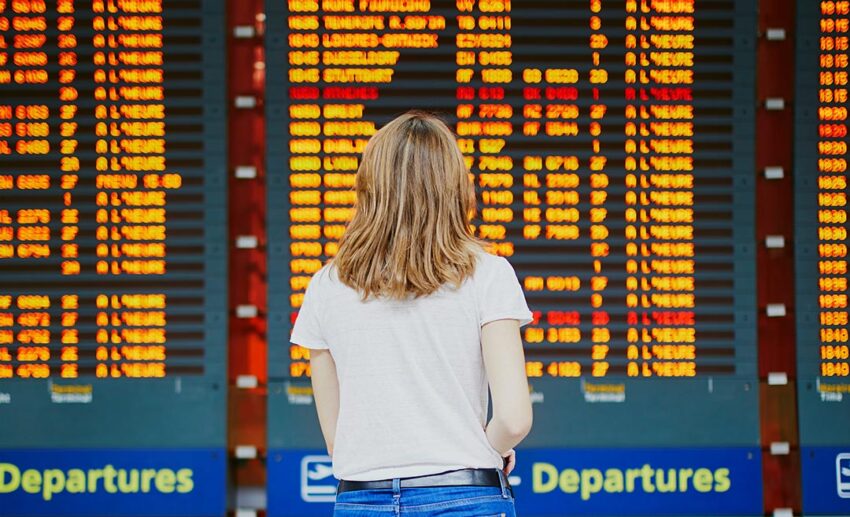
Airlines that have announced flight suspensions or rerouting
A wide range of international carriers have taken proactive steps to ensure passenger safety. Qatar Airways, Emirates, Etihad, and Gulf Air were among the first to cancel or reroute flights due to the closure of Middle East airspace. Air India has temporarily halted flights over Iran and to select European and U.S. cities, while British Airways and Singapore Airlines have suspended services to Dubai, Doha, and Riyadh. Air France–KLM and Lufthansa have paused flights to cities like Beirut, Tel Aviv, and Tehran.
American Airlines, United Airlines, and Air Canada have also issued flight suspensions or route changes, particularly for flights that usually pass through the Gulf region. Even Finnair has joined the list by pausing its Doha flights until the end of June. Additionally, regional carriers like Flydubai, Air Arabia, SalamAir, and Israel’s El Al have halted operations to and from Israel, Iran, Syria, and Iraq.
What happens if your flight is delayed, cancelled, or rerouted?
For flights that are outright cancelled, you’re generally entitled to a refund, rebooking on the next available flight, or travel credits—though the options depend on your airline’s specific policy. If you’re rerouted, the airline will usually update you with revised travel times and may assist with any necessary ground transfers. However, note that compensation might not be applicable for delays due to airspace closures caused by conflict, as these fall under “extraordinary circumstances.”