These 10 newly crowned heritage sites in Asia aren’t just beautiful—they tell stories of ancient empires, sacred journeys, and cultures that continue to endure.
If you’re the kind of traveller who seeks meaning in every step and a story behind every stone, this list is for you. UNESCO recently unveiled 26 new World Heritage Sites for 2025, and Asia proudly claims several of them, each one a testament to the region’s deep cultural roots and historical resilience.
From royal strongholds forgotten by time to sacred pilgrimage routes and underwater sanctuaries, these newly crowned sites go far beyond the typical tourist trail. They invite you to journey into ancient civilisations, explore age-old traditions, and discover landscapes that have shaped the identities of entire communities.
Cambodia
Cambodian Memorial Sites
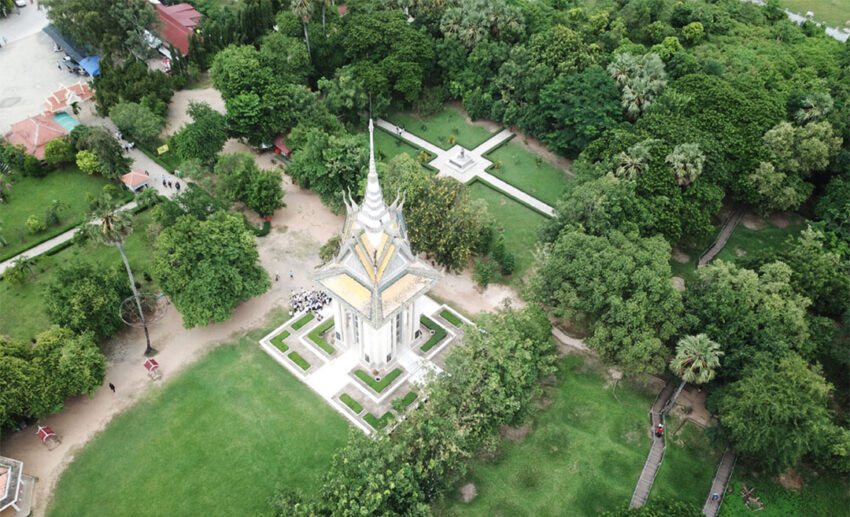
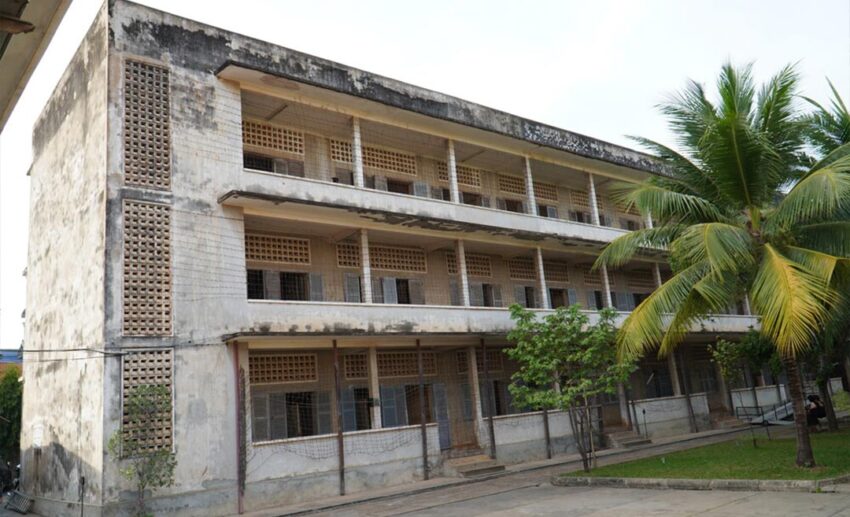
Consisting of three locations, these memorial sites transform places of unimaginable suffering into spaces for remembrance and reflection. Once used as detention, interrogation, and execution centres during the Khmer Rouge regime, they now serve as powerful markers of resilience and peace.
Tajikistan
Cultural Heritage Sites of Ancient Khuttal
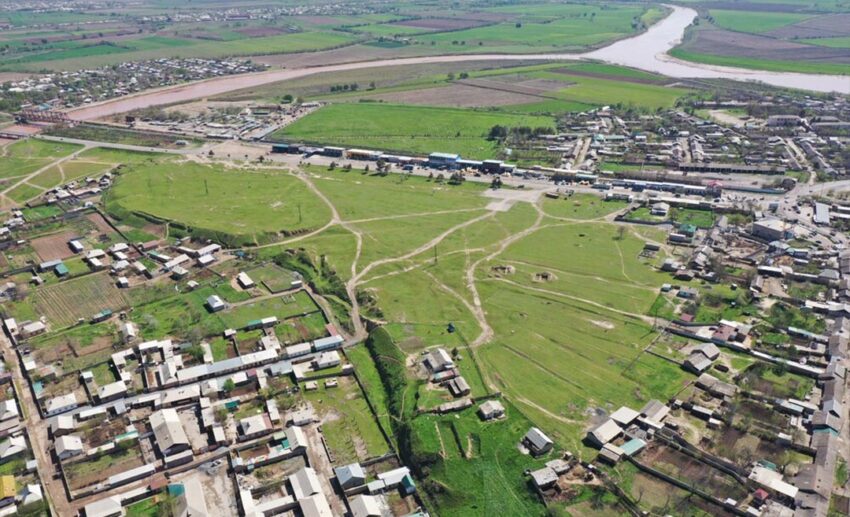
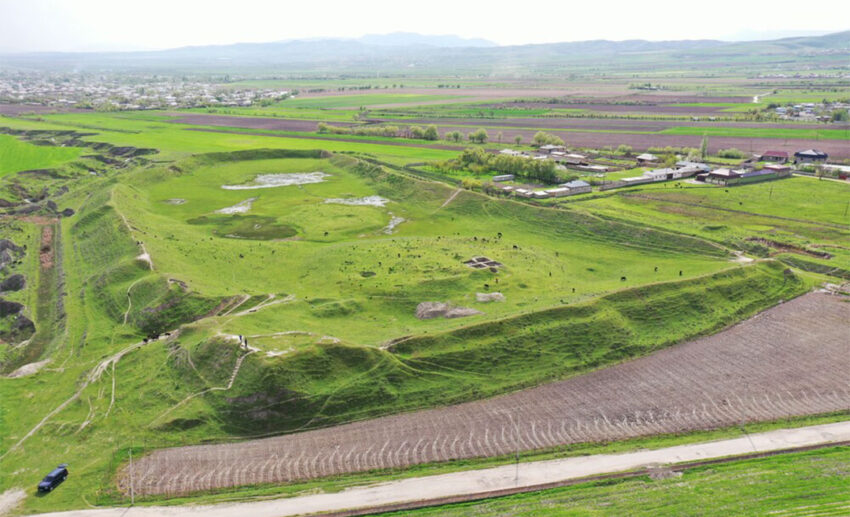
Located in the lush Vakhsh Valley, the ancient region of Khuttal was a cultural and political powerhouse for centuries, blending Persian, Greco-Bactrian, Islamic, and Central Asian traditions. Think fortified citadels, ancient irrigation systems, and a deep, layered history.
United Arab Emirates
Faya Palaeolandscape
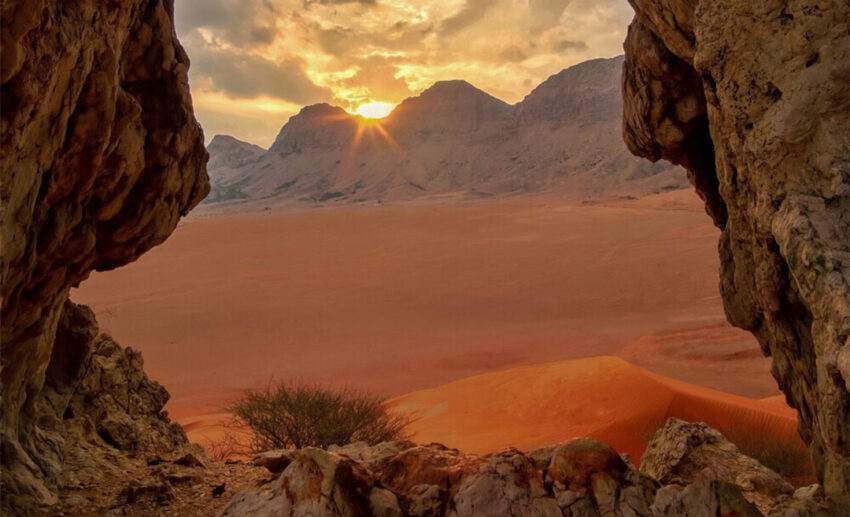
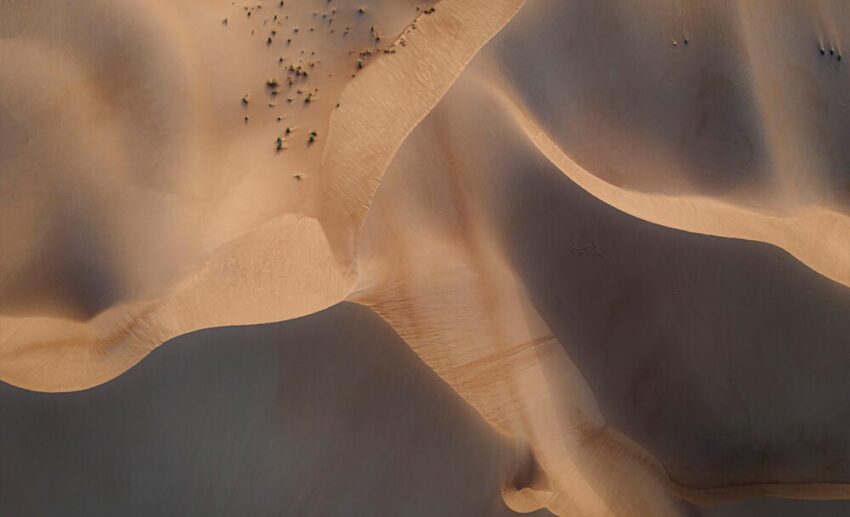
Underneath the dunes of Al Dhafra in the UAE lies a sprawling palaeolandscape that tells the story of some of the oldest known human migrations out of Africa. Fossils, stone tools, and sediment records reveal how early humans adapted to harsh climates long before cities rose from the sand.
Malaysia
Forest Research Institute Malaysia, Forest Park
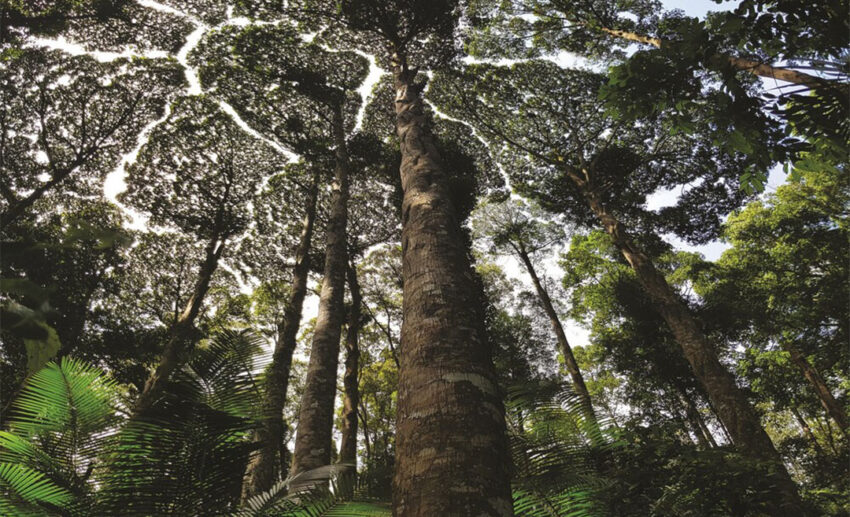
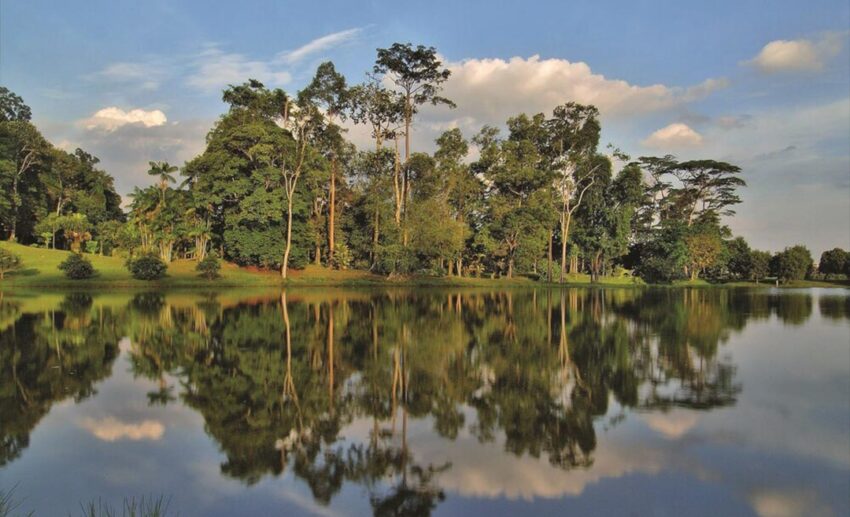
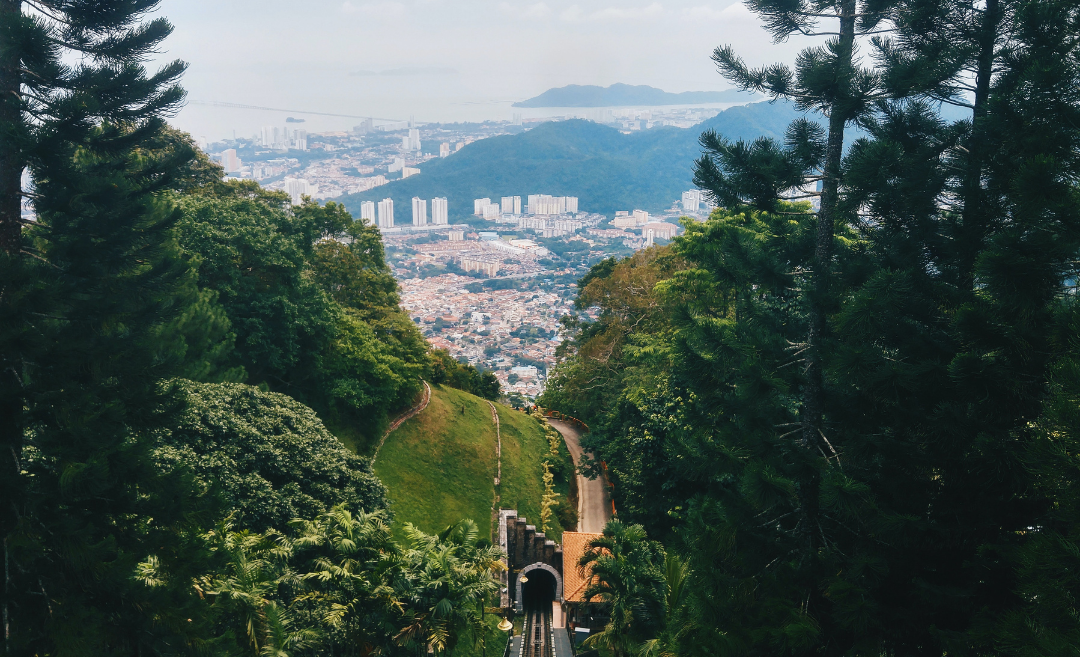
This living laboratory combines tropical biodiversity with the architecture of early 20th-century colonial research. The institute pioneered sustainable forestry in Southeast Asia and is now a vital conservation zone within a rapidly urbanising landscape.
India
Maratha Military Landscapes
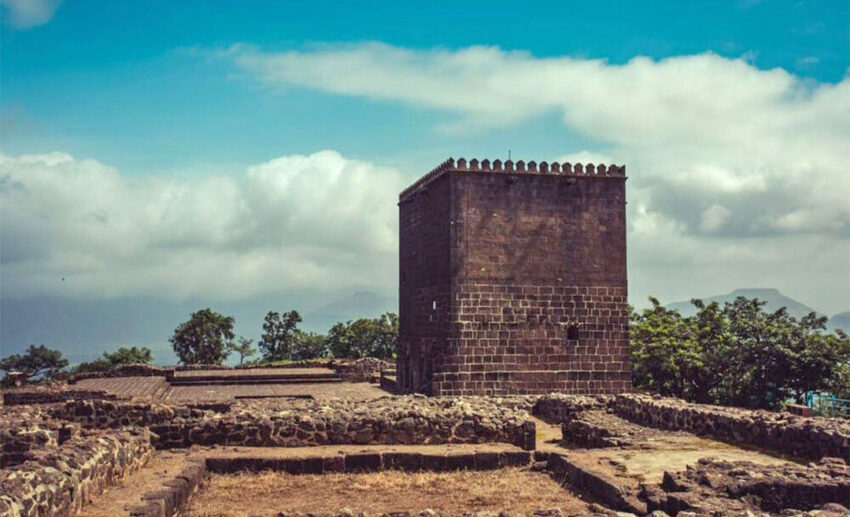
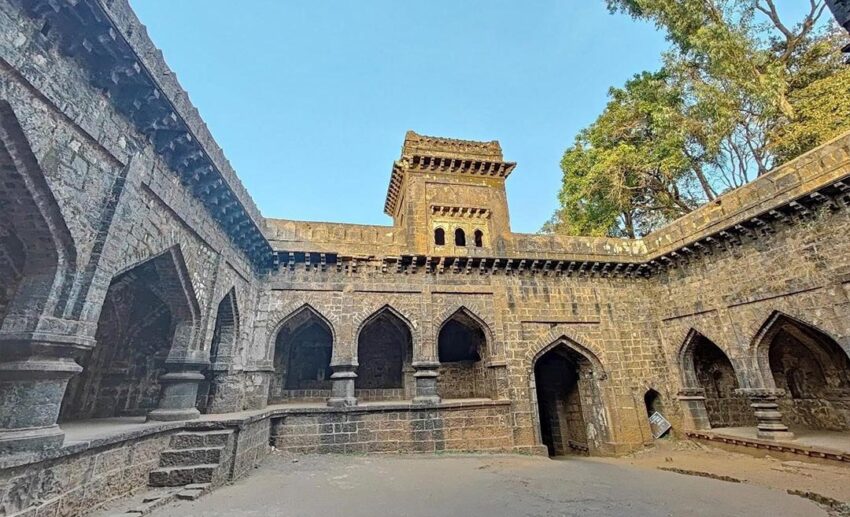
These twelve fortifications span India’s western landscapes, chronicling the Maratha Empire’s military innovations and tactical genius. Perched on hilltops and cliffs, the forts are strategic, rugged, and architecturally brilliant.
South Korea
Mount Kumgang
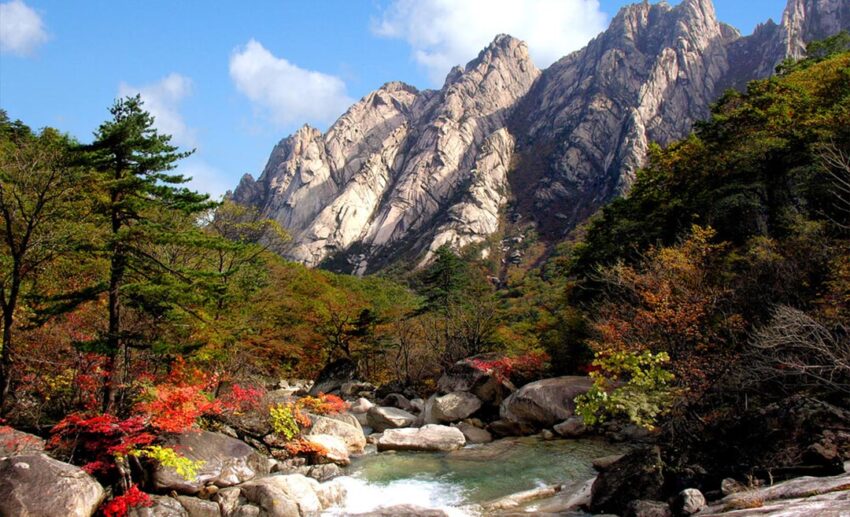
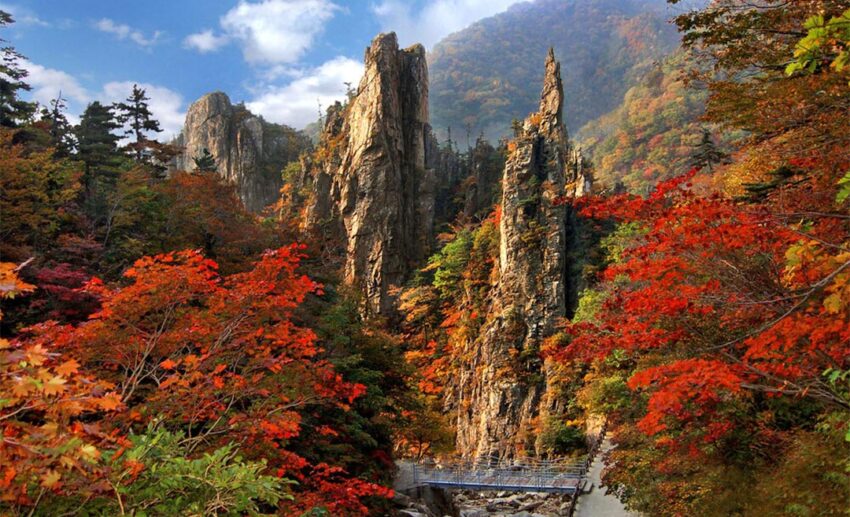
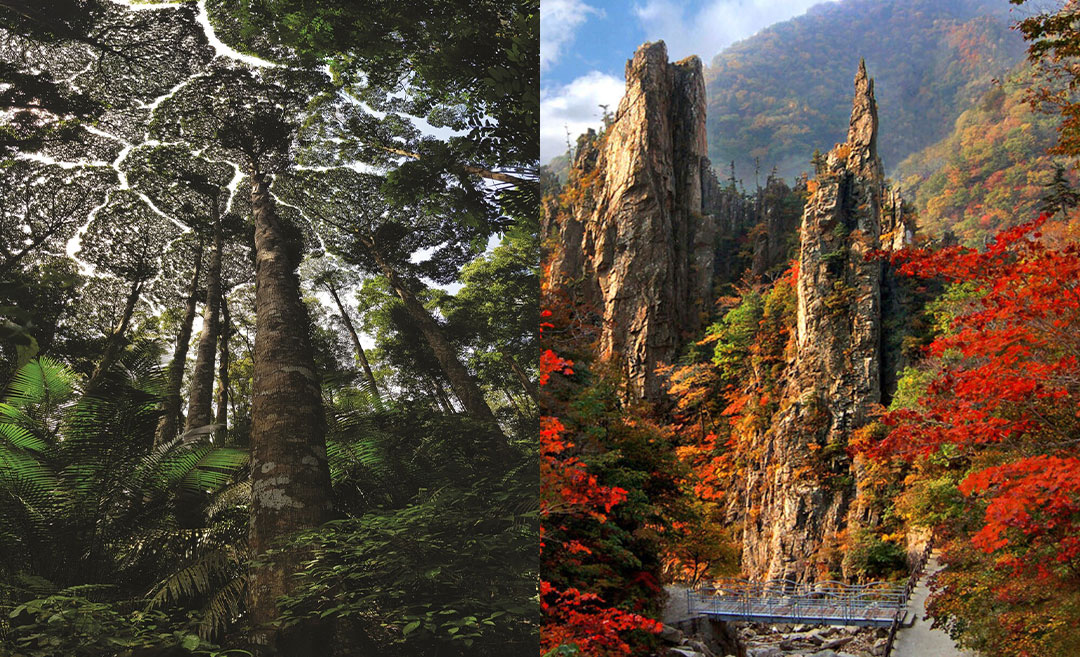
Known locally as Kŭmgangsan, this awe-inspiring mountain range has long been celebrated in Korean art and poetry. The new designation recognises both its stunning granite formations and the deep Buddhist heritage rooted in its temples.
South Korea
Petroglyphs along the Bangucheon Stream
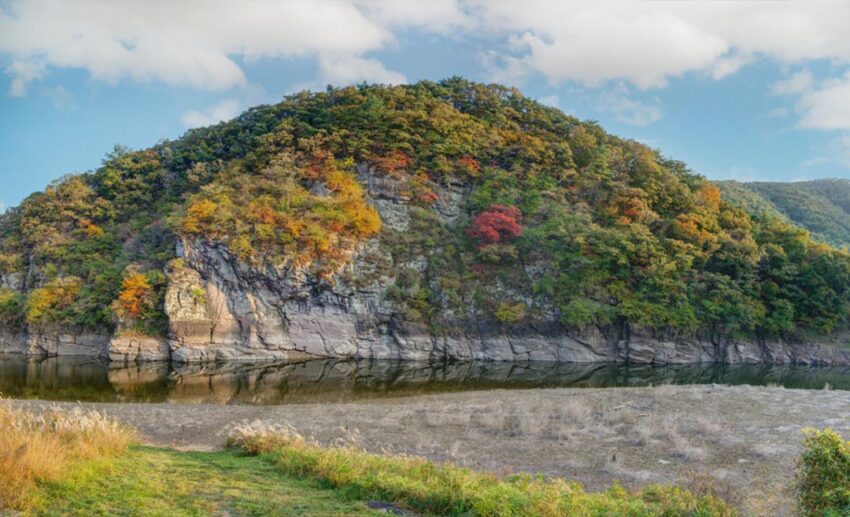
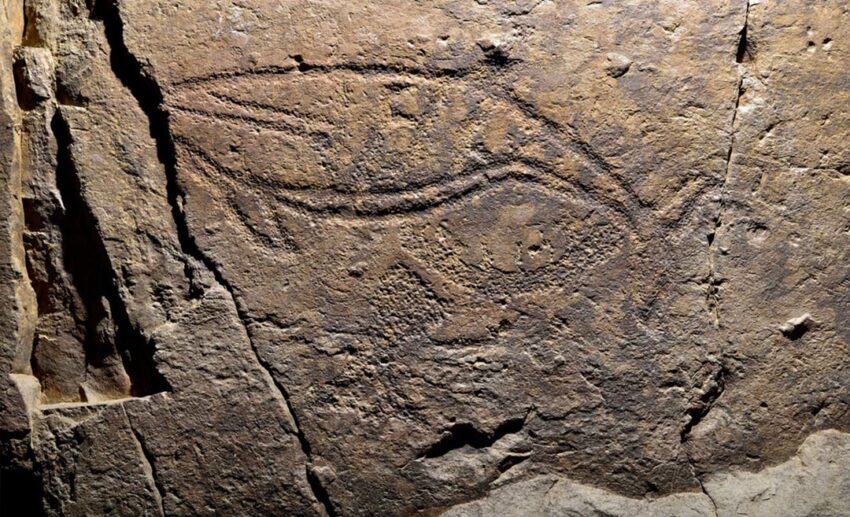
Along a peaceful stream in Ulsan, prehistoric carvings show scenes of ritual hunts, animals, and daily life. Dating back to the Bronze Age, these petroglyphs give a vivid peek into the spiritual and social fabric of early Korean life.
Iran
Prehistoric Sites of the Khorramabad Valley
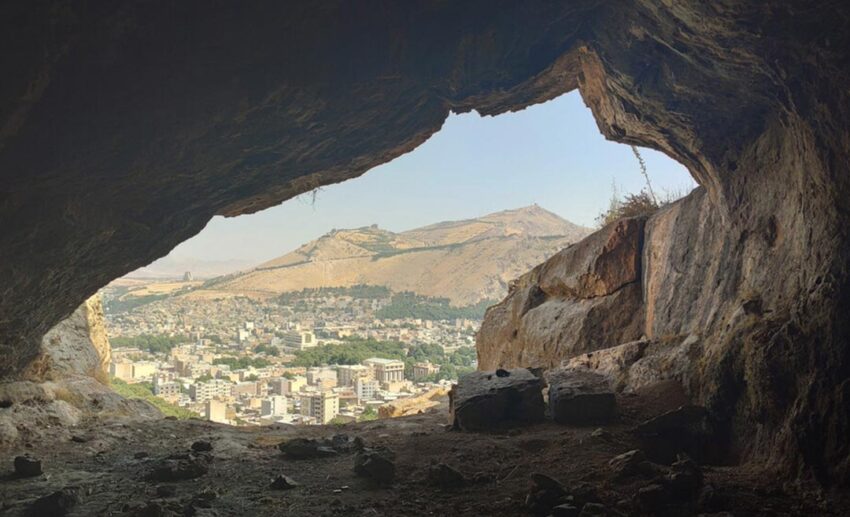
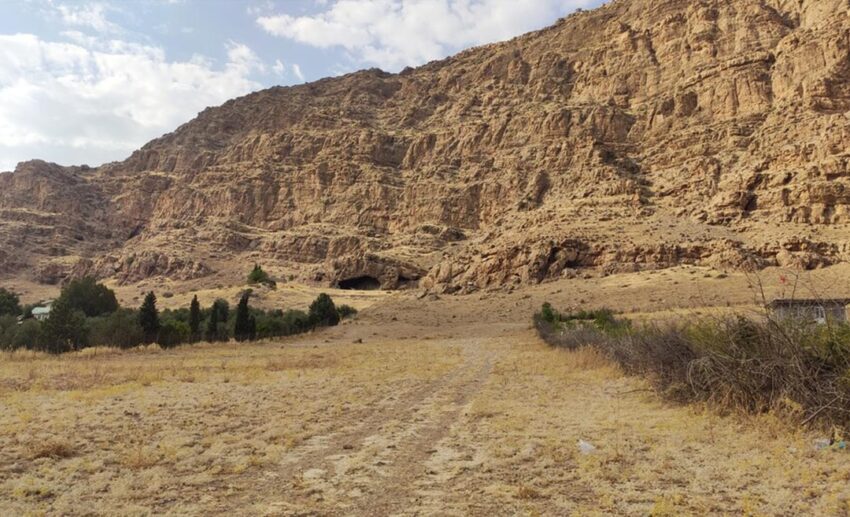
Caves and shelters in Iran’s Khorramabad Valley reveal continuous human occupation stretching back tens of thousands of years. These sites are key to understanding early settlement patterns on the Iranian plateau.
China
Xixia Imperial Tombs
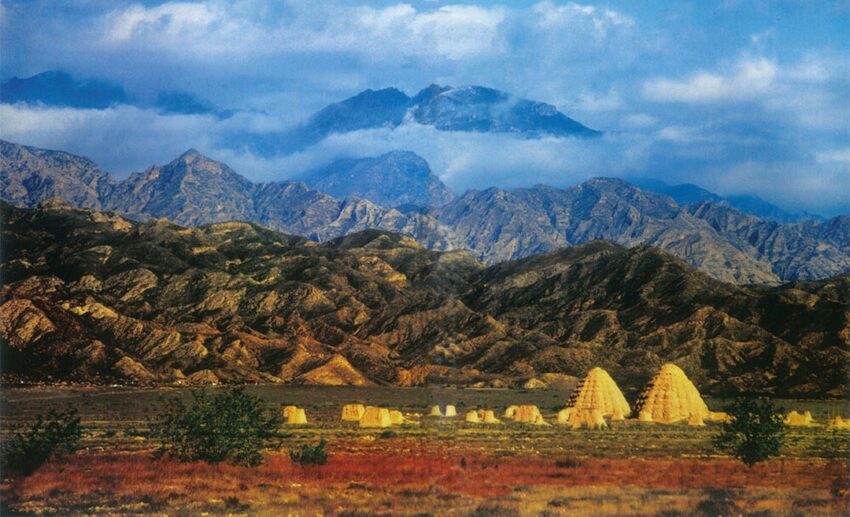
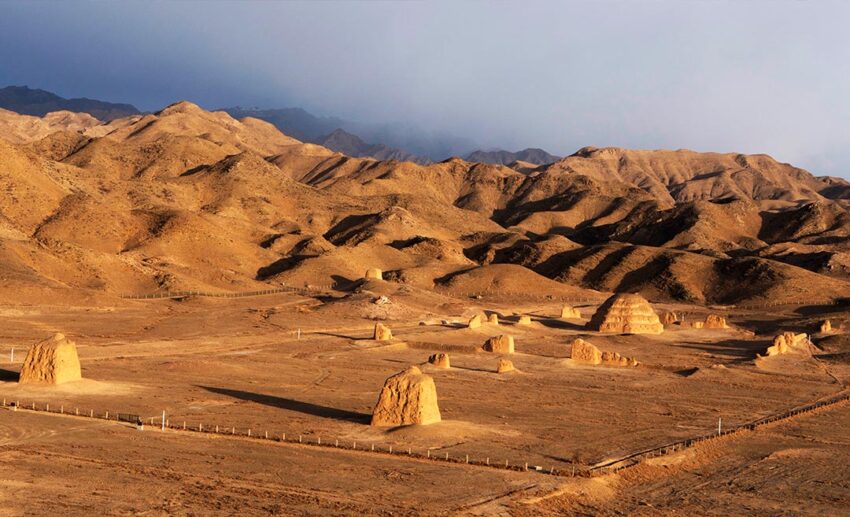
Built by the mysterious Tangut rulers of the Xixia Dynasty (11th–13th centuries), these tombs rival any imperial necropolis in Asia. Set against the backdrop of the Helan Mountains, the complex includes nine royal tombs and over 270 subordinate burials.
Vietnam
Yen Tu-Vinh Nghiem-Con Son, Kiep Bac Complex
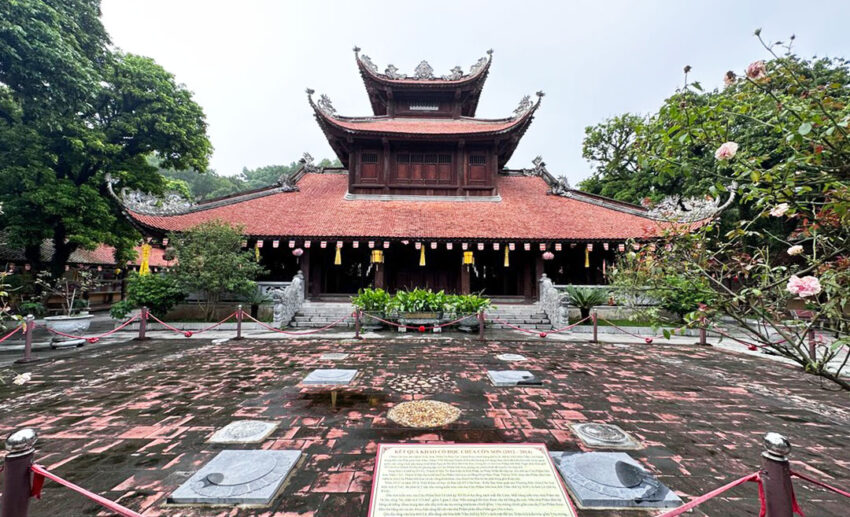
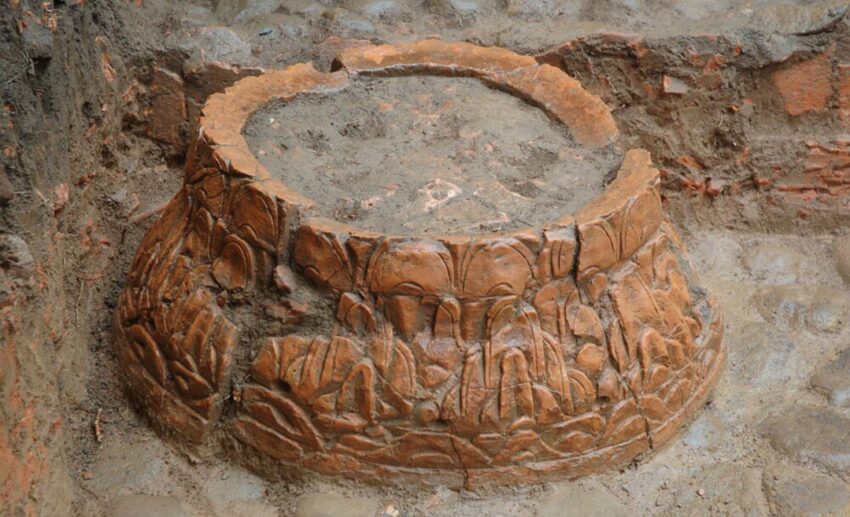
This interconnected network of temples, pagodas, and sacred peaks in northern Vietnam has been a major pilgrimage destination for centuries. It represents the cradle of Trúc Lâm Zen Buddhism and remains an active spiritual route today.
All images are provided by UNESCO.