Anak Krakatau’s eruption disrupted nearly 3,000 flights and affected 341,000 passengers. Here’s what Malaysian travellers need to know now. (Image by Fasyah Halim)
An eruption of Indonesia’s Anak Krakatau disrupted 2,961 domestic and international flights and affected around 341,000 passengers this week, after volcanic ash forced the temporary closure of eight airports. The affected airports have since reopened, but airlines are still working through operational knock-on effects, while the volcano remains at Indonesia’s second-highest alert level.
Why did Anak Krakatau disrupt flights?
Anak Krakatau, located in the Sunda Strait between Java and Sumatra, began a prolonged eruption late on Friday, 4 September, sending volcanic ash across parts of Java and Sumatra, including areas around Jakarta.
The continuous eruptive episode lasted around 25 hours, ending early on Sunday, 6 September. Further smaller Strombolian eruptions were recorded afterwards.
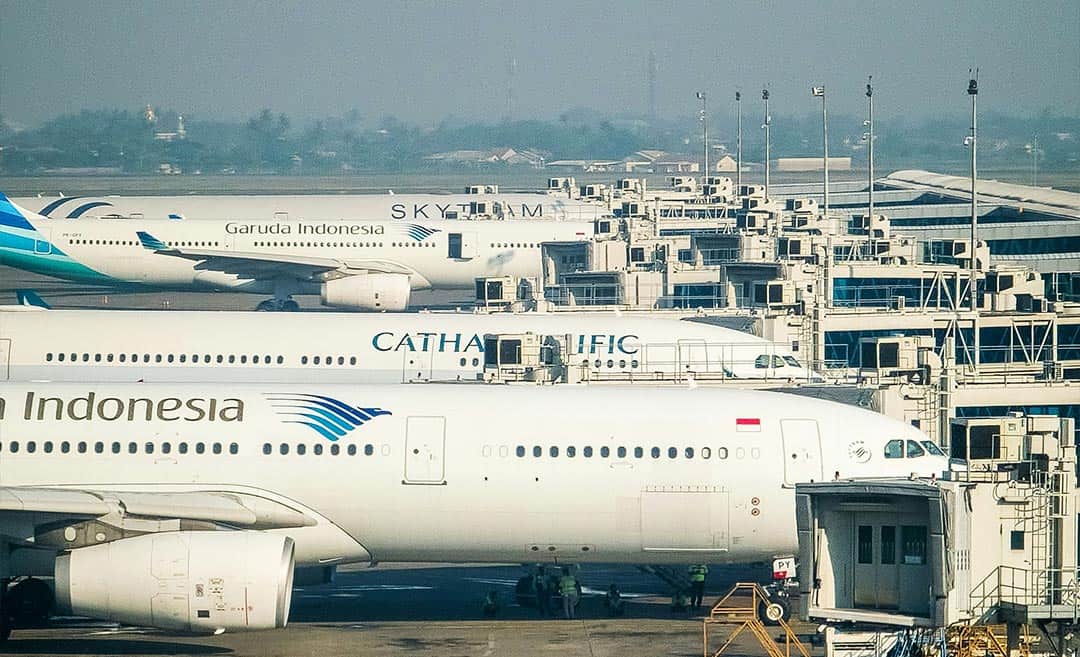
The ash forced eight airports to suspend operations at various points during the disruption, including Jakarta’s Soekarno-Hatta International Airport. By Monday, 7 September, 2,961 domestic and international flights had been affected by cancellations, delays, or diversions, impacting around 341,000 passengers.
Volcanic ash is a particular hazard for aviation because it can damage aircraft engines and other systems. Even when an airport has reopened, airlines may need to inspect aircraft, reposition planes and crews, and adjust schedules before normal operations resume.
Are Indonesian airports operating again?
Yes. All eight airports affected by the volcanic ash had reopened by 8 September after authorities confirmed that conditions were safe for flight operations. Indonesia’s meteorological agency, BMKG, said checks found no volcanic ash contamination affecting the relevant runways and airspace at the reopened airports.

However, the reopening of an airport does not necessarily mean every flight is operating normally.
Indonesian authorities said 178 aircraft that were grounded during the closures required airworthiness checks, while aircraft and crews also needed to be repositioned before schedules could fully recover.
Airlines have begun restoring affected services. AirAsia said flights to and from Jakarta were being cancelled, rescheduled, or adjusted as the situation developed, while Malaysia Airlines was gradually resuming Jakarta services following the reopening of Soekarno-Hatta International Airport. Both airlines have advised affected passengers to check their individual flight status before travelling.
What does this mean for Malaysian travellers?
Travellers from Malaysia were among those affected by the disruption, particularly on Kuala Lumpur–Jakarta routes. Malaysia Airlines and Batik Air Malaysia cancelled or rescheduled services during the airport closures, while AirAsia also adjusted flights to and from Jakarta.
If you are flying to Jakarta, or connecting through Jakarta to another Indonesian destination, check directly with your airline before leaving for the airport. An airport reopening does not guarantee that your particular flight is operating as scheduled.
Allow extra time, monitor your flight status, and keep your airline’s notifications enabled in case your departure time, aircraft, or routing changes.
If your flight has been disrupted, check what rebooking, refund, credit, or other recovery options your airline is offering before booking an alternative ticket yourself.
Is Anak Krakatau still erupting?
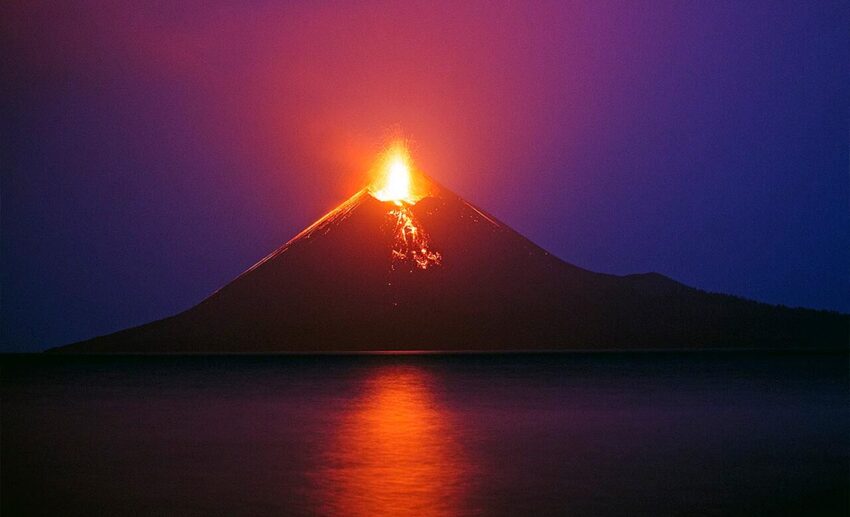
Yes. Although the prolonged eruption that caused the major aviation disruption has ended, Anak Krakatau remains active and smaller Strombolian eruptions have continued.
As of 7 September, Indonesia’s Centre for Volcanology and Geological Hazard Mitigation (PVMBG) had kept Anak Krakatau at Level III (Siaga), the country’s second-highest volcanic alert level. PVMBG said the probability of further eruptions remained high and warned of hazards including lava, incandescent rock fragments, and heavy ashfall.
This does not mean that trips to Indonesia need to be cancelled wholesale. However, anyone travelling through areas potentially affected by volcanic ash should continue monitoring official and airline updates, particularly when flying through Jakarta.
Could the flight disruption happen again?
It is possible. Volcanic activity and ash dispersion can change quickly depending on the intensity of an eruption and prevailing winds. BMKG has continued monitoring volcanic ash in the atmosphere, including at altitudes extending up to 50,000 feet during the earlier disruption.
For now, the most practical precaution for travellers is to check your airline’s latest flight status before heading to the airport, and again on the day of travel.
The situation is being monitored by Indonesian authorities, and any renewed impact on aviation will depend on Anak Krakatau’s activity and where volcanic ash is dispersed.