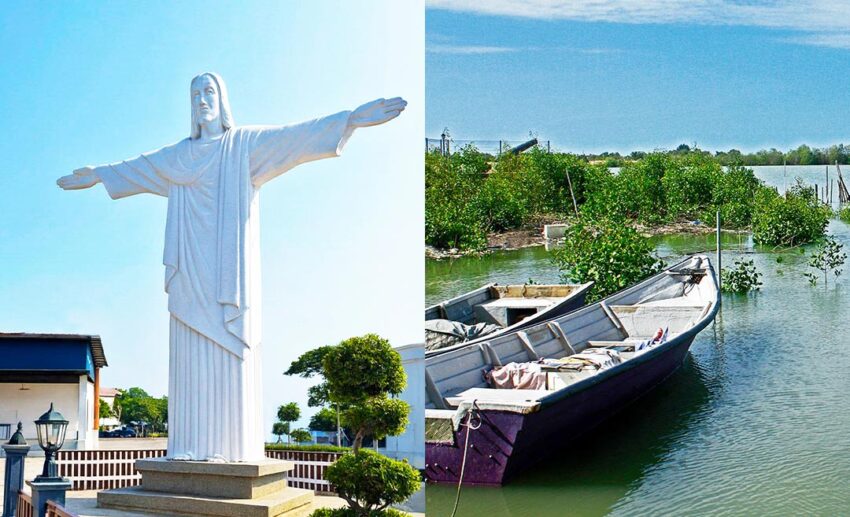
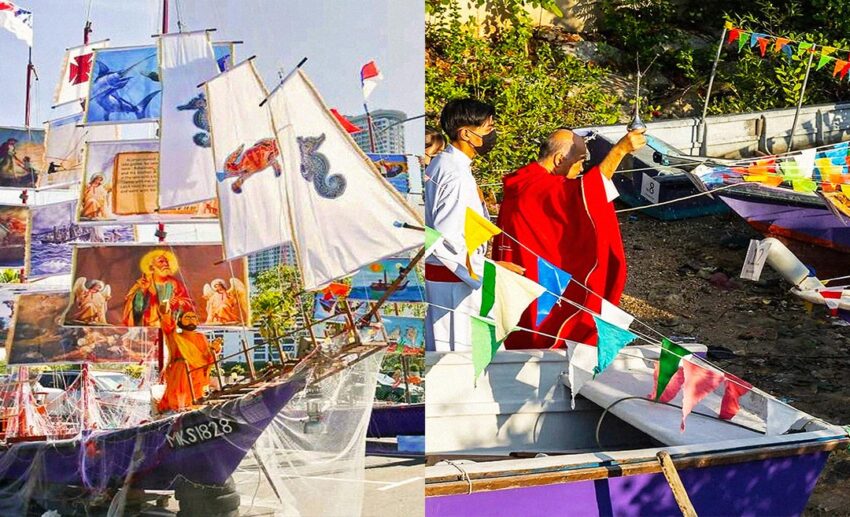
Melaka’s San Pedro Festival celebrates Portuguese-Eurasian heritage through fishing traditions, faith, food, and Kristang culture at the Portuguese Settlement. (Left image by Lloyd Alozie; Right image by Robyn Lopez)
In late June, Melaka’s Portuguese Settlement at Ujong Pasir moves into festival mode. What is usually a quiet residential precinct by the Straits of Malacca becomes the lively home of the San Pedro Festival, one of Malaysia’s lesser-known yet culturally significant heritage festivals.
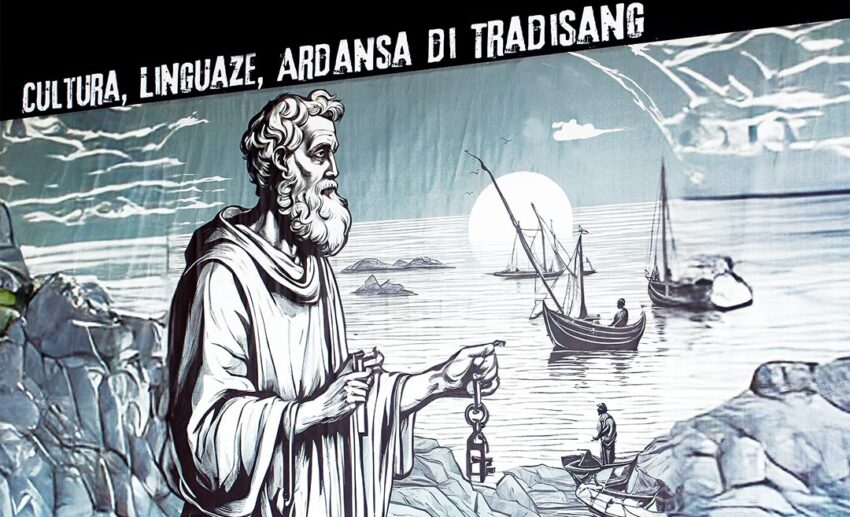
The festival honours San Pedro (Saint Peter), the patron saint of fishing communities, and the Portuguese Eurasian or Kristang community of Melaka. His influence continues to be integrated into daily life, faith, and tradition. Long before heritage listings and cultural calendars, fishing was the main industry in this coastal settlement. Boats set off to fish the waters of the Straits of Malacca, and the livelihood of the community was determined by the daily catch. The San Pedro Festival acknowledges this connection with celebration and festivities.
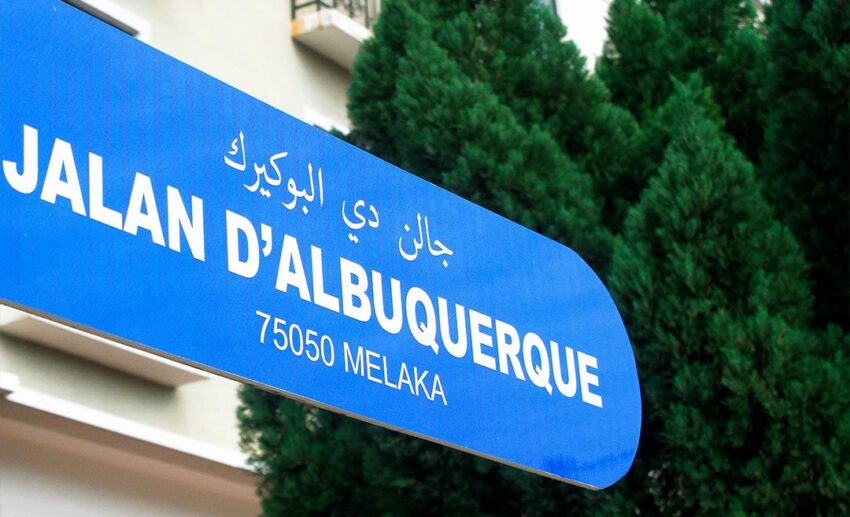
The roots of the festival date back to the Portuguese era, which began in 1511 when Afonso de Albuquerque captured the maritime port of what was then known as Malacca. Several streets in the community are named after Portuguese legends and heroes, including Albuquerque.
Portuguese mariners set off to explore the globe, seeking exciting new resources, including tropical spices, especially those from the Spice Islands (now part of Indonesia). Melaka’s position on a strategic waterway gave whoever controlled it a strong advantage in dominating the profitable spice trade.
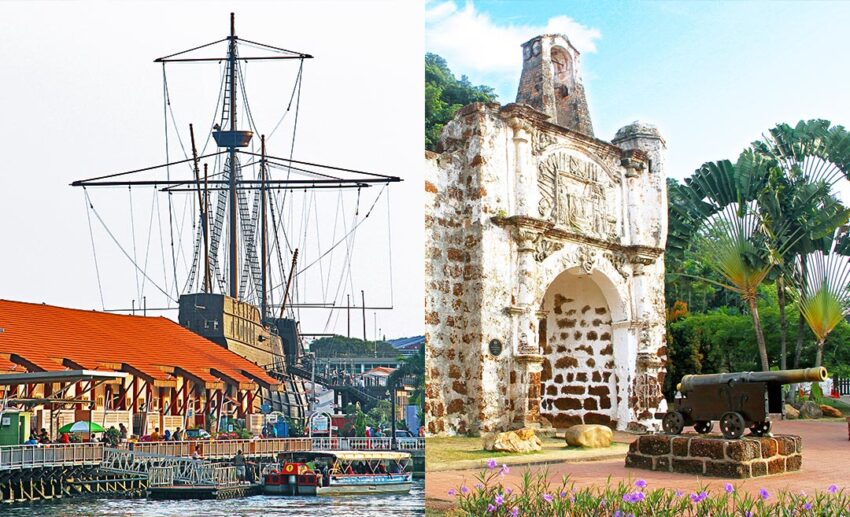
Albuquerque’s vessel, the Flor de la Mar, laden with plundered treasures, set sail from Melaka for Portugal but never made it back. It sank off the coast of Sumatra with the loss of 400 sailors and has never been recovered. A replica now forms the basis of the Melaka Maritime Museum.
Portuguese rule lasted here until 1641, but its influence extended well beyond those years. Intermarriage between Portuguese settlers and local communities gave rise to a distinct Eurasian population. Over time, this community developed Kristang, a Portuguese-based Creole language, alongside a shared Catholic faith, culinary traditions, and distinctive social customs.
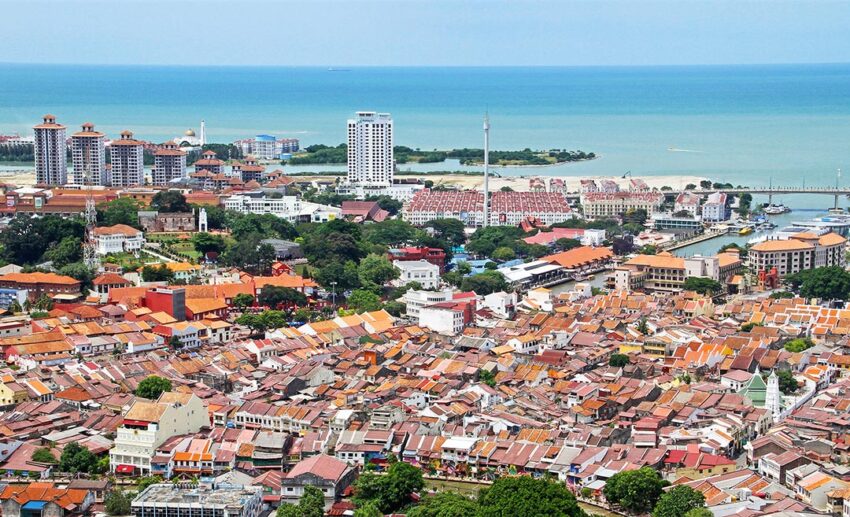
While situated just outside the UNESCO World Heritage Site core zone, the Portuguese Settlement maintains close ties with the historic heart of Melaka.
A festival rooted in the sea
While the Portuguese Settlement was only formally established in the 1930s, many families can trace their Melaka ancestry back centuries. Fishing dominated working life well into the twentieth century, and Saint Peter, himself a fisherman, became a natural focus of religious devotion. The San Pedro Festival (Fiesta San Pedro) takes place around 29 June, Saint Peter’s feast day, and unfolds over several days.
Preparations begin on 23 June, marking Festa San Juang (St John’s Festival). This day honours the birth of St John the Baptist, and the celebrations include the Festival of Lights with candles being lit. Homes are cleaned, food is cooked in large quantities, and fishing boats are repainted and decorated with flags and flowers. The San Pedro celebrations begin with a high mass at the Church of Our Lady of the Immaculate Conception in the settlement.
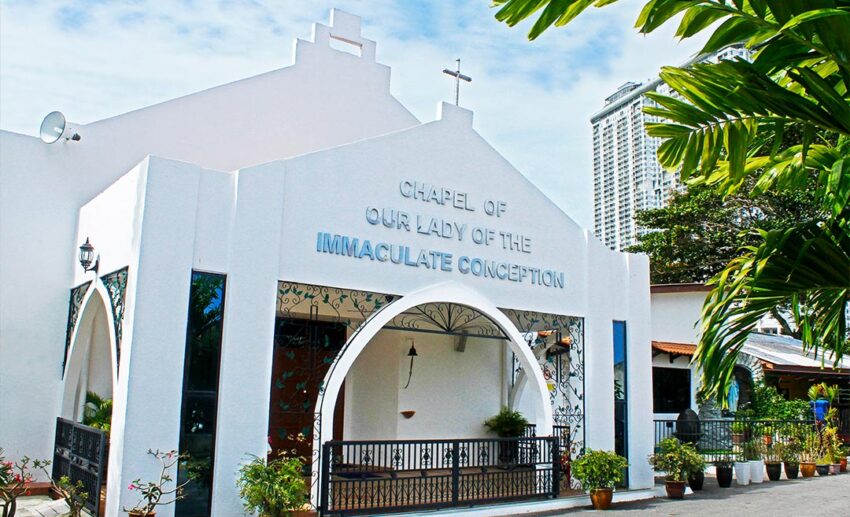
From here, a statue of Saint Peter is carried in a procession that weaves its way through the Portuguese Settlement.
The procession ends at the shoreline, where the fishing boats are blessed by the priest. This activity still carries practical meaning for the fishermen who seek safety and good fortune in the waters of the Straits of Malacca.
Inside Melaka’s Kristang community
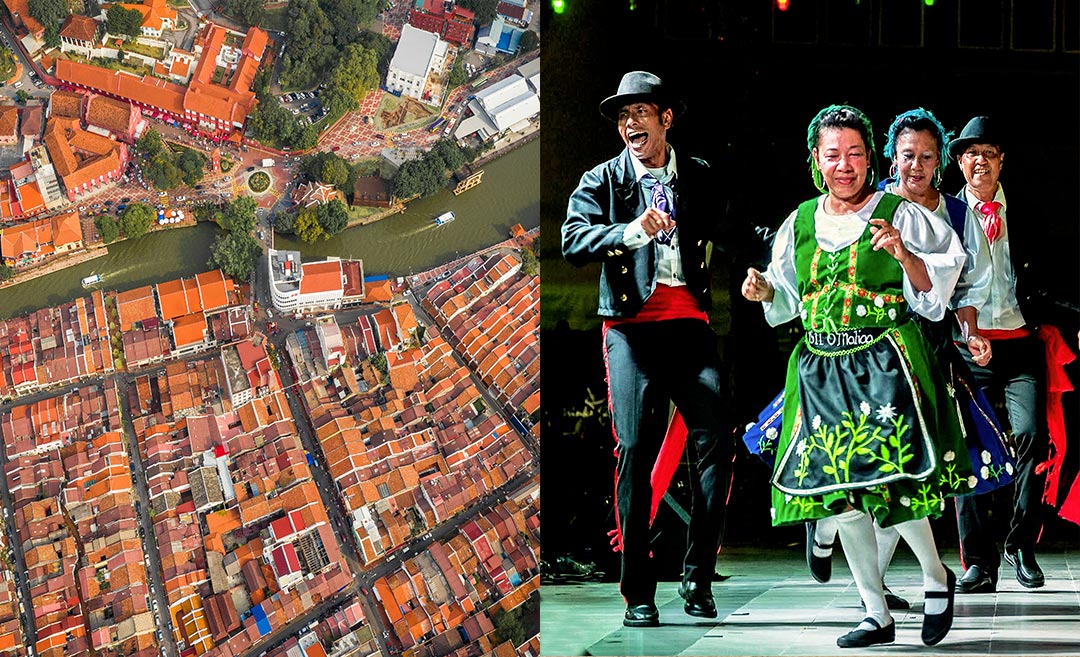
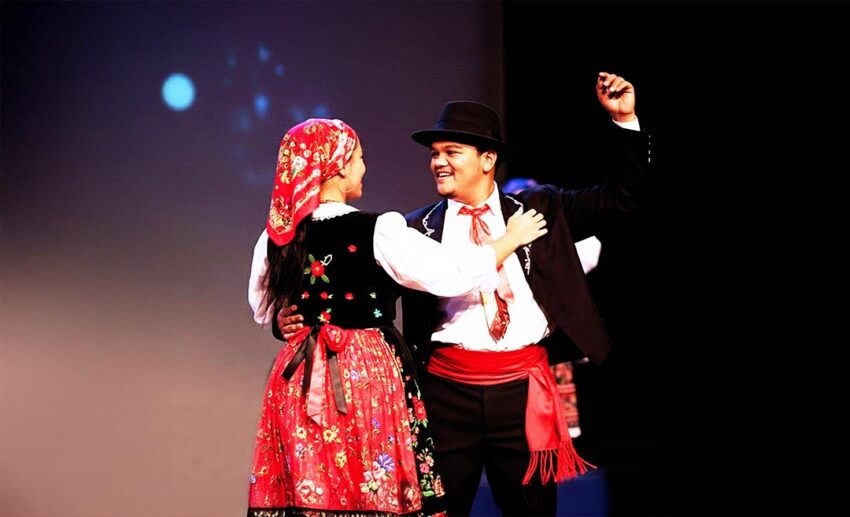
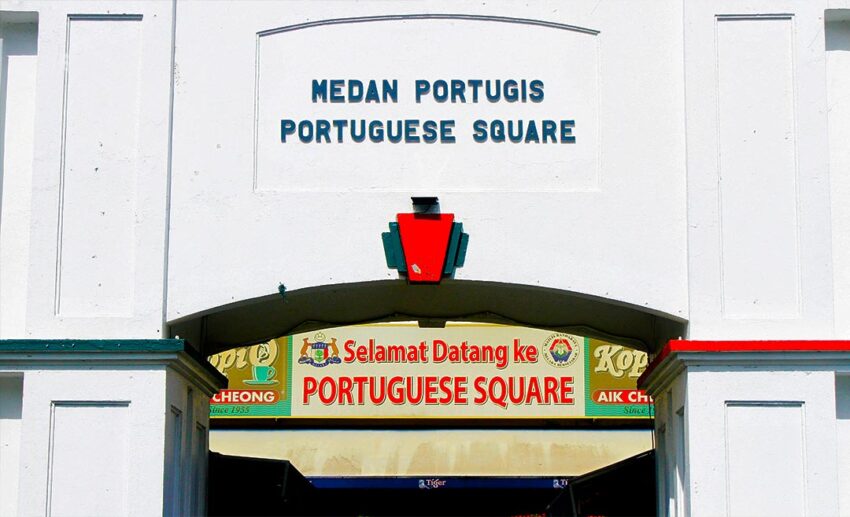
Away from the church, the festival becomes a communal gathering, with the Portuguese Square and its open-air stage serving as the focal point. Music and dance run late into the evening. Branyo performances (a traditional, lively Portuguese-Eurasian dance) draw participants as much as spectators. Ukulele groups and folk musicians perform Kristang songs that blend humour and nostalgia with everyday life.
A festival told through food
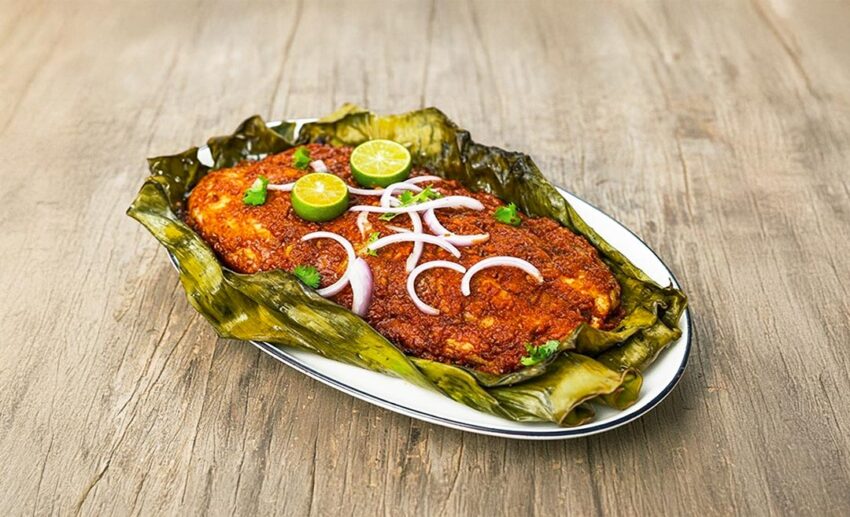
Food remains central to the festival, grounded in family practice rather than presentation. Many of the dishes associated with the festival are prepared for special occasions and are rarely found outside the settlement. A sweet mung bean treat known as kanjee munggu is commonly enjoyed at teatime.
Kari debal (also referred to as Devil’s Curry) remains the most recognisable dish, commonly prepared with chicken and flavoured with vinegar, mustard seeds, garlic, and dried chillies. While its flavour has its origins in Portuguese cooking techniques, the ingredients have been adapted to local tastes.
Seafood reflects the settlement’s fishing past. At both family meals and festival stalls, you’ll find grilled fish, prawns sautéed with chilli and garlic, as well as a variety of squid dishes. Vegetable dishes such as soy limang terung (aubergine braised with soy sauce and lime), display Chinese influence, while the consistent use of spices and vinegar continues the Portuguese influence. During the festival, food is shared freely among families and returning villagers, many of whom plan their visits around the festival.
In recent years, San Pedro Festival has taken on renewed significance. Fishing no longer dominates local employment, younger generations are less fluent in Kristang, and development pressures continue along Melaka’s coast. The festival has become an annual cultural anchor — a point of return, both literal and symbolic, for a community increasingly dispersed across Malaysia.
There have been efforts to recognise San Pedro Festival as part of Malaysia’s intangible cultural heritage, but for residents, continuity matters more than formal recognition. What sets this festival apart from many other Malaysian cultural events is its scale and intent. It is not a reconstructed performance or a commercial attraction, although visitors are warmly greeted. Continuing the music, rituals, food, and ceremonies associated with the San Pedro Festival is important for most Malaysians with Portuguese heritage.
In a city often defined by its colonial architecture and historic streets, the San Pedro Festival reveals another layer of Melaka’s living heritage. It shows how history survives through repetition, participation and shared responsibility. For a few days each year, the Portuguese Settlement welcomes visitors to learn more about the Portuguese contribution to the UNESCO World Heritage city.
A base for exploring historic Melaka
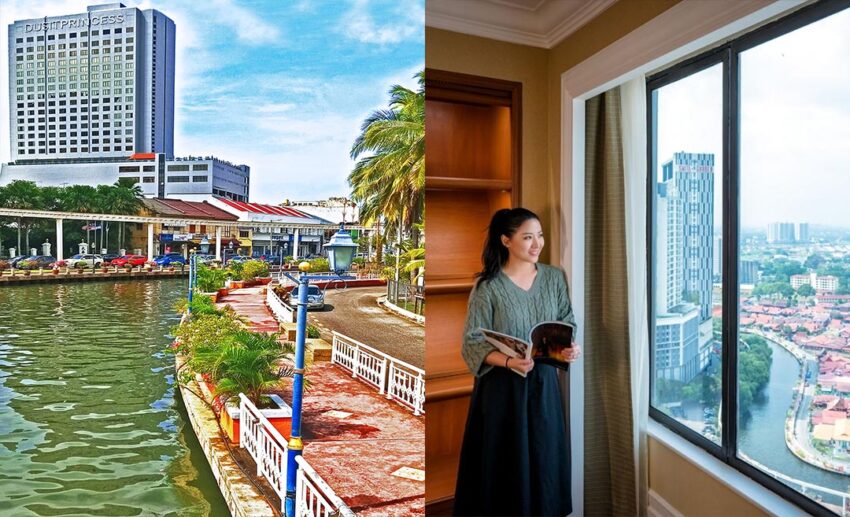
The Dusit Princess Melaka makes a convenient base for travellers exploring the city’s Portuguese heritage and attending the San Pedro Festival. Hotel staff are well-versed on the festival, and dishes like Portuguese baked fish, keluak curry, and curry kapitan occasionally feature on the menu.
Richard Suter, General Manager of the Dusit Princess Melaka, and his staff, filled me in on the San Pedro festivities. Reflecting on his experience, he noted, “I have been fortunate to work in many parts of the world and witness many festivals, but San Pedro intrigues me because it offers an opportunity to appreciate one of the many the historical influences that have shaped Melaka’s culture over the centuries — reflecting the state’s position as [one of] Malaysia’s most historically and culturally diverse destinations.”
Zafigo Guide: Attending Melaka’s San Pedro Festival
Beat the traffic: The roads into the Portuguese Settlement are notoriously congested during festival week. If you’re staying in the city centre, take a Grab and ask to be dropped off at the junction of Jalan Ujong Pasir. Walking the last 500 metres will save you 30 minutes of sitting in gridlock.
A note on the heat: Melaka in June is sweltering. While the festival is by the sea, the square can feel like a furnace. Carry a portable fan and a reusable water bottle—most residents are happy to show you where to refill.
Dress comfortably but respectfully: The festival involves walking between the church, the square, and the pier. Wear breathable clothing and comfortable shoes, but if you plan to enter the Church of Our Lady of the Immaculate Conception for the mass, ensure your shoulders and knees are covered.
The best seat in the house: For the blessing of the boats, head to the shoreline behind the Portuguese Square around 5pm. This gives you the best view of the decorated vessels before the crowds peak for the evening stage shows.
The “Jingkli Nona” tradition: You will hear a catchy, upbeat tune played repeatedly. This is Jingkli Nona, the unofficial anthem of the Kristang community.
Embrace the “Branyo”: Don’t be shy! If a local invites you to join the Branyo on stage or in the square, say yes. It is the fastest way to be welcomed into the Kristang “familia.”
Festive feasts: A lot of the dishes (like the kari debal) served at the festival are traditionally spicy. So if you have a lower heat tolerance, ask for a “less pedas” (less spicy) version or pair it with plenty of white rice.
Staying safe: The Portuguese Settlement is a safe, family-oriented environment. It is exceptionally safe for solo women. However, like any crowded festival, keep your belongings in a cross-body bag.
Photographer’s etiquette: The boat decoration competition is a point of immense pride. If you see a fisherman preparing his boat, ask for permission before taking a close-up photo. They are usually delighted to share the history of their craft with interested travellers.