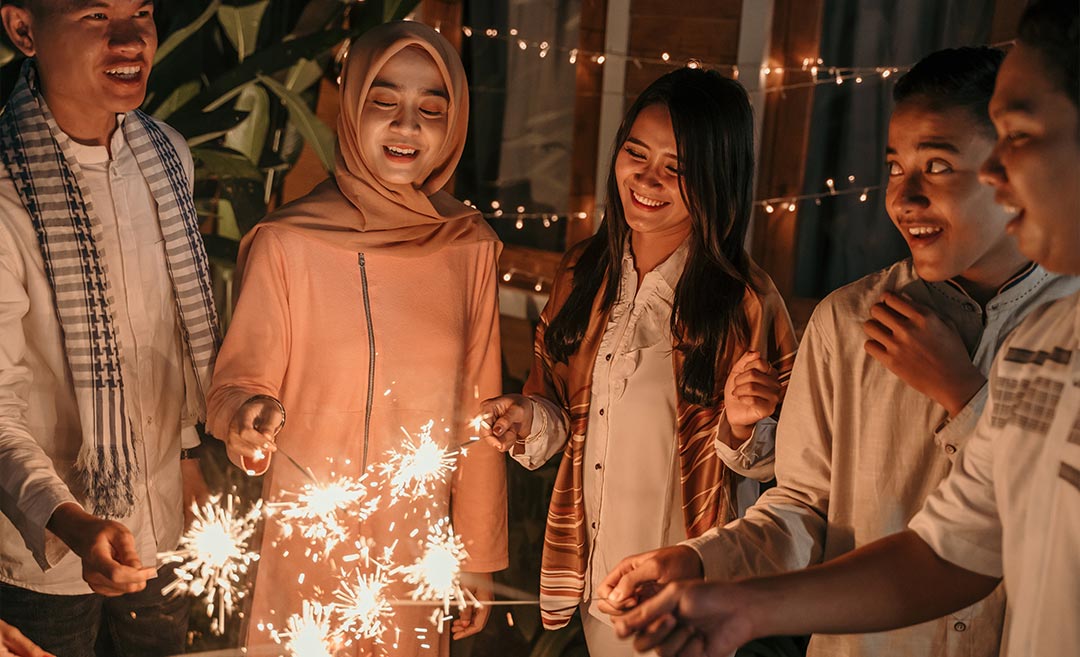
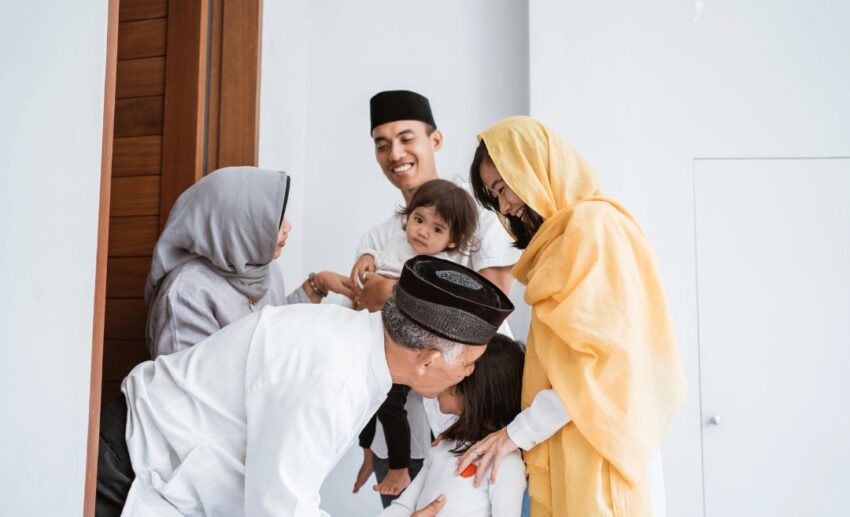
From marathon hosting to smaller gatherings, the Malaysian Raya open house isn’t disappearing — it’s evolving with intention. (Photo by Odua Images)
On the first day of Raya, the doorbell used to ring nonstop. A neighbour would arrive with their children, followed by cousins you hadn’t seen in years, then your father’s colleagues, and then the friend who heard there was rendang and decided to stop by.
Shoes would pile up at the doorway, the living room coming alive with familiar laughter. Somewhere in the kitchen, my aunt stirred a pot while another arranged kuih on trays. For many, this was the rhythm of the Raya open house, or rumah terbuka—a Malaysian festive tradition that feels uniquely ours.
But despite this being a longstanding tradition, speak to younger families hosting Raya today, and you’ll hear a slightly different story. The doors are still open, but the way people host is beginning to shift toward intentional gatherings and urban-friendly celebrations.
When the open house was the centre of Raya
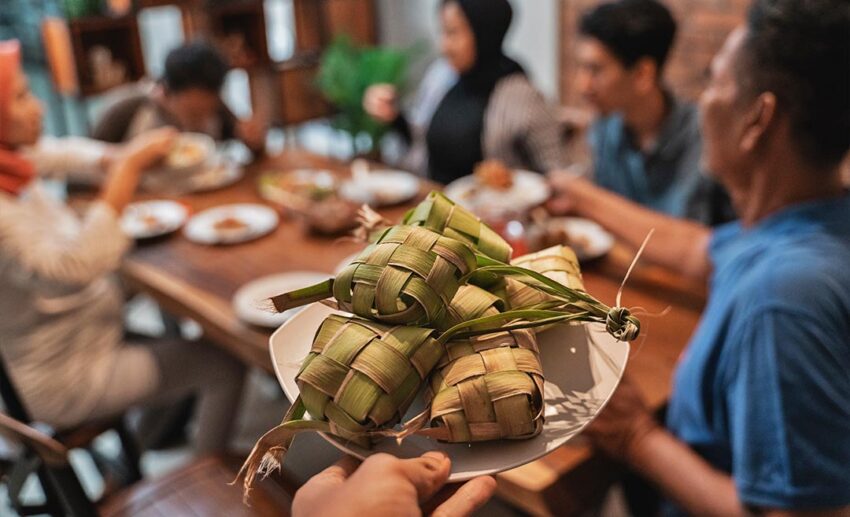
The open house has long been one of the most distinctive parts of Raya celebrations in Malaysia. Unlike more private family gatherings elsewhere, Raya here has always spilt outward — into neighbourhoods, workplaces, and entire communities. Literally, anyone could come, and it wouldn’t be considered rude. You didn’t need an invitation, only a friendly relationship and a willingness to eat.
For many families, it was also a point of pride. Tables would be filled with ketupat, lemang, rendang, lontong, and trays of Raya cookies. Relatives travelled from house to house across the day, greeting elders, reconnecting with old friends, and welcoming strangers who quickly became familiar faces.
But while the atmosphere felt effortless, the reality behind it rarely was.
Hosting often meant days of preparation: cooking, cleaning, decorating, planning outfits, and preparing duit Raya. While the work was shared, much of it traditionally fell on women, who carried both the emotional and practical labour of making Raya feel festive.
For years, that rhythm held steady. Today, it’s starting to shift.
A shift in how hosting is shared
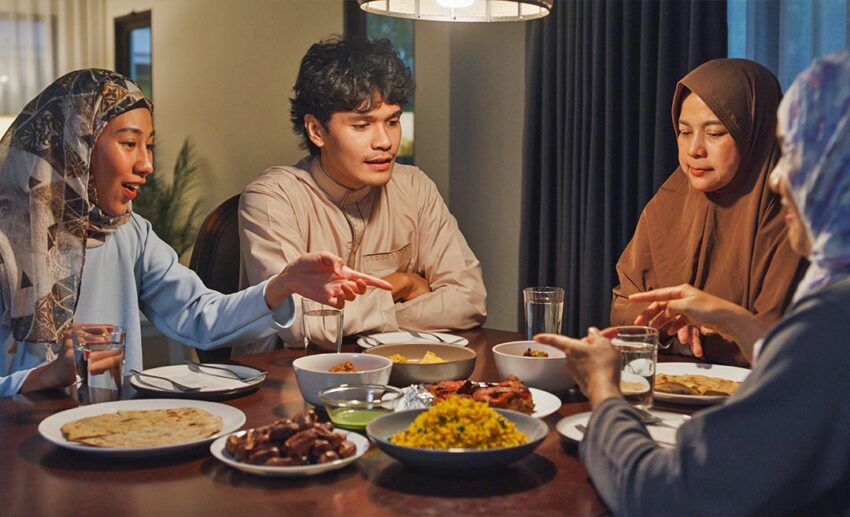
Another quiet shift lies in how younger generations think about the labour behind celebrations.
Many women grew up watching mothers and grandmothers spend long hours preparing for Raya. While those memories are cherished, they’ve also sparked conversations about balance.
Today, hosting is increasingly shared — partners cook together (read: enjoyment may vary), children help out, and friends bring dishes to contribute. Some even rotate hosting within their circles.
Rather than diminishing tradition, these changes make it more sustainable, both practically and emotionally.
Life moves faster now
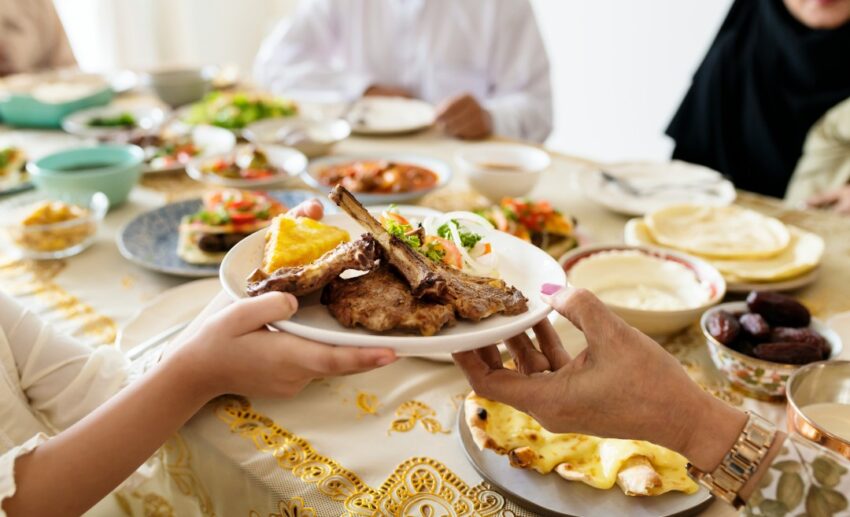
One reason the Raya open house is evolving is simply the pace of modern life.
Many younger Malaysians juggle demanding work schedules, long commutes, and a growing desire to travel and explore. Some split their time between cities or countries, while Raya itself is often divided between multiple households, with in-laws in one state, parents in another.
In that context, hosting an all-day open house for dozens of guests can feel overwhelming.
Instead, many millennial hosts are choosing smaller gatherings spread across a few days, from intimate lunches with close friends to relaxed evening visits. The spirit of hospitality remains, just scaled to fit modern life.
The realities of urban living
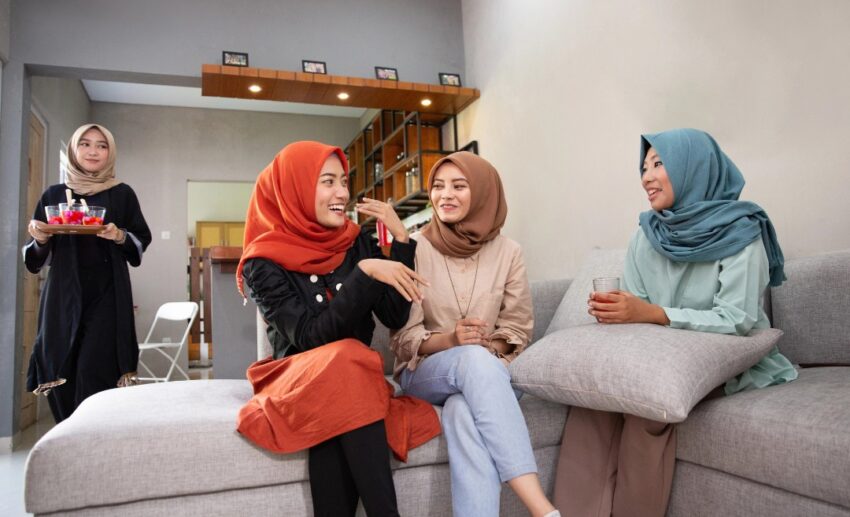
Where we live also shapes how we celebrate. Many Malaysians who grew up in kampung houses or landed homes now live in high-rise apartments, especially in cities like Kuala Lumpur, Penang, and Johor Bahru. These homes are comfortable, but they’re not designed for large gatherings.
A living room that fits six comfortably may not accommodate thirty guests at once. And parking alone can become a challenge. Security procedures in condominiums also make spontaneous visits harder to manage.
Rather than seeing this as a limitation, many communities are adapting creatively. Some residents organise shared Raya gatherings in condo halls or rooftop spaces. Others coordinate potluck-style celebrations, transforming apartment living into a kind of modern vertical kampung.
In these spaces, the idea of community doesn’t disappear; it just adds and utilises that gotong-royong spirit.
The cost of celebration
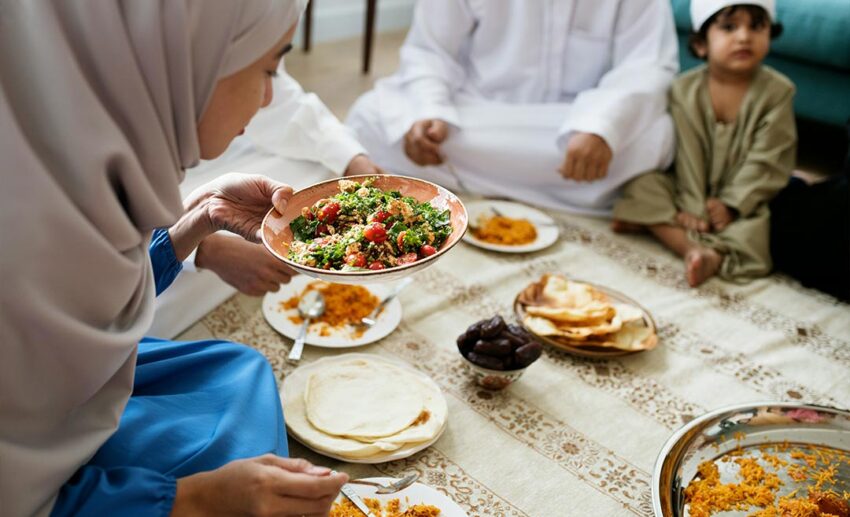
Rising living costs are also reshaping how people host Raya open houses.
Ingredients, decorations, and festive outfits add up quickly, especially for younger households managing mortgages, childcare, and daily expenses.
Instead of scaling back entirely, many are simply becoming more intentional; focusing on a few beloved dishes, supporting local bakers or inviting guests to bring something to share.
The result is a gathering that feels less performative and more communal, where the warmth of the company matters more than the size of the spread.
Intention over obligation
Perhaps the most significant shift is emotional rather than practical.
Where past generations often felt obligated to keep their doors open all day, younger hosts are increasingly prioritising gatherings that feel meaningful rather than a must-do just because it’s always been done.
Invitations may be sent ahead of time, and guests arrive in smaller waves. Hosts sit down to eat instead of hovering in the kitchen, allowing them to be fully present.
The result is often a celebration that feels calmer, more personal, and more connected.
Ironically, by scaling back, many people find themselves reconnecting with the very essence of Raya: spending time with the people who matter. The door may not stay open all day anymore, but when it opens, it does so with meaningful intention.