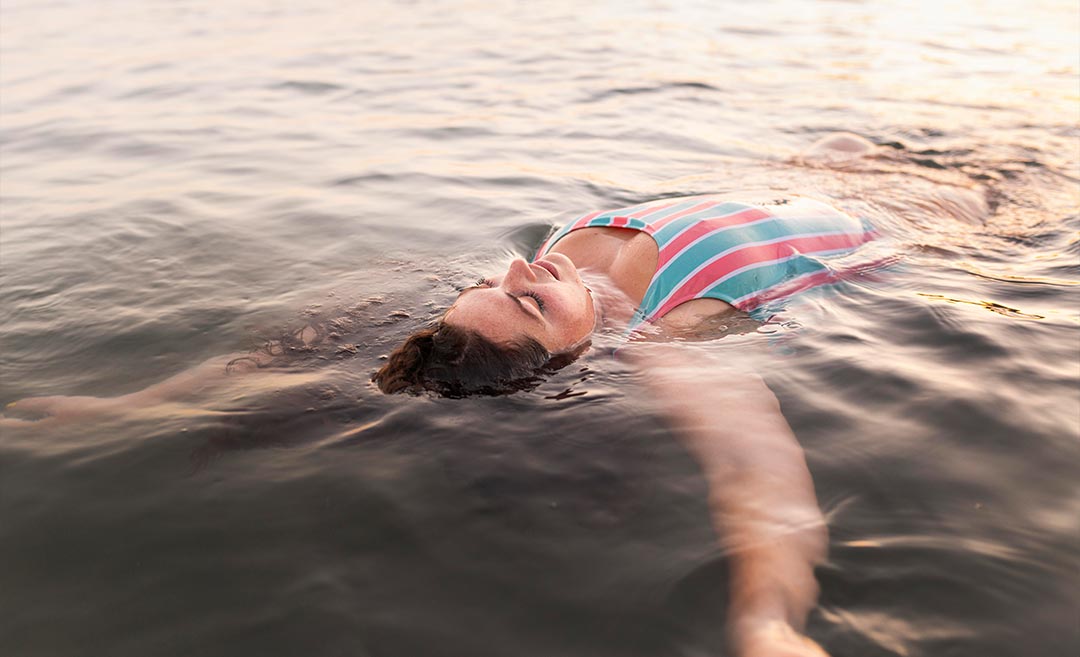
Finding a moment of absolute stillness: How stepping into the vastness of the sea provides a quiet space to carry the weight of loss. (Image by freepik)
The problem with grief is that although all of us will inevitably experience it at some point in our lives, it often brings a profound sense of isolation. When life becomes difficult, nature has a way of helping us through some of its most unforgiving moments.
Perhaps this is why so many people find themselves drawn to the sea during difficult seasons of life. Researchers and writers have long explored the idea that being near water can encourage a sense of calm, reflection, and presence, sometimes referred to as the Blue Mind theory. There is something about open water that invites us to reconnect with ourselves when life feels overwhelming.
For those navigating grief, that combination of movement, nature and immersion can offer a gentle way to process emotions that are often difficult to put into words.
Here, we explore how open water swimming can support emotional well-being as you navigate grief and loss. Because no two experiences of grief are the same, consider this list a collection of gentle suggestions rather than a prescription for healing.
A change of environment offers new perspectives
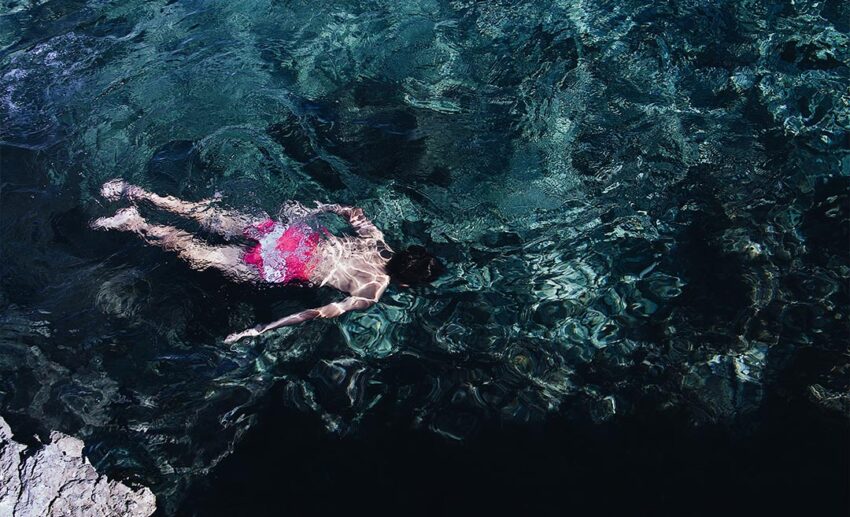
We’re often advised to go outside and spend a little bit of time in the sunshine, surrounded by fresh air. This advice is especially relevant when going through grief or bereavement. Open water swimming takes us out of our usual environment, removing us from spaces that bring up painful memories. It offers respite from familiar triggers and an opportunity to shift our perspective.
There’s no reason to set a mental goal that you must have a newfound outlook on life or your circumstances. But if taking up a physical task such as swimming simply quiets the noise in your mind, it would be worth doing.
Swimming helps us work on what can be controlled
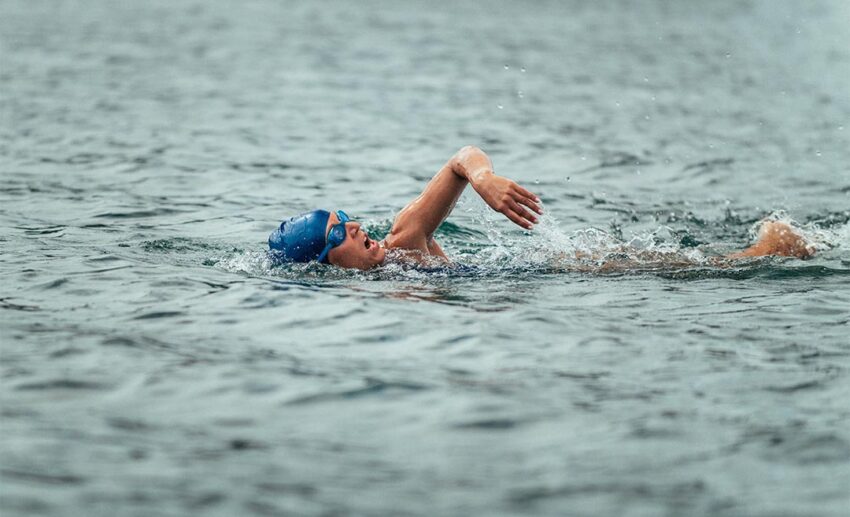
There is a sobering realisation that comes with grief: we cannot control everything that happens in life. Although most of us understand this in theory, the reality of loss often shakes the sense of certainty we cling to.
Swimming can redirect your body and mind to focus on what can be controlled. When swimming in a natural environment such as open water, it takes great focus to keep moving forward. One breath at a time, then another; one stroke, one kick, and repeat. In order to keep your body afloat and keep moving, you must stay in this rhythm and tune out all other distractions. It is not a cure-all for pain or sadness, but it can help us manage and regulate some of those emotions.
It is a good way to look after your health
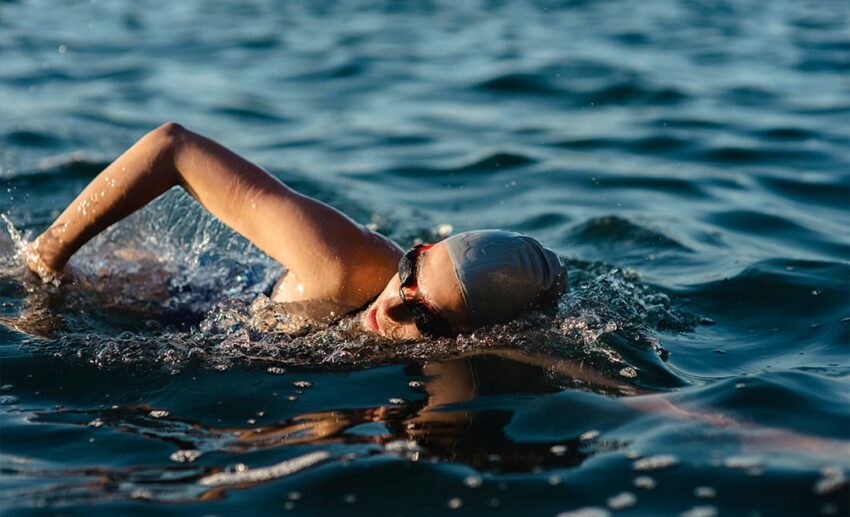
Seasons of loss and heartache often have us neglecting ourselves. It is a natural human response to lose our appetite, struggle with sleep and fall out of our regular routines while grieving. Giving yourself something to look forward to that allows you to move your body and spend time in nature is a good way to keep your mind and body in check.
Cold water exposure is associated with the release of endorphins and serotonin, both of which can help support mood and well-being. Practising open water swimming consistently exposes your body to natural stress relievers, which can be beneficial during difficult periods.
Swimming improves sleep

Have you noticed how the best naps come after a good swim? Swimming is a full-body workout performed in a low-impact environment. The constant resistance of the water engages your body’s muscles while the rhythmic breathing and repetitive movements create a calm and meditative state for your brain and nervous system.
Poor sleep caused by stress, sadness or depression can affect both our health and our ability to think clearly. If sleepy teas are not working, we suggest swimming as a practice to regain a healthy sleep pattern.
A chance to build a community
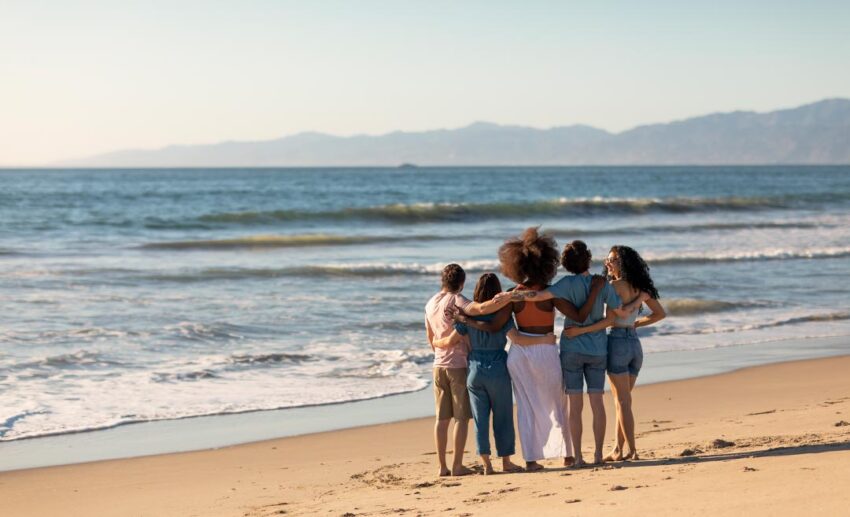
It’s hard to believe while you’re in the thick of hurting and healing that there is life beyond grief. One of the strengths of sport is its ability to bring together like-minded individuals. Open water swimming communities can be found all over the world. Whether you begin on your own and meet people along the way or start with a friend, participating in a shared activity motivates you to be consistent while forming new bonds with people and possibly making some good friends. These connections serve as a reminder that we are not alone in our struggles.
Nature teaches us that some things just take time
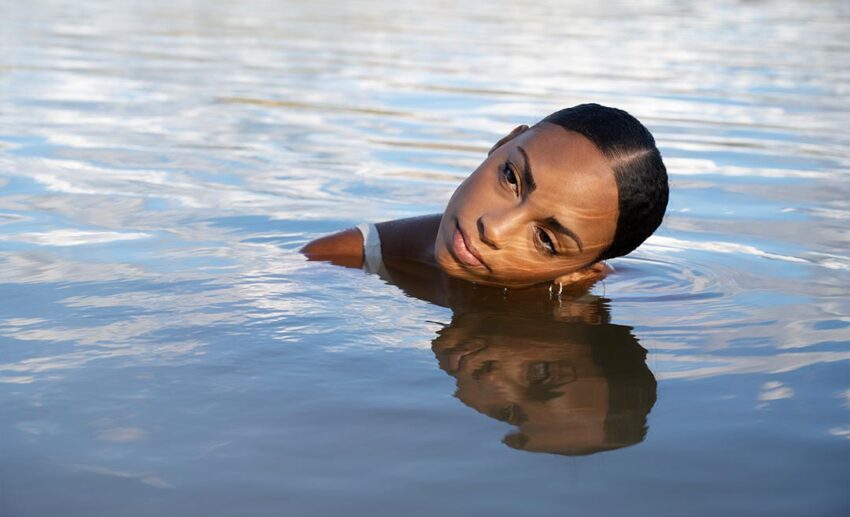
People often talk about how grief comes in waves. How we feel in the immediate aftermath of loss may change as time goes on. Memories, like the ocean waves, sometimes come crashing in hard and fast and other times are quiet and still. Our brain is wonderful at protecting us and helping us process loss by managing these memories.
Spending time in nature reminds us of a simple truth: everything takes time. Very little in nature happens overnight, even if it appears that way on the surface. The sea and everything in and around it remind us that even setbacks, loss and pain are part of growth. Regardless of what stage of grief you are in, even if you take one step forward and three back, every step brings you closer to healing and restoration.
Zafigo Tips: Safety measures for swimming in open water
Open water swimming can be deeply rewarding, but safety must always come first before you enter the water.
Do not attempt open water swimming if you do not know how to swim
This may seem self-explanatory, but swimming in an open body of water (ocean, lakes, rivers, etc.) is not the same as swimming in a pool. Currents, changing depths and weather conditions can challenge even experienced swimmers. It is better to be safe rather than overestimate your abilities in an unpredictable environment.
Use the “buddy” system
The rule to never swim alone applies more heavily if you are undergoing any sort of mental or emotional distress. Have a friend or family member close in case you are overwhelmed or begin to panic in the water. If you are feeling tired, anxious or lack mental clarity even before getting into the water, decide if you want to opt out of swimming that day or swim close to the shoreline so you can make a swift exit when necessary.
Swim within marked areas
When swimming in the ocean, a lake or a river, stick to marked or designated swimming areas. Most natural bodies of water may not have a lifeguard present at all times, so you will need to be vigilant and assess the water before getting into it.
Wear a flotation device
Regardless of how strong a swimmer you are, wear a flotation device when you are entering open water. You can use a swim buoy, a float or a life jacket. A brightly-coloured floatation device is advised so you are easily spotted in the event of an emergency.
Check the weather and water conditions before swimming
Always check the weather forecast before heading out to swim. Even on days when the weather looks perfect, coastal areas and open waters can experience sudden changes in weather. Along with the weather forecast, keep a close watch on the sky, the wind and the surface of the water. Avoid swimming in bad weather, rough waves and strong currents.