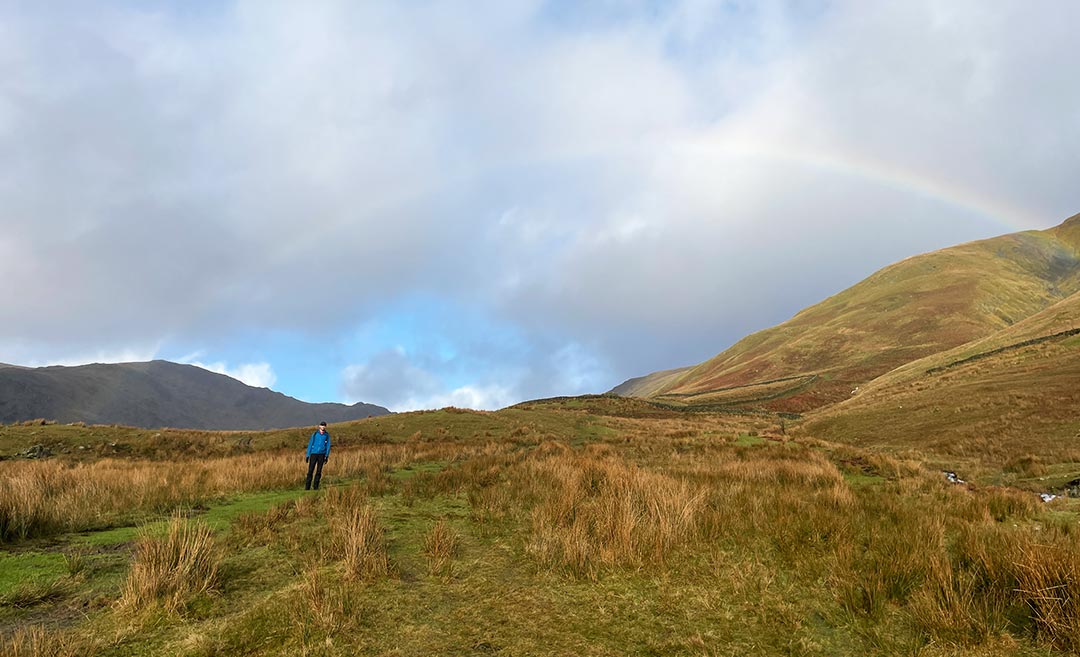
Trading the sweltering Mediterranean sun for the crisp, restorative air of the fells—the ultimate summer recalibration.
I spent the summer of 2025 travelling through the Mediterranean, and the heat completely zapped my energy. With 2024 recorded as Europe’s hottest summer, it’s no surprise that last summer had soaring temperatures.
Destinations like Greece, Italy, and France have long dominated summer travel, but rising temperatures are pushing many vacationers to rethink their usual hotspots in search of cooler European summer destinations.
The United Kingdom has quietly become my go-to warm-weather escape. In recent years, I’ve spent more time here and grown to love the weather — warm enough for T-shirts, but rarely unbearably hot.
For outdoor lovers and peace-seekers like myself, the Lake District in England makes for the perfect summer without the heatwaves. The Lake District National Park — the largest in the UK and a UNESCO World Heritage Site — is packed with outdoor adventures and cosy towns.
I first visited the Lake District in winter, and even then, I could see how perfectly these experiences would translate to summer travel. Here’s why it makes a sunny yet bearable summer escape.
Scenic walks and hiking routes for all levels
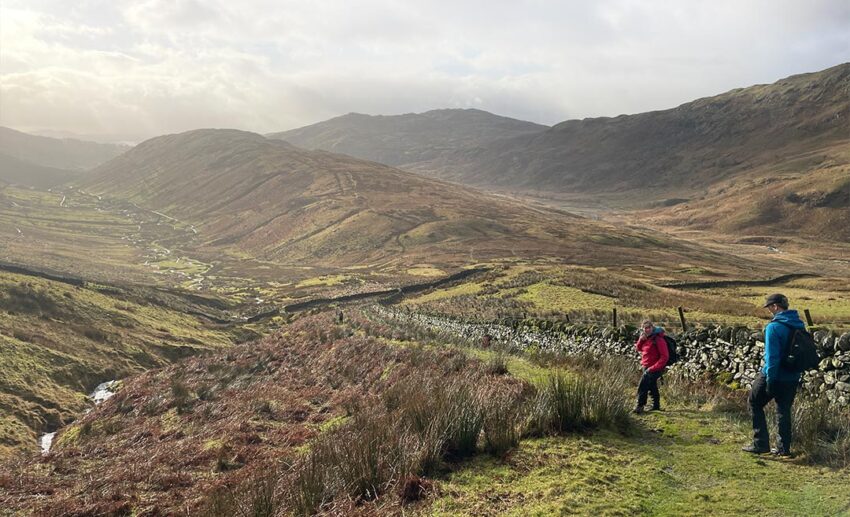
Meandering along the paths with my companions; in the UK, a long walk is practically a love language. 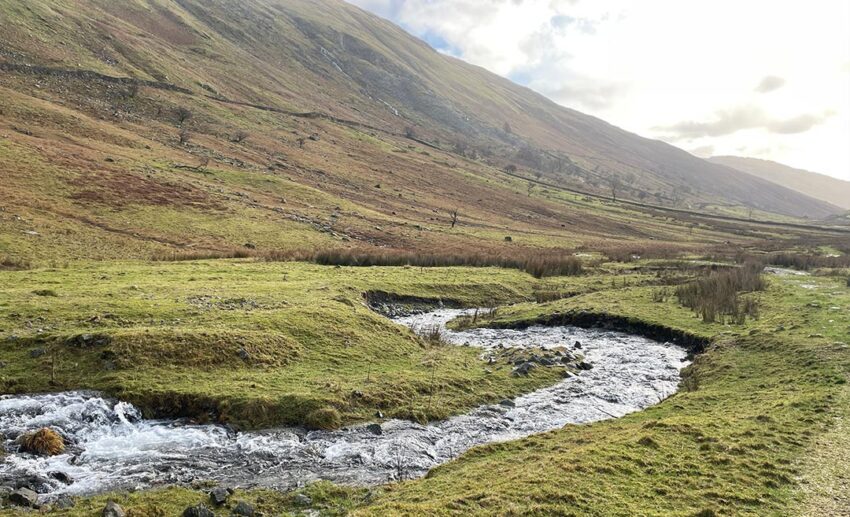
One of the many hidden corners where the water is clear and the temperature is just right for a mid-hike pause.
To me, going for walks feels deeply ingrained in British culture. With my UK family, we spend time meandering along coastal paths and rivers to celebrate special days like Christmas. Maybe it’s because it’s a nation of dog lovers, or maybe because the UK offers stunning scenery paired with accessible walking paths.
It’s no wonder locals flock to the Lake District for walking and hiking. There are hundreds of routes to choose from, from gentle valley walks to wind-swept mountain peaks.
If you’re searching for a route, the National Trust website provides detailed walking guides, including trails past waterfalls, lakeshores, mountains, and old quarries. Hiking in a UK summer is far more comfortable than in southern Europe, helping you stay active while beating the heat.
Explore the terrain by bike
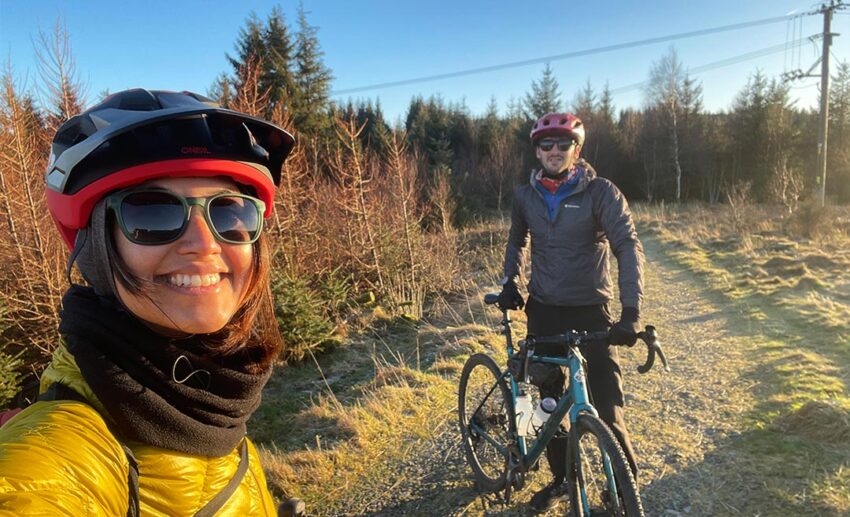
A quick pit stop during our ride—slowing down on two wheels lets you catch the details you’d miss from a car window. 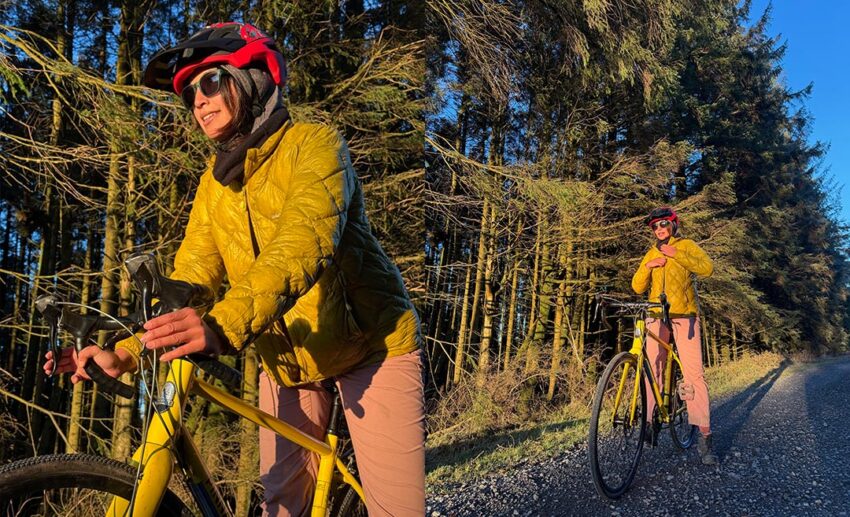
Layers are essential here. Even in summer, the forest paths can be cool enough for a puffer jacket, keeping the heatwaves a distant memory.
If walking isn’t your thing, cycling is another wonderful way to explore the national park. Unlike travelling by car, you get to slow down and notice the details. On my ride, I spotted a barn owl soaring overhead!
I brought my gravel bike and cycled along Lake Windermere before speeding along forest paths in Grizedale Forest.
If you don’t have your own bike, there are plenty of rental shops. Hawkshead Bike Hire rents out mountain bikes and e-bikes. E-bikes are a great choice for less strenuous rides or multi-generational trips. The Lake District National Park website also shares recommended cycling routes.
Enjoy a cosy day in Ambleside
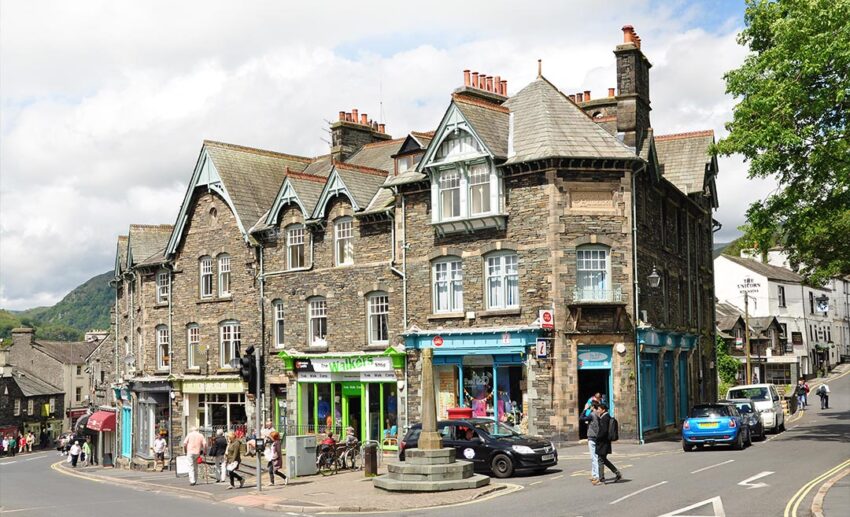
Ambleside is a charming Lake District town perfect for a lazy or rainy day. Sitting on the northern tip of Lake Windermere, it was once a centre for the medieval wool trade.
Today, the Victorian slate town is filled with cosy brunch spots, cafes, and outdoor gear shops.
Ambleside is also home to The Armitt Museum, which tells the town’s story through curious and unusual artefacts. The museum features an exhibition on Beatrix Potter, the author of The Tale of Peter Rabbit and other beloved children’s books.
You can also end the day at Zeffirellis, the town’s famous independent cinema.
Cool down with a wild swim
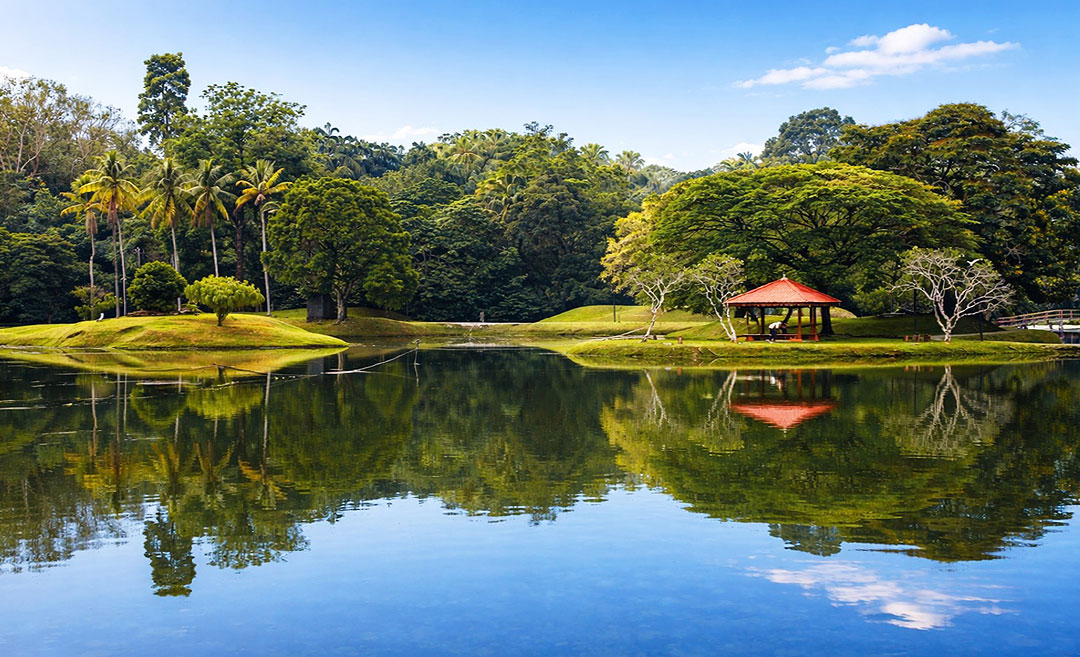
Why not enjoy the destination for the lakes it’s named after?
In the UK, “wild swimming” refers to swimming in natural bodies of water, and it has become one of the country’s most beloved summer pastimes. Across the Lake District, you’ll find countless spots to slip into cool, clear water after a long walk or cycle.
Some lakes are motorboat-free, making them especially peaceful for swimmers. Early mornings and long summer evenings are particularly magical when the water is calm, and the fells glow in soft light.
If full swimming feels daunting, many visitors start with a simple paddle or lakeside picnic before building confidence. Popular areas around Windermere, Coniston Water and Buttermere provide easy access points and beautiful views.
For a safe swim, wear a wetsuit, use a marker buoy, check conditions before entering the water, and always swim with a buddy.
You can choose which lake to swim at on the Lake District website.
With European summers growing hotter each year, a quaint and outdoorsy escape in the Lake District National Park feels more appealing than ever. It can make for the perfect family holiday or solo soul-searching retreat.
Zafigo Pro Tips: Your first Lake District “coolcation”
If you are planning your first journey to the fells, here is how to navigate the logistics and find your feet in England’s rural heart:
Getting there: While the Lakes feel remote, they are accessible from London or Manchester via the West Coast Main Line. Take the train to Oxenholme Lake District, then hop on the local Lakes Line branch train to Windermere. This is the most central entry point.
From Windermere, the 555 bus is a legendary slow travel route that winds through Ambleside and Grasmere, offering some of the best views in the country for just a few pounds.
Accommodation strategies: For a first-timer, Ambleside or Keswick provides the best balance of amenities and trail access. If you want a more empowered solo retreat, look for Shepherd’s Huts or glamping pods in Langdale. They offer privacy and a direct connection to nature without the fuss of traditional camping.
The kit essentials: Lake District weather is famously fickle. Even in a cool summer, you can experience four seasons in one hour. Always pack a lightweight waterproof shell and wicking base layers. Avoid denim for hiking; once wet, it stays cold and heavy.
Mastering the right to roam: The UK has unique Public Rights of Way. Download the OS Maps app before you arrive. It allows you to see every public footpath across the fells, ensuring you stay on the trail while exploring the UNESCO landscape confidently.
Timing your swims: If you’re trying wild swimming for the first time, head to Miller Ground on Lake Windermere or Crummock Water. These spots have shallow, accessible entries.
All photos are by and courtesy of the writer, Sofia Shamsunahar, unless otherwise stated.

.jpg)