Family travel changes quietly as we grow older. The destinations may stay familiar, but the journey feels different once we stop being looked after and begin looking after everyone else.
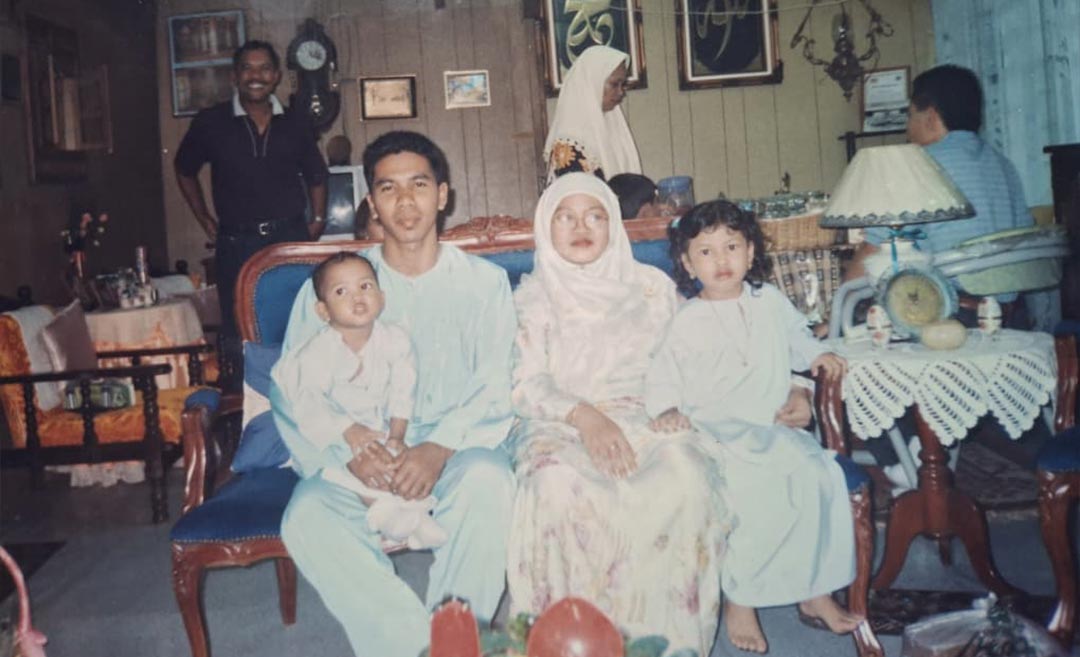
Growing up, my family’s trips were usually interstate road trips, hometown visits, or the occasional weekend getaway a few hours’ drive from home. They were simple holidays, but memorable all the same. I’m almost certain I could pick out any holiday photo from our family albums—physical or digital—and remember at least one story behind it. Any picture from our Langkawi trip when I was 16, for example, instantly reminds me of the monkey that snatched a water bottle from my sister’s hands as we walked along the sands of Beras Basah Island. Unfortunate? Yes. Memorable? Absolutely.
Despite the simplicity of our family trips, they always reflected our individual interests, whether it was a visit to the zoo to indulge my love of animals or a Cameron Highlands holiday inspired by my mum’s fondness for strawberries. As children, every destination feels enormous, making it easy to overlook the effort behind getting there. Looking back, I barely remember the routes my dad took or the logistics involved. What I do remember is how effortless family travel always seemed.
Before the shift
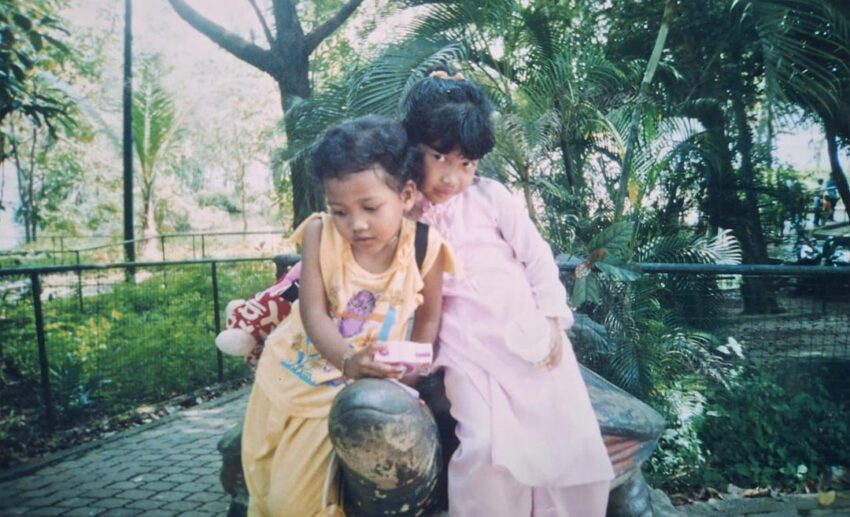
As a child, travelling felt like a simple magic trick. It seemed completely seamless and disappeared almost as quickly as it began. The bags somehow found their way into the car before sunrise. Hotel rooms and entrances to attractions were always just waiting for us to waltz into. I can almost weep when I recall how easy mealtimes were too. The food would arrive just as the hunger kicked in each time. If something went wrong, I rarely knew about it. To my older sister and me, holidays simply happened.
As I got old enough to know better, I eventually realised none of this was effortless. It was because our parents made them feel that way. I was never really a picky eater, but my sister still is. The fact that the right meal for her was always available no matter the place we were eating at really set a certain expectation for what kind of effort our parents went into making our trips enjoyable back then – even if said effort allegedly involved giving a light warning to the waiter about having to send the food back to the kitchen if there were any veggies at all in my sister’s meal. Whoops.
Taking over the role
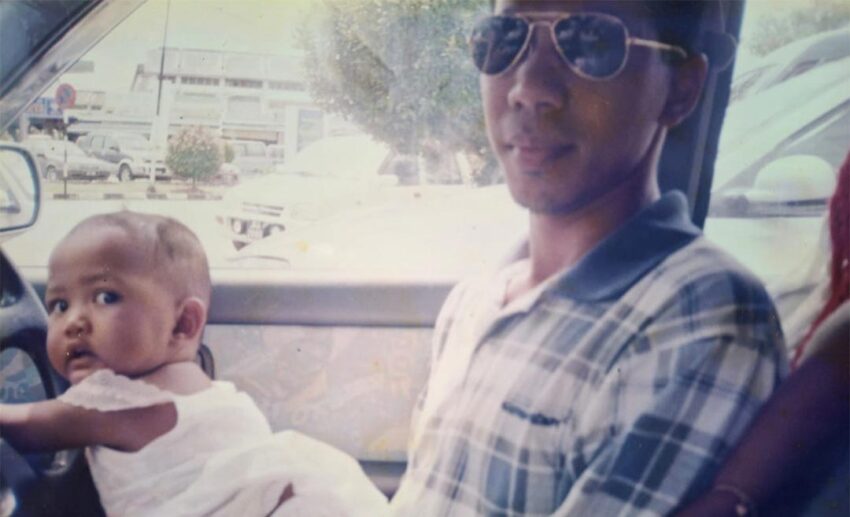
The transition wasn’t marked by any spectacular moment in particular. Neither of my parents sat me down to declare that I was now in charge of family trips. Rather, it happened by degrees. At first, my parents would ask me to look up a hotel because my phone had more storage to download all the right applications to make the bookings. Then, they started asking what things we could do at a certain destination. My sister would feed one or two suggestions, which we would talk through. Before I knew it, I found myself comparing accommodation prices, planning itineraries, checking traffic conditions on Waze, and making necessary reservations just as soon as my parents announced a destination we would be going to next. As startling as the realisation was, when the shift clicked in my mind, it all felt quite natural.
Learning the art of noticing

The shifting responsibility also means there is a greater sense of awareness when it comes to observing the intricate dynamics and quirks in the family. This maturity does not necessarily mean that there is a more organised approach to our travel habits. Becoming the default planner for my family, I started paying attention to the little things that matter when travelling with them.
Instead of relying heavily on the number of attractions that could be squeezed into a day, I shape the itinerary loosely around energy and mood levels my family would have in an entire day. If getting to the destination itself had taken us on a long drive, an easier morning after is in order so as not to stress over having everybody up too early after a tiring trip.
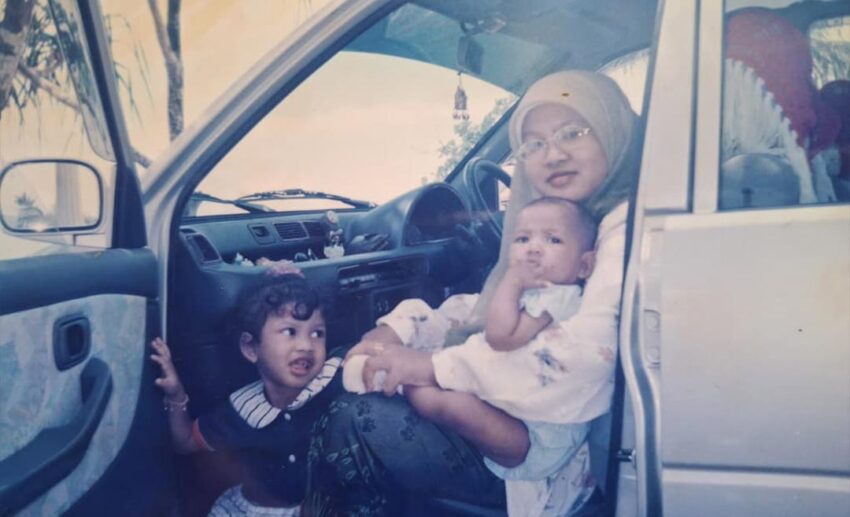
The same consideration is taken into booking accommodations. While having cheaper accommodation sounds kinder on the travel budget, it is worth way more to consider booking based on features we value in a stay, such as lift access, ironing facilities, and a kitchenette. I also started checking for nearby mini-marts and eateries just in case we get too tired to travel far to eat at any time during the trip. The art of noticing matters in this switch of responsibility because it also comes with physical changes in the family.
Where family travel in my early years saw everybody in the most active shape, my parents have grown older since; hence, they may not be as agile to pull off the same intensity our travel might have had back then. I now notice how long my parents have been walking, whether there are too many stairs to climb, and if there are benches around to take little breaks on. Years ago, they planned trips around what kept my sister and me entertained. Now, I find myself planning them around what keeps them comfortable, all while being equally entertained.
The quiet responsibility of care
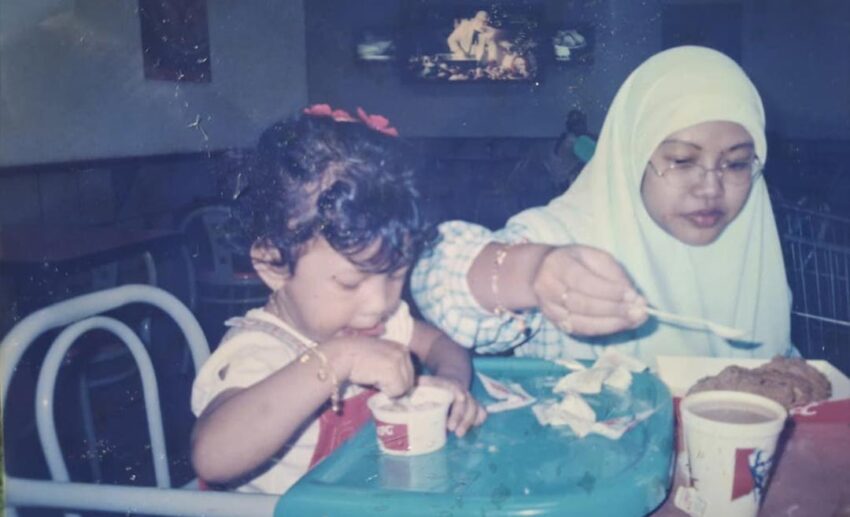
As a child, responsibility meant finishing my homework every single night and handing over any memos my school had to my parents. But as I grew, I have learnt that it lies in everything, including family travel. Unlike homework, it does not have a set of rules, and there are no wrong answers. While starting a journey at 9am is ideal and the initial plan, being an hour late is not the be-all and end-all. With family travel, responsibility is not about what goes wrong. It is making sure your family feels looked after when something inevitably does.
On a recent day trip, the weather had looked much gloomier than we anticipated just as we arrived at the destination. Checking the latest forecast absolutely slipped my mind as it was just a casual day trip. Knowing that we were going to be outdoors for the activity, I had taken the liberty to carry an umbrella in my bag and remind my sister to keep her new cap with her just in case it rained. It indeed promptly rained not long after. Despite it, having had the umbrella and cap allowed us to stay around for a bit longer instead of abandoning our plans in haste. While things may not work out perfectly each time, having the knowledge that that is just how life is sheds any burden from the shortcomings.
The quiet shift
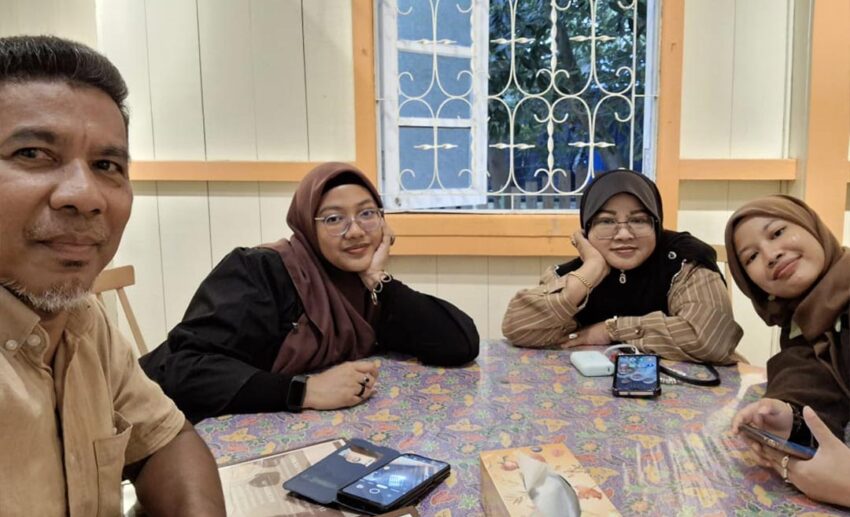
The funny thing about growing up is that no one ever tells you when you have become the responsible one. You just wake up one day and realise you are. There are no special ceremonies or weird initiations. Instead, it shows up in the accommodation you choose with your parents in mind, the restaurants you research in advance, and the little contingencies you prepare for without anyone asking.
If anything, it becomes more meaningful. The memories are always cherished, but now, I also appreciate the invisible effort that makes those moments possible. Looking back, I realise that my parents once carried those responsibilities not just because they had to but also so that my sister and I could simply enjoy the journey. Today, without ever consciously deciding to, I have started carrying some of that weight too. It is not a burden but rather the simple, quiet way travel changes when you become the responsible one.
All photos are courtesy of the writer, Aina’ Imran.