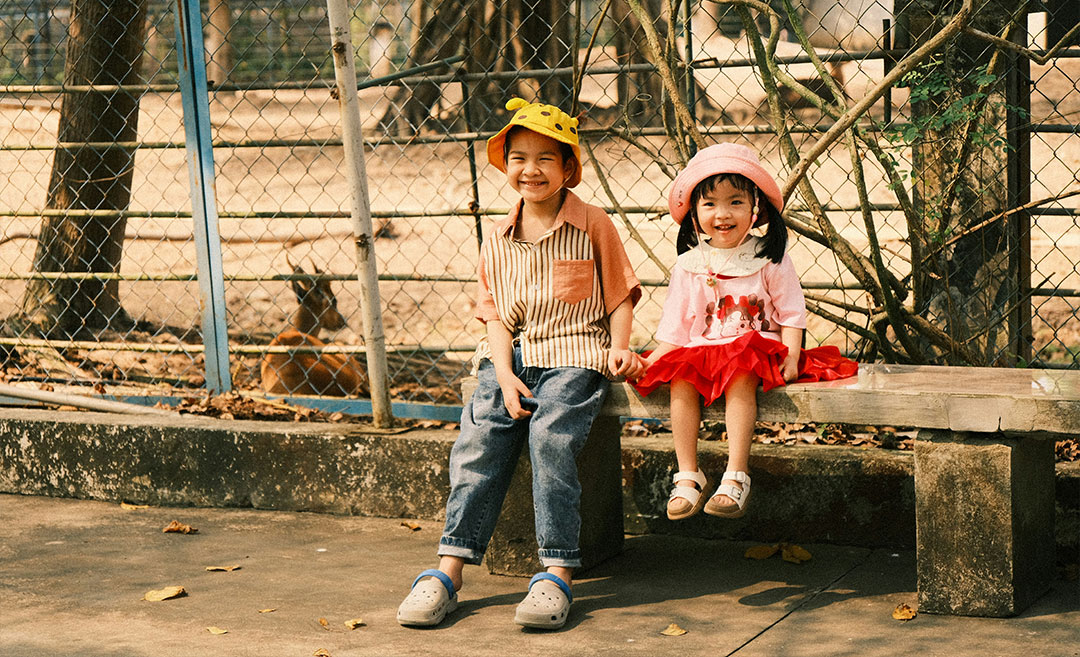
After losing my cousin, a trip to Auckland changed how I understood grief, distance, and emotional presence. (Image by Tho Vo)
My cousin and I were both only children.
We grew up in different cities, but because we were the only kids on our side of the family and closest in age, we naturally gravitated towards each other. Family gatherings meant we’d disappear into our own world while the adults caught up. As we got older, that looked less like playing Xbox games and more like staying up late talking, sharing meals, or exchanging updates on school and life.
The thing I remember most is how easy it always felt.
We never had to rebuild our relationship between visits. Months could pass without seeing each other, but whenever the family came together, it felt as though we’d simply picked up where we left off.
When I moved to KL for college, our lives became even more intertwined. After months of colluding and gently coaxing my parents, we ended up attending the same university. For the first time, we were living in the same city.
It felt like the beginning of something. A chapter I was excited for.
I don’t remember ever considering that it could also be the end.
Barely a year into my first semester, my cousin died in a road accident.
Even now, almost a decade later, that sentence feels strangely abrupt. Maybe because that’s how it happened. One moment, he existed in all the ordinary ways people do. The next, he didn’t.

There was no gradual goodbye. No preparation. No chance to make peace with the possibility.
Just a phone call that split life into a before and an after.
In the weeks that followed, everyone mourned differently.
Some talked about him constantly. Others avoided mentioning him altogether. Family gatherings became quieter. Certain topics became taboo and disappeared from conversation. His name would surface unexpectedly, followed by a silence that seemed to stretch for too long.
I don’t remember much from that period apart from feeling exhausted.
Not physically. Emotionally.
Grief sat in the background of everything.
I was still attending classes. Still meeting friends. Still doing all the things that suggested life was continuing. But internally, it felt as though I had stopped moving.
What surprised me most was how grief attached itself to places.
KL had once felt exciting. It was where I’d become more independent, where I’d made friends, where I’d started building my own life away from home.

Now it felt different.
There was no dramatic reason for it. It wasn’t that every street held a memory of him. But we had shared this city. We had occupied the same spaces during the same years. The knowledge of that seemed to follow me everywhere.
Months after the accident, my then-college boyfriend suggested I visit his hometown. He was from Auckland and planned to spend some time back home. One evening, he casually asked if I wanted to come along.
I said yes almost immediately.
The speed of my answer surprised me.
For the first time in months, I had responded to something without overthinking it.
Then came the guilt.
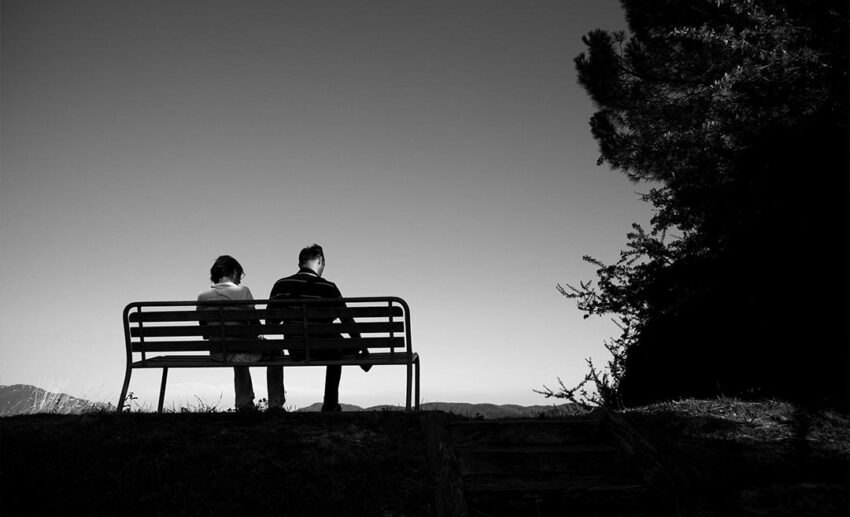
My family was still grieving.
My aunt and uncle were learning how to navigate a world without their only child. Family meet-ups still carried an undercurrent of sadness.
Nothing had returned to normal because there was no normal to return to.
And here I was, agreeing to leave.
Part of me wondered if it was selfish.
Shouldn’t I stay? My parents definitely wanted me to, at first.
Shouldn’t grief require my physical presence? Shouldn’t I be close to family during a time like this?
The questions followed me all the way to the airport.
What I couldn’t articulate then was that I wasn’t leaving because I wanted to escape my grief.
I was leaving because I didn’t know how to exist inside it anymore.

Auckland wasn’t some transformative revelation.
There was no cinematic moment where I stood on a beach and suddenly felt healed.
Most days were ordinary.
I slept in. I walked around unfamiliar neighbourhoods. I followed my boyfriend around the city. We visited parks. We spent time with his family. We drove to places whose names I can barely remember now.
Nothing extraordinary happened. And yet, something changed.
For the first time since the accident, I was somewhere that held no memory of my cousin.
No one around me knew what had happened unless I told them. No one looked at me with the shared understanding of loss. No familiar location carried emotional weight.
The grief came with me, but it no longer felt amplified by my surroundings.
I didn’t stop missing him. I didn’t stop thinking about him. I didn’t suddenly become okay.
But I realised there was a difference between carrying grief and being surrounded by it.

Distance created space.
Not distance from my cousin, or from what happened, but from the constant reminders that had become woven into my daily life.
For a while, I felt guilty for appreciating that space.
It seemed wrong to enjoy anything while people I loved were suffering.
But grief isn’t a competition, and it isn’t a test of endurance.
Leaving didn’t mean I loved him less.
It didn’t mean I was moving on. It didn’t mean I had forgotten.
If anything, it allowed me to return home more capable of being present.
Before that trip, I thought grief demanded stillness. That honouring someone’s memory meant remaining close to the places and people connected to them.

What I eventually learned was that grief doesn’t stay in one place.
It travels with you.
Across cities. Across countries. Across oceans.
You don’t leave it behind when you board a plane.
But sometimes, changing your surroundings changes the shape of the grief you’re carrying.
Sometimes it becomes lighter.
Sometimes it becomes quieter.
Sometimes it simply becomes easier to hold.
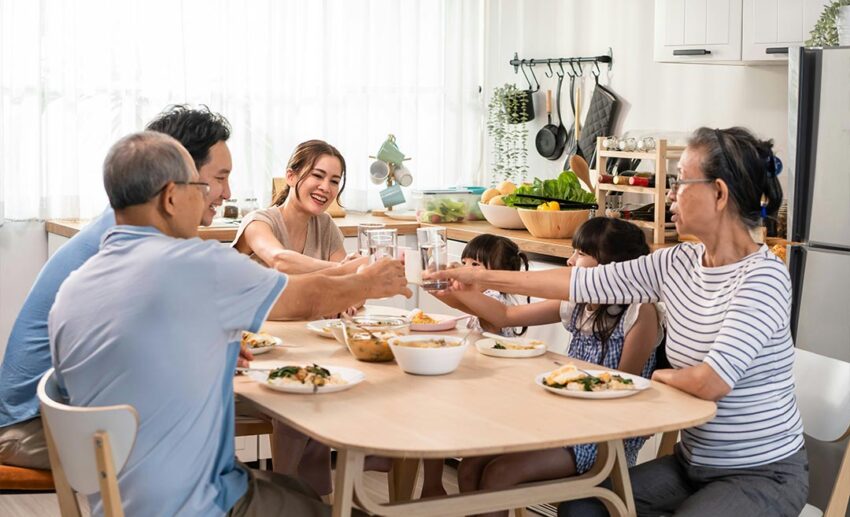
I still think about my cousin whenever our family gathers.
There’s still a space where he should be. There always will be.
But something about returning from Auckland changed how I was able to exist inside that absence.
I didn’t come back healed. There was no clean shift where grief stopped feeling sharp or where the weight of it suddenly made sense. That part didn’t change, and I don’t think it was supposed to.
What did change was my capacity to be present around it.
Before I left, I think I was quietly avoiding my aunt and uncle in the only ways I knew how. Not physically avoiding them, but emotionally stepping back because I didn’t know how to sit in their grief without breaking under it. I didn’t have anything to offer them except the same silence I was already living in.
When I returned, that shifted in small, almost unnoticeable ways.
I could sit longer at the table without needing to escape the conversation. I could listen without feeling like I had to fix anything. I stopped treating their sadness as something I needed to respond to correctly. It was just there, and I could stay with it.
I also stopped feeling like my own grief had to look a certain way to be valid.
In Auckland, life had continued in ordinary patterns — meals, walks, small routines — and I realised that continuity didn’t mean forgetting. It just meant time was still moving, even when something inside you wasn’t ready to.
Bringing that understanding back home didn’t erase anything. It didn’t make the house feel lighter or the absence smaller.
But it made it possible to be in the same room with it without withdrawing completely.
I think that was the most important thing.
Not closure. Not acceptance in the neat, final sense people like to talk about.
Just presence.
The ability to stay.
Even when nothing feels resolved. Even when someone is still missing. Even when life continues anyway.
Editor’s Note: The writer has chosen to remain anonymous for this story. While some identifying details have been omitted to protect her privacy, the experiences and reflections shared here are true to her journey.