Here’s the first thing that surprised me about Incheon: it is not just “where the airport is.”
Like many travellers, I had previously thought of Incheon as little more than a transit point attached to Incheon International Airport before rushing off to Seoul. But after spending a week there in May, right as spring slowly gave way to early summer, I realised the city moves to an entirely different rhythm from Seoul.
Seoul is fast, dense, and constantly demanding your attention. Incheon, meanwhile, feels more spacious and grounded. There are long coastal parks, quieter residential districts, huge outlet malls, and entire stretches where you can walk or run beside the sea with barely any crowds around you.
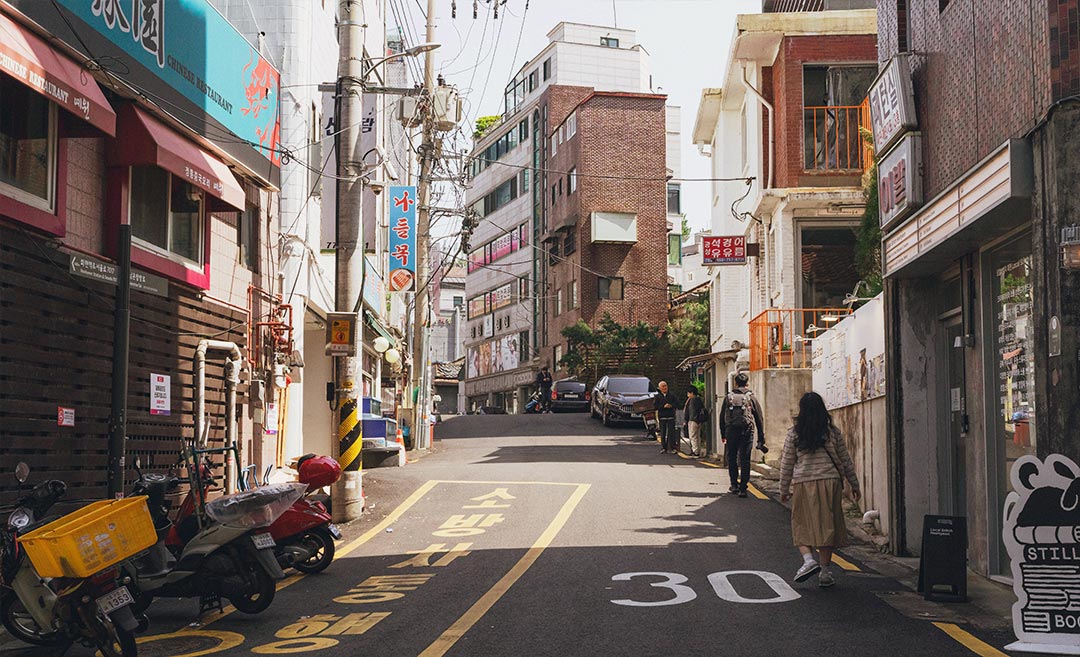
It also feels distinctly more local in parts. Less curated. Less “travel content creator goes to Korea.” And that became part of the charm.
If you’re heading to South Korea and thinking of stopping in Incheon for a short trip, here are a few things to know beforehand, especially as a Southeast Asian woman traveller navigating weather changes, transport systems, food options, and the surprisingly vast geography of the city itself.
1. Incheon looks compact on paper, but it absolutely isn’t
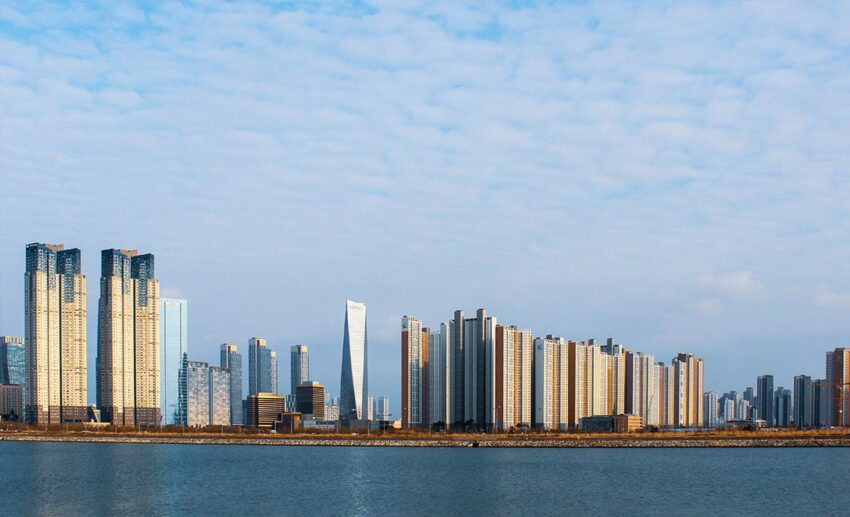
One of the easiest mistakes to make is assuming Incheon functions like a compact airport district attached to Seoul. It does not.
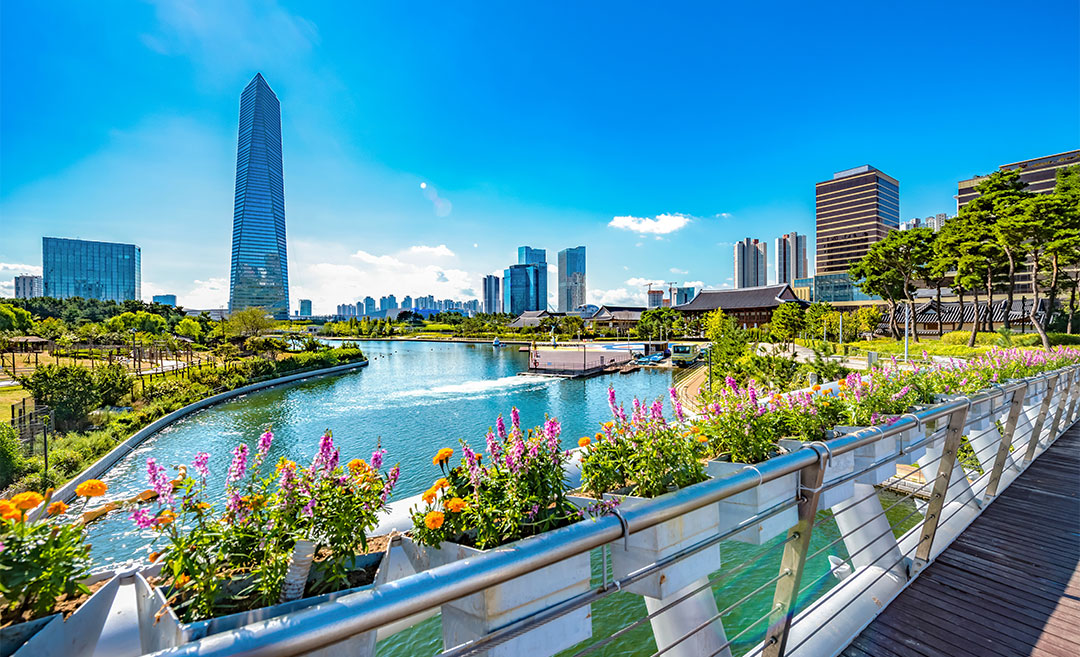
The city stretches across mainland districts, reclaimed coastal areas, islands, business zones, and newer developments like the Songdo International Business District. Some parts feel ultra-modern and glassy. Others feel older, quieter, and deeply residential.
Distances can be deceptive, too. You might see somewhere listed as “Incheon”, but still spend close to an hour getting there, depending on transfers. The airport itself is also located on Yeongjong Island, meaning airport access and city access are technically two separate things.
Compared to Seoul, Incheon feels more horizontal than vertical. Less compressed. More breathing room.
After a few days in Seoul’s intensity, I appreciated that immensely in hindsight.
2. It is noticeably chillier than Seoul
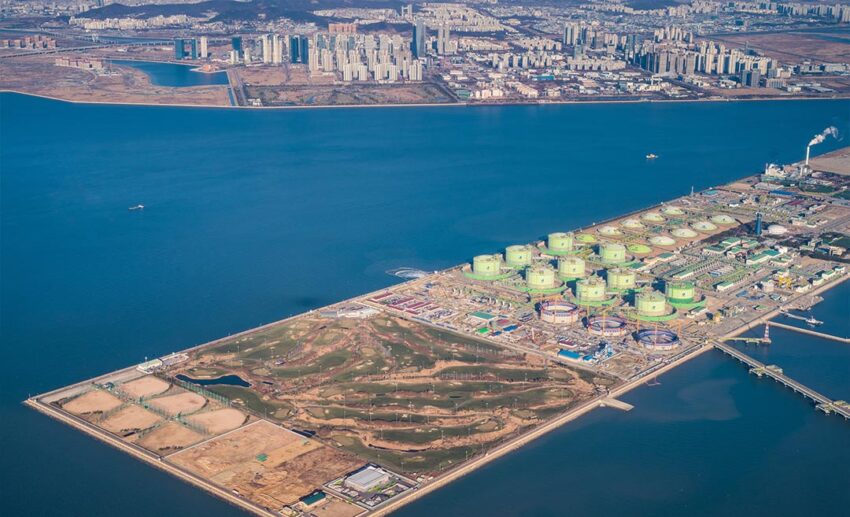
Even during May, when temperatures were warming up across Korea, Incheon consistently felt cooler and windier than Seoul, especially in the mornings and evenings.
The reason is largely geographical. Incheon sits directly along the coast facing the Yellow Sea, so it gets stronger sea winds and maritime cooling effects that Seoul, which sits further inland, does not experience quite as intensely.
Songdo in particular can feel extremely windy because of its wide-open urban planning and proximity to the waterfront. There were days when I needed a thicker outer layer despite the temperature showing warmer numbers on the same day.
If you’re visiting during transitional seasons like spring-to-summer or autumn, layering becomes very important.
For women travellers like me who are coming from Southeast Asia especially, Korea’s mild temperatures can still feel deceptively cold once the wind starts cutting through coastal areas.
A light windbreaker, thin knitwear, and a comfortable running jacket and leggings with a fleece lining ended up being far more useful than I expected.
3. Incheon is relatively young, but its history matters more than people realise
Incheon does not have the ancient historical identity that cities like Gyeongju or even Seoul carry so visibly.
Modern Incheon largely grew alongside Korea’s rapid industrialisation, port expansion, and eventually the development of the international airport. Much of what travellers now associate with the city – Songdo’s futuristic skyline, large residential zones, massive transport links – is relatively recent.
But historically, Incheon played an enormous role in Korea’s opening to the world.
Its port became one of Korea’s first international gateways in the late 19th century, and the city later became internationally known for the Battle of Inchon during the Korean War.
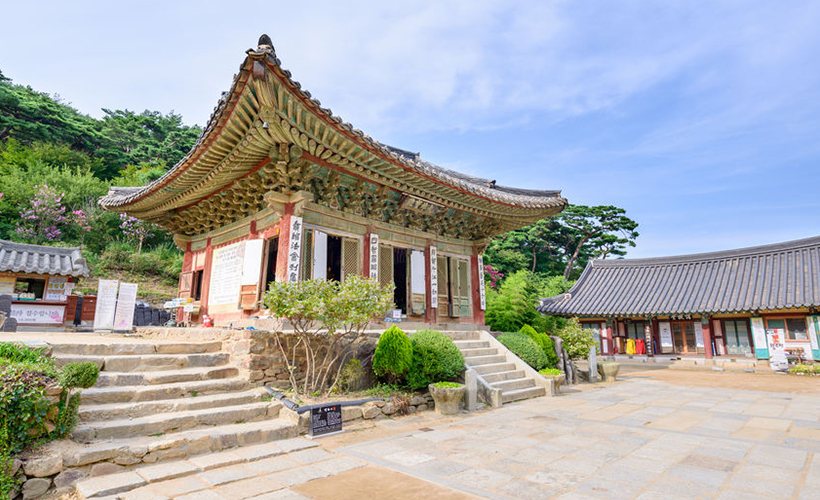
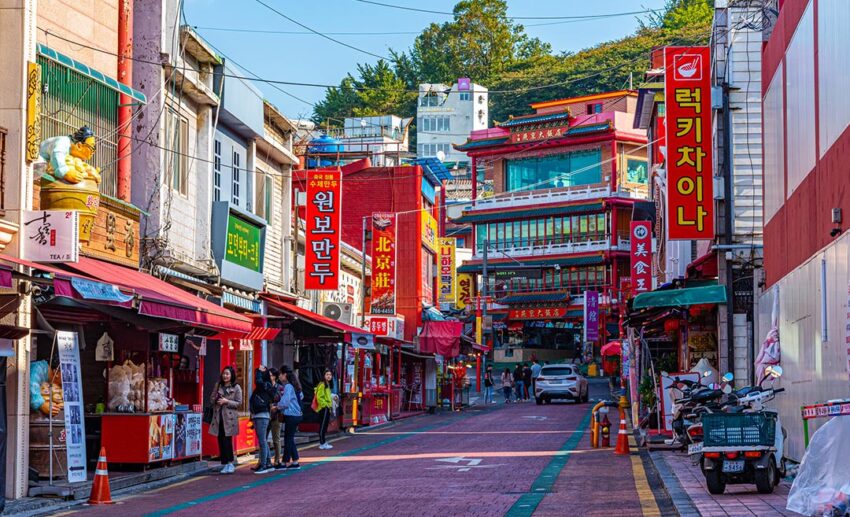
Today, you still see traces of this layered identity through places like Incheon Chinatown, older harbour districts, and Japanese colonial-era architecture mixed between newer developments. It feels like a city still actively becoming itself.
4. The train and bus systems are excellent (once you understand how Incheon connects to Seoul)
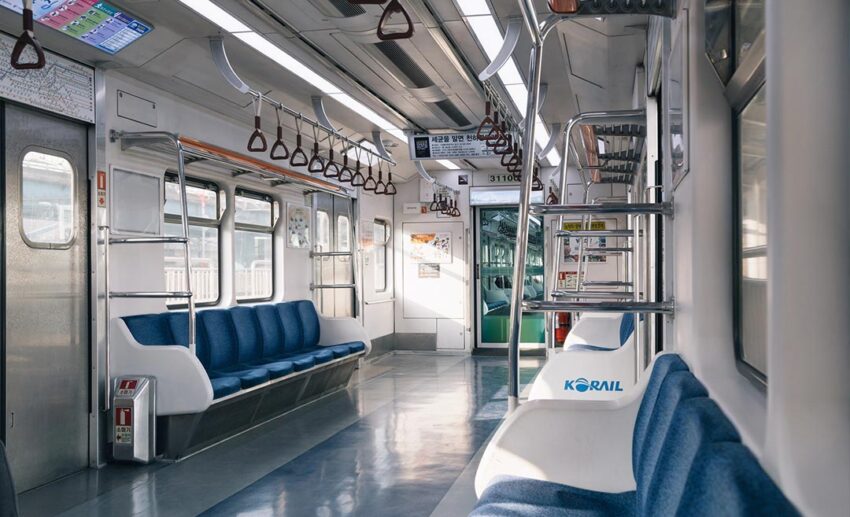
Korea’s public transport system deserves every bit of praise it gets.
The trains are clean, efficient, punctual, and significantly easier to navigate than many first-time visitors fear. But Incheon requires slightly more planning because the city links airport rail lines, Seoul metro connections, and regional routes.
The AREX train becomes your best friend very quickly. The all-stop trains are cheaper and connect you between the airport and Seoul via multiple stations, while the express version is faster if you’re travelling directly into central Seoul.
Within Incheon itself, buses are surprisingly useful once you get comfortable with navigation apps. A few practical things that helped enormously:
- Buy a T-money card immediately at the airport convenience stores
- Download both Naver Map and KakaoMap because Google Maps functionality in Korea remains limited
- Allow extra commuting time compared to Seoul because transfers can be longer than expected
- Last train timings matter more than you think, especially outside Seoul
One thing I appreciated as a woman traveller was how safe public transport felt overall, even later at night. Stations are well-lit, heavily used, and generally orderly.
That said, avoid exhausting yourself by overpacking your itinerary. Korea’s transport is efficient, but the amount of walking involved can be surprisingly intense.
5. Incheon is the birthplace of jajangmyeon, and yes, you should absolutely eat it there
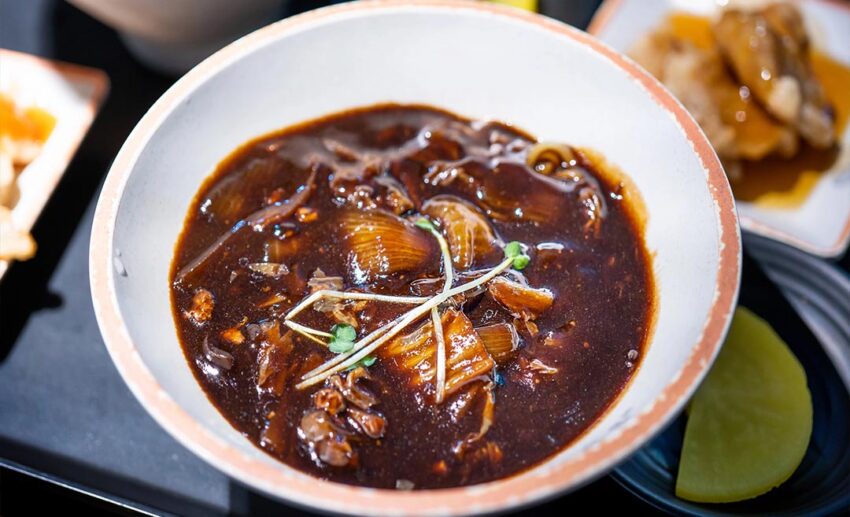
This is important cultural information. Jajangmyeon, the iconic black bean noodles many international travellers associate with Korean dramas, traces its origins back to Incheon’s Chinatown.
The dish evolved from Chinese immigrant communities that settled around the port area, eventually becoming one of Korea’s most beloved comfort foods.
Because of this, eating jajangmyeon in Incheon just feels correct.
Another important thing to note: I was travelling with a Muslim friend, and one challenge we encountered was finding halal Korean food.
Compared to Seoul, halal-friendly Korean cuisine felt noticeably harder to find during my trip, particularly if you were looking for traditional dishes rather than kebabs or generic international food.
There are still halal options around, especially near tourist-heavy areas and the airport, but they require significantly more planning and research.
So for Muslim travellers, especially:
- Save halal restaurant lists beforehand
- Check operating hours carefully
- Keep convenience store backup meals in mind
- Be mentally prepared for days when Korean cuisine options may feel limited
Ironically, the convenience stores became lifesavers.
6. Korean convenience stores become part of your daily survival system
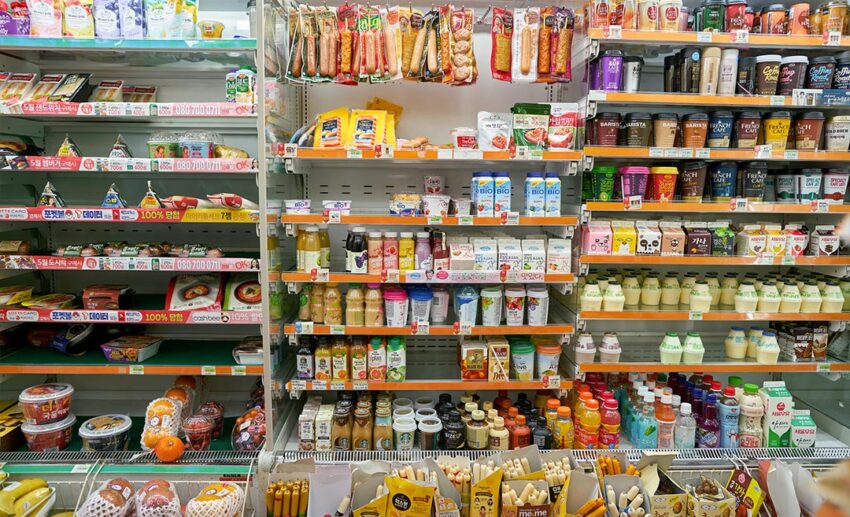
I say this with complete sincerity: Korean convenience stores are one of the best parts of travelling there. There was one in the lobby of the hotel I stayed at, and it quickly became my most frequented spot (at least 3 times a day!)
CU, GS25, and Family Mart are everywhere, and after a while, they stop being convenience stores and start becoming logistical support systems.
Some of my repeat purchases included:
- protein drinks
- vitamins
- magnesium and sleep supplements
- Flavoured milks (the banana uyu is a must-have)
- Fresh vegetables for an easy salad side dish on nights I was staying in
- Cheese and sweet potato snack sticks
Korean convenience stores also cater surprisingly well to solo travellers. Small portions, quick meals, decent seating areas, and self-heating food options make them genuinely practical.
As a woman travelling alone or semi-independently, there is also something comforting about always having a brightly lit convenience store nearby late at night.
7. Getting from the airport is easier than expected, but choose based on your luggage and energy levels
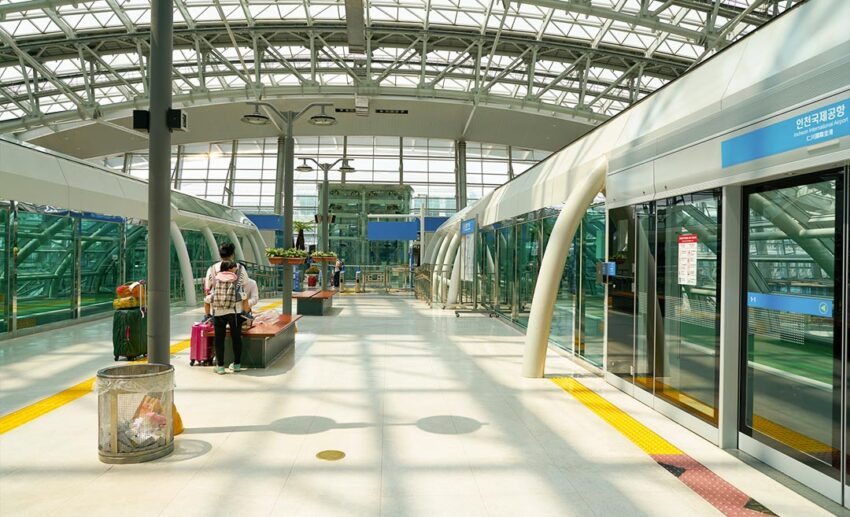
After a long-haul flight, your airport transfer choice matters more than people admit.
If you are staying somewhere connected directly to train lines and travelling relatively light, the AREX train is excellent. It is affordable, efficient, and avoids traffic entirely.
But if:
- you are carrying multiple suitcases,
- arriving late,
- travelling with family,
- or staying somewhere involving complicated transfers,
then booking a hired car suddenly becomes very reasonable.
Korean train stations often involve more walking, stairs, escalators, and underground navigation than travellers anticipate. After overnight flights, that can feel brutal.
For women travelling with elderly parents, children, or substantial shopping luggage, I genuinely think private transfers are worth considering despite the higher cost.
Especially after a red-eye flight, where your patience levels are already spiritually compromised.
8. Hyundai Premium Outlet is dangerous in the best possible way
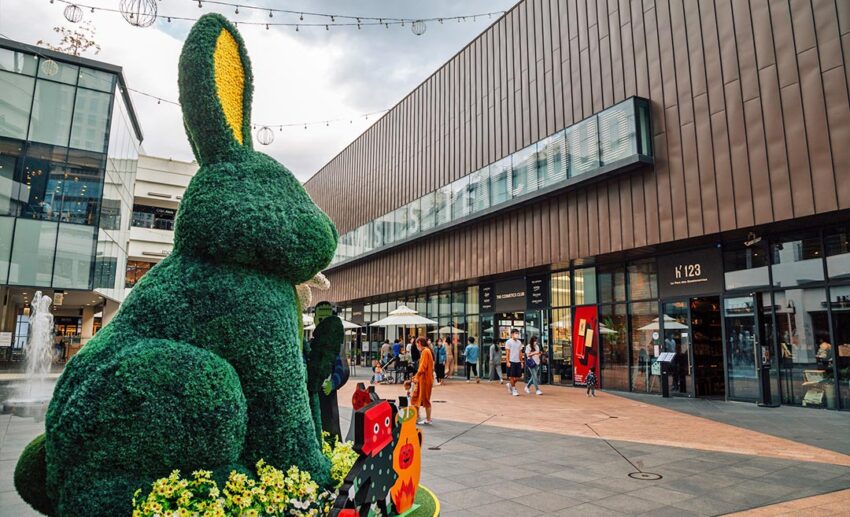
Hyundai Premium Outlet Songdo became one of those places where I casually intended to “look around for an hour” and somehow emerged much later carrying shopping bags and emotionally negotiating with my credit card.
The outlet culture in Korea is genuinely excellent. You get Korean brands, international labels, sportswear, beauty products, and seasonal discounts all under one extremely efficient roof. The Songdo outlet in particular is spacious, comfortable, and significantly less chaotic than some Seoul shopping districts.
What I appreciated most:
- cleaner layouts
- more seating areas
- easier navigation
- less crowd fatigue
- better pace for slower shopping days
If you’re balancing sightseeing with recovery days during your trip, this becomes an easy half-day activity.
Also: Korean activewear shopping is deeply dangerous if you enjoy running or gym culture. You have been warned.
9. Incheon makes an excellent base for slower, easy day trips
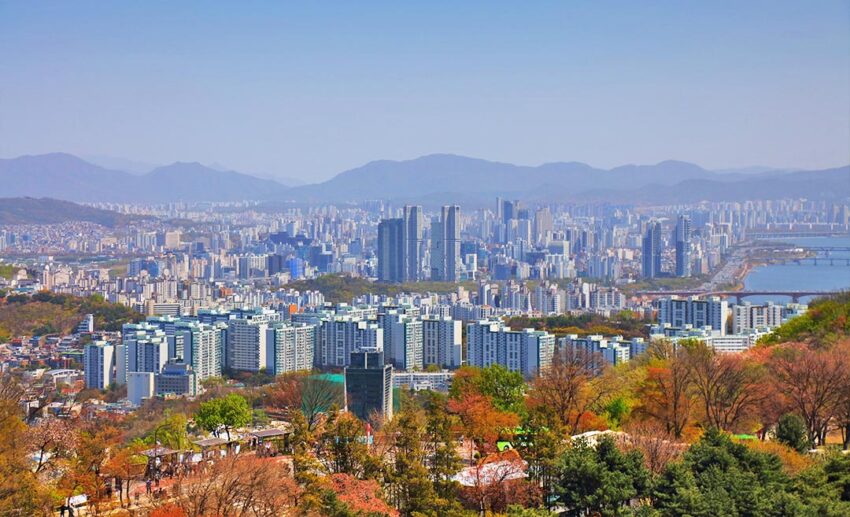
One of Incheon’s biggest advantages is how well-positioned it is for regional exploration without forcing you to constantly change hotels.
Most travellers immediately think of Seoul. Yes, neighbourhood-hopping between places like Seongsu-dong, Ikseon-dong, or Mangwon-dong is extremely doable from Incheon, but there is actually plenty to explore closer to the city itself, too.
Wolmido makes for an easy half-day outing if you want old-school seaside energy: boardwalks, casual seafood spots, ocean views, and that slightly nostalgic Korean coastal atmosphere that feels very different from Seoul.
If you want something calmer, the parks and walking routes around Songdo International Business District are excellent for slower travel days when you do not necessarily want a packed itinerary. Think waterfront walks, cafes, picnic spaces, and modern architecture that almost feels slightly futuristic at times.
For something more local and food-focused, Incheon Chinatown and nearby Songwol-dong Fairy Tale Village are easy to pair together for an afternoon. Yes, the fairy tale village leans touristy, but it is still fun in a very unapologetically colourful way.
If you have more time, the ferry-linked islands around Incheon become part of the appeal too. Places like Muuido Island and Ganghwa Island offer a very different side of Korea, with quieter coastlines, seafood restaurants, and mountain views that feel far removed from the capital.
And then of course, there are the practical-but-dangerous day trips: shopping runs to Hyundai Premium Outlet Songdo or entire Seoul cafe-hopping days that somehow end with skincare purchases from Olive Young you absolutely did not plan for.
10. Incheon is surprisingly good for running
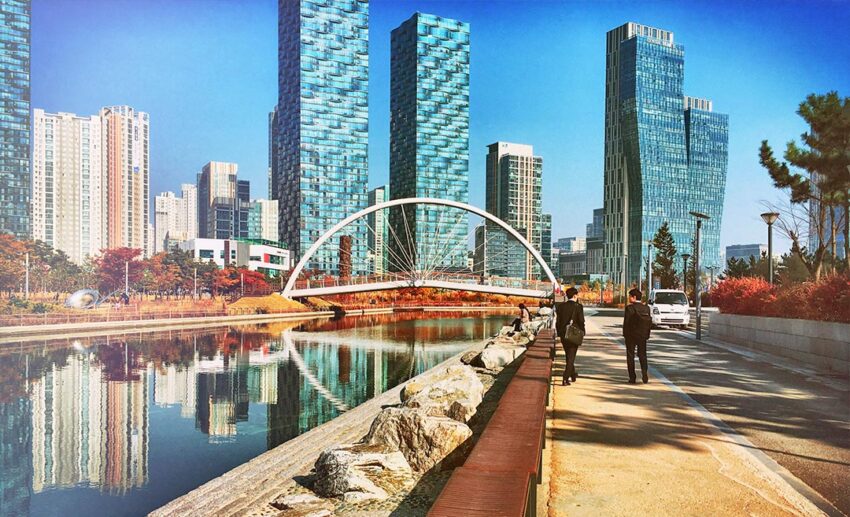
This might genuinely have been one of my favourite parts of the trip.
I was in Incheon after all for a race event, and leading up to it, I Googled and mapped out routes for pre-race shakeout runs. Incheon’s waterfront planning, particularly around Songdo, makes it excellent for casual runs, recovery jogs, and long walks.
There are wide pedestrian paths, coastal promenades, large parks, and enough open space that you rarely feel boxed in. Some of my favourite running areas included:
- Songdo Central Park
- the waterfront paths around Songdo
- Yeongjong Island coastal stretches
- park connectors near residential districts
Morning runs were especially beautiful during May because the weather sat in that perfect transition between crisp spring air and warmer summer mornings.
One thing worth noting for women runners: Korea generally felt very safe for outdoor running, even early in the morning or after sunset in populated areas. Streets are well-lit, people mind their own business, and public spaces remain active fairly late.
That said, the coastal winds are real. If you’re like me, you may spend half your run feeling athletic and the other half negotiating aggressively with headwinds.