Let me set the scene: I am a Malaysian woman in my early forties who willingly left behind 24-hour mamaks, consistent internet speeds (hello, how is slow internet a “first-world country” thing?), and the comforting chaos of Kuala Lumpur traffic to move my family to what Australians cheerfully describe as “the most isolated city in the world.” The brochure did not say that part. The brochure said sunshine and beaches.
What I didn’t expect was how different “quiet” could feel.
Both things are true, to be fair. And as it turns out, living in Perth as a Malaysian family has been moderately complicated, occasionally humbling, and ultimately one of the better decisions we have made as a family.
But there are things I wish someone had sat me down and explained before I arrived with two children, four overpacked suitcases, and a completely unrealistic sense of how far apart everything was.
Consider this that conversation.
1. Perth is much bigger than it looks
The first thing that blindsided me was the scale of it. Perth looks manageable on a map, but it is absolutely not manageable on a map. Suburbs that appear adjacent to each other are separated by distances that would have me crossing three states back home. Sure, slightly dramatic, but I need to set the scene.
Fremantle, Scarborough, and the Swan Valley are all technically “near Perth” in the same way that Ipoh is technically “near KL.” Technically.
Unlike KL, where everything clusters tightly together, Perth spreads itself along the coast. Beautiful, yes. Efficient, no. You cannot simply “quickly drop by” three beaches and a winery in one afternoon unless your definition of “quickly” includes significant car time and snacks for children who suddenly become feral in transit.
The upside is space: everything feels open, with less rush, fewer crowds, and more breathing room. But just don’t try to fight the geography because you will lose.
2. A car is not optional; it is the ENTIRE plan.
Public transport exists and works well if you plan on remaining within the city and surrounding suburbs. The problem is scale. If you want to live in inner suburbs or stick to the CBD and Fremantle, you can manage without a car. But if you want beaches, nature, or anything that looks like a postcard, you will need wheels.
Australians are famously relaxed about distance. “Just 20 minutes away” can mean forty minutes to an hour on a good day and a philosophical journey on a bad one. I learned quickly that Perth driving comes with snacks, water, and emotional preparation. Especially with kids asking every five minutes whether you are “there yet” while you are still clearly nowhere near there.
But honestly? Some of my favourite Perth memories happen in the car. The beautiful coastal drives, sunset runs for takeaway, and long conversations with good music that only happen when everyone is slightly trapped.
3. The outdoor life is not a marketing myth
Before moving here, I assumed the whole “outdoor lifestyle” thing was what cities said when they did not have enough indoor things to do. I was wrong, and I admit this without too much dignity.
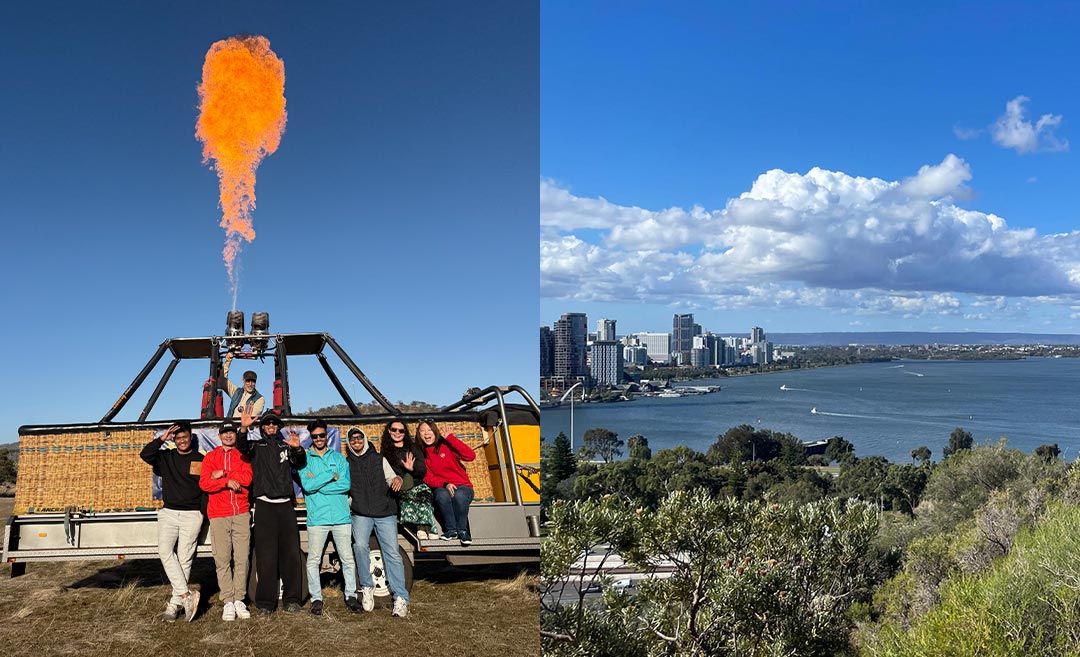
Kings Park is genuinely magnificent. It sits above the city overlooking the Swan River, and it is not a manicured tourist park that locals avoid—actual Perth families go there on weekends, have picnics, let their children tear across the lawns, and generally behave as though they live somewhere unreasonably beautiful.
Then there are the beaches, which are not occasional destinations but part of daily life. Cottesloe is the classic: sunsets, grass terraces, fish and chips, and people who look like they’ve just stepped out of a lifestyle shoot without trying. Scarborough is younger and busier. Trigg and Mullaloo are quieter and more local.
One note of caution that I offer from personal experience: the ocean here is not decorative. The currents can be strong, and the surf at some beaches is serious in a way that requires respect. Always swim between the red and yellow flags where lifeguards are present.
4. The sun is not your friend
Perth gets over 3,000 hours of sunshine a year. When I first read that, I thought: wonderful. I am Malaysian, sunshine is my native habitat, and being from the tropics, I am prepared.
I was not.
Reader, the Australian sun is a different creature entirely. It is intensely UV-rich even on days that feel mild, and it operates with complete indifference to whether you feel like applying sunscreen at 9am on a cool morning in April. The locals wear factor 50 without fail and reapply it like a religion. I have adopted this practice and now have THREE different types of sunscreen for daily wear.
Summers here regularly push above 35°C, though it is a dry heat that is more manageable than the humid weight of a Malaysian afternoon. What the locals do—and what I now do, having been educated by necessity—is structure outdoor time around the temperature. Early mornings and evenings are when the city breathes. The middle of the day in January is best spent somewhere with air conditioning and a cold drink.
The best time to visit is autumn through spring. March to May brings the city into a golden, cooler version of itself while still offering good beach days. September to November is when wildflowers bloom across Western Australia in a way that feels frankly unreasonable — vast stretches of landscape erupting in colour that nobody who has not seen it can quite picture accurately.
If you can time a visit around the wildflower season and get even a short drive out of the city, do it.
5. The coffee will ruin you for everywhere else
I was not prepared for how seriously Western Australia takes its cafe culture. Perth’s coffee scene is excellent in a very unfussy way: there are no theatrics, no elaborate branding, just genuinely good espresso in independent cafés that seem to exist in every neighbourhood regardless of how suburban it appears.
My suburb has three within comfortable walking distance, and this is not unusual.
Cottesloe, Leederville, Subiaco, and Trigg are the neighbourhoods I keep returning to for a slower morning. Brunch here is a whole thing with long menus built around beautiful local produce, great sourdough, and eggs prepared in ways that suggest genuine investment in the outcome. Locals treat a long Saturday breakfast as entirely legitimate scheduling, something to plan around rather than rush through.
I will say this plainly: the cafe culture was the fastest adjustment I made to life in Perth. Everything else took time and is still taking time. The coffee required no adaptation period whatsoever, so for those visiting Perth, you will not be disappointed.
6. Fremantle deserves more than a day
Many guides suggest visiting Fremantle as a quick excursion from Perth. Having spent considerable time there across all seasons, I would argue that Fremantle deserves its own allocation of days, ideally including at least one overnight.
It has a completely different atmosphere from central Perth, as it is more bohemian and more willing to be a little rough around the edges in an appealing way. The Fremantle Markets are genuinely worth your Saturday morning, a warren of fresh produce, street food, handmade goods, and the particular energy of a market that locals actually use rather than one that exists purely for tourism.
The cappuccino strip along South Terrace stays busy through the day and well into the evening. The heritage sandstone architecture, the street art that appears unexpectedly on walls and laneways, the live music drifting out of venues, it’s all part of the charm.
Fremantle Prison is sobering and fascinating in equal measure, offering an unflinching look at Australia’s convict history that deserves more than a quick stop.
7. The day trips are part of the experience
Rottnest Island deserves its reputation. A short ferry ride from Fremantle, and suddenly you are on a car-free island with impossibly turquoise water, cycling paths connecting empty coves, and quokkas — small marsupials with expressions of permanent contentment, though they still resemble large rats. I’d say give yourself a full day at Rottnest, but if time permits, stay a night at any one of the accommodations available.
The Swan Valley is 25 minutes from the city and contains wineries, craft breweries, artisan chocolate shops, and farm produce in quantities that make for an extremely enjoyable day of absolutely no productivity whatsoever. One of Australia’s oldest wine regions, it is well worth a Saturday of moving between stops at your own pace.
Further south, Margaret River is too far for a day trip, but it is worth building a separate journey around. You get wineries, dramatic coastlines, ancient cave systems, towering karri forests, and a general sense that the world is much larger and more beautiful than your daily commute suggests.
8. The food scene is understated but worth paying attention to
Perth does not shout about its dining scene the way Melbourne does. It does not need to. The food here benefits from extraordinary local produce, excellent seafood from the Indian Ocean, a strong Asian culinary influence that reflects Perth’s genuinely multicultural population, and an independent restaurant culture that prioritises quality without making a performance of it.
Northbridge comes alive at night with a range of options from late-night Asian eateries — which are, I will be honest, a genuine comfort to my soul on weeks when I miss the food variety of KL — to modern Australian restaurants with considered menus and cocktail bars that take their craft seriously.
The coastal restaurants at sunset are exactly as good as they sound, and I say that as someone who does not usually describe restaurants in such unguarded terms.
9. Perth nights are quieter — and that is the point
If you are coming from KL, this will take some adjustment because nights in Perth are generally early, quieter and more peaceful. A lot of places close up earlier than you’d be used to in Southeast Asian cities, but if you know where to look, there are still some places in Northbridge for some drinking and dancing.
The key is researching and figuring out what kind of crowd you’d want to be around, as there is something for everyone, whether you are a clubber, a pub-goer, or someone who loves a more post setup like a rooftop restaurant/bar.
Northbridge remains the centre of Perth’s nightlife, but rooftop bars in the CBD, relaxed Fremantle pubs, and coastal sunset venues around Cottesloe offer very different kinds of evenings depending on your mood.
10. What Perth is actually about
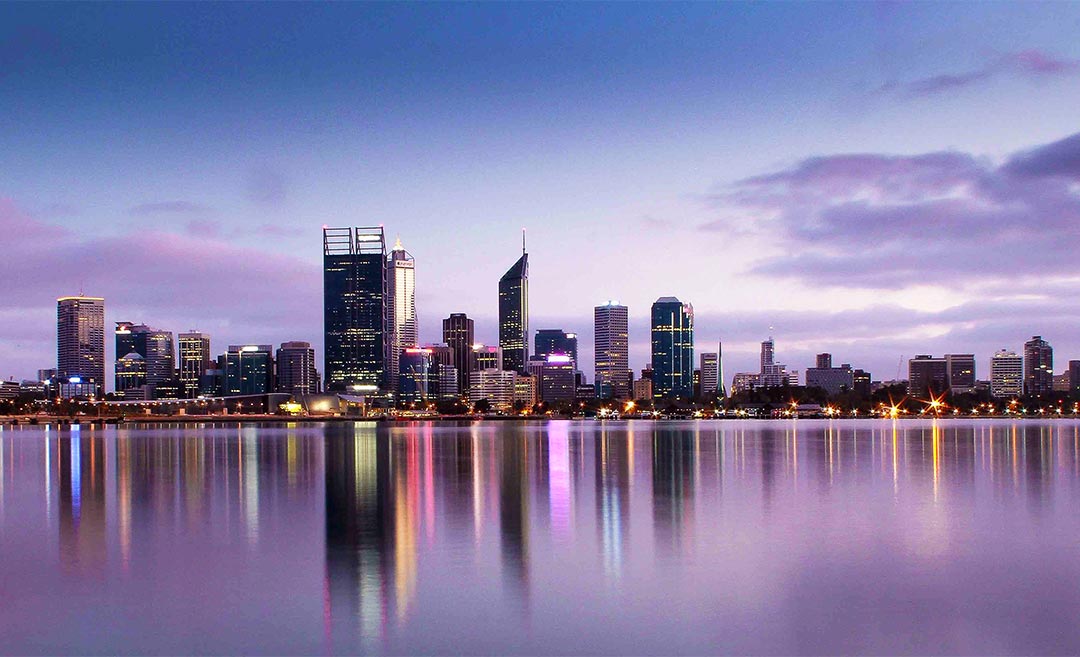
Here is the thing nobody quite says plainly: Perth is not a city built around attractions. It does not have a list of landmarks you need to photograph in order to feel you have visited properly. It is a city built around the particular quality of life that comes from living close to nature, in generous space, at a much more intentional pace.
That took me some time to understand. Coming from KL, where the city is dense and urgent and always doing something, the quietness of Perth initially felt like something was missing. I spent the first few months slightly unsettled by how little the city seemed to demand of me. There was no urgency at all. No traffic moving at the speed of collective anxiety and definitely no 3am nasi lemak when the mood struck.
Whether you’re visiting or moving to Perth, give it more time than you think you need, and it will do the same to you.