
Modern travel planning is causing decision fatigue, changing how travellers choose destinations, book trips, and prioritise ease over complexity. (Image by Vlada Karpovich)
When did planning a trip become this… heavy?
I don’t think it’s just you.
Somewhere between rising travel costs, shifting flight routes, and an overwhelming number of booking options, travel planning stopped feeling exciting and started feeling mentally exhausting.
Not difficult in the obvious sense. You can still book a flight and hotel. But the process now carries weight. There are too many options, too much information, and too many variables to get “right”.
Modern holiday planning also comes with a quieter psychological pressure: the need to optimise every decision, avoid mistakes, and make the most of limited time and money.
And when something requires that much mental effort, it doesn’t just change what we do. It changes how we think.
Decision fatigue is quietly running the show
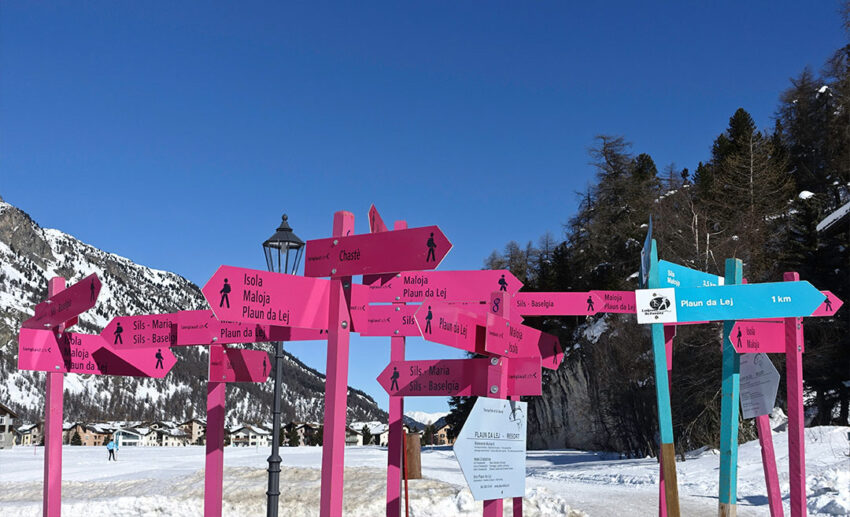
There’s a concept in psychology called decision fatigue. It’s what happens when your brain has to make too many choices in a row. Over time, mental energy starts to wear down.
Modern travel planning is full of these small, constant decisions. You’re comparing routes, questioning airline reliability, trying to interpret reviews, and second-guessing whether a price is worth locking in or waiting for. Individually, each decision is manageable. Together, they create friction.
At a certain point, your brain stops trying to optimise and starts trying to cope. That’s when you find yourself scrolling endlessly without booking, second-guessing perfectly good options, or making a quick decision just to get it over with.
More choice was supposed to give us more freedom. In reality, it’s often just giving us more mental load.
Why we’re defaulting to what’s familiar

One of the most noticeable shifts is that people aren’t necessarily choosing the most exciting trip. They’re choosing the one that feels easiest to manage.
And more often than not, that means going somewhere they’ve already been.
This isn’t about a lack of curiosity. It’s about reducing effort. When you already know a place, you don’t have to research as deeply. You don’t have to question every decision. You don’t have to carry as much uncertainty.
From a psychological perspective, it makes sense. The brain is always trying to conserve energy, and familiarity is efficient.
It also explains why people are relying more on trusted recommendations rather than broad research, and why curated travel services and even travel agents are becoming relevant again. It’s not because people can’t plan their own trips. It’s because they don’t always want to carry the full cognitive load anymore.
The emotional pressure no one talks about

There’s another layer to this that often goes unspoken.
It’s not just that there are too many options. It’s that every option feels like it matters more.
Travel is expensive. Time off is limited. Expectations are high. So, the decision becomes loaded. What if you choose wrong? What if there was something better? What if you miss out?
When you add social media into the mix, where every destination is presented as exceptional, the pressure intensifies. You’re no longer just planning a trip. You’re trying to make the best one.
And that pressure has a cost. It can lead to overthinking, hesitation, and even a quiet sense of dissatisfaction before the trip has begun.
So, travellers are adapting

What’s interesting is that people aren’t stepping away from travel. They’re adjusting how they approach it.
There’s a clear shift towards simplicity and intention. Travellers are choosing fewer destinations and spending more time in each one. They’re prioritising ease over novelty and making decisions based on what feels manageable, not just what looks impressive.
Convenience is no longer a bonus. It’s becoming a core part of the experience. Direct flights are often chosen over cheaper but more complicated routes. Centrally located accommodation is preferred over places that are harder to access, even if they’re more unique. Trips are being planned with a clearer purpose, whether that’s rest, connection, or learning, rather than trying to do everything at once.
There’s also a growing openness to outsourcing parts of the process. Whether that’s working with a travel agent, using curated itineraries, or simply following trusted recommendations, people are finding ways to reduce mental load without compromising quality.
How to make planning feel lighter again

If planning a trip has started to feel overwhelming, it’s not a personal failing. It’s a response to a more complex system.
One of the simplest ways to make the process feel lighter is to start with constraints instead of options. When you decide on your budget, timing, climate preferences, and how long you’re willing to travel before you start browsing, you immediately reduce the number of decisions you need to make.
It also helps to limit your sources. Choosing a few trusted platforms, such as Google Flights for routes and Booking.com or Airbnb for accommodation, can prevent you from falling into the trap of endless comparison. More information doesn’t necessarily lead to better decisions. In many cases, it does the opposite.
Setting a clear decision deadline can also be surprisingly effective. Without a cut-off point, research expands indefinitely and becomes draining. Giving yourself a window to decide creates momentum.
Another shift is allowing “good enough” to be enough. The idea of a perfect trip often creates unnecessary pressure. Choosing an option that meets your key criteria and moving forward tends to lead to a more satisfying experience overall.
It also helps to decide what matters most before you begin. Whether that’s comfort, cost, experience, or ease, having a clear priority acts as a filter and simplifies every decision that follows.
And finally, there’s nothing wrong with not doing it all yourself. If the logistics feel heavy, outsourcing part of the process can make a significant difference. That doesn’t mean giving up control. It means being selective about where you invest your energy.
The new luxury is mental ease

Travel hasn’t become less appealing. But it has become more demanding, particularly on a mental level.
And in response, people are becoming more aware of their own capacity. They’re more selective, more intentional, and less willing to overcomplicate something that’s meant to feel expansive.
Because perhaps the real shift isn’t just in how we travel. It’s in recognising that ease – real, mental ease – is part of the experience.
And increasingly, it’s the thing we’re aiming for.