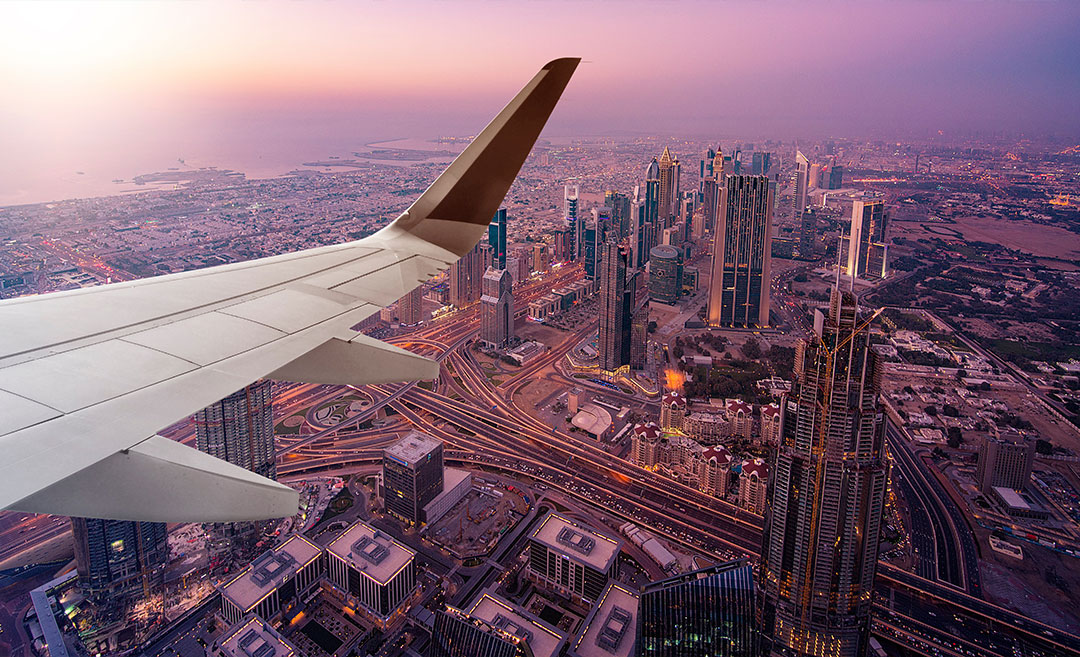
As vital corridors reopen, the view over the Gulf once again signals the restoration of a major global aviation link. (Image by Felix Pergande)
After months of turbulence across one of the world’s busiest aviation corridors, Middle Eastern airspace has officially reopened after months of disruption, a major turning point for global flight routes. The United Arab Emirates has restored full airspace operations, marking a major step in the recovery of global aviation links between Asia, Europe, and Australia.
According to aviation and airline industry reports, this matters more than many travellers realise. Even if Dubai or Abu Dhabi were never part of your itinerary, disruptions in Gulf airspace have affected flight times, ticket prices, and airline schedules across Southeast Asia and beyond.
The disruption also affected air cargo routes linking Asia and Europe, contributing to higher freight costs and delays earlier this year.
But while the skies are reopening, the situation is far from fully settled.
Flights are returning, but the recovery is fragile
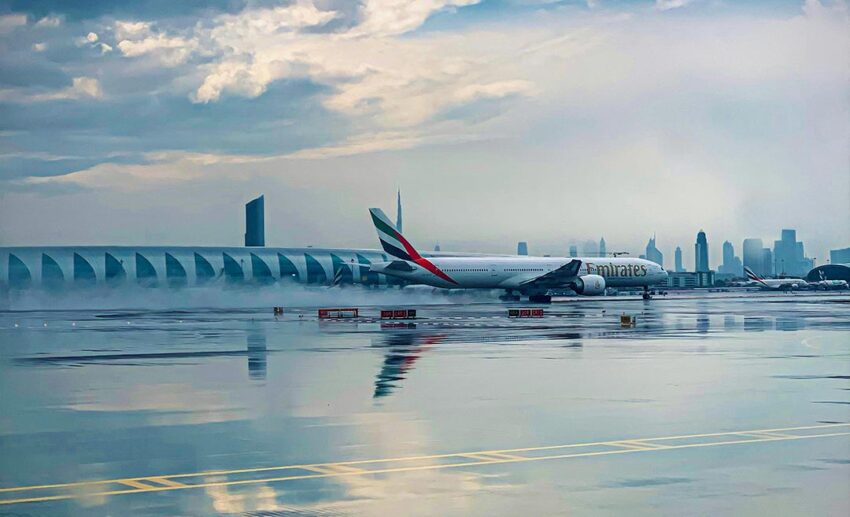
The UAE’s General Civil Aviation Authority confirmed that restrictions imposed during the conflict had been lifted, allowing airlines to resume standard operations. Emirates says it has restored 96% of its global network, operating flights to 137 destinations across 72 countries. The airline also reported carrying millions of passengers during the disruption period while gradually rebuilding capacity.
Dubai Airports has likewise started ramping operations back up after a sharp decline in traffic earlier this year. Passenger volumes at Dubai International Airport reportedly fell by more than 65% at the height of the crisis, according to industry aviation data, when airlines were forced into mass cancellations, rerouting and temporary suspensions.
Flights between Southeast Asia and Europe that had previously been diverted around conflict zones are gradually returning to shorter, more direct paths through Gulf airspace. During peak disruptions, some journeys became up to two hours longer due to detours over Central Asia or the Indian Ocean. These longer routes also increased fuel costs, created crew scheduling complications and reduced overall flight availability. Airlines are now gradually restoring more predictable schedules and flight frequencies.
Why this matters for Southeast Asian travellers

Major Gulf hubs, including Dubai, Abu Dhabi and Doha, connect millions of passengers travelling between Asia and Europe every year. Travellers flying from Kuala Lumpur, Singapore, Bangkok, or Jakarta to cities like London, Paris, Amsterdam, or Milan often transit through these airports. When Middle Eastern airspace became unstable earlier this year, the ripple effects spread globally.
Airlines reduced frequencies, aircraft were repositioned, and some long-haul routes became economically difficult to operate. At the peak of the disruption, some carriers cut frequencies by up to 40%, according to airline industry reports, creating tighter seat availability and pushing fares higher during peak travel periods.
Now that routes are reopening, travellers may begin seeing more direct flight paths, shorter travel times, improved schedule reliability, better seat availability on Europe-bound routes, and gradually stabilising long-haul airfares.
But normal hasn’t fully returned
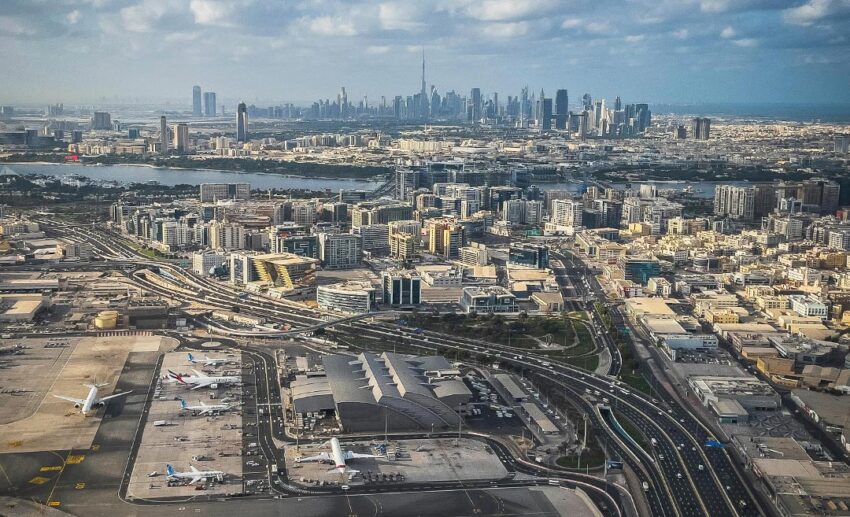
Despite the reopening, recent events have shown how quickly the situation can change. Only days after restoring normal airspace operations, the UAE temporarily imposed fresh flight restrictions following renewed missile and drone activity linked to Iran. Several flights were diverted to neighbouring countries, while others were forced into holding patterns before landing safely.
The UAE’s aviation authority introduced temporary route restrictions and emergency protocols following the attacks, underscoring the fragility of the recovery. That uncertainty remains the biggest issue for airlines and travellers alike.
The wider aviation industry is also facing continued pressure from rising jet fuel prices linked to ongoing Middle East instability. According to recent industry reports, airlines have already cut millions of seats from upcoming schedules as carriers attempt to manage higher operating costs and potential fuel supply disruptions heading into the northern summer travel season.
While most flights are operating again, the aviation industry is still treating the region cautiously. Airlines continue monitoring security developments in real time, and routes may still change at short notice depending on regional tensions.
So, is it safe to make travel plans?
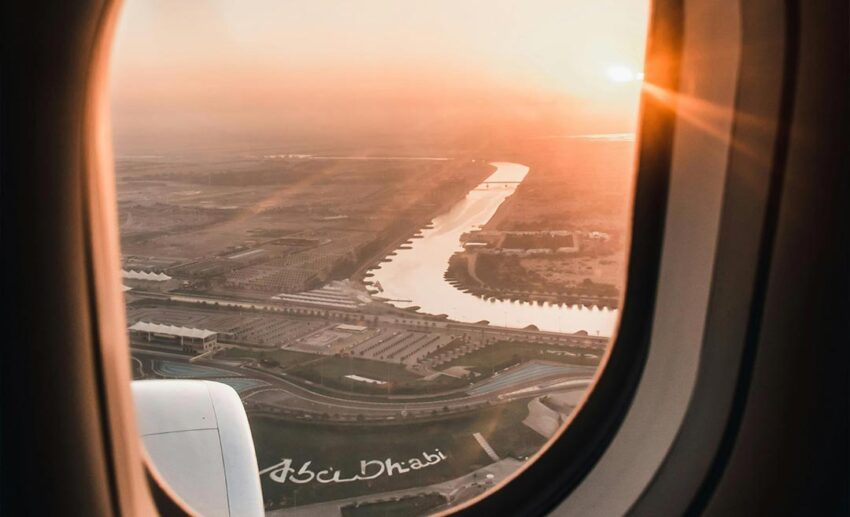
At the moment, most international flights through the Middle East are operating normally again, especially through major hubs. Travellers transiting through the region should continue checking airline updates regularly, allow extra buffer time for connections and ensure travel insurance covers disruption-related changes.
The Middle East remains one of the most strategically important transit regions in global aviation. When its airspace closes, the effects are felt far beyond the Gulf — including across Southeast Asia’s tourism, logistics and airline industries.
For now, the skies are reopening. But airlines, airports, and travellers alike know the situation can still shift quickly. Flexibility and preparedness remain essential as flight routes continue to evolve.
The United Arab Emirates’ Government Platform