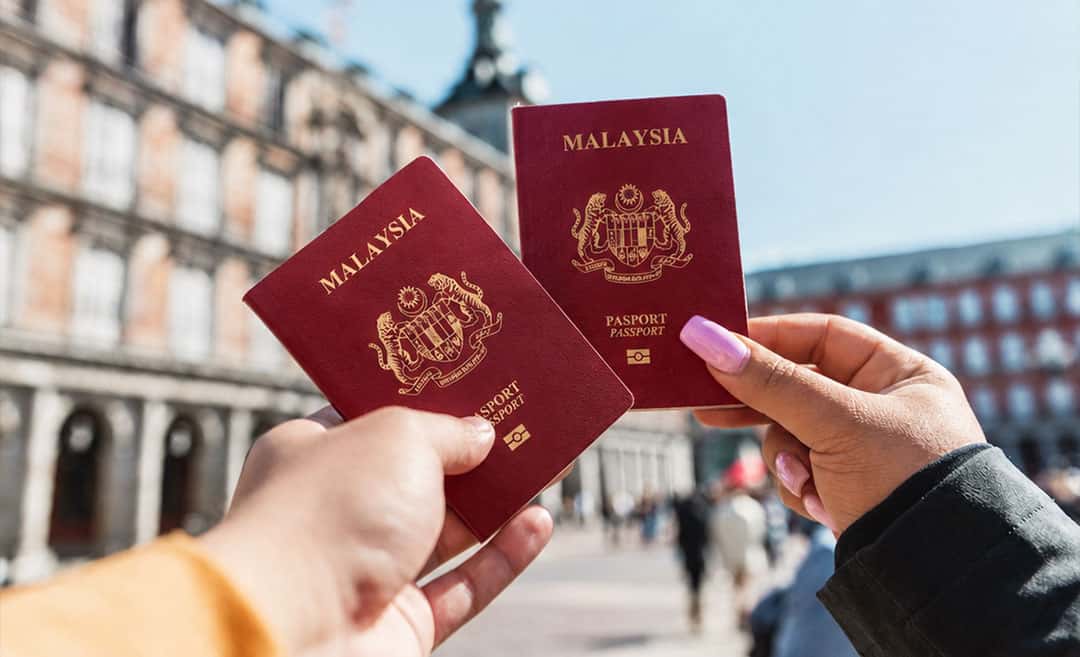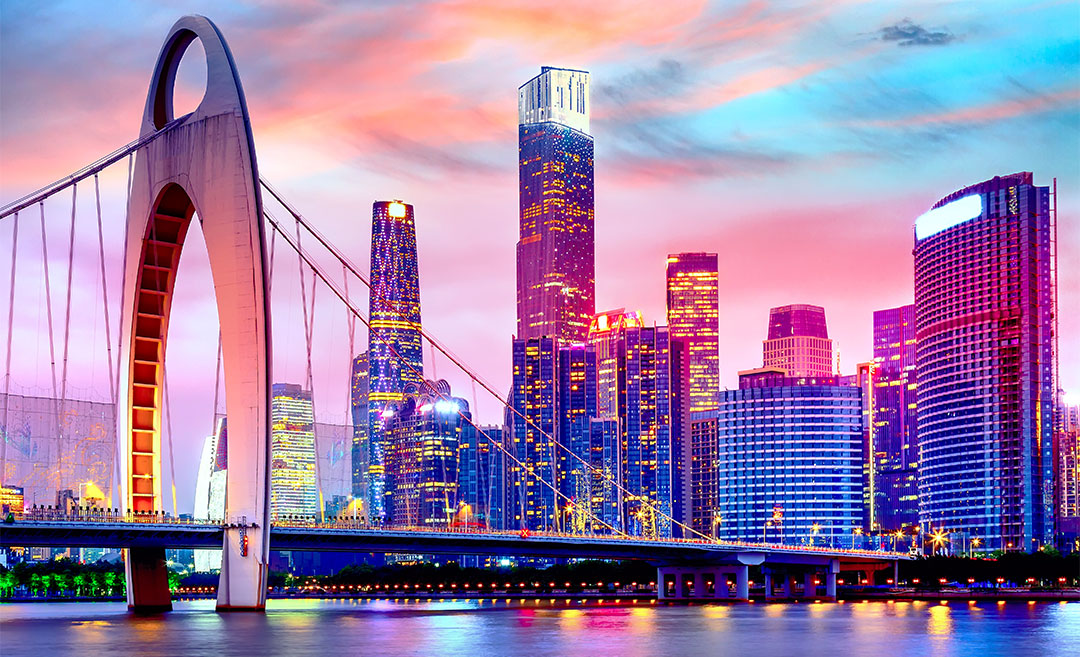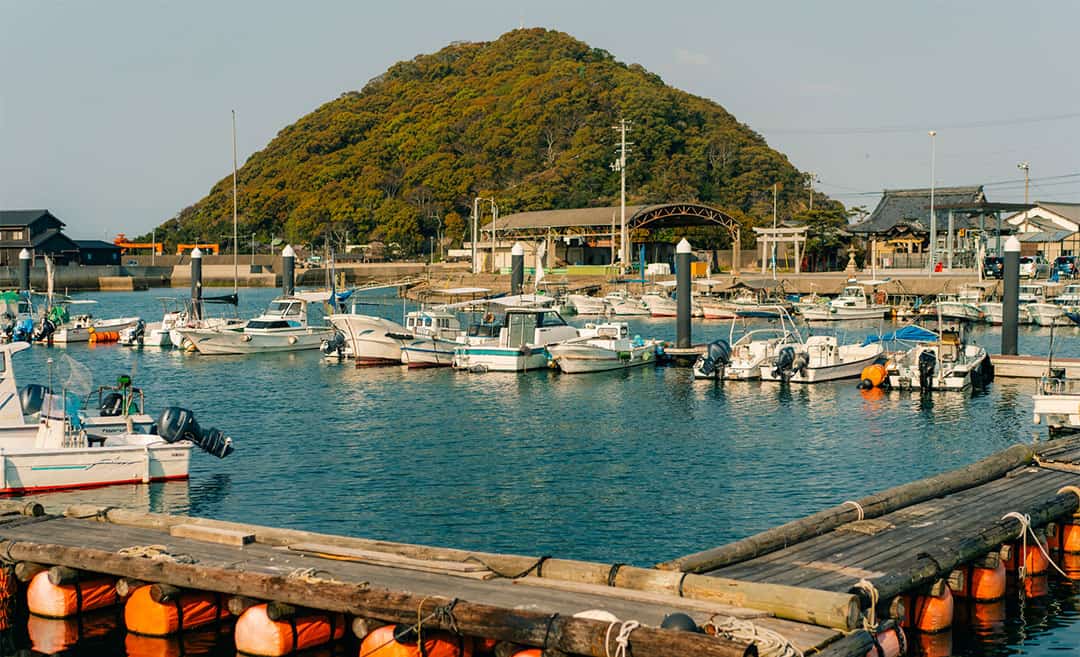
From Japan’s quieter islands to Caribbean escapes, Fodor’s latest travel lists spotlight destinations worth discovering in 2027, alongside popular hotspots grappling with the pressures of overtourism. (Image by ibrester)
Where should we travel in 2027? Fodor’s Travel has released its annual Go List and No List, highlighting 27 destinations worth exploring and eight popular spots struggling with the pressures of overtourism. Together, the lists offer fresh inspiration for our next getaway while reminding us that how we travel matters just as much as where we go.
4 travel destinations worth putting on your 2027 list
For travellers looking beyond familiar holiday hotspots, Fodor’s Go List introduces destinations offering everything from cultural discoveries to nature escapes.
In Japan, Shikoku is a quieter alternative to the country’s busier destinations, such as Tokyo and Kyoto. Known for its temples, scenic countryside, and traditional villages, the island is ideal for those seeking a more relaxed cultural experience. Its famous 88-temple pilgrimage route, which winds through the island, is particularly interesting for those considering a reflective solo adventure. Visitors don’t necessarily have to complete the entire pilgrimage to experience it, with shorter sections offering opportunities to explore Shikoku’s landscapes and spiritual heritage at their own pace.
Those dreaming of a tropical escape might consider Grenada, the Caribbean island known as the ‘Spice Isle’ for its nutmeg, cinnamon, and other spice plantations. Beyond its beaches and rainforests, visitors can explore markets, discover the island’s chocolate-making heritage, and sample its distinctive Creole-influenced cuisine. With opportunities for hiking, snorkelling, and food-focused experiences, Grenada has plenty for a girlfriends’ getaway or a solo island escape.
Nature lovers will be captivated by Gwaii Haanas National Park Reserve and Haida Heritage Site in British Columbia, Canada, which offers another kind of adventure. Located in the remote Haida Gwaii archipelago, the protected area is home to ancient forests, rugged coastlines, and rich marine life. It is also deeply connected to the culture and history of the Haida people, whose ancestral villages and heritage sites can be found throughout the region. The area is co-managed by the Council of the Haida Nation and Parks Canada, making the protection of its natural and cultural heritage an important part of the visitor experience. Visiting requires more planning than a typical national park trip, but that is part of its appeal for adventurers seeking an experience away from the crowds.
Meanwhile, Burlington, Vermont, combines lakeside scenery with independent cafes, local boutiques, and a lively arts scene. Set along the shores of Lake Champlain, the city has a creative atmosphere, with opportunities to explore its waterfront, browse independent shops, and enjoy its craft beer culture. It’s appealing for those looking for a laid-back city break with easy access to nature.
Fodor’s complete Go List for 2027:
| Addo Elephant National Park, South Africa | English Wine Country, United Kingdom | Luanda, Angola |
| Amritsar, India | Giethoorn, The Netherlands | Miches, Dominican Republic |
| Arequipa, Peru | Grenada, Windward Islands, Lesser Antilles | Modena, Italy |
| Bardstown, Kentucky | Gwaii Haanas National Park Reserve and Haida Heritage Site, Canada | Okefenokee Swamp, Georgia |
| Burlington, Vermont | Ilha Grande, Rio de Janeiro, Brazil | Ponce, Puerto Rico |
| Busan, South Korea | Kingston, New York | Shikoku, Japan |
| Chicago’s South Side, Illinois | Laax, Switzerland | Sierra Norte de Oaxaca, Mexico |
| Coromandel Peninsula, New Zealand | Liechtenstein | Sumba, Indonesia |
| Diyarbakır, Turkey | Lord Howe Island, Australia | Tarangire National Park, Tanzania |
5 popular destinations facing overtourism
While the Go List encourages exploration, Fodor’s No List highlights destinations where tourism is placing growing pressure on local communities and the environment.
Closer to home, Bali has been flagged for its ongoing pollution, waste management challenges, and water shortages — issues compounded by rapid tourism development. The island’s popularity has brought economic opportunities, but also increased demand for resources and infrastructure, particularly in heavily visited areas.
In Kyoto, overcrowded streets and popular attractions have increasingly disrupted residents’ daily lives. Congestion around well-known neighbourhoods and cultural sites has prompted local authorities to introduce measures to manage visitor behaviour and ease pressure on the city. Italy’s Amalfi Coast faces a different but equally difficult challenge, with narrow coastal roads, heavy traffic, and limited infrastructure struggling to accommodate large numbers of visitors, particularly during peak travel periods.
Elsewhere, Edinburgh is grappling with housing pressures linked to the growth of short-term holiday rentals, which can reduce the availability of long-term accommodation for residents. Sedona, Arizona, faces similar concerns as holiday properties compete with local housing needs, alongside the environmental pressures associated with increased visitor numbers.
These are five of the eight destinations featured on Fodor’s 2027 No List. The Albanian Riviera, Corsica, and Tanzania’s Ngorongoro region are also included, reflecting concerns about the pressures tourism can place on local infrastructure, natural resources, and communities.
Being included on the No List doesn’t necessarily mean travellers should avoid these destinations altogether. Rather, it encourages visitors to consider the impact their holidays have on the places and communities they visit, and whether they can make more thoughtful choices along the way.
How to travel more thoughtfully in 2027
Travelling more thoughtfully doesn’t necessarily mean giving up popular destinations. Visiting during shoulder seasons, choosing locally owned accommodation, and supporting neighbourhood businesses can help distribute tourism spending while offering opportunities to experience a place beyond its busiest attractions.
Spending more time in one destination instead of rushing between landmarks also creates room for connection, discovery, and appreciation. In the year ahead, consider making sure the places we love to explore can continue to thrive long after we’ve left.