From gathering dung fuel to milking yaks, sharing daily chores with a Gobi nomadic family transforms immersive travel into a deeply personal experience.
The more I travel, the more I realise that the greatest honour of travel is not witnessing extraordinary places, but being invited into the lives of extraordinary people.
I was reminded of this another time during my recent trip to Mongolia’s Gobi region, sitting inside the ger of a family of nomadic horse and yak herders, where the line between guest and participant slowly began to disappear.
I had come to Mongolia expecting the things that had drawn me here before: immense cerulean skies, empty roads, mountain ranges rising out of the horizon, and animals moving freely across a landscape so vast that it sometimes felt as though the rest of the world had ceased to exist. But this time, the views became almost secondary because I wasn’t just being shown how these people lived. I was being invited to live alongside them, if only for a little while. This presented a profound difference.
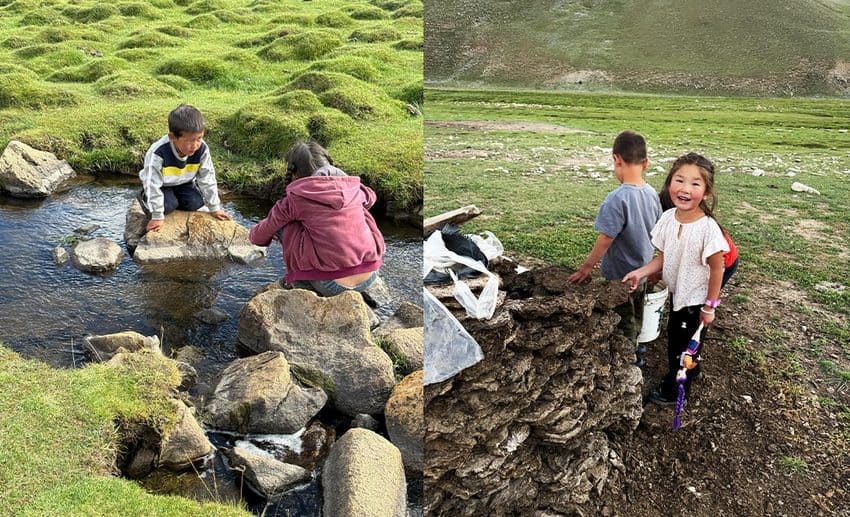
Unfiltered moments of joy: local children playing freely in the stream and across the open plains near their family ger. 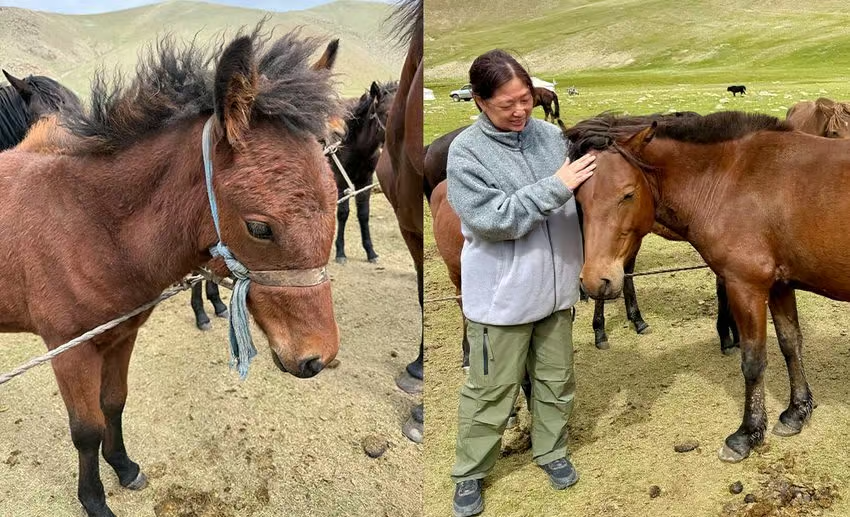
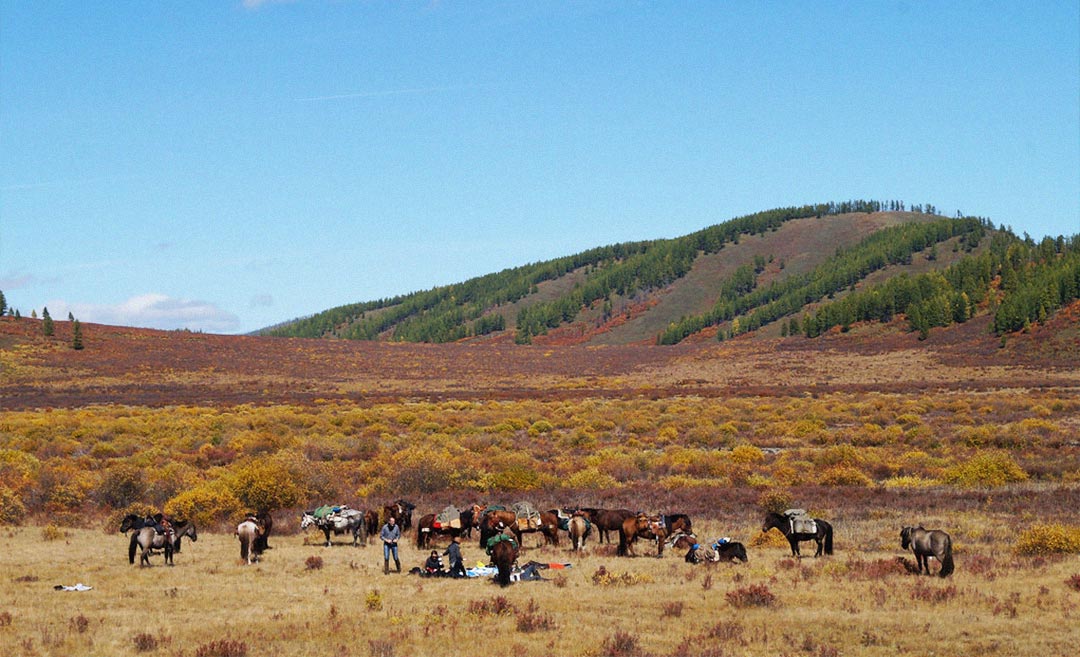
In nomadic life, horses are far more than picturesque scenery—they are an integral part of daily life and transport across the valley.
When a Mongolian family invites you into daily life
The family welcomed me into their ger with the easy hospitality that seems so instinctive in Mongolia. There was no elaborate introduction, no formal presentation of nomadic life. Instead, almost imperceptibly, I became part of their daily routine.
The invitation was not, “Come and watch.” It was, “Come and help.” So I did.
I learnt to tie up the yak calves, keeping them close to their mothers before milking. I helped milk the yaks and discovered that what looked deceptively simple was considerably harder when the animal was larger than anything I was accustomed to.
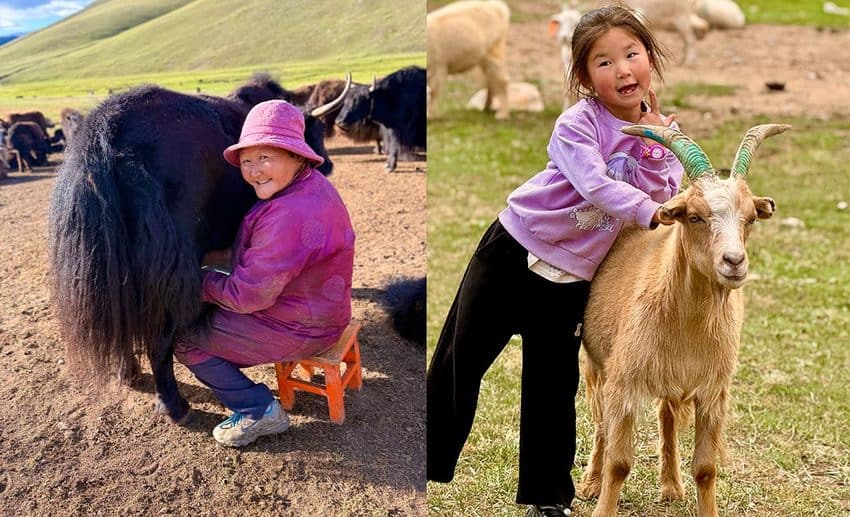
Morning routines with my host family, from assisting an elder with yak milking to gathering the goats for grazing. 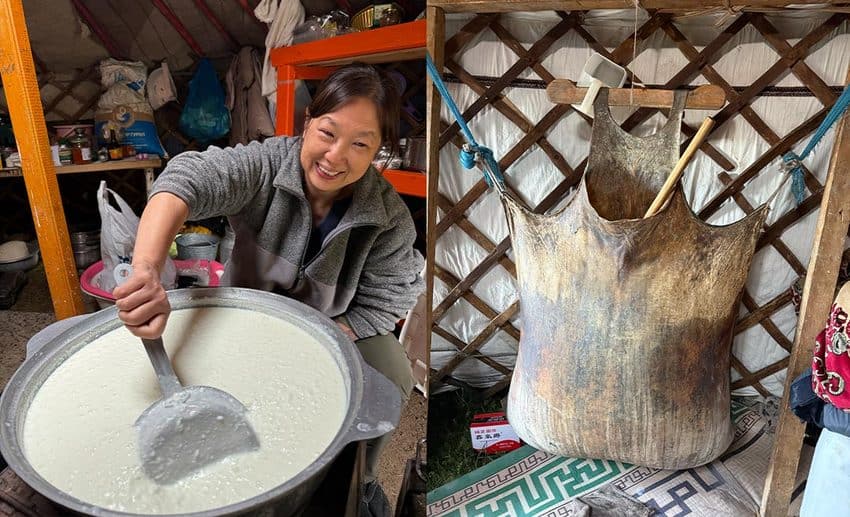
Learning the daily rhythm of preparing airag (fermented mare’s milk), from hand-churning inside the leather vessel to sampling the freshly prepared batch. 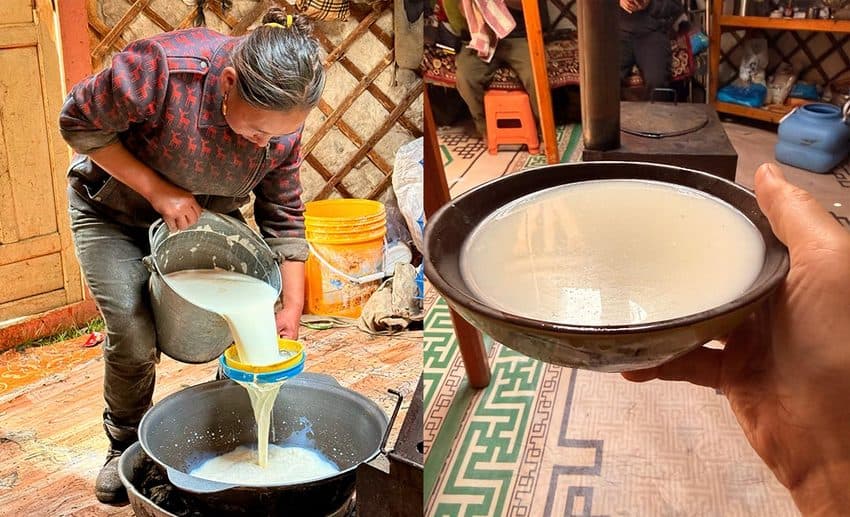
Assisting with the home distillation of arkhi, a traditional dairy-based spirit crafted carefully over the ger hearth.
Milk, in this world, doesn’t simply come from the animal and end up in a glass. It becomes yoghurt, butter, clotted cream, cheese, and even arkhi, a distilled dairy spirit. I watched and helped as the milk was transformed into food for the family, each process as much a part of daily life as making breakfast or washing dishes would be elsewhere.
I stirred airag, stored in an open leather sack, the fermented mare’s milk that has been part of Mongolian nomadic culture for centuries. The process is simple but labour-intensive.
The greatest honour of travel is not witnessing extraordinary places, but being invited into the lives of extraordinary people.
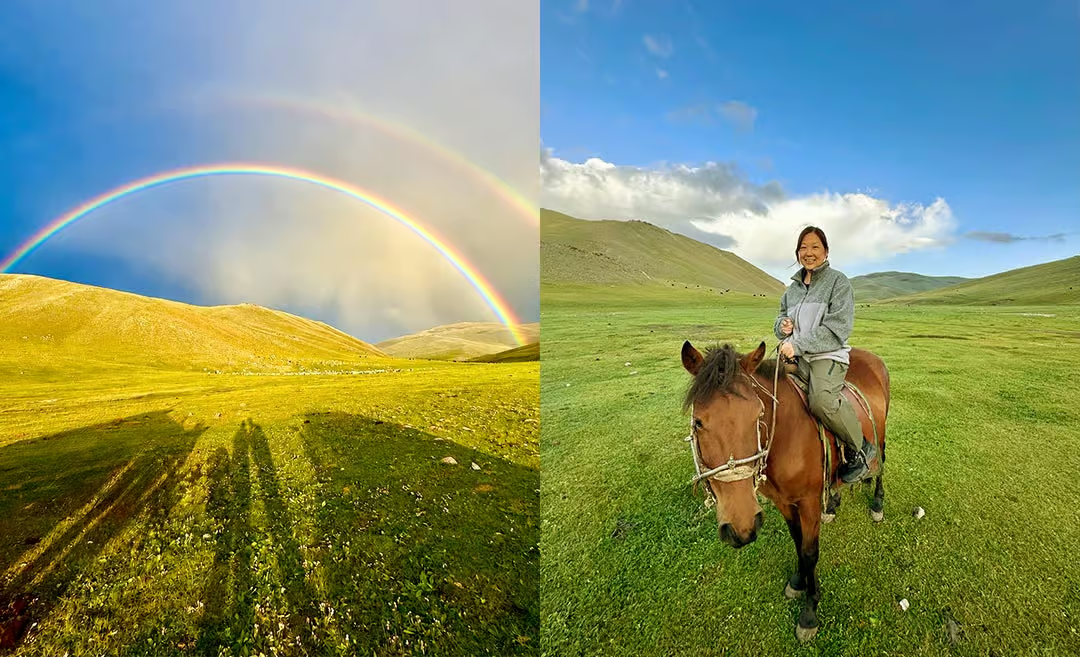
I rode a horse across the landscape, something that felt wonderfully dreamy until I remembered that for the people here, horses are not props in an adventure story. They are part of everyday life.
Then there were the less glamorous jobs.
I helped clean sheep organs and intestines before they were prepared for dinner. There is something wonderfully grounding about being handed a job that needs doing and getting on with it. No romanticising. No pretending that nomadic life is all galloping horses beneath dramatic sunsets.
Sometimes it is cleaning intestines. Sometimes it is collecting water from the nearby stream. Sometimes it is gathering dried yak dung for fuel. The latter became one of my favourite lessons in perspective.
In a place where trees are scarce, and fire is essential, dried yak dung is not something unpleasant to be avoided. It is fuel. It keeps the stove burning. It keeps the ger warm. It cooks dinner.
So I went out and collected it. I carried it back. And I began to understand that when you are invited into someone’s life, you don’t get to choose only the picturesque bits. You take the whole thing. You keep the fire going. You help with dinner. You do the jobs that need doing.
Somewhere between the chores, something shifts. You stop feeling like a visitor.
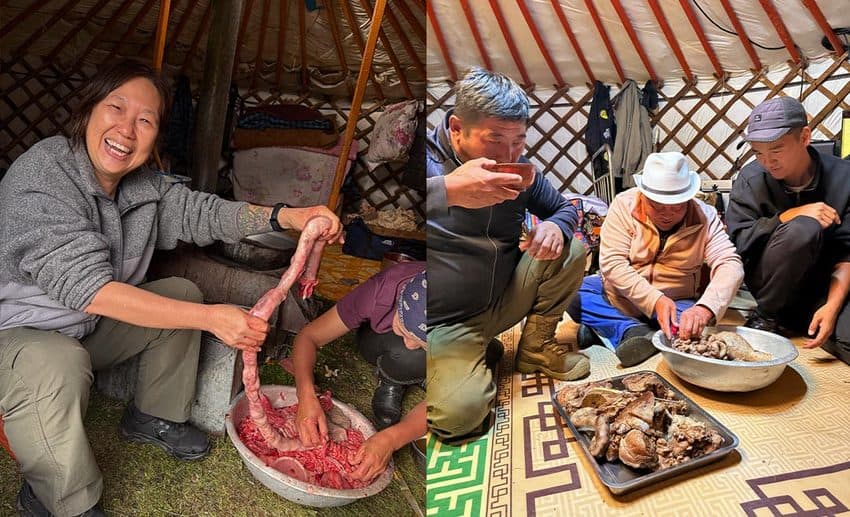
The work behind nomadic life in the Gobi
One afternoon, I climbed partway up a mountainside with the children to pick blackcurrants. The terrain stretched around us in every direction, the sort of scenery that would normally have had me reaching instinctively for my phone camera. But I found myself less interested in photographing it than in being there. There were berries to pick.
And the children, of course, needed no translation. We played, laughed, and mucked around together, with uncomplicated joy; joy that makes the language barrier irrelevant. They weren’t interested in where I came from or how far I had travelled to get there. When the chores were done for the day, I was simply another person willing to play.
When you are invited into someone’s life, you don’t get to choose only the picturesque bits. You take the whole thing. You keep the fire going.
This, I realised, is what happens when travel moves beyond observation. You begin by looking. Then you begin participating. And eventually, you begin belonging. Not permanently, and certainly not in the way the people who live there belong, but just enough to feel that you have been allowed through a door that most visitors never see.
Travel has taught me that there are many ways of seeing a place. You can photograph it. You can read about it. You can drive through it. You can stay in a hotel and tick off famous sights.
Or someone can open the door of their home and say, in effect, come in.
That invitation is the one I treasure most. Because when someone welcomes you into their home, they are not showing you a curated version of their life. They are letting you see the ordinary things: the work, the meals, the animals, the children, the mess, the routines.
You see what happens before the photographs are taken, and you are given the extraordinary privilege of taking part. For me, that is where the magic of Mongolia has always been. In the people who live within that landscape, and the generosity with which they allow a stranger to step inside their world.
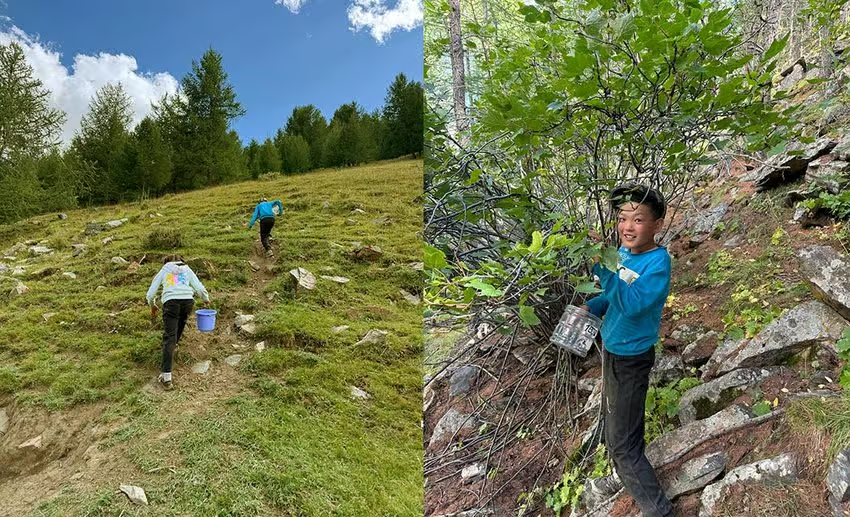
Following the children up the hillside for an afternoon of foraging wild berries across the rocky slopes. 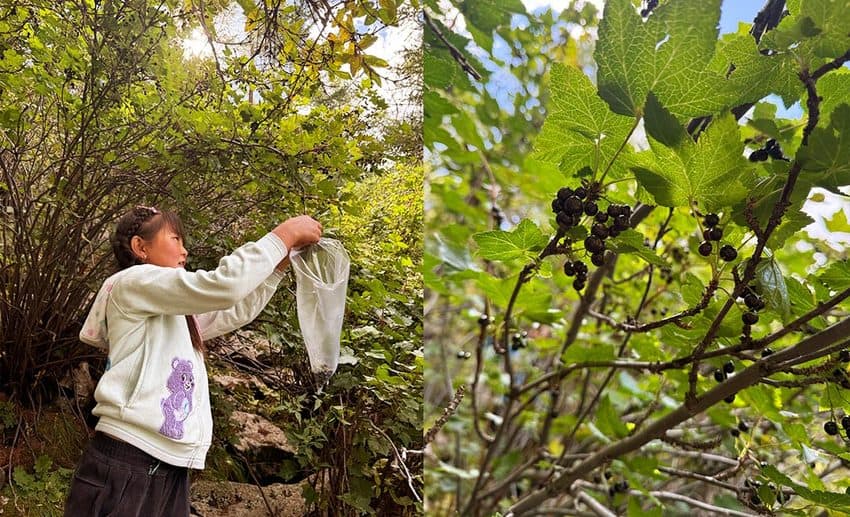
Reaching the secluded berry patch tucked into the mountainside after a long walk with the kids. 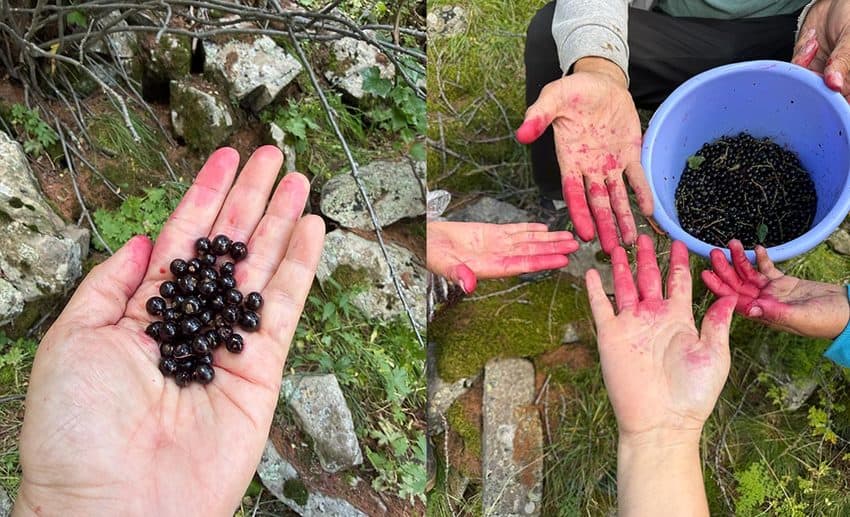
A satisfying end to foraging: hands stained red with wild juice after gathering berries together.
The experience you cannot put on an itinerary
I arrived as a traveller. I left with dirt under my nails, animal fur on my clothes, the smell of dung fire smoke in my hair, and a heart full of memories that no itinerary could have promised me.
This is the greatest gift travel can give us: the reminder that some of the most extraordinary experiences are disguised as ordinary ones.
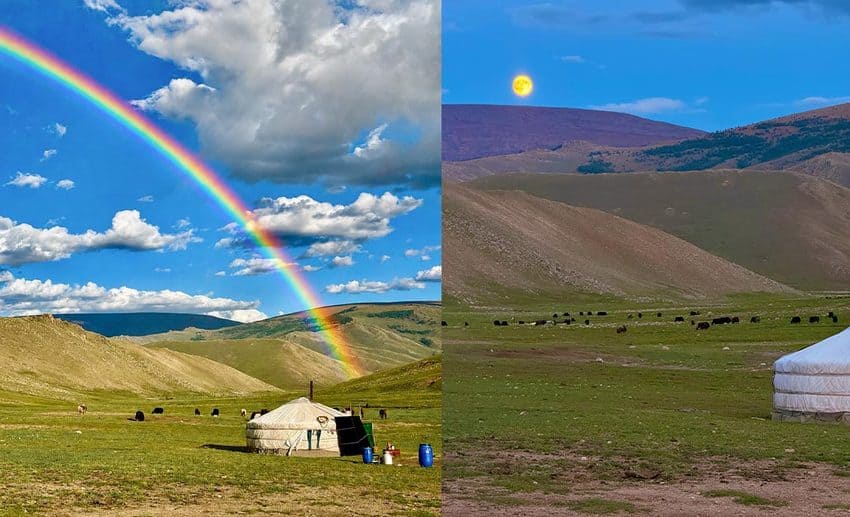
Nature’s quiet spectacles: a brilliant rainbow grounding right beside our ger, followed by a bright moonlit evening over the Gobi. 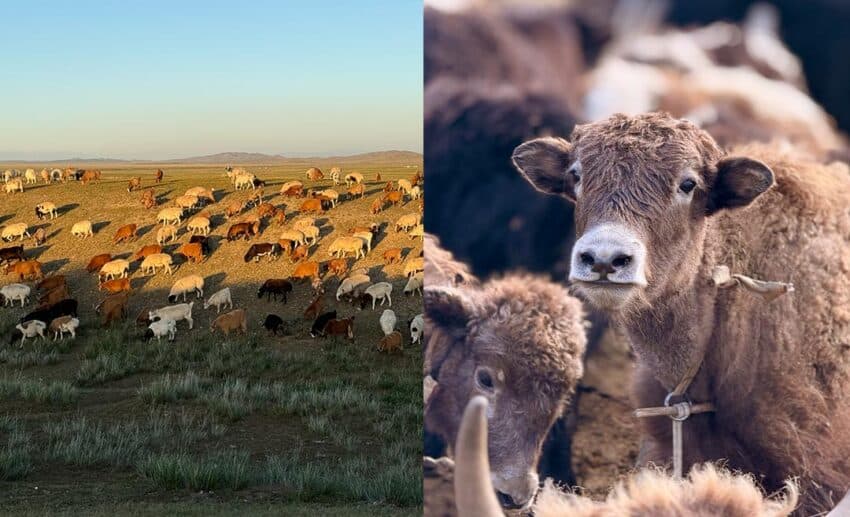
Cows grazing quietly along the mountain pastures as late afternoon light settles over the valley. 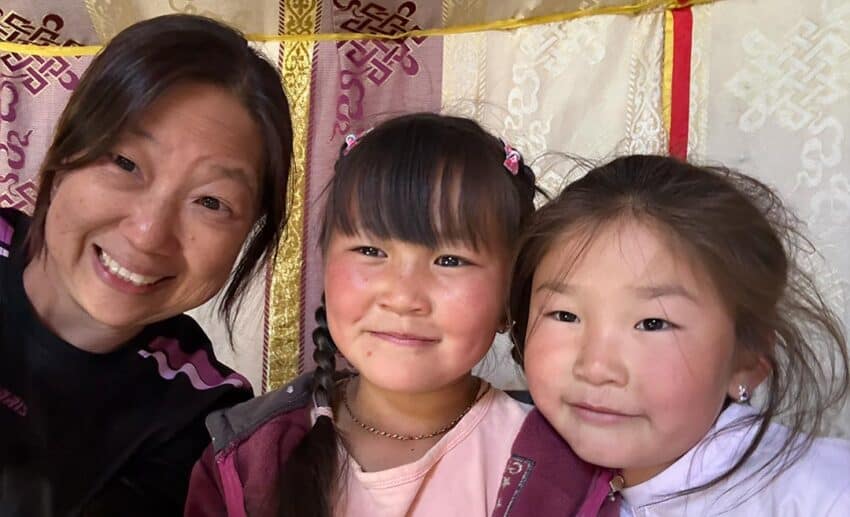
Shared smiles with the host family’s daughters, proving that joy and companionship easily transcend language barriers.
Like a calf being tied beside its mother. Milk being churned into butter. A fire that needs tending. Sheep being prepared for dinner. A handful of berries gathered from a mountainside. A child laughing as you attempt to communicate without sharing a language.
None of these things would appear on a list of Mongolia’s must-see attractions. Yet they are the moments I will remember and cherish because I wasn’t only looking at someone else’s life. For a little while, they let me be part of it.
All photos are by and courtesy of the writer, Lynette Yee.