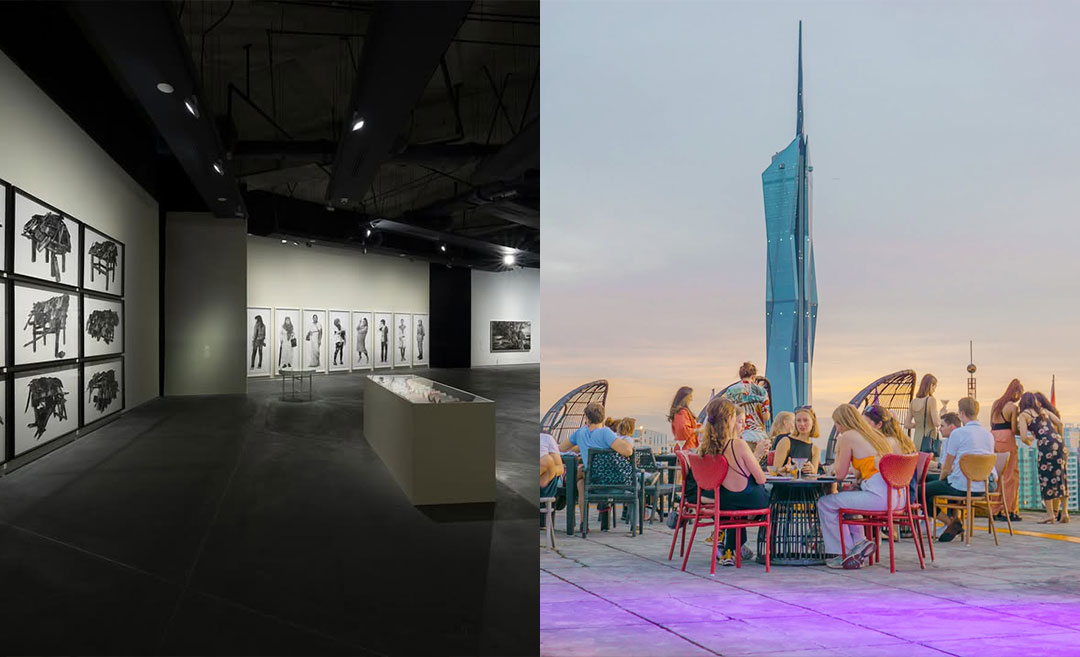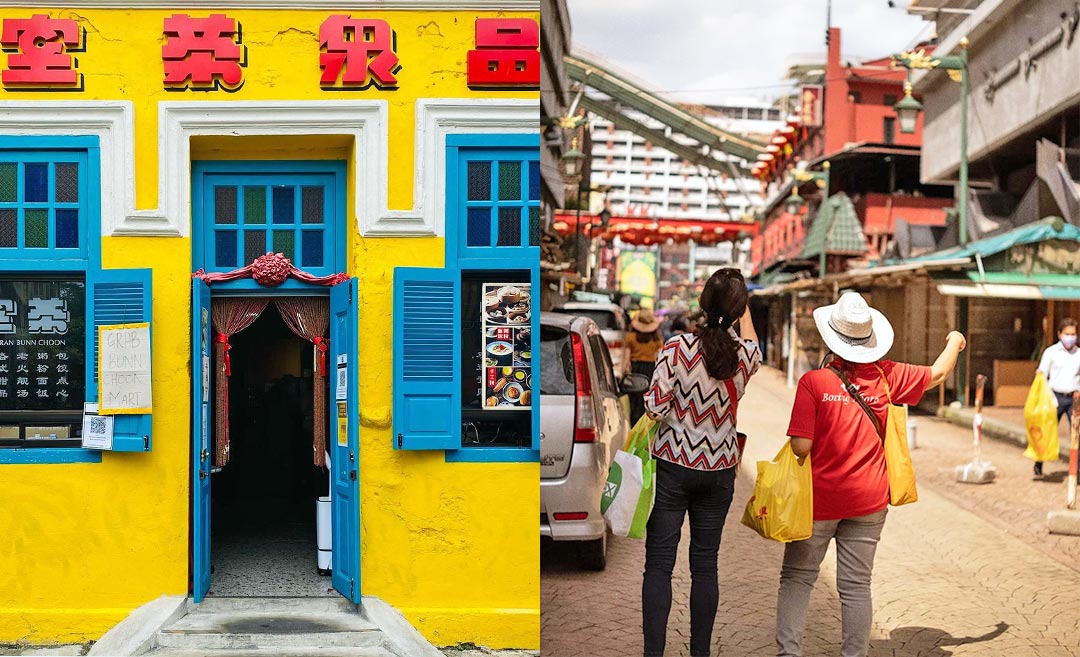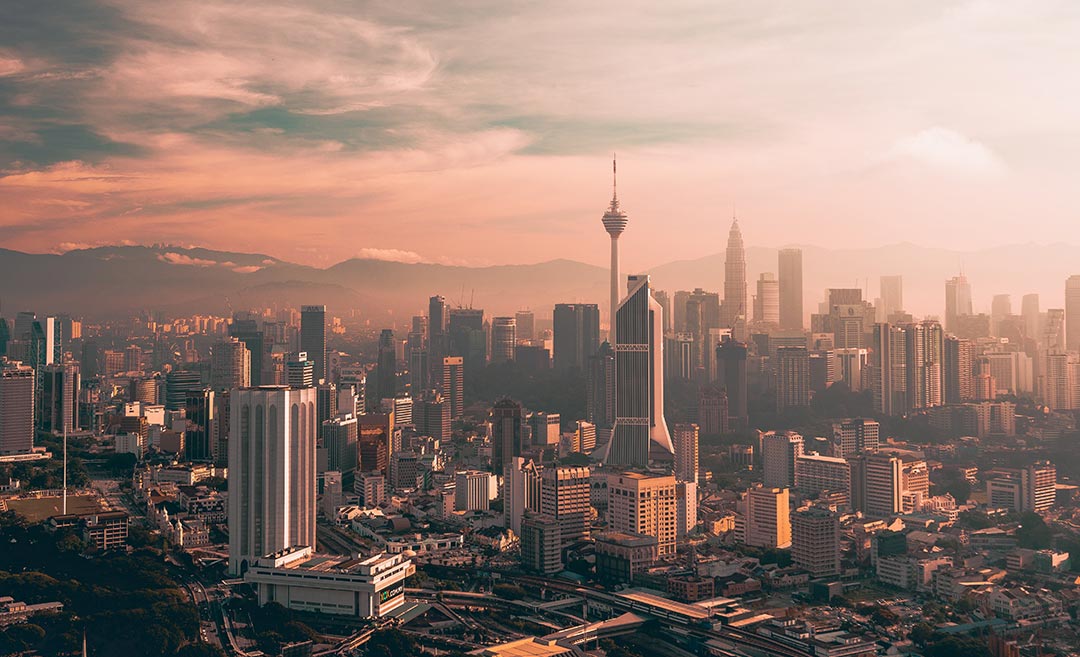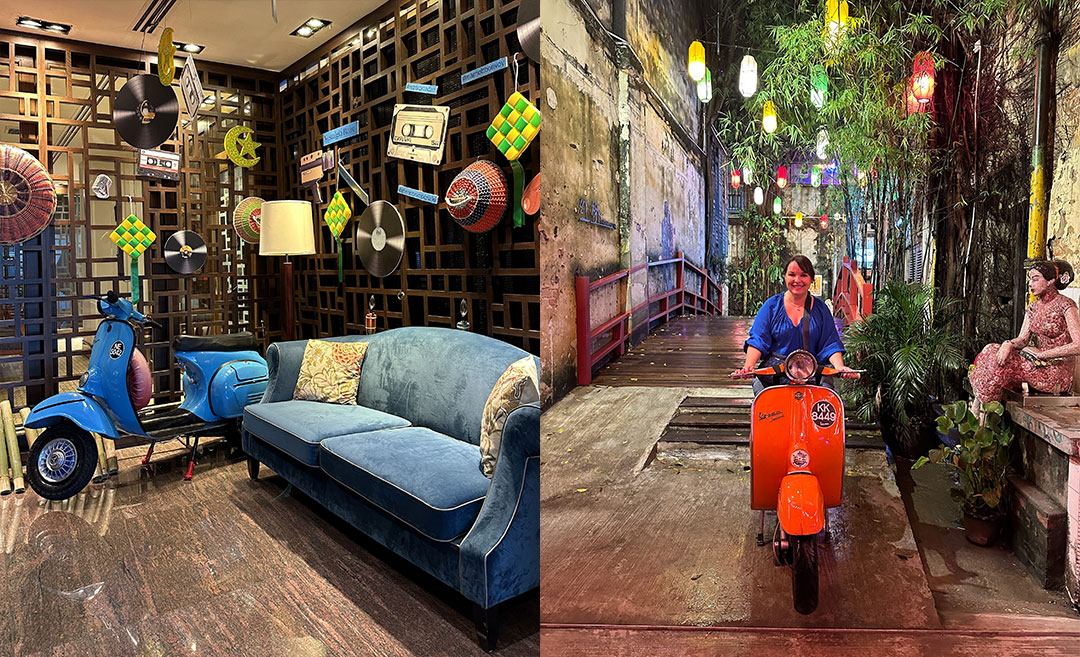
I satiated my hunger for Kuala Lumpur by exploring the Malaysian capital’s multi-cultural neighbourhoods on the back of a Vespa. (Images by Carmen Jenner)
The tropical storm rolled in across Kuala Lumpur’s skyline, veiling the iconic Petronas Twin Towers in rain. As I peered out of my hotel window, I began to wonder if exploring the city by a Vespa was such a good idea after all. Especially since my hotel room at the Sheraton Imperial Kuala Lumpur was so cosy, and I have limited driving experience overseas, let alone on two wheels in such a frenetic city.
‘Cooler Lumpur by Night’
Turns out, I was being dramatic, and the only casualty was my hair being held hostage under my damp helmet. By the time my tour guide from Vespalicious met me at my hotel with our Vespa, the rain had subsided.
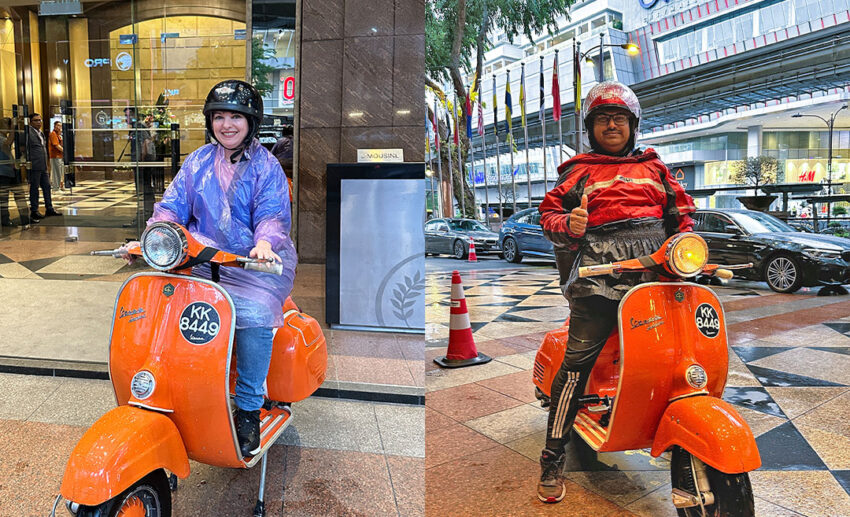
After being briefed and reassured that I wouldn’t be the one driving, I was apparently good to go and told to climb aboard behind my knowledgeable guide and chauffeur, Susei Dass. A law enforcement officer by day and Vespa expert by night, I knew I’d be safe with him, despite being a foreign woman travelling solo.
I figured our bright orange Vespa would be hard to miss, and besides, I couldn’t imagine anyone would dare to lay a scratch on our vintage chariot. Since I wasn’t driving, it didn’t take long for me to relax as we zipped in and out of the traffic, with my fetching purple poncho blowing in the breeze.
Eat like a local
The Vespalicious ‘Cooler Lumpur by Night’ tour commences once the sun sets and the heat of the day subsides. Predominantly fuelled by food, the tour touched on KL’s poignant history that has shaped the city into the metropolis it is today.
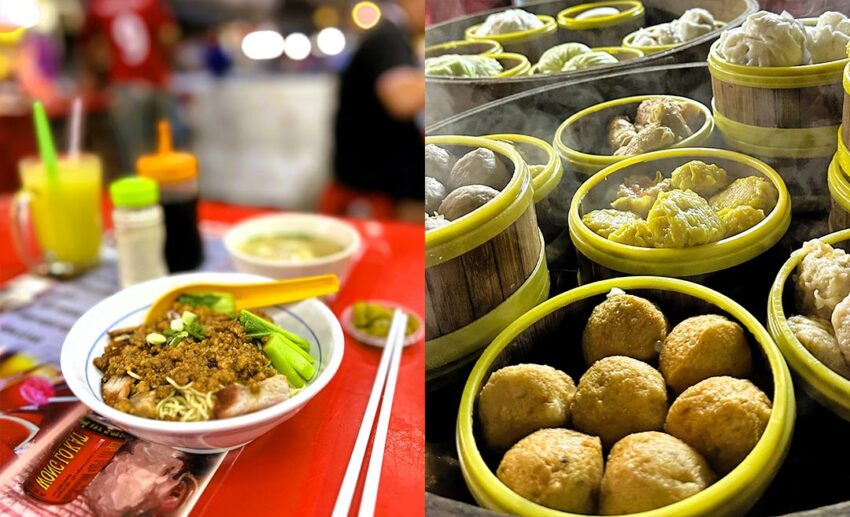
Our first stop was Pudu Wai Sek Kai, a Malaysian-Chinese hawker’s market so local that I’d have no chance of finding it on my own. Mutton soup, handmade Hakka noodles, and another noodle dish called Char Kway Teow were washed down with a sour plum juice. So tasty was this feast that I wondered if it would be possible to top this meal.
Where the streets are works of art
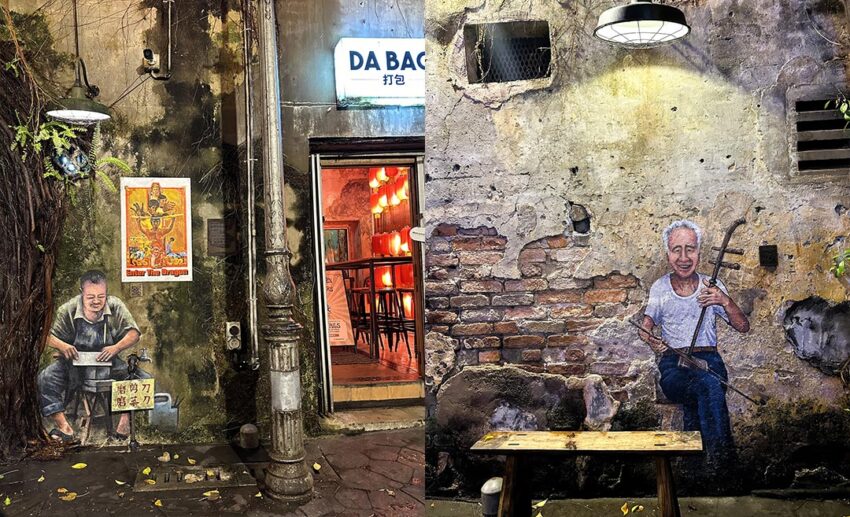
We headed to Chinatown’s Kwai Chai Hong, reminiscent of Penang’s George Town, embracing Kuala Lumpur’s nostalgia. The restored laneways adorned with murals and plaques demonstrate the lives of Chinese settlers, interspersed with a salacious past.
After the obligatory posing and snapping, I vowed to return later and explore the cafes and speakeasy bars, as well as Petaling Street, a treasure trove of market and hawker stalls. The bar scene is best explored at night, but plenty of time is required to explore this district during the day too, for browsing at the Art Deco-style Central Market and admiring the intricacy of Sin Sze Si Ya Temple.
What built this city
Back aboard our Vespa, we weave our way to Little India in the Brickfields district. Named after the brick factory used to rebuild the original timber and thatched structures destroyed by fire and flood, the Indian and Sri Lankan workforce inspired this colourful district.
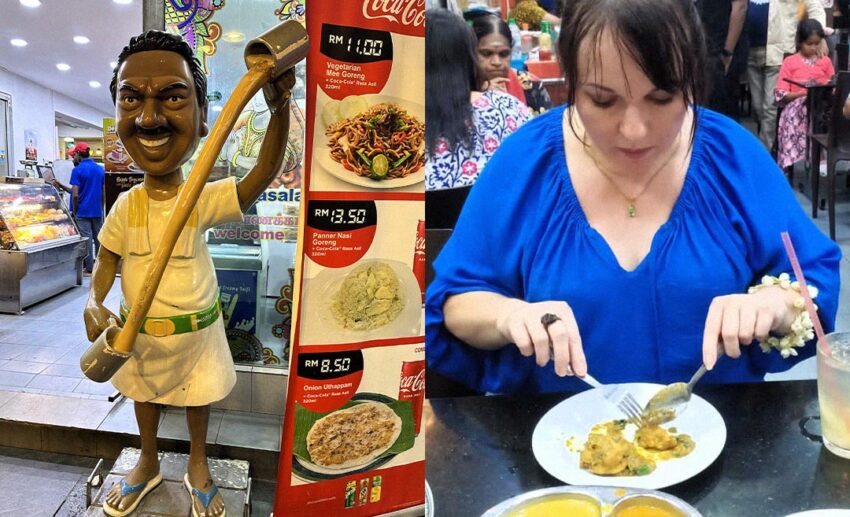
Next time, I’ll visit the ornate Sri Mahamariamman Temple, Buddhist Thean Hou Temple, the triangular Tamil Methodist Church, and Sri Kandaswamy Kovil Temple. For now, fried Idli in gravy and a tissue-like roti are a delicious introduction to Little India.
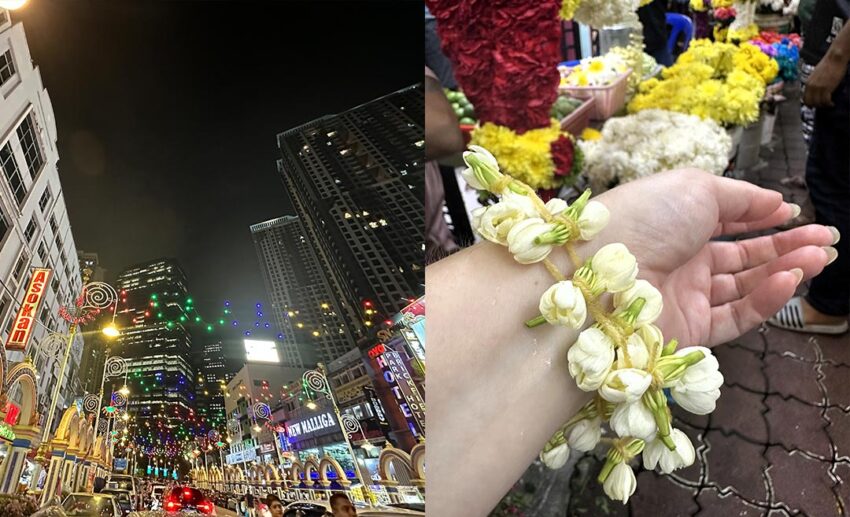
From one of the many flower stalls, I’m gifted a garland of flowers for my wrist as the tour resumes to the iconic Sultan Abdul Samad Building, which I learned was constructed from millions of bricks from Brickfields. This was just one of the many fascinating snippets of information Susei shared on this tour.
An urban Malay village
Despite numerous visits to Kuala Lumpur, for some reason, I had never made it to Kampung Baru, a traditional Malay village in the northern part of the city. It’s definitely worth a wander around, but the call of nasi lemak couldn’t be ignored despite the copious amounts of food I had already consumed.
Susei shared that thousands of nasi lemak dishes are sold every day from this village surrounded by skyscrapers, sometimes more on the weekends. Each restaurant has its own unique version, but many claim that Kampung Baru is THE place to go for this national dish.
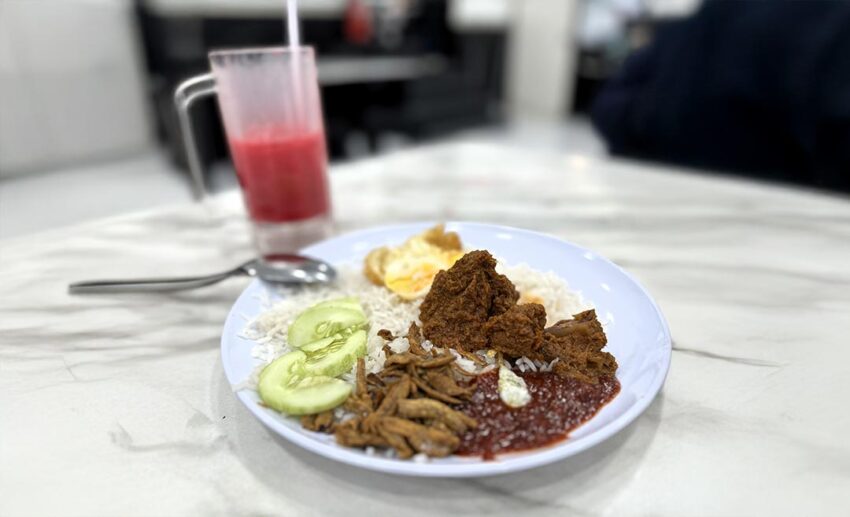
I’m no nasi lemak expert, but the one I tried at Nasi Lemak Wanjo Kg Baru had the perfect mix of crunch and spice; it must have been, for me to keep on eating well into the night. As I was the only one on the tour, I suspect I had been treated to an entire group’s portion sizes.
An iconic landmark
By now, the Petronas Twin Towers were ablaze in all their glory, and the city was electric. After a few selfies with the iconic landmark, it was soon time to return to my beautiful hotel with all those spices swishing around in my stomach.
Joining a food tour with an expert will rarely guide you wrong. The introduction of new flavours and tips on how to dine like a local are sure to inspire many future culinary adventures.
A luxurious stay
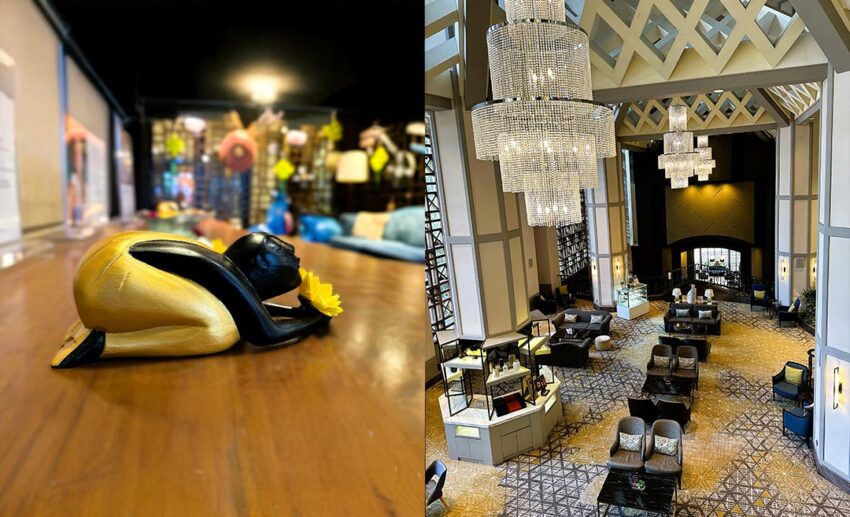
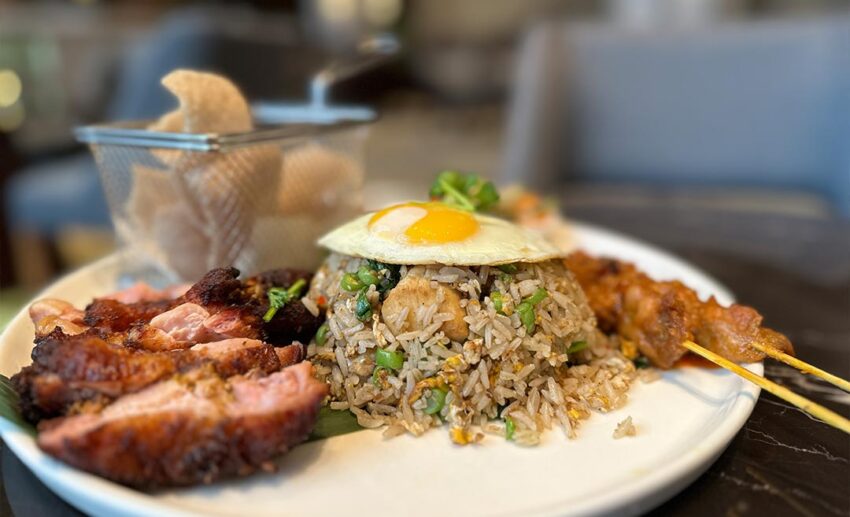
Not only is the Sheraton Imperial Kuala Lumpur centrally located, it also offers spacious rooms with cloud-like mattresses and a vast breakfast buffet. It features the decadent Mandara Spa, a haven away from the chaos with steam rooms, a jacuzzi, a sauna, a relaxation lounge, and decadent packages. I recommend a blissful Balinese Massage, ideal for calming jetlag, before floating back to your room.
Getting to KL
Malaysia Airlines is the national carrier and flies daily to and from Kuala Lumpur. If you’re lucky enough to upgrade to Business Class, you will be treated to juicy satays served on a tablecloth that probably won’t remain white for long. Depending on the aircraft, the indulgences feature extra-wide seats, massaging flat beds, and high-definition screens.
Vespalicious tours
Vespalicious runs multiple tours around Kuala Lumpur and Penang on vintage Vespas, with a chauffeur as your guide. My top tips for the ‘Cooler Lumpur by Night’ tour are to start the tour hungry. So don’t eat beforehand, and wear stretchy pants.
All images provided by Carmen Jenner.