Behind Mongolia’s Tsaatan reindeer herders are women whose labour, knowledge, and resilience sustain families and life in the taiga.
In the remote forests of northern Mongolia, reindeer herding may be the image that captures travellers’ imaginations. But behind every migrating camp, every healthy herd, and every thriving family is a network of women whose labour, knowledge, and resilience keep life in the taiga moving.
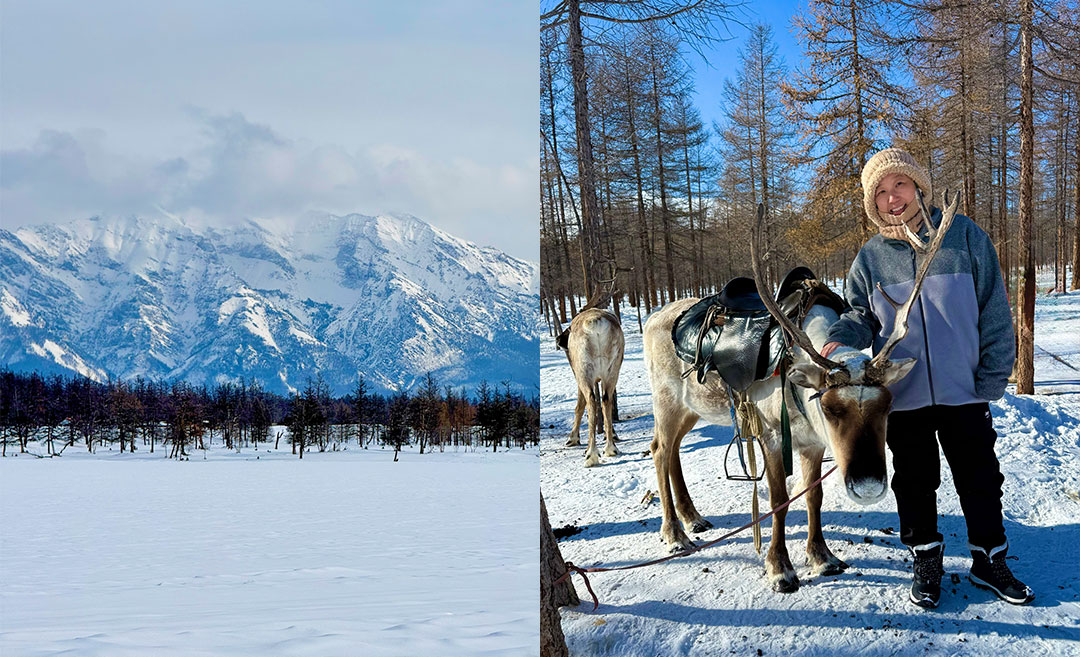
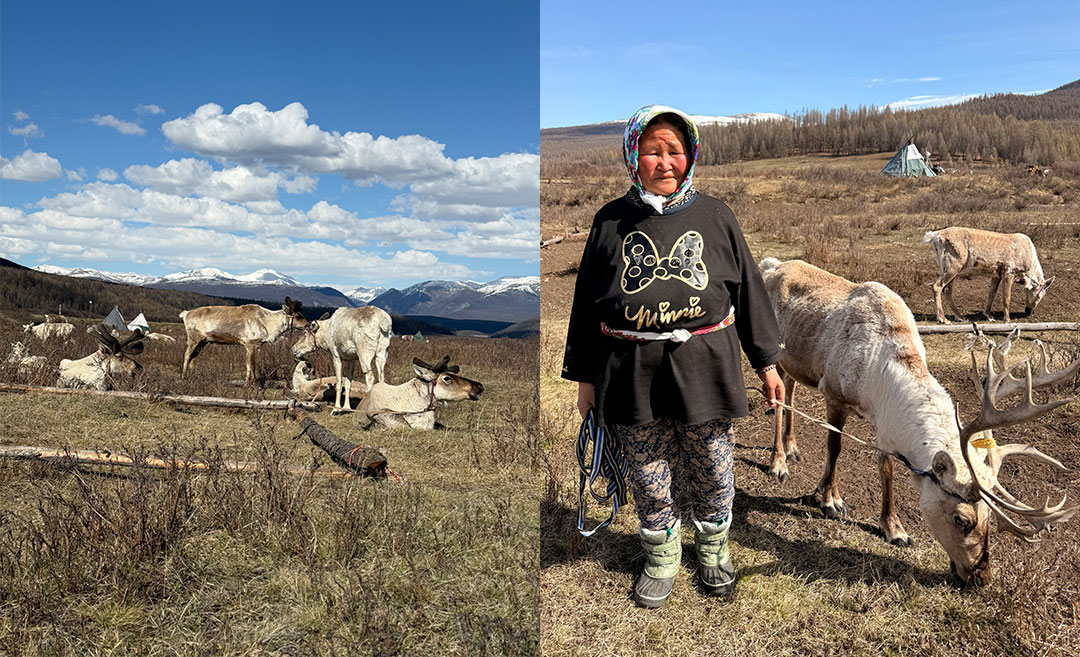
This was my second visit to the Tsaatan, Mongolia’s Indigenous reindeer-herding community. My first journey took place during winter, when deep snow blanketed the taiga and life revolved around enduring the coldest months of the year. Returning in spring offered a completely different perspective. I spent eight days living with Zaya and her family, joining them as they migrated from their reindeer birthing camp to their spring camp. There, I witnessed not only the movement of the herd but also the immense effort required to move an entire household through the forest.
It was her laughter.
The first thing I noticed about Zaya was not her toughness.
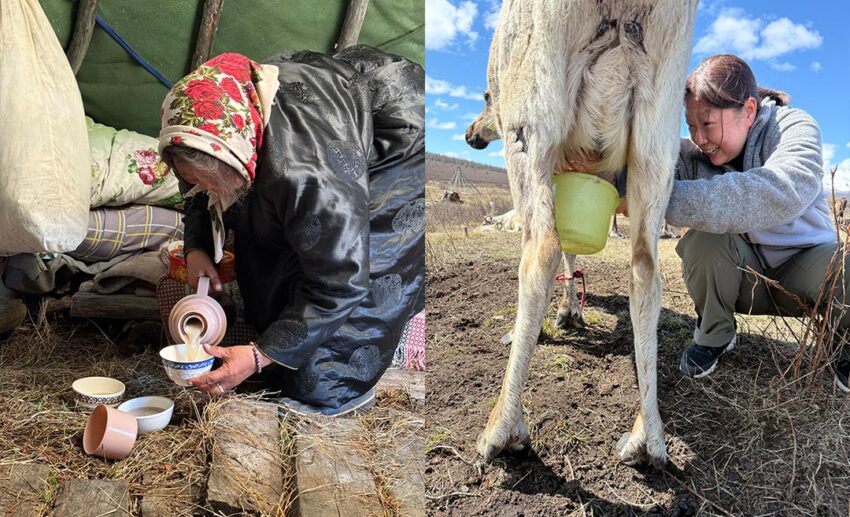
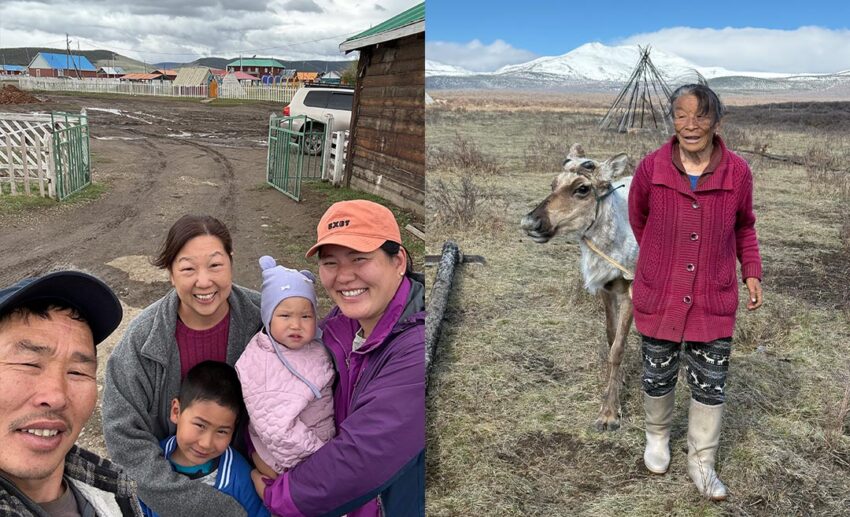
It arrived easily and often, whether she was teasing her children, patiently correcting my clumsy attempts at helping with chores, or sharing stories over bowls of hot milk tea. It was only after spending time with her family in the taiga that I began to appreciate the scale of what she, and the other women around her, carried on their shoulders every day.
Travellers who visit the Tsaatan often return with stories of reindeer, remote landscapes, and the challenges of life deep within the forest. The images are undeniably compelling: migrating herds, teepees nestled among the trees, and families living days from the nearest town.
But those stories often miss something.
They miss the women.
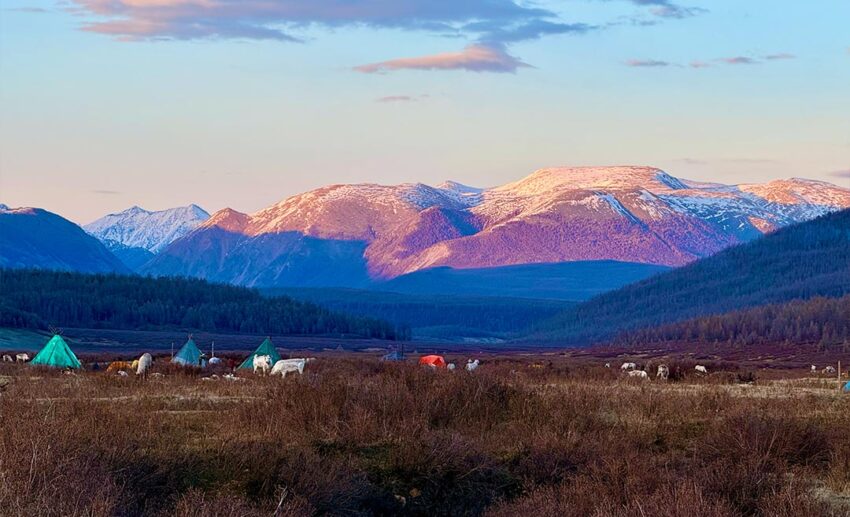
For all the attention paid to reindeer herding, it quickly became clear that life in the taiga depends just as much on the women who cook, care, organise, teach, mend, gather, nurture, and somehow hold entire households together in one of the most isolated environments on earth.
And they do it with remarkably little recognition.
The invisible work behind every camp
Like many visitors, I arrived fascinated by the reindeer. I wanted to learn about migration routes, seasonal camps, and the practical realities of herding. Joining the family’s seasonal migration from their reindeer birthing camp to their spring camp offered a rare glimpse into those realities. While the movement of the herd naturally attracts attention, I quickly realised that a successful migration depends on far more than the reindeer themselves. Camps must be dismantled, belongings packed, children cared for, meals prepared, and daily life maintained throughout the journey.
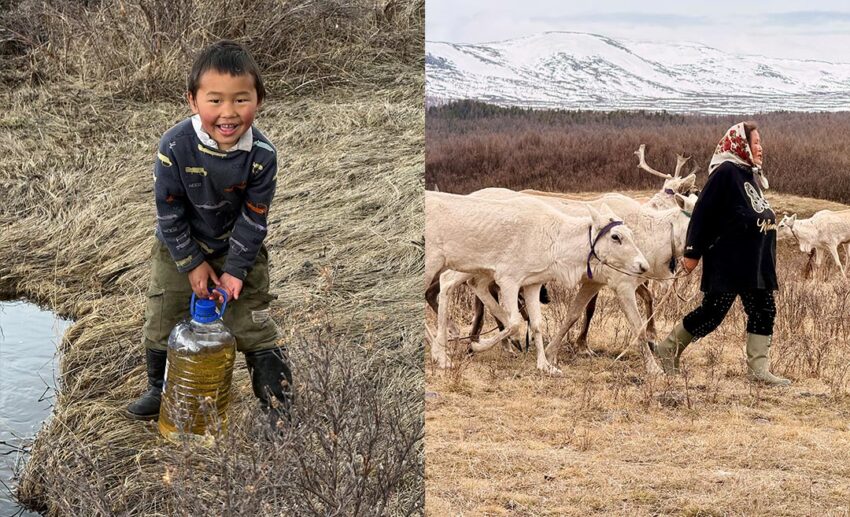
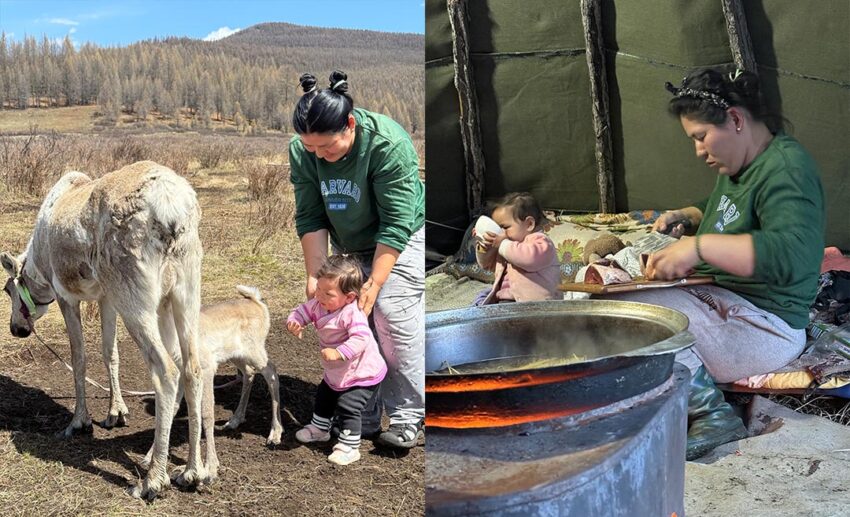
The longer I stayed, the more I realised that daily life revolved around tasks that rarely appear in travel stories.
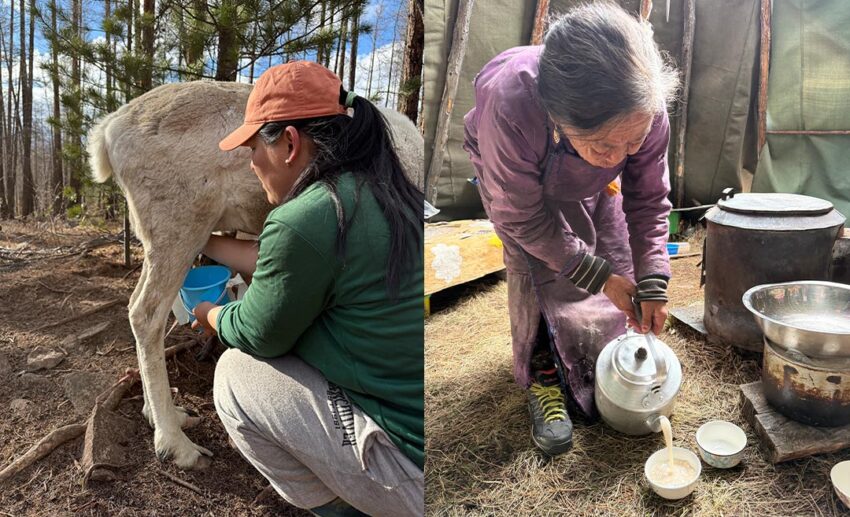
Someone has to fetch water from the nearby stream. Someone has to prepare meals. Someone has to wash clothes, gather supplies, care for children, maintain the home, organise equipment, milk the reindeer, tend to the calves, and ensure everyone is where they need to be.
In the taiga, where modern conveniences are largely absent, none of these jobs can be outsourced, postponed, or ignored.
Every task matters. Every task takes time and requires effort.
And much of that work falls to women.
Each morning began long before I was ready to emerge from my sleeping bag. Fires needed tending. Water needed carrying. Children needed feeding. Animals needed checking.
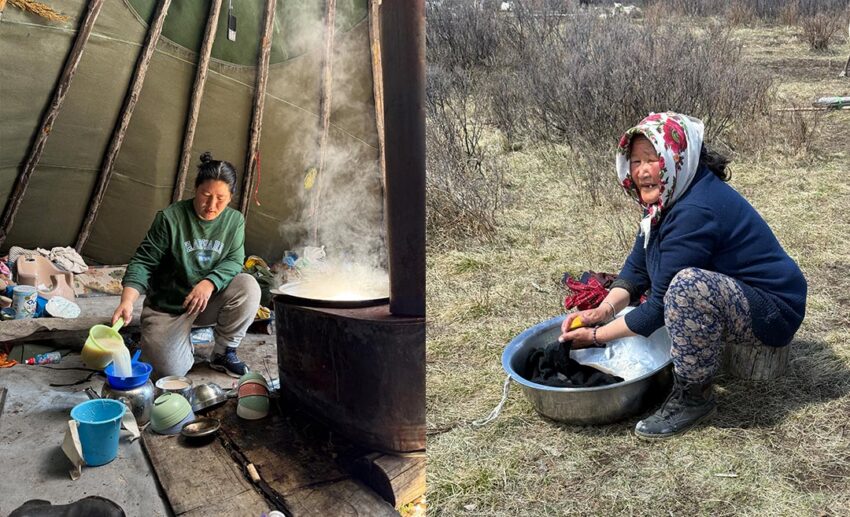
There was no concept of a leisurely start to the day. Life simply moved, and the women moved with it.
Watching Zaya work was a lesson in efficiency. She seemed capable of doing three things simultaneously while remaining completely present with whoever was speaking to her. One moment she was preparing food, the next she was tying up the reindeer mothers for milking, and then helping a child with something before returning to another unfinished task.
Raising children in the wilderness
The taiga is a remarkable place to grow up. Children spend their days outdoors, surrounded by forests, rivers, mountains, and animals. They develop confidence, independence, and practical skills from a young age. Zaya’s 18-month-old daughter was learning to walk and ride her own reindeer when I was there.
Yet raising children in such an environment presents challenges that most urban parents never encounter. Schools are often far away. Access to healthcare can require lengthy journeys. Weather conditions can change rapidly. Supplies are limited. Emergencies demand resourcefulness.
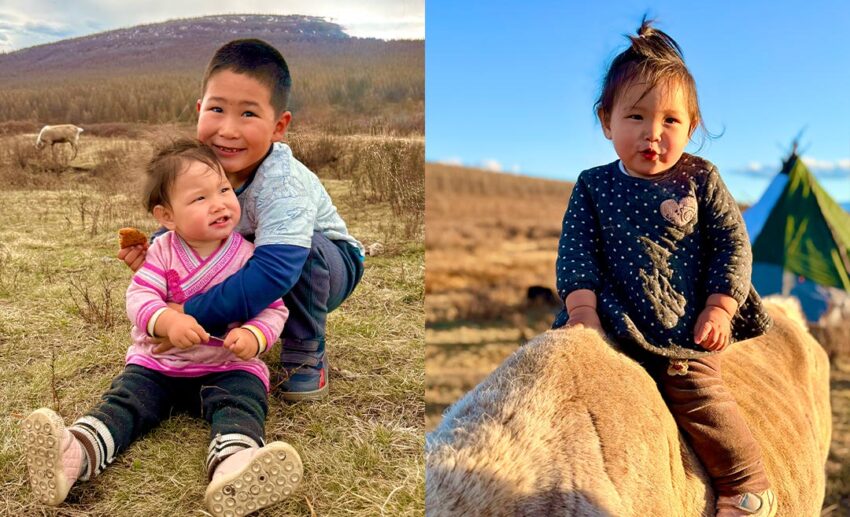
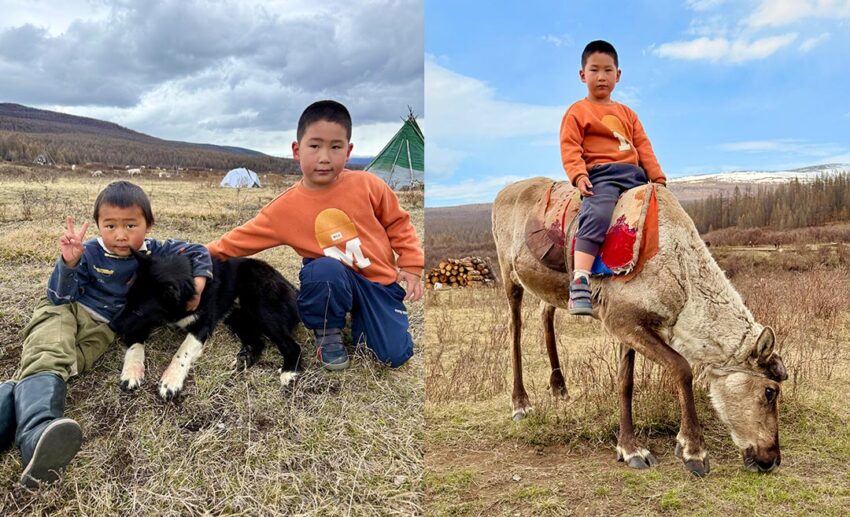
Through it all, women play a central role.
I watched mothers balancing childcare with an endless list of responsibilities. Babies were carried, comforted, and cared for while meals were prepared. Older children helped with chores but still needed guidance and supervision.
What struck me most was how seamlessly children were integrated into daily life. There was no separate sphere of “adult work” and “child time.” Children learned by observing. They learned by participating. They learned because everyone contributed.
The result was a strong sense of capability and belonging. Even the youngest members of the camp seemed to understand that they were part of something larger than themselves.
The knowledge keepers
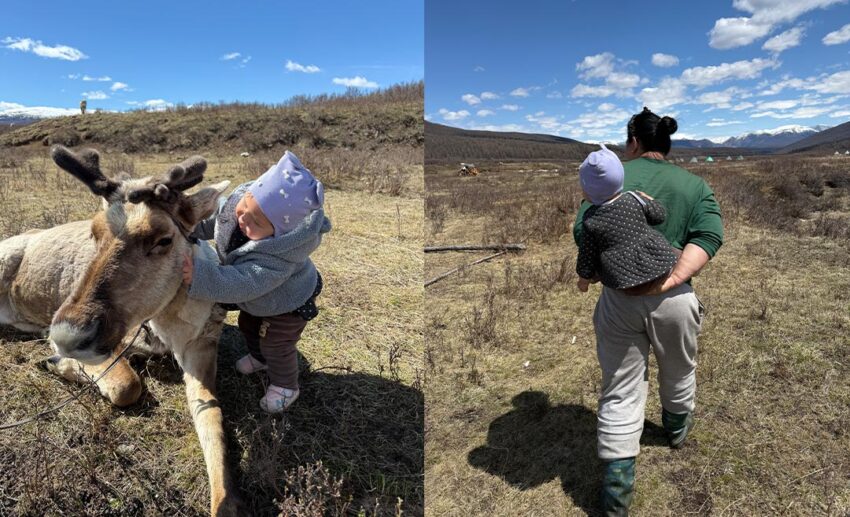
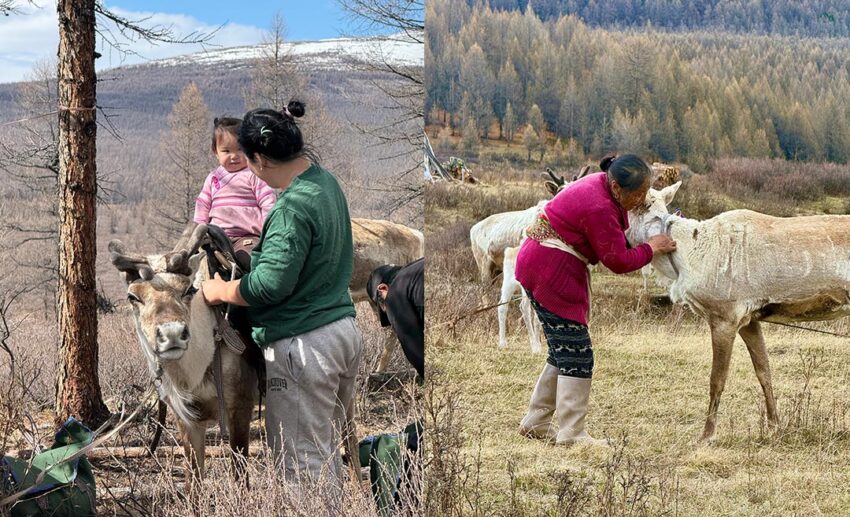
Many of the skills required to survive in the taiga are learned not from books but from family. Knowledge is passed between generations through observation, repetition, and practice. How to prepare certain foods. How to recognise changing weather. How to care for young animals. How to make use of available resources. How to adapt when plans suddenly change.
Yet again, women are often the keepers of this transfer of knowledge.
They teach children practical skills. They preserve traditions. They maintain routines that provide continuity even as families migrate between seasonal camps. Some of this knowledge may seem ordinary from the outside, yet it represents generations of accumulated experience. Without it, life in the taiga would become significantly more difficult.
Travel can sometimes create the illusion that culture is preserved through festivals, ceremonies, or special occasions. But culture is also preserved through the ordinary: recipes, stories, habits. Through the countless small lessons shared between mothers, grandmothers, daughters, and grandchildren.
Hospitality at the edge of the world
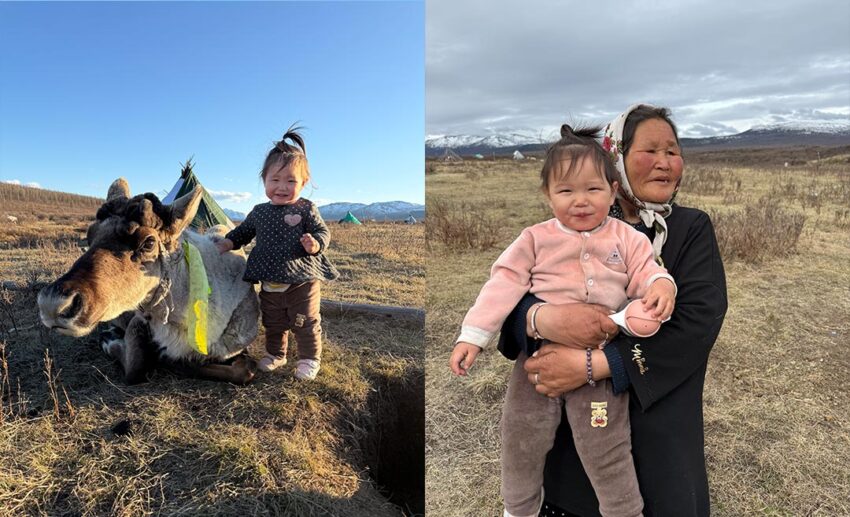
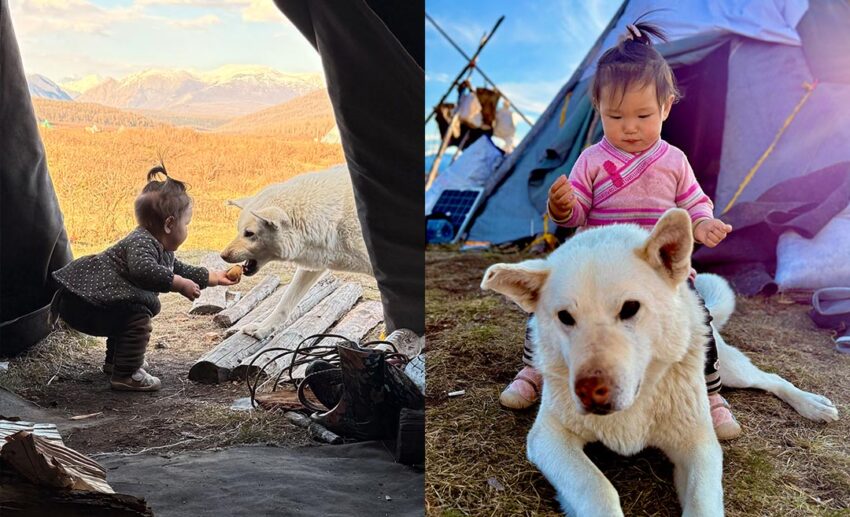
One of the most humbling aspects of my time with the family was the generosity I encountered. Hospitality in remote communities often looks different from hospitality in cities. There are no curated guest experiences. No polished itineraries. No luxury amenities.
Instead, hospitality becomes something far more meaningful. It becomes inclusion.
I was invited into daily life.
I sat beside family members during meals. I slept beside them in their teepee, tucked inside my sleeping bag. I joined in the chores. I watched conversations unfold around me. I was offered food, warmth, guidance, and patience, despite being spectacularly inexperienced at almost everything.
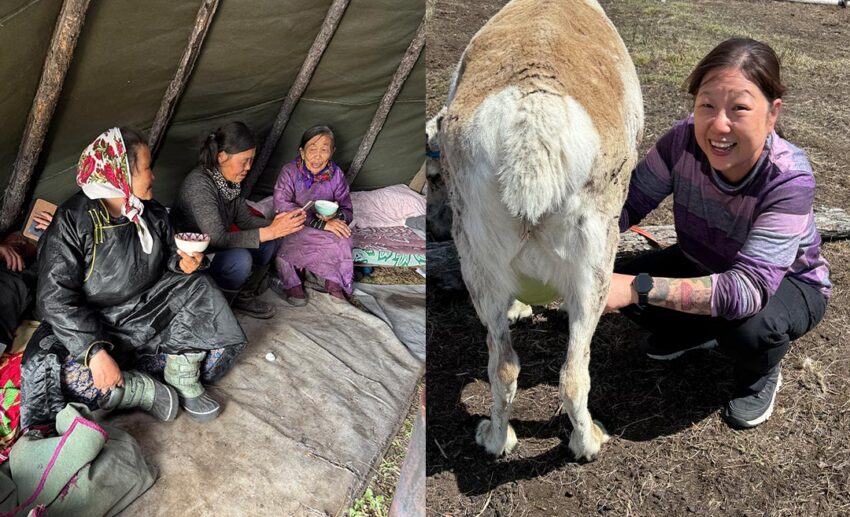
Much of that hospitality came from the women. They were the ones making sure I was fed. The ones quietly checking whether I needed another blanket. The ones explaining unfamiliar customs. The ones ensuring I felt welcome.
This labour often goes unnoticed because it appears effortless. Yet hospitality itself is work.
Strength looks different here
Before arriving in the taiga, I probably imagined strength in the same way many travellers do. Endurance. Survival. Physical toughness. And certainly, those qualities exist. Life here just demands them.
But after spending time with the women in camp, I came away with a broader view of strength. Strength looked like patience, like adaptability, like getting up each day and meeting whatever challenges presented themselves without complaint.
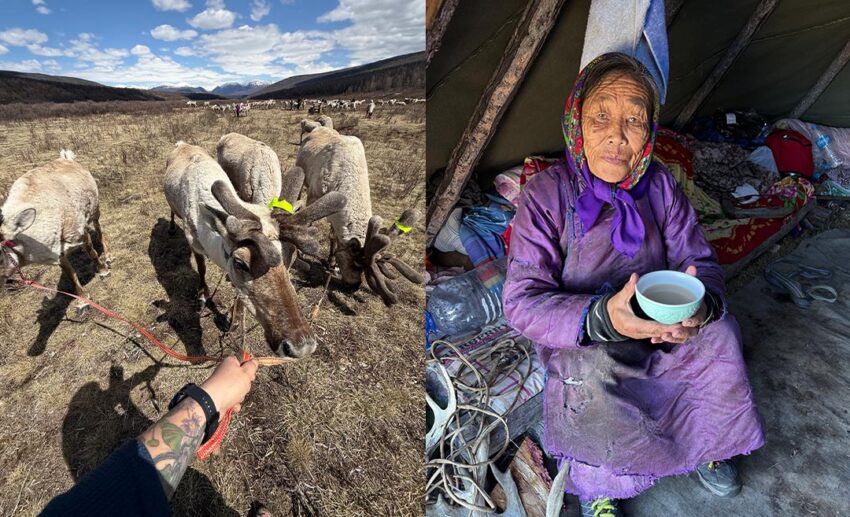
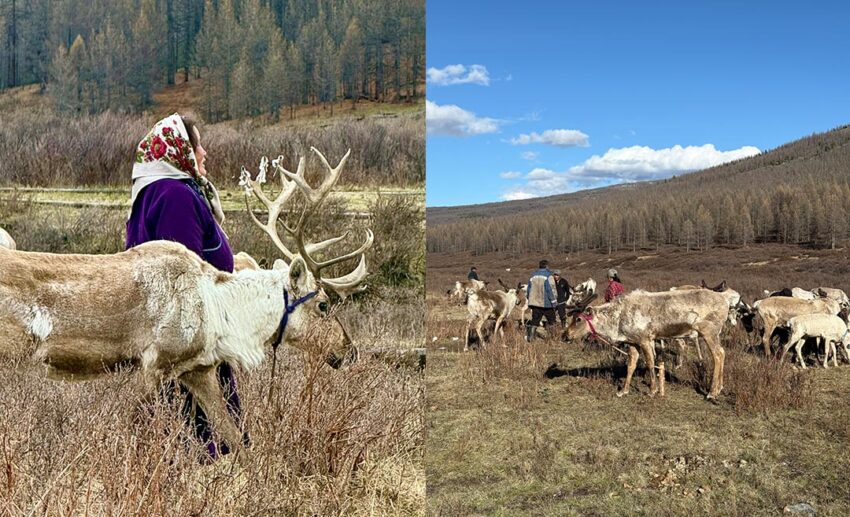
It also looked like caring for others while carrying responsibilities that would overwhelm many people. It looked like maintaining humour in difficult circumstances and creating warmth and stability in an environment that is often harsh and unpredictable.
The women I met were not performing resilience for me. They were living it.
Beyond the romanticised narrative
There is a tendency in travel writing to romanticise remote nomadic communities. We celebrate simplicity. We admire traditional lifestyles. We marvel at people who live differently from us.
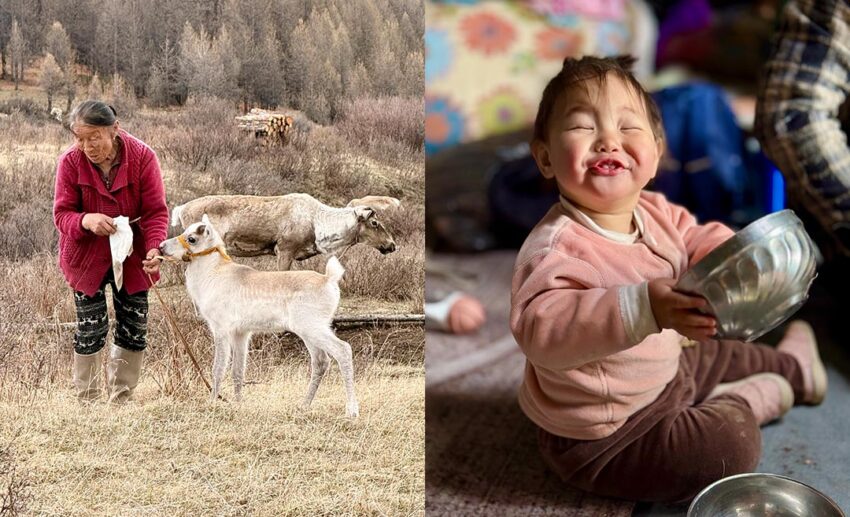
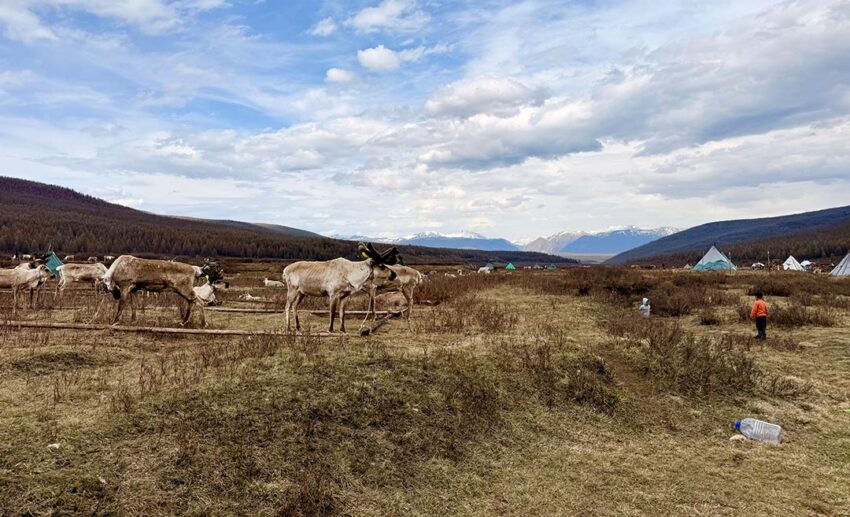
While these perspectives often come from genuine appreciation, they can sometimes overlook the realities of daily life. Life in the taiga is undoubtedly beautiful. It is also demanding.
The women I met were not living in a timeless postcard. They were navigating real challenges. Economic uncertainty. Limited access to services. Raising children far from infrastructure. Balancing tradition with modern realities.
Like women everywhere, they worried about their families, worked hard, adapted constantly, and hoped for a good future for their children. What made them remarkable was not that they lived differently from the rest of us. It was that they met these challenges with extraordinary capability.
The heart of the Taiga
On my final morning, I helped with some of the camp’s routine chores before it was time to leave. The reindeer would continue their migrations. The forests would continue their seasonal transformations. Life would carry on much as it always had.
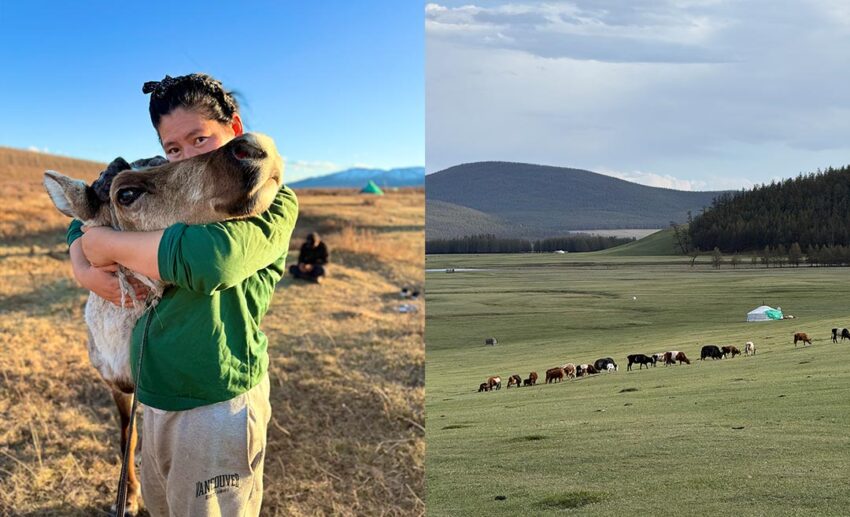
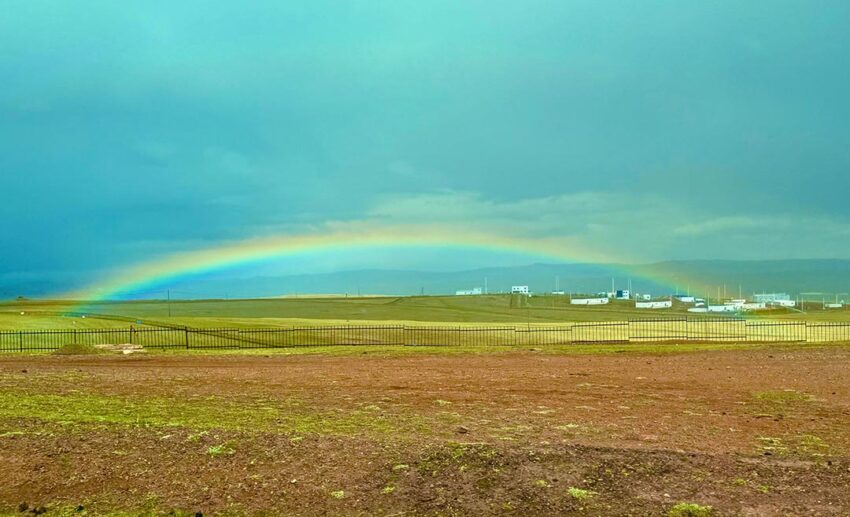
As I said goodbye, I realised that my strongest memories would not be of the reindeer, however special they were, nor of the stunning landscapes, no matter how beautiful.
They would be of the people. Of shared meals. Of conversations translated through smiles and gestures. Of children playing. Of women working, laughing, teaching, and caring.
Having now visited the Tsaatan in both winter and spring, I have seen two very different faces of life here. The landscapes and seasons change, so do the demands on families. Yet one constant remains: the women, whose work, knowledge, humour, and resilience hold everything together.
The women of the taiga may live in one of the world’s most remote environments, but the roles they play are instantly recognisable.
Travellers may arrive in northern Mongolia hoping to see reindeer crossing the taiga. Yet the story that lingers long after the journey ends is one of the women who quietly hold this nomadic world together. They may not be the reason visitors come, but they are the reason life here continues to move.
All photos are by and courtesy of the writer, Lynette Yee.