A rail journey from Kuala Lumpur to Hat Yai turns a quick regional getaway into part of the travel experience.
Train travel is having a renaissance, driven by a renewed appetite for journeys that are more engaging, less stressful, and kinder to the planet.
Train travel is back, and not just because it’s like travelling through a National Geographic documentary, but because it’s slower in the best way, kinder to the planet, and it actually gets you from city centre to city centre without all that airport stress.
Travel numbers confirm the trend too, as global spending on cross-border rail tours jumped 60% between 2019 and 2024. In China, railways carried almost 4.6 billion passengers in 2025, and in India, passenger journeys increased by 8% last year. In Europe, it is booming too: Portugal is up 27%, Polish rail figures grew 13%, and French and German numbers are rising too. Switzerland is a popular destination because it can be explored by state-of-the-art trains that operate to Swiss watch precision.
From Japan’s Shinkansen to China’s high-speed rail and Malaysia’s ETS, rail is no longer simply a backup plan for travellers. It can be the journey itself, offering a chance to watch the landscape change, move freely around the carriage, and arrive somewhere feeling like you have actually travelled there.
For a short international escape from Malaysia, that appeal is particularly strong. A train journey to Hat Yai, Thailand, offers a relatively straightforward way to cross the border while making the journey part of the adventure.
From Kuala Lumpur to Thailand by train
Malaysia is well connected by trains, with the main line along the west coast and another serving the central parts of the peninsula and the East Coast. The East Coast Rail Link (ECRL) is destined to be a game changer for travellers to the east when it begins operations in 2027.
While many of us are unsure about long-haul travel, regional travel is becoming more appealing. Wanting to escape for just a few days, I weighed up the options, and as I was travelling alone, I soon set my sights on a train journey. Malaysian trains connect travellers to Singapore and Thailand, and with a limited budget, Hat Yai was an easy choice.

ETS North to Padang Besar
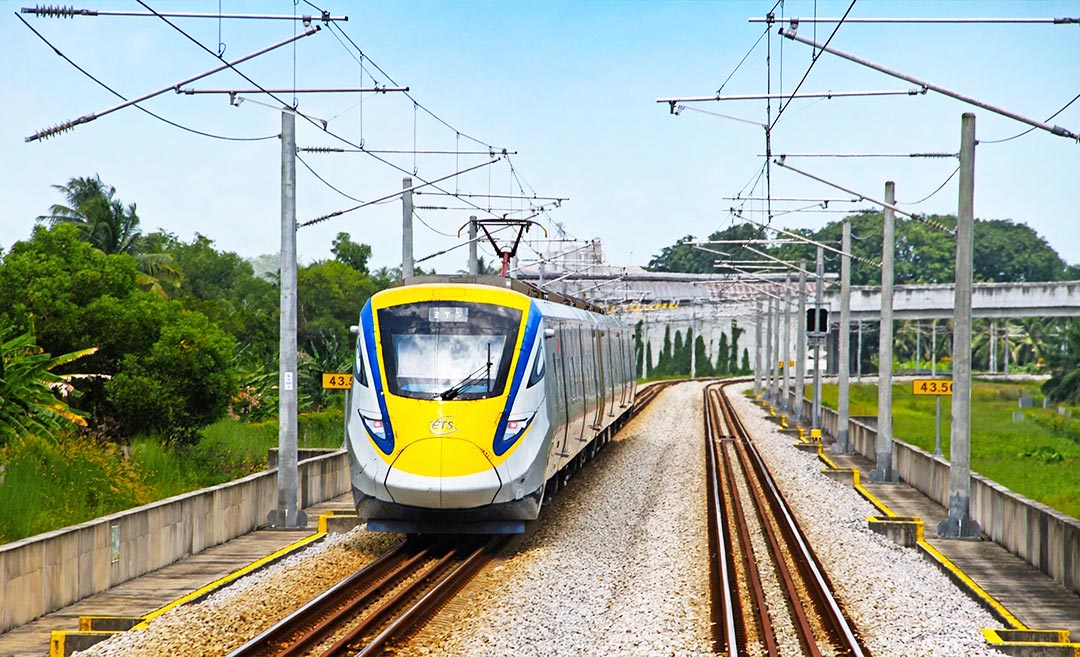
Keretapi Tanah Melayu Berhad (KTM) launched its ETS electrified inter-city service in 2010. Before that, most long-distance trains were diesel. ETS trains are powered by overhead electric wires and travel at a cruising speed of 110 to 120 km/h and up to 140 km/h.
Passengers can join the train at KL Sentral or Sungai Buloh on its northward journey. Express trains stop at the main stations like Ipoh, Taiping, Bukit Mertajam, Alor Star, and Arau on their 5.5-hour journey to Padang Besar. Tickets and current timetables should be checked through KTM’s booking system before travelling.
Passengers can travel in gold, platinum, and business classes. The seating is marginally better than on a plane, but what I love is that you can admire the countryside and freely move about the train. Travellers in a group of four should book the seats in the middle of the carriage which face each other with a table in between.
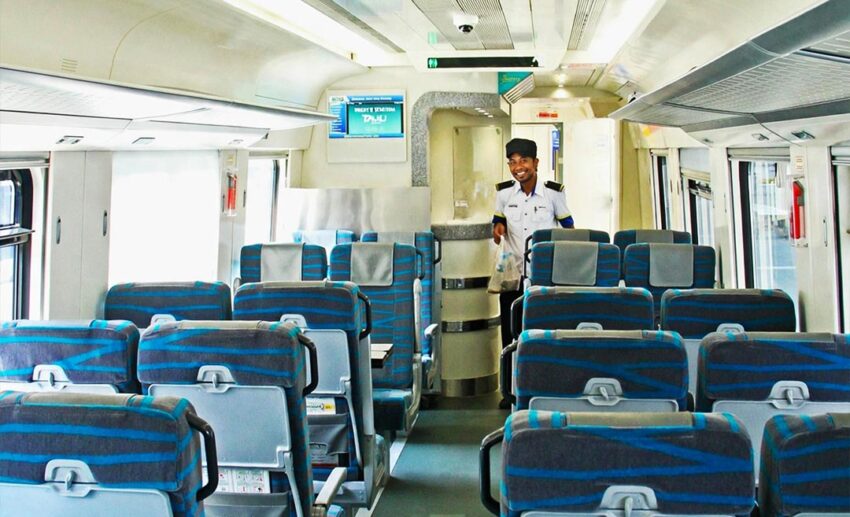
There is an on-board café offering some basic snacks and beverages. Limited seating around the café is provided, but most passengers return to their seats with their purchases. The train crew passes through the train with a food trolley, and business-class passengers are served a meal at their seats (included in the ticket price). Premium passengers also have access to a lounge at KL Sentral where there is a limited range of beverages and snacks, complimentary Wi-Fi, and comfortable, private seating.
There are many advantages to travelling by train, but the main one for me is that I can admire the countryside. While Peninsular Malaysia is not as scenic as, say, Switzerland or Austria, it has its picturesque moments. The forested journey beyond Taiping stands out, as do the various agricultural practices along the way.
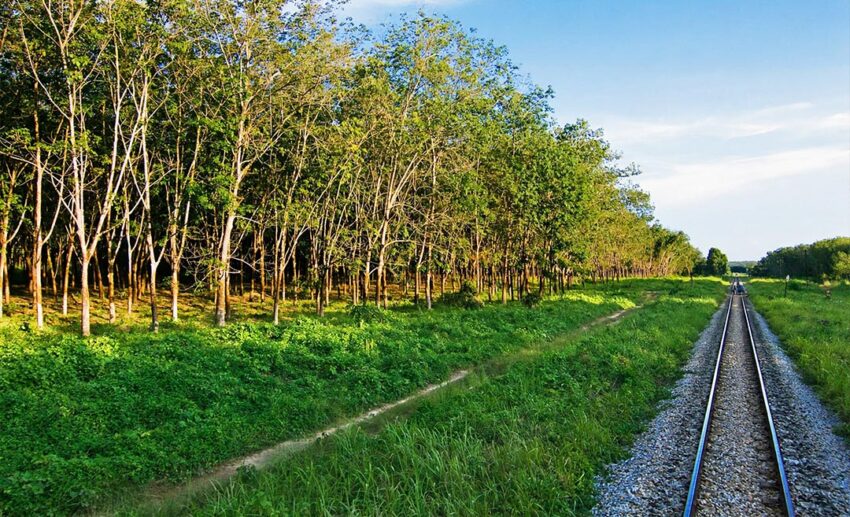
Crossing the border from Padang Besar to Hat Yai
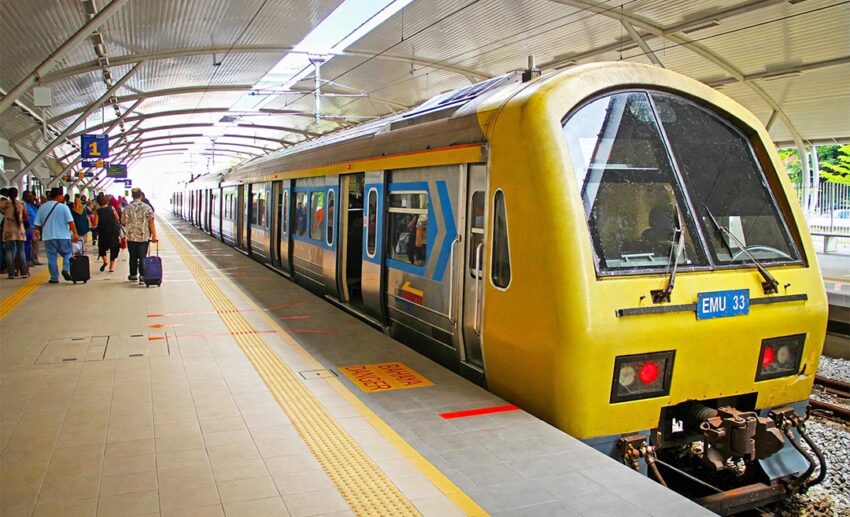
From Padang Besar, the journey continues into Thailand by Thai Railway. The short cross-border ride makes the transition from Malaysia to southern Thailand part of the experience rather than something to rush through at an airport.
Current services should be checked before travelling, as timetables can change. The Thai trains are basic but comfortable enough for the roughly 45-minute journey to Hat Yai Junction. Travellers continuing into Thailand from Padang Besar clear immigration and customs for both Malaysia and Thailand at the station. The Thai shuttle waits on the Thai side for the last person to clear these procedures.
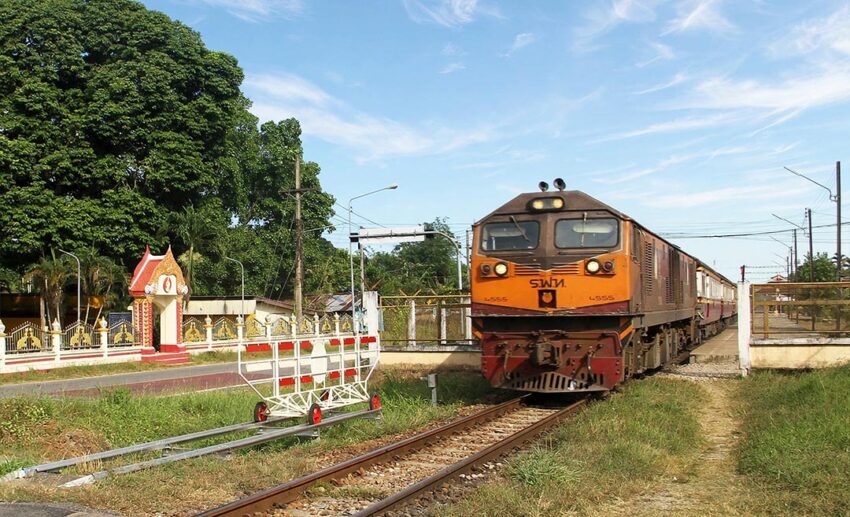
The scenery on the Thai side is like that in Perlis. While it is only a 45-minute journey to Hat Yai, I enjoyed the ride and admired the scenery from the rear of the train.
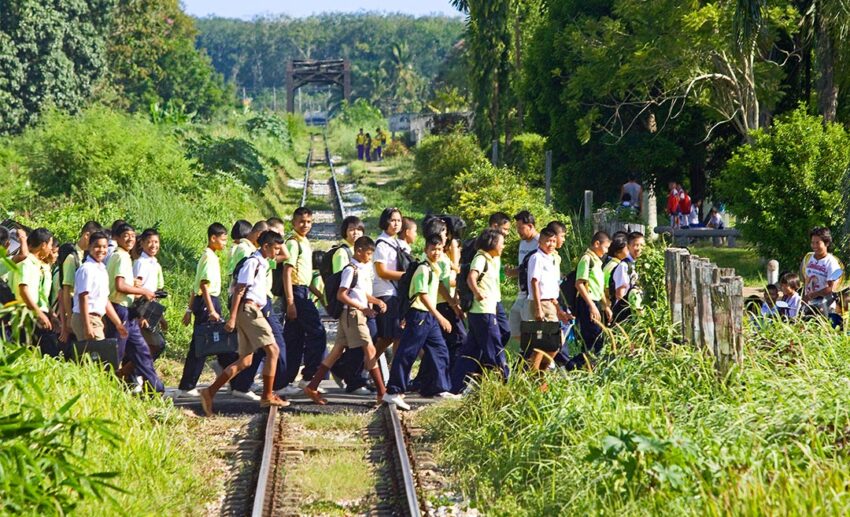
Travellers who want to continue north can also take trains towards Bangkok, including overnight services. A Butterworth-to-Bangkok train has also been planned. Richard Barrow’s Thai Train Guide blog is an essential resource for train travel through the kingdom.
Arriving in Hat Yai: markets, food, and tuk tuks
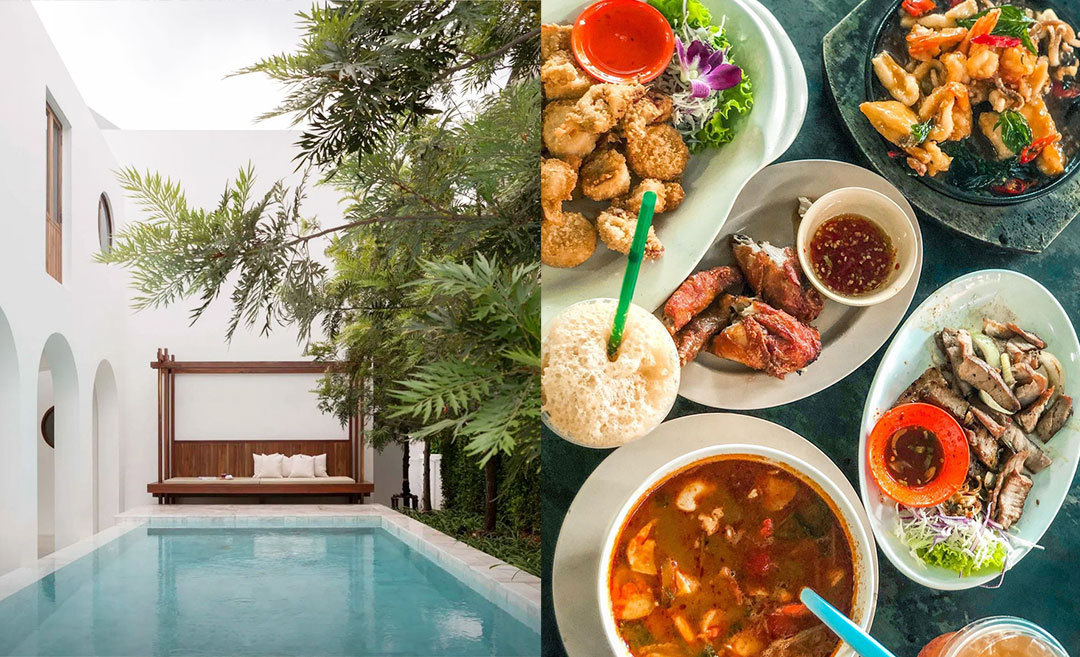
Thailand is very popular with Malaysian tourists, with almost five million travelling to the kingdom annually. Hat Yai is a hot destination as it’s the closest Thai city to Malaysia. It offers Thai vibrancy, delicious food, including halal options, lively nightlife, and enticing shopping.
The weekends are most popular for Malaysian tourists, and there are pluses and minuses in travelling there during this period. While the city is more crowded, the floating markets are staged just out of the city centre.
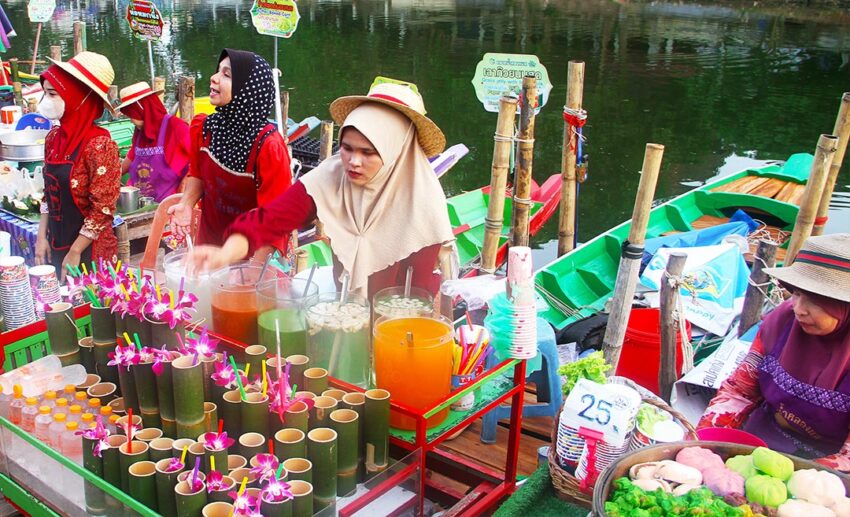
I couldn’t resist the temptation to visit the floating market, so my journey was over the weekend, and while the riverbanks beside the market were crowded, it was still pleasant.

While the markets are staged for tourists, floating markets were once a big thing in the kingdom. Food preparation and presentation remain much the same as they have for decades.
Food is an essential reason for travelling to Thailand, and Hat Yai doesn’t disappoint. I’m always impressed by how food changes within just a few kilometres of the Malaysian border. While there are many identifiable Malaysian and international dishes, it’s Thai food that I especially love.
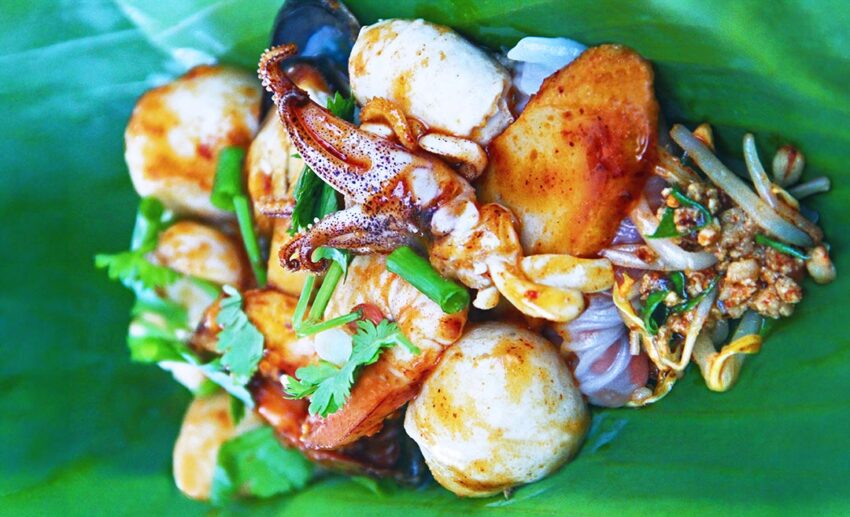
My time was spent exploring markets, discovering dim sum stalls, and simply pointing to dishes that looked tempting. More affordable prices also added to the appeal.
The pleasure of the trip was not just arriving in Hat Yai, but having the time to notice the transition along the way – from the landscapes of northern Malaysia to the border crossing and, finally, the street life of southern Thailand.
Zafigo Pro Guide: taking the train to Hat Yai
KTM has several trains per day to Padang Besar on the border with Thailand. An afternoon Thai train provides a seamless shuttle from the border to Hat Yai. The alternative is to fly or to drive to Hat Yai. Getting around downtown Hat Yai on foot is easy, while Grab is available for more distant parts.
Book your ETS: Take the KTM ETS from KL Sentral or Sungai Buloh to Padang Besar. Check the latest timetable and book ahead, especially for weekend travel.
Allow time at the border: At Padang Besar, you’ll clear Malaysian and Thai immigration and customs before continuing into Thailand.
Take the Thai train: Thai Railway services connect Padang Besar with Hat Yai Junction. The journey takes roughly 45 minutes.
Remember the time difference: Thailand is one hour behind Malaysia, so check departure times carefully when making your connections.
Plan for weekends: Hat Yai gets busier with Malaysian visitors at weekends, but this is also when attractions such as Klong Hae Floating Market are in full swing.
Carry Thai baht: Keep some cash for smaller purchases, and check the current exchange rate before you travel.
Complete your TDAC: Submit the Thailand Digital Arrival Card within 72 hours before arriving in Thailand.
Pack train snacks: The ETS has an on-board café, but the selection is limited, so bring a few snacks and water.
Travel covered: Take out travel insurance, keep your passport and valuables secure, and stay aware of your surroundings, particularly when travelling alone.
Accommodation: Hat Yai has no international hotels, although Holiday Inn Express is scheduled to open in 2027. Hotel Buri Sriphu (www.burisriphuhotel.com) has excellent facilities.
All photos are by and courtesy of the writer, David Bowden.