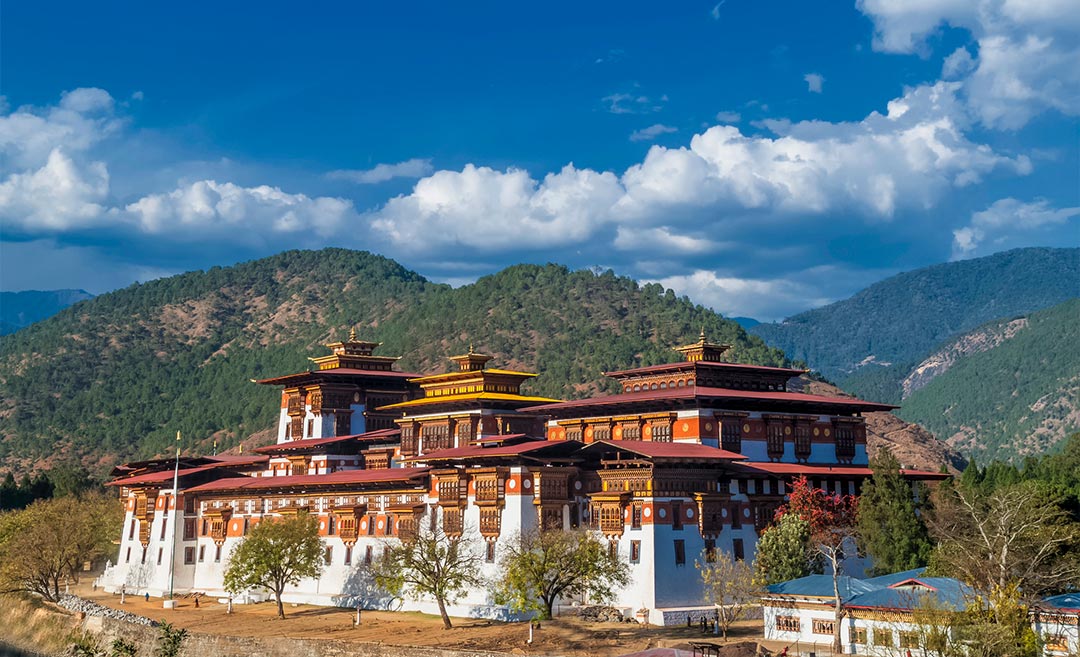
Punakha Dzong stands at the confluence of two rivers, serving as a silent anchor in a landscape that prioritises presence over pace. In Bhutan, the architecture itself seems to invite a slower, more intentional way of moving through the world. (Image by Sunday_Morning)
Sometimes travel can feel like a race. Itineraries are tightly packed to maximise every day, moving quickly from one highlight to the next. Sunsets, street food, and stories are ticked off before the flight home. Even rest becomes something to schedule, squeezed between activities. The unspoken rule is simple: make every moment count.
And then there is Bhutan.
Set high in the Eastern Himalayas, Bhutan offers a markedly different travel experience. The kingdom doesn’t invite you to do more; it removes the pressure to. It doesn’t overwhelm with options or compete for attention. Instead, it creates space for intentional travel and a deeper connection to the landscape.
With controlled visitor numbers and a sustainable tourism model, Bhutan naturally resists the burnout of over-tourism. For travellers from fast-paced cities like Kuala Lumpur or Bangkok, where even short trips feel tightly packed, this slow travel shift in pace can feel unfamiliar, but necessary.
Stillness Already Waiting
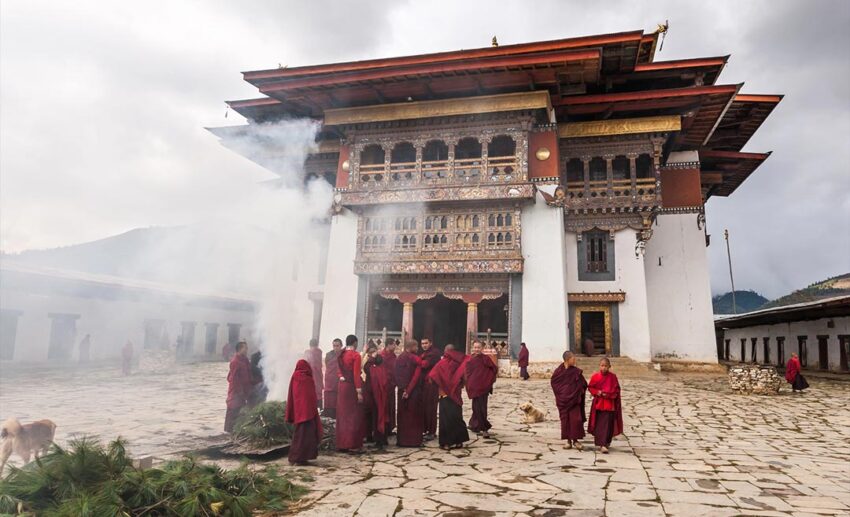
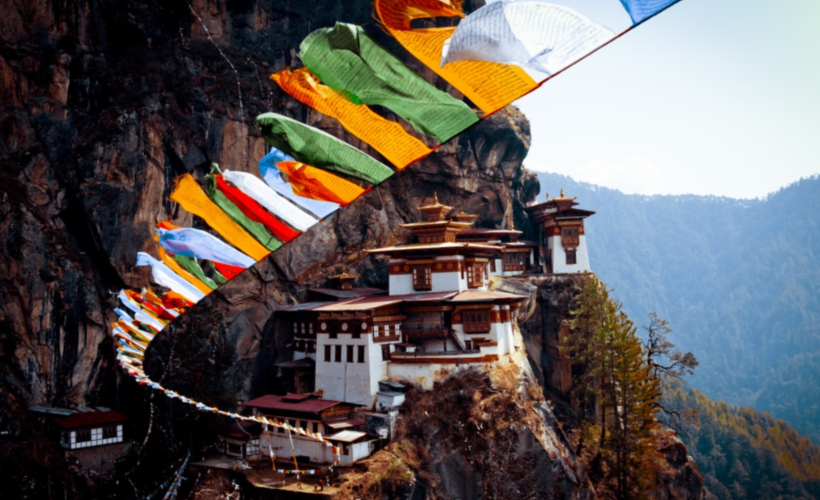
In most places, stillness is something you have to seek out. In Bhutan, it’s part of the environment. You find it in monasteries, where silence feels grounded rather than performative. At Punakha Dzong, where two rivers meet, or in the quiet expanse of Gangtey Monastery, there is no sense of spectacle. Visitors move softly, and voices lower.
Pair that with sunrise yoga in a temple courtyard, mountains framing each breath, and the experience shifts further. Distraction becomes limited. There is nowhere to scroll, nowhere to avoid stillness.
For many, this can feel unfamiliar at first. Then, gradually, grounding.
Healing Without the Hurry
Wellness elsewhere is often packaged into short, results-driven experiences. In Bhutan, it unfolds more gradually. A traditional hot stone bath, known as menchu, involves river stones heated and placed into wooden tubs filled with water and herbs. The process takes time. There is no way to accelerate it.
This same philosophy shapes Bhutan’s traditional medicine. At the Institute of Traditional Medicine Services in Thimphu, consultations focus on balancing the body’s elements: air, bile, and phlegm. Remedies may include herbal treatments, behavioural adjustments, or spiritual guidance—but not quick fixes.
For travellers familiar with Southeast Asia’s healing traditions, this approach feels recognisable rather than novel.
Movement Without a Goal
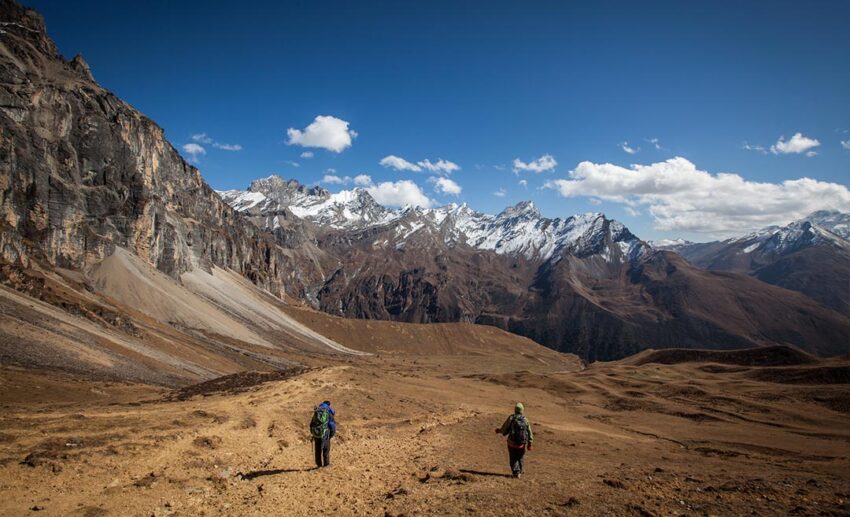
Trekking is a defining part of Bhutan travel, but it isn’t framed around achievement. The Trans Bhutan Trail stretches over 400 kilometres, linking fortresses and remote communities. It can be completed in sections, but distance is not the focus. The experience lies in the pace.
There is time to notice details: flowers blooming along riverbanks, shifting light across mountains, and quiet interactions with others on the trail.
Movement here is not about reaching an endpoint. It’s about staying present in the process.
What’s Left When Everything Else Falls Away
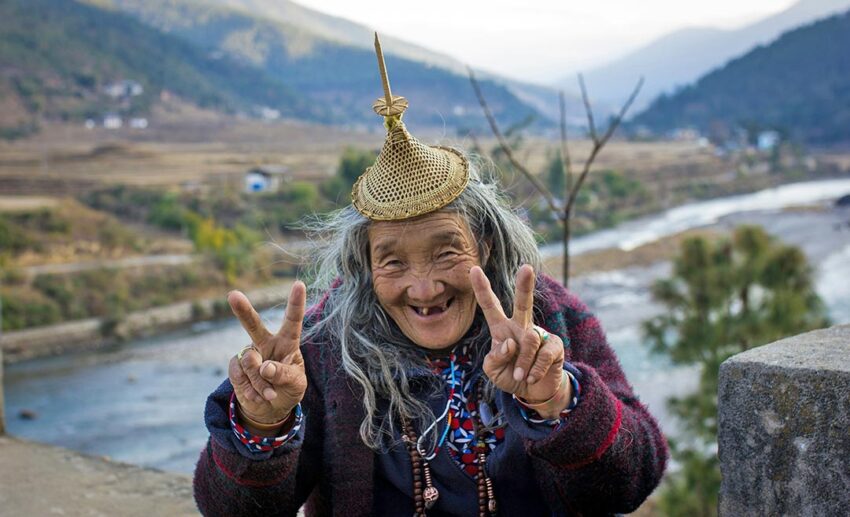
What Bhutan offers is not a checklist, but a reset of expectations.
Without constant activity, patterns become more visible—how often you reach for your phone, or how quickly you try to fill silence.
Days pass without needing to be filled. A morning might unfold with little more than a walk and a conversation. An afternoon might dissolve into stillness, without the sense that something is being missed. The usual markers of a “productive” trip begin to lose relevance.
A Different Way of Travelling
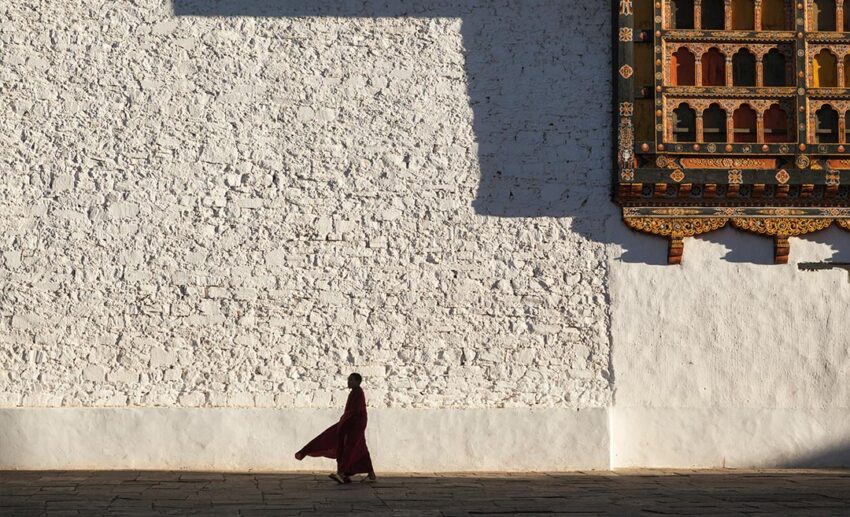
It’s easy to frame Bhutan as a wellness destination. There are yoga sessions, traditional baths, spiritual spaces, and pristine landscapes. But to see it that way is to miss the point.
The country doesn’t offer wellness as something to pursue. Instead, it operates in a way that removes the need for constant activity. And perhaps that is what makes it so compelling.
Less structure.
Less urgency.
Less need to make it all count.
And in that space, something shifts.
Travellers begin to reassess what they actually want from travel. Not dramatically and not all at once, but in a way that’s enough to make you question whether travel was ever meant to feel so full in the first place.
Because in Bhutan, doing less is not a compromise. It becomes the way you experience the country.
Zafigo Pro Tips: Planning Your Bhutanese Retreat
If you are ready to swap the hustle for the Himalayas, here is everything you need to know about navigating the Land of the Thunder Dragon.
Visa requirements
Most travellers require a visa before arrival. Applications can be made online or through a licensed Bhutanese tour operator, with processing typically taking around five working days.
Sustainable Development Fee (SDF)
Visitors must pay the Sustainable Development Fee of USD100 (approximately RM395) per night, plus a USD40 (RM158) visa fee. This is paid in full during your online visa application process before you travel. You will need to show your processed visa—which confirms the SDF has been paid—to board your flight to Paro and again at immigration.
Travel style
Travel here is generally pre-arranged. While this might feel restrictive at first, it actually empowers you to let go of the “planner” role and settle into a more guided, intentional flow.
For women travellers
- Bhutan is widely considered safe, with a strong sense of community and low crime rates.
- Modest dressing is recommended, especially when visiting monasteries, fortresses (Dzongs) and religious sites. Carrying a lightweight pashmina is a practical way to respect local customs without overpacking.
- The slower pace and structured travel style can feel particularly reassuring for solo travellers.
For Malaysian travellers
Build in a “buffer day” in your transit city to ensure your mindset is already slowing down before you land in Paro. Since there are no direct flights from KL, most Malaysians transit through Bangkok or Singapore.
Tourism Bhutan: For comprehensive destination guides, cultural insights, and official travel updates, visit bhutan.travel.