
Guiding senior parents through a cultural heritage site in Shanghai, where travel becomes a shared experience across generations. (Image by Leon Hu)
Planning a holiday with ageing parents while the rest of your life carries on is mostly logistics, and a little humour helps. Somewhere around the check-in counter, you realise you are holding everything: your passport and your mother’s, the printed itinerary, your father’s medication in its labelled pouch, and a phone that has just buzzed with a question from home about where the school form is.
No one appointed you. The role arrived with the first flight booking, and you have since become the family’s travel agent and pharmacist, as well as the one person who knows where the passports are.
For the sandwich generation, caught between caring for ageing parents and raising children or managing other family responsibilities, these trips can involve a little more juggling than the average holiday. But they are still worth taking. It simply goes better when the trip is designed around the people on it, and when your own responsibilities are sorted before you leave rather than negotiated from a departure gate.
Plan a travel itinerary around your parents’ pace

Your itinerary was probably written by an optimist (you), and your father’s knees (or your own) were not consulted. The most useful correction is to plan around whoever tires first, because the whole group will move at that speed regardless of what the schedule says.
Aim for one main activity a day, with a proper rest after lunch, so that a museum visit in the morning leads naturally to a long meal and an hour at the hotel. Three attractions in a single day tend to produce a tired dinner and a late start the next morning, with everyone politely insisting they are fine.
Where you stay carries more weight than it does on a trip with friends. Look for a lift or a ground-floor room, a shower with a grab rail or a low step in place of a tall tub, and a location near restaurants, so dinner does not depend on finding a taxi.
When you read reviews, search for the words “stairs” and “bathtub” before you read anything about the breakfast buffet. Then email the hotel directly to request an accessible room, and confirm that its facilities meet your parent’s needs rather than relying on the label alone.
A few small items travel well in a day bag. A folding stool lets a parent rest at a viewpoint without hunting for a bench, while a screenshot of your hotel’s name and address in the local language can rescue you from a taxi driver who nods confidently but has no idea where you are going. Better yet, book essential activities and transport in advance, while leaving enough room in the itinerary for an unplanned rest.
Treat the paperwork like a small project

Documents are where a family holiday can come apart, so give them a deadline, ideally a month before departure. Check that every passport has enough validity for the destination, since many countries expect several months to remain after your return date, and confirm visa or electronic travel authorisation requirements for each person, because they may differ by passport.
Photograph every document and store the copies in a shared folder that a sibling at home can also open. Nothing says holiday like a folder called “Mum: Medical”, but you will be glad of it the day a form goes missing.
Travel insurance deserves a careful read because many policies set age limits, charge more for older travellers, or exclude pre-existing conditions unless they are declared in advance. Compare a few policies, check the exclusions for existing medical conditions line by line, and declare everything. A claim refused after a hospital stay abroad costs far more than any premium difference.
Before you book, ask your parent’s doctor whether they are fit to fly, and request a short letter listing their conditions and medications by generic name, since brand names can vary from country to country. Carry the medication in its original packaging in your hand luggage, and split a few spare days’ supply between two bags where appropriate and permitted by airline and destination rules, so that one lost suitcase does not become a medical event. Photograph each prescription label as well.
It takes a minute and may spare you a long afternoon in a foreign pharmacy.
Accept the help that is on offer
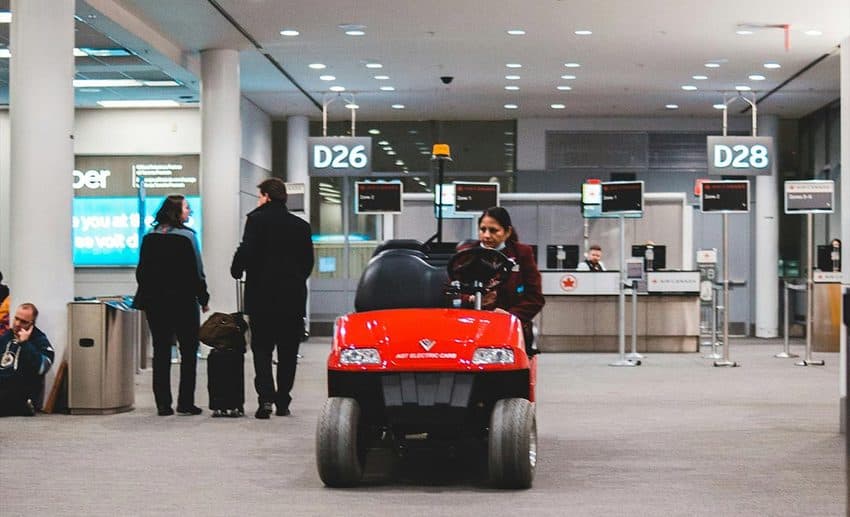
Many parents resist airport assistance, so it helps to describe it accurately as a way to save their energy for the holiday itself. A wheelchair or buggy service can reduce the amount of walking through a large terminal and help with getting to the gate, which matters when the next few hours will be spent sitting on a plane. The service does not necessarily mean faster security clearance, so check what assistance is actually provided.
Airlines generally want advance notice, often a couple of days or more, so request assistance when booking and confirm it again two days before departure.
On the plane, an aisle seat close to the bathroom is worth paying for, along with a gentle reminder to walk and drink water every couple of hours when appropriate and safe to do so. If the flight crosses time zones, try to structure the first day around an early evening and a normal bedtime, and avoid planning anything important for the morning after arrival.
Whatever you can transfer from the home routine, such as medication times, mealtimes, and the afternoon rest, will help your parents feel they are still on their own schedule, which keeps tempers considerably more stable.
Give your parents a phone that works at the destination, either through a local eSIM or a portable Wi-Fi unit, and share live locations at the start of every day. They will be glad to reach you, and you will not need to pace a shopping street asking strangers whether they have seen a woman in a green cardigan.
Sort out your own life before you leave

The part rarely covered in travel advice is the life you left at home, which does not pause because you have gone away. If your children stay behind, write a one-page handover covering routines, school pick-ups, medical details, and the number of whoever is covering.
At work, set an out-of-office message that sounds firm and a rule for what counts as urgent. You will probably still check email, so choose one fixed window a day and stick to it. That is far better than a constant low-level glance at the phone that ruins both the work and the holiday.
If you have siblings, delegate before departure. One can hold the medical file and insurance details, another can act as the contact at home with a copy of the itinerary, and a third can manage the shared costs, so the arithmetic is settled before anyone is standing at a restaurant till.
The sibling who cannot travel is hereby appointed head of operations, a title that tends to be accepted gladly. Set up a single family group chat for trip updates as well, so that you are not answering the same question from four relatives in four separate threads.
If your own children are on the trip, give each adult one clear job. Your father could be in charge of snacks, for instance, while your mother looks after the cards for the plane. A role makes grandparents feel useful, and it spreads the load more evenly than anything else you can do.
The goal is not a flawless trip, and a missed attraction matters less in the moment than it did while you were planning. What counts is that your parents arrive safely and spend the days feeling like travellers instead of patients, and that you return with your own life still in order.