A creative retreat begins with a dedicated space and the intentional act of silencing the outside world to let new ideas take root. (Image by laura adai)
In a perfect world, writers, artists, musicians, and creatives of all disciplines would have all the time and space they need to devote to their art forms. Alas, everyday routines, responsibilities, and bills to pay aren’t exactly accommodating to the artistic spirit.
If only you can afford to take time away from the mundane to just focus on your craft: that book or screenplay you’ve been wanting to write, the album you’ve been wanting to compose, or the story you’ve been wanting to tell through a series of illustrations. That’s where creative retreats come in. Planning an artistic getaway can help turn ideas into tangible progress.
Regardless of what level you are at with your skill, everyone with an artistic side to nurture can benefit from building intentional travel into their routine. Even in small ways, they can be a powerful way to nurture your practice and reconnect with our purpose.
1. Start Small: Make Creative Retreats a Personal Commitment

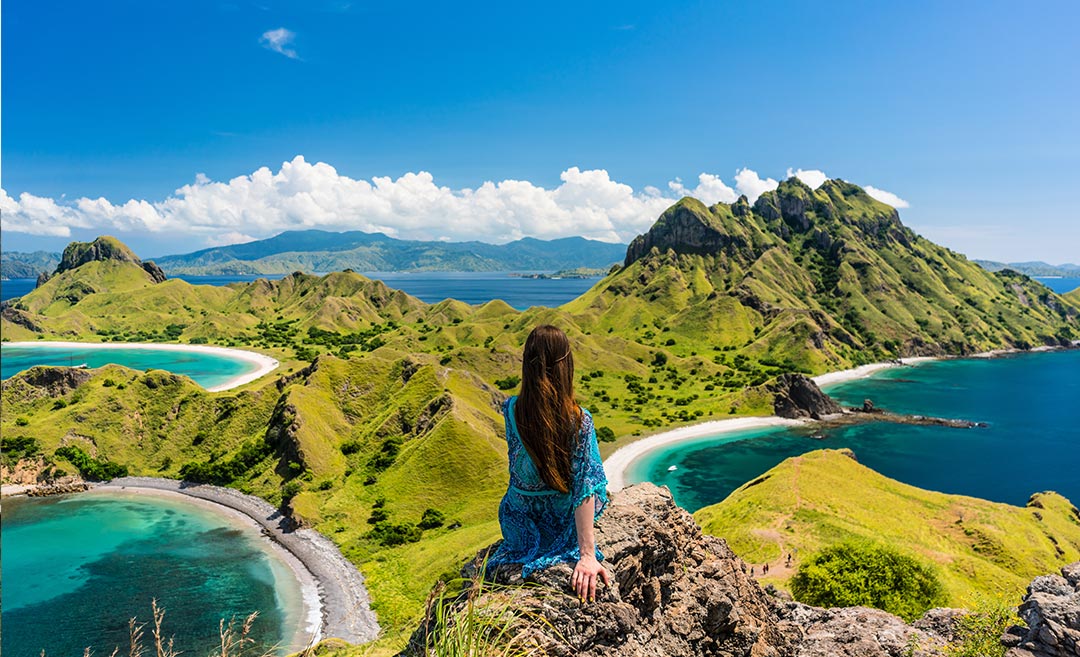
A creative “retreat” doesn’t have to involve spending a weekend at a remote villa overlooking the ocean while you make art (although that would certainly be lovely); it’s about intentionally carving out moments to step away from the daily grind just to focus on the thing that sets your soul on fire.
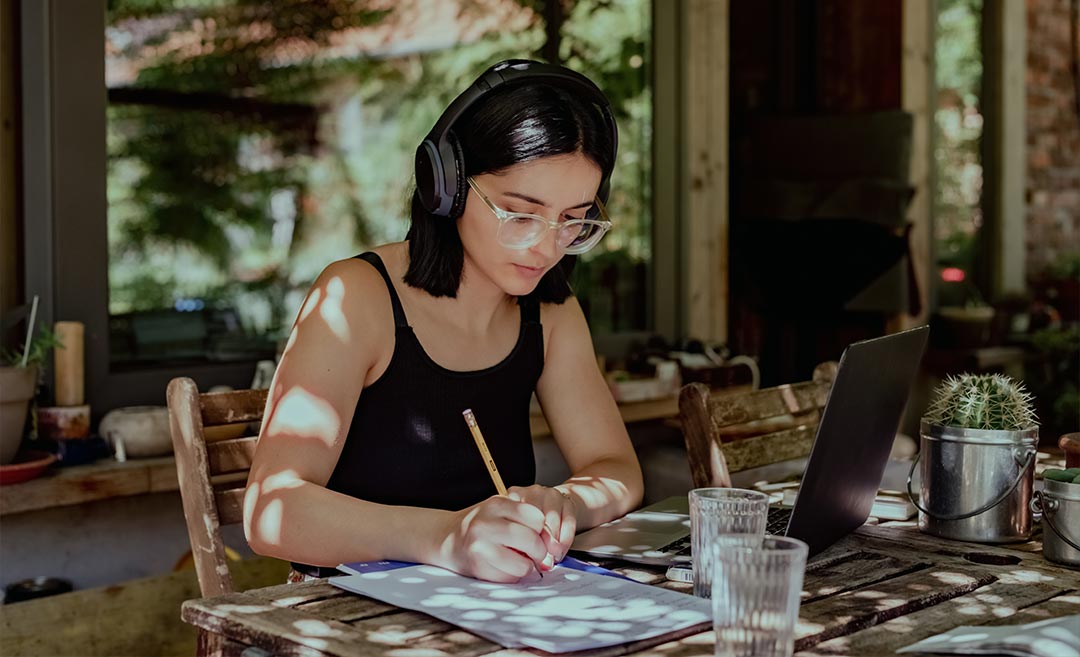
It doesn’t have to be a luxury, but rather something you can plan around life’s many priorities. It could be a few hours at a cosy cafe on the weekend to write a short story, a day trip to a nearby town with a camera, or simply having your spouse take the kids on an outing for you to finish a painting.
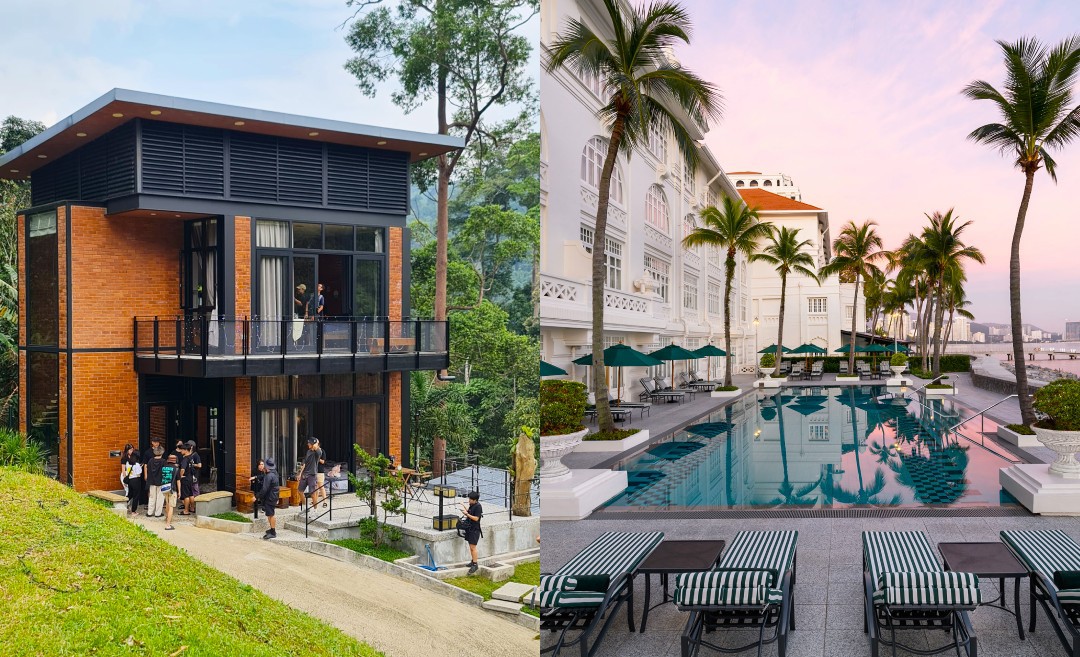
Start by planning mini adventures around town where you can get a few hours of respite from your routine. Think about public libraries, cafes, parks, coworking spaces, and unused rooms at local community centres. If you are feeling particularly adventurous, consider booking a night’s stay at a boutique hotel in town. Along with uninterrupted time for yourself, these small escapes make for a good reason to visit an unfamiliar part of town.
Here’s a time-saving tip: Keep all your tools of the trade – laptop, notebooks, art supplies, camera, and anything you need to create – in one dedicated workbag as a grab-and-go creative kit.
2. Plan Longer Creative Getaways for Deep Focus

When you consistently make time for creativity, projects that once felt like pipe dreams begin to take shape. You may find yourself feeling more confident and motivated to bring them into the world.
Once you’ve experienced the impact of habitual retreats, it may be time to plan longer getaways where you can immerse yourself more deeply into your work.
You can plan for a creative retreat the way you plan for any trip: decide on a time, place, and budget. Unlike those other leisure trips, the key difference is intention. This is travel with a set objective and purpose, not just an itinerary.
So, consider whether your chosen environment supports productivity. Look for spaces that align with your needs, whether that’s quiet solitude, inspiring scenery or access to creative communities.
Depending on your goals, you may want accommodations with common areas, soundproof rooms, reading spaces, fitness facilities, or reliable internet access (or even limited connectivity, if you prefer fewer distractions).
3. Find Your Creative Tribe

Working on a creative project can feel isolating at times, but it doesn’t have to be. Look for local creative communities, hobby groups, or professional networks where you can mingle with like-minded individuals.
You’ll often find creatives at various skill levels and different stages of their journey who are willing to share tips, feedback, and encouragement. Some groups even organise regular work-in sessions and group retreats, providing both accountability and inspiration.
If you’re building a career or business around your art, being part of a creative network opens doors, helping you make connections and stay up-to-date as you build your body of work.
4. Set Clear Goals for a Productive Creative Retreat

It should be remembered that a retreat is not a staycation; it’s dedicated creative work. While it’s easy to get swept up in the excitement of a getaway, having clear, measurable goals ensures your time is well spent.
This could mean writing 10,000 words, filling out 10 pages of a sketchbook, or taking a certain number of photos per location – anything where you’ll be making strides in your project.
Set rules and boundaries, too. Limit distractions by putting notifications on silent, reducing social media use, and letting people know that you’re not to be bothered during your retreat.
Creativity often thrives when your imagination is allowed to flourish, especially when you’re able to set aside daily stress and obligations, even for just a few hours. So, think of retreats as a commitment to yourself to keep the passion alive and make it unapologetically part of your creative ritual.