A gentle seven-step guide to resetting your habits and wellbeing in 2026, without hustle culture or burnout. (Image by Buritora)
As much as we love the fruits of a year’s hustling and hardcore resolutions, it is okay to admit that they can be pretty overwhelming. Whatever happened to self-wellness and simple existence? Things like going for gentle walks at sunset, letting the breeze caress your hair, allowing boredom to exist simply, or spending a long time brushing your hair on slow evenings.
If you are like us and are still recovering from the burnout of the previous year, this is a safe space for you. Away from high-energy New Year resolutions, there are plenty of simpler things that are just as good to focus on when it comes to an inner reset. And you know what? They matter just as much, if not more, towards becoming a better version of yourself, without all the hustle.
Step 1: Relearning resting habits

Life gets so busy with work, social life, and everything in between. There is no shame in taking a breather from productive days by sleeping through those weekend mornings. In this no-hustle guide to a better you this year, what you will need to do is, first and foremost, unlearn the guilt associated with doing nothing.
Resting and sleeping are not exactly “nothing” either, when you think about it. You are providing yourself with the time and space to replenish much-needed energy when the body calls for it. Even though we have come to learn that adults do not necessarily need the often-cited eight hours of sleep, it is always best to follow your personal needs. If eight is what your body is asking for, then so be it.
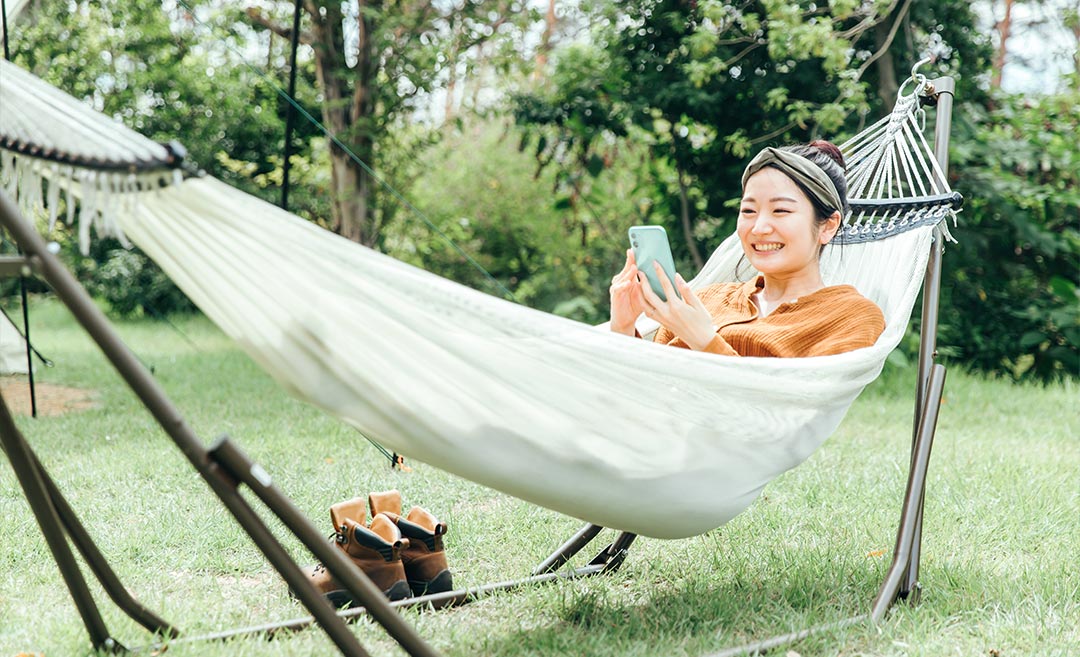
The same goes for non-sleeping rest. Lie in the grass to observe the sky, or simply allow yourself to rest the mind and body. Take advantage of your free will.
Step 2: Building a stable habit

There is a unique beauty and solace in a comforting anchor habit. Establishing something of that nature for yourself is actually more important than you might think. Think of it this way: after a relentless day of mental and physical output, it is comforting to genuinely look forward to something without having to expend even more energy.
One such anchor habit you could adopt is nightly reading, which is not only beneficial but also helps you work through your TBR list. If you are a certified morning person, a ritual at the start of the day (like sipping a steaming cup of tea) can offer the same sense of stability. A quiet, bracing-yourself-for-the-day moment, you know?
Step 3: Resetting attention span

Digital consumption has undeniably become an inescapable part of daily life. Whether for leisure or work, screen time adds up quickly, whether you are actively seeking it or not. Resetting your attention span does not mean committing to a hardcore digital detox.
Instead, it can be as simple as choosing shorter screen-time windows or practising phone-free mornings. These small shifts improve your presence beyond your devices, while also sharpening your focus during the time you do spend online. In a way, it is a gentle attempt to undo what many now refer to as the TikTok attention span.
Step 4: Mapping money for financial calm

Almost everyone has attempted aggressive budgeting at least once, and honestly, it is rarely sustainable, nor is it a good financial management method. A no-hustle approach to finances involves something gentler: mapping your money. Instead of cutting costs abruptly, take time to understand your spending patterns and where your money naturally flows.
Once this becomes clear, organising your income, allocating expenses mindfully, and setting achievable financial goals becomes far easier. This approach also helps you avoid unpleasant extremes, like surviving on instant noodles purely in the name of saving.
Step 5: Setting up an “Enough” list

Having too much on your plate can be overstimulating, even if the sense of accomplishment feels rewarding. But as we aim for a calmer version of ourselves in 2026, stepping away from this norm may be exactly what you need.
Instead of racing through endless to-do lists, create an “Enough” list — a concept introduced by blogger and author Melissa Camara Wilkins. Limit it to three meaningful tasks that signal you have done enough for the day. Everything else becomes a bonus, teaching you to value effort over excess.
Step 6: Working on one slow skill

This step is about long-term fulfilment. A slow skill can be anything — from basic life skills like cooking and sewing to more hobby-specific skills, such as pottery or gardening. Choose one that excites you and allow yourself the entire year to explore it without pressure.
For example, instead of mastering countless recipes, focus on a few cuisines. This removes the expectation of perfection and allows confidence to build naturally. Over time, your skills will deepen, making future learning far less intimidating.
Step 7: Reassessing commitments
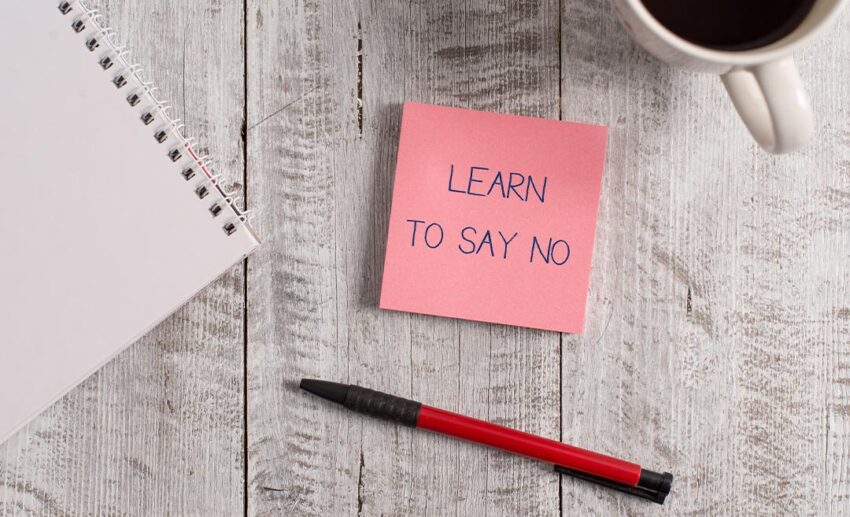
Plans, plans, and more plans. This final step is about learning to say “no” — kindly and without guilt. As invitations roll in for the year ahead, remember that every yes is also a commitment.
If an activity does not align with how you want to feel in 2026, it is okay to decline. Reassessing your commitments creates space for what truly matters, protects your well-being, and might even save you a little money along the way.