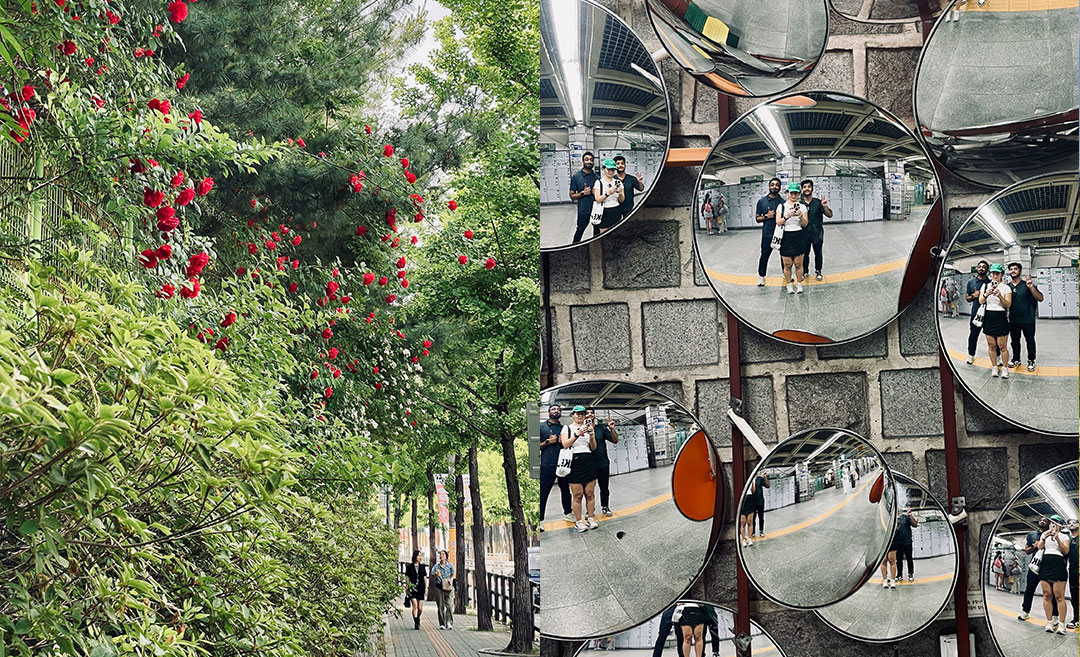
Taking the leap to move to a new country requires moving past the tourist lens and experiencing what moving abroad actually looks like on an ordinary day. (Image by Linda Xu)
Moving abroad is not a simple decision to be made in a few days. People relocate for many reasons, whether for a new career opportunity, higher education, or to be closer to a long-distance partner. Whatever the reason, making a few visits to the new location is generally wise before committing to the move. These visits allow you to get a feel for what your new environment will be like.
Aside from shorter, exciting visits where you get to play tourist in a brand-new city, it is also important to plan an extended stay to experience daily life more realistically. This can help prevent unexpected setbacks or frustrations early in a relocation when things do not turn out as expected. One of the best ways to prepare for moving abroad is by spending a week living as closely as possible to how you would as a resident, using the opportunity to test whether everyday life, living costs, and local routines truly suit you.
Rent local accommodation

The first step towards experiencing the local atmosphere is living where locals do, and that can be done by skipping hotels and renting an apartment, serviced residence, or local guesthouse in a neighbourhood where you could realistically afford to live. Other than being typically more spacious than a hotel, you can take the chance to try getting used to how early mornings and late nights sound in the area. While not long, a week can still be plenty of time to familiarise yourself with the area’s natural rhythms and decide whether it is somewhere you could genuinely see yourself living.
Noise levels can also be pretty telling of the quality level the area has in terms of security, in addition to serenity. If it happens not to be what you are comfortable with, you can choose a different area to stay in for the next visit to do a trial run in and compare fairly. An additional aspect that renting local accommodation allows you to assess is internet speed and reliability, which can eliminate future stress, especially if you plan to work remotely after the move.
Use public transportation
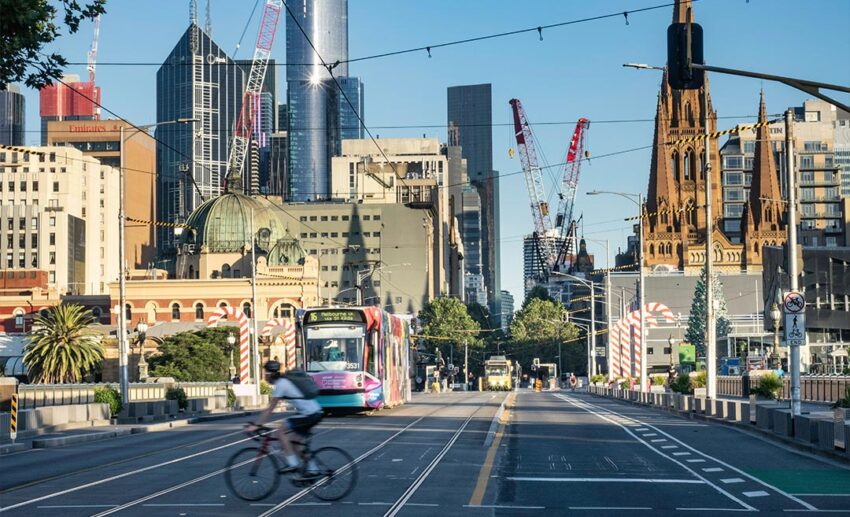
Every country, and even different cities, has its own public transportation system. For example, if you are moving to cities like Lisbon or San Francisco, trams or streetcars are likely to become your frequent mode of transportation if they have never been one here. Staying on top of a new rhythm in a new city means getting in tune with one of its most important systems: public transportation. During this extended stay, use public transportation to get around town like everyone else, even if it is just for a quick breakfast run.
Sure, you could get your vehicle shipped all the way to your new home once you have moved your life over to the new location, especially if the city happens to drive on the same side you do. However, if getting a head start to familiarise yourself with the city or town is the goal, heading outside to see how well you do with the unfamiliar movement is great for a taste of what is to come. Take this opportunity to observe how locals pay for transportation, assess the system’s reliability, and even test commute routes to a prospective workplace if the move is career-related.
Do grocery runs

Living like a true local means not dining out half of the time, which also means you will need plenty of food stocked in the kitchen. In ensuring that, there will absolutely be a need for grocery runs. Grocery runs, while mundane, are practical because they allow you to realistically assess your monthly budget and understand where and how to obtain everyday essentials. If you are a Malaysian local looking to move abroad, there are possibly plenty of new norms to get adjusted to.
While your local Lotus’s may provide everything in one place, you may need to visit specialist Asian markets if your new destination does not have a large Asian population. I will put it this way. A typical market in a European city definitely would not offer items like belacan and ready-made chilli oil on the shelves. Doing research before navigating these markets is a great idea, so you can map out which ones to go to for what needs and confirm them when you get to each place. Pricing can also vary significantly between stores, so doing grocery runs during your extended stay provides valuable early insights into day-to-day living costs.
Observe the neighbourhood and its people

Renting in the local neighbourhood is a great start to knowing the city, but getting out to observe and interact with the neighbourhood and its people is the key to discovering your chemistry with the environment. The best way to do this is by taking a walk at different times of the day. Observing noise levels can give you clues about safety and quality of life in the neighbourhood, but experiencing it firsthand is an entirely different matter. You can also meet some new people while you are at it, who can potentially help you out with knowing the neighbourhood way more than simple observations could.
Unless residents tend to be particularly reclusive, it does not hurt to strike up conversations and learn about the area’s everyday routines and community life. Maybe you can picture yourself getting involved in local community activities and public events that typically happen there. Identifying these little details firsthand also helps you assess how welcoming the neighbourhood and the people are towards new residents.
Survey essential living costs

Costs that tourists rarely think about are often the things that can make or break a relocation decision. The idea of moving abroad can feel exciting enough that it becomes easy to overlook how dramatically some everyday expenses may differ from what you are used to. Knowing how to survey these costs is important so you do not go into overdrive from culture shock in a hasty decision to move abroad. You never know how well your body will adapt to a new environment, so researching healthcare options should be among your top priorities. Surf the internet, or better yet, ask around local healthcare centres like clinics and pharmacies to know your options. You might be shocked by how rare it is for doctors in certain cities to take walk-ins without appointments.
Learning how the system works helps you understand what to expect, even if it differs significantly from the healthcare access you enjoy at home. If you are moving your entire family with kids abroad, surveying other costs like potential school fees is worth a spot in your priority list as well. The goal by the end of the week is to have a clear picture of what a typical month would cost you as a resident, as it determines whether the move is sustainable in the long run, especially if it is not a solo move.
Immerse in the local culture
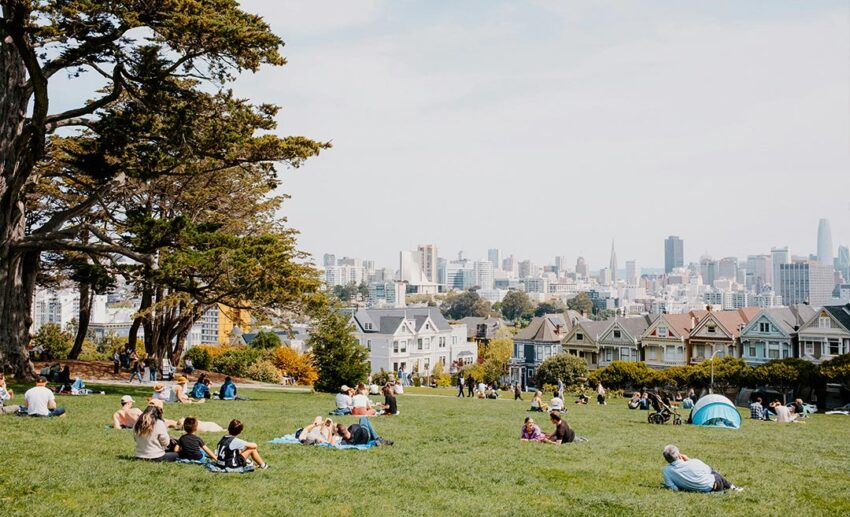
As every other important thing has received its attention during the stay, you can take it easy with a lighter, but equally revealing task to end the trip on. Think about the weekend activities you might get up to as a local in the area, and see what options are available. Visit museums, attend community events, listen to local music and radio, follow local news or simply spend time in public spaces where locals gather during their free time.
Being a visitor is different. While festivals, nightlife, and cultural attractions may feel magical during a short holiday, you need to assess them as elements that could eventually become part of your everyday environment. Are you excited about immersing yourself in them, or will there be some time needed to get used to them? The more familiar you become with the local character of the place, the easier it will be to determine whether it feels like somewhere you can truly belong. Even so, do not feel pressured to embrace everything immediately. Once the practical aspects of relocation have been addressed, you can turn your attention to a lighter, but equally revealing, task.