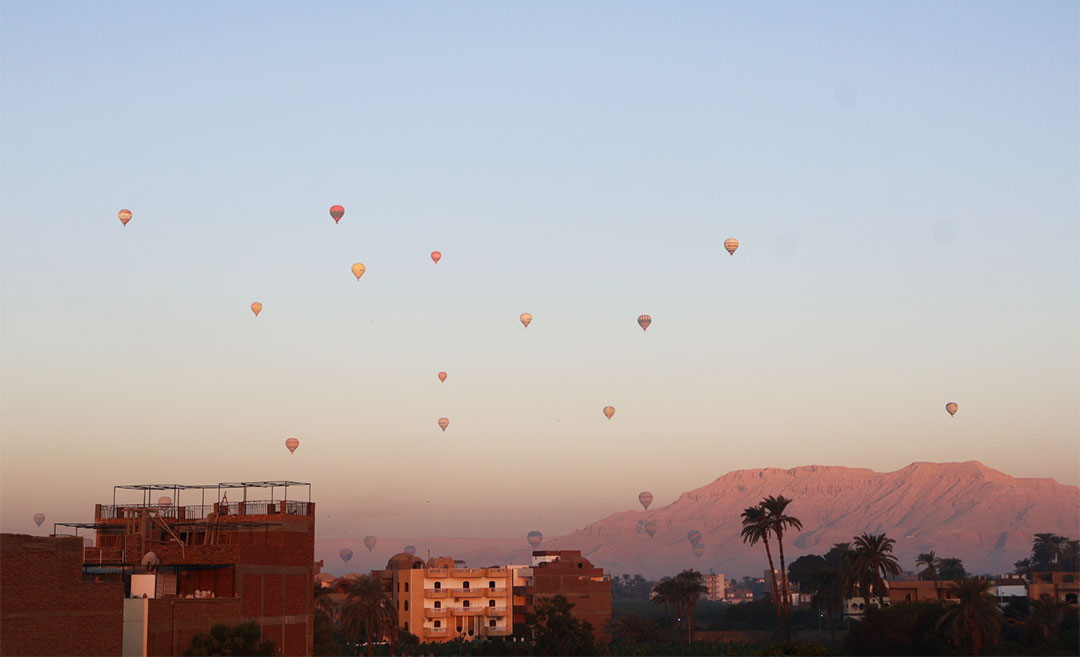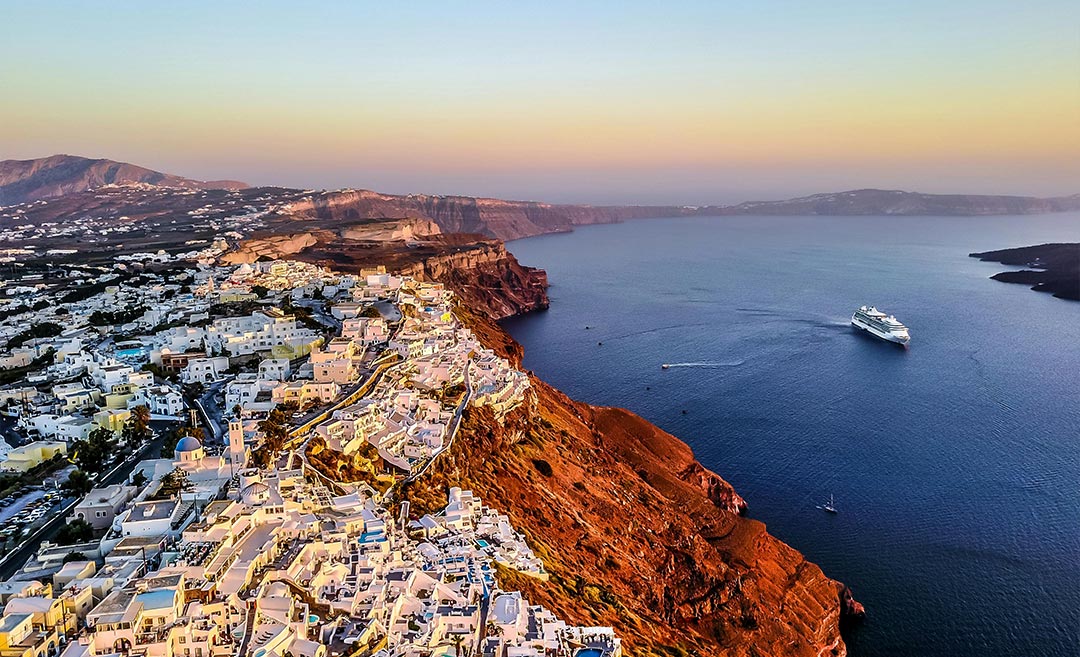
As the Aegean sun begins to dip, the Mediterranean reveals its true magic—proving that the best moments happen when the heat finally breaks. (Image by Nextvoyage)
Mediterranean summers haven’t lost their magic, but they have changed. In destinations like Santorini, the Amalfi Coast, Barcelona, and Dubrovnik, peak-season days are hotter than ever, yet travellers aren’t giving up on summer in the Mediterranean. Instead, they’re learning how to experience it more intelligently.
Rather than escaping the heat, experienced travellers are redesigning their days around it, shifting activities into cooler hours and embracing a slower rhythm that makes summer feel magical again.
Early mornings and late evenings are now the most coveted windows of Mediterranean travel, reshaping the classic summer itinerary into something more intentional and far more enjoyable.
Welcome to the Golden Hour itinerary: a smarter way to experience the Mediterranean summer at its best, where we share practical tips to help you plan even your hottest days around the coolest hours.
Designing the day around the coolest hours
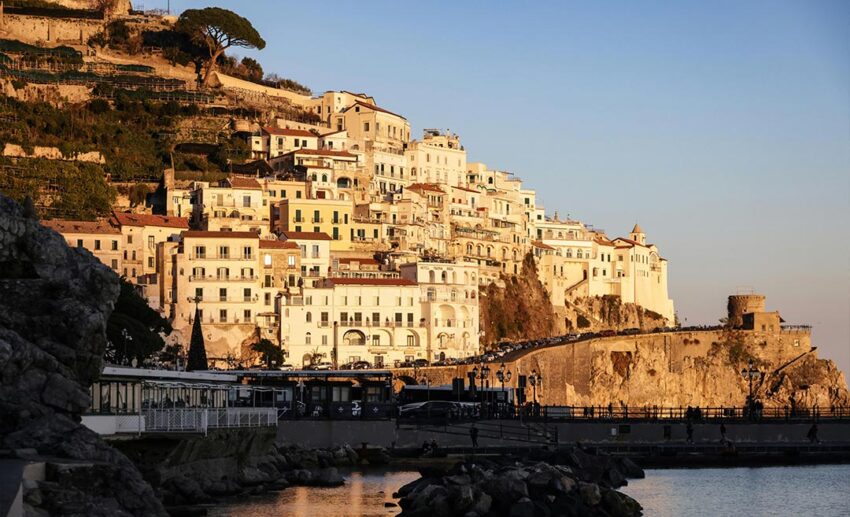
The modern Mediterranean itinerary increasingly revolves around early mornings and late evenings, when the climate is gentler, and destinations feel calmer.
☀️Golden Hour Tip: Start early to see destinations at their best
Morning window (around 7am): Reserve high-energy activities like walking tours, market visits, coastal swims and gallery hopping for the crisp early hours. Cities feel quieter, the light is softer, and the experience feels more intimate.
☀️Golden Hour Tip: Protect your energy with a midday reset
Midday pause (12pm–5pm): When the sun is strongest, retreat indoors. Mediterranean travel has long embraced the midday pause, and it is quickly becoming essential again. This is the time to nap, read, swim, enjoy a long lunch or simply rest in the shade before the evening begins.
Choosing stays designed for hot climates
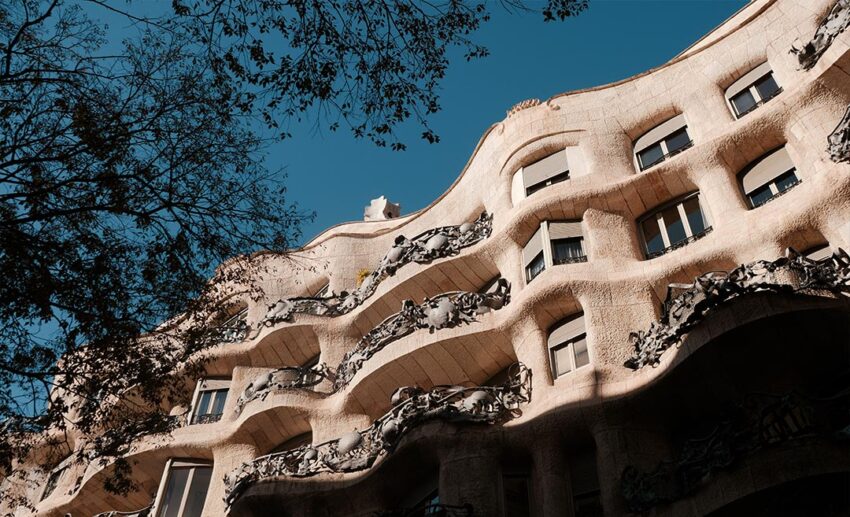
Where you stay now matters as much as where you go, and choosing heat-smart accommodation is one of the most valuable Mediterranean travel tips to know.
Traditional architecture across the region evolved to keep interiors naturally cool, and those details still make a remarkable difference today.
☀️Golden Hour Tip: Book stays designed for heat, not just aesthetics
Look for:
High-density materials: Limestone and traditional stone regulate indoor temperatures naturally.
Shaded outdoor spaces: North-facing terraces and deep overhangs keep living areas comfortable.
Natural ventilation: Cross-breezes reduce reliance on constant air-conditioning.
These features transform accommodation into a genuine midday refuge rather than just a place to sleep.
Moving without the heat
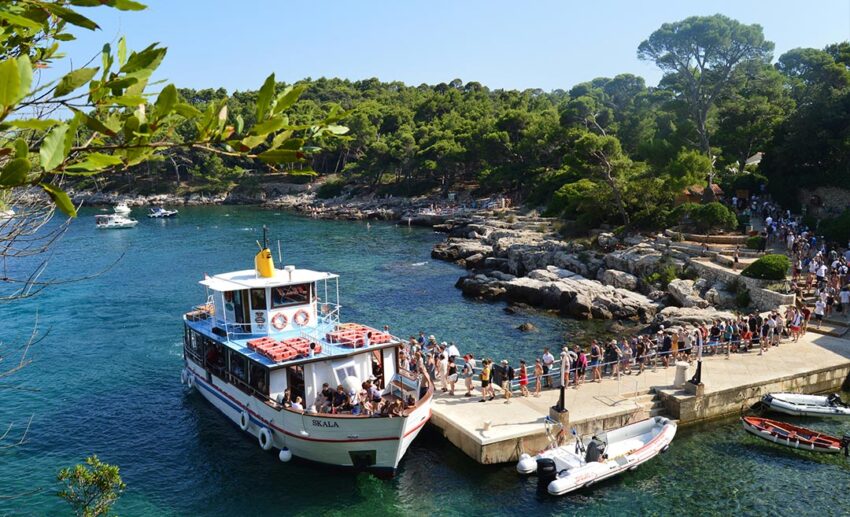
The journey between destinations is often the hottest part of the day. Yet it’s also the easiest to control.
☀️Golden Hour Tip: Shift travel times by just a few hours
Plan transfers during early morning or dusk whenever possible. Even small changes can dramatically improve comfort and energy levels.
For coastal routes, consider travelling by boat where possible. Sea breezes and open air often make maritime journeys far more pleasant than road travel during peak summer temperatures.
Why evenings are becoming the new prime time
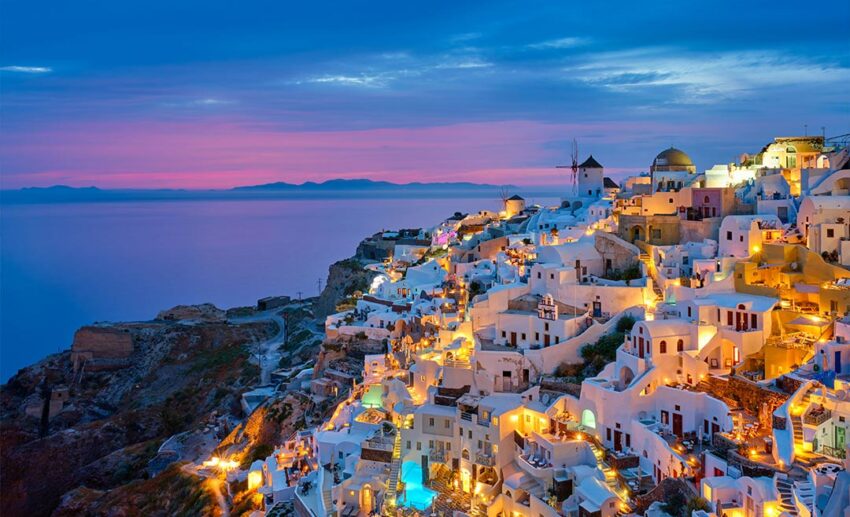
As temperatures fall, Mediterranean cities come alive again.
☀️Golden Hour Tip: Save your most memorable experiences for after sunset
Evenings offer cooler air, quieter streets and a slower, more atmospheric pace. Many museums, galleries and cultural sites extend summer opening hours, making twilight visits both practical and magical.
Exploring historic towns after sunset often reveals a more intimate side of a destination, one shaped by locals returning outdoors once the day cools.
Eating later, lighter, and better
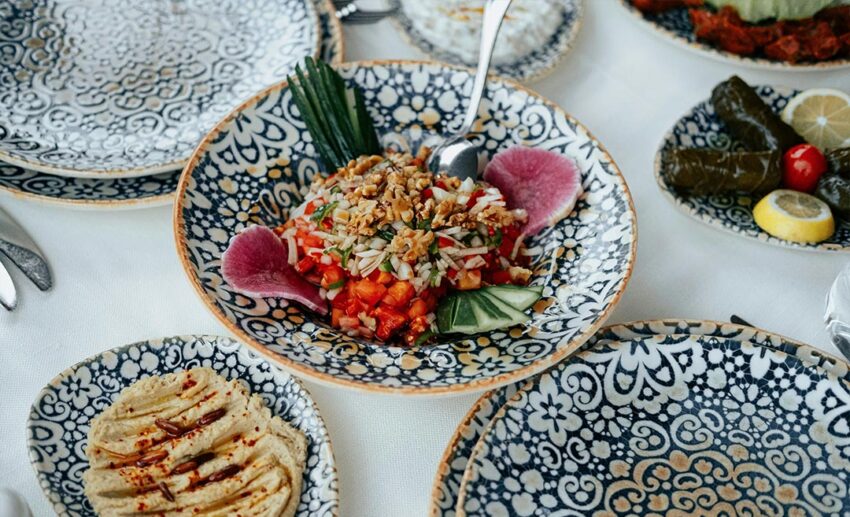
Mediterranean dining culture has always embraced the night, and summer heat makes late dinners even more appealing.
☀️Golden Hour Tip: Eat with the rhythm of the climate
Morning: Fresh fruit, yoghurt, and light breakfasts on shaded terraces help start the day gently.
Midday: Cooling dishes such as salads, chilled soups and seafood feel naturally suited to the hottest hours.
Evening: Dinner becomes the social centrepiece of the day, often beginning after 9pm once temperatures stabilise. Long, relaxed meals stretch into the night, turning dining into an experience rather than a quick pause.
Sleeping well in hot climates
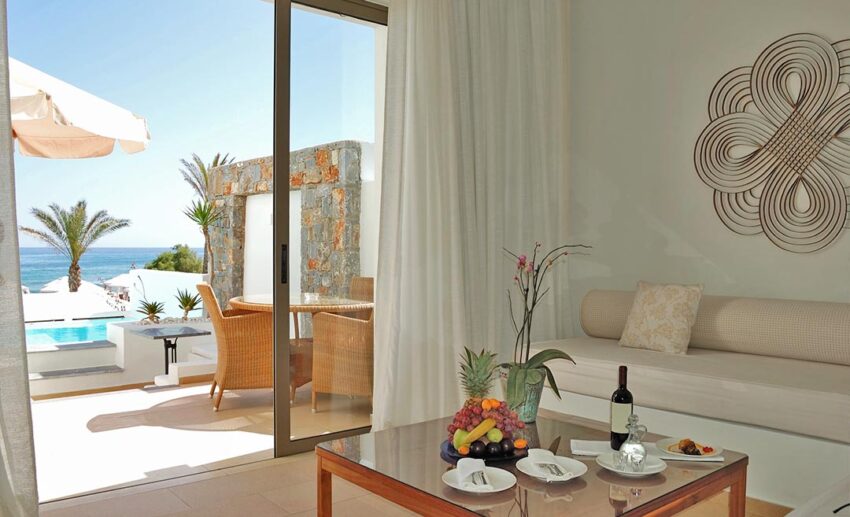
Ending the day well is part of travelling well. Simple rituals can make a significant difference.
☀️Golden Hour Tip: Create a simple cooling bedtime routine
- Ventilating rooms before bedtime
- Cool showers before sleep
- Lightweight fabrics and breathable bedding
- Herbal teas or cooling night routines
Restful sleep makes early mornings possible and keeps the rhythm of the Golden Hour itinerary flowing.
The Mediterranean summer is no longer about chasing the sun all day. It’s about learning when to step into it and when to step back. By travelling with the rhythm of the climate rather than against it, the Golden Hour itinerary lets you enjoy summer in its full glow.