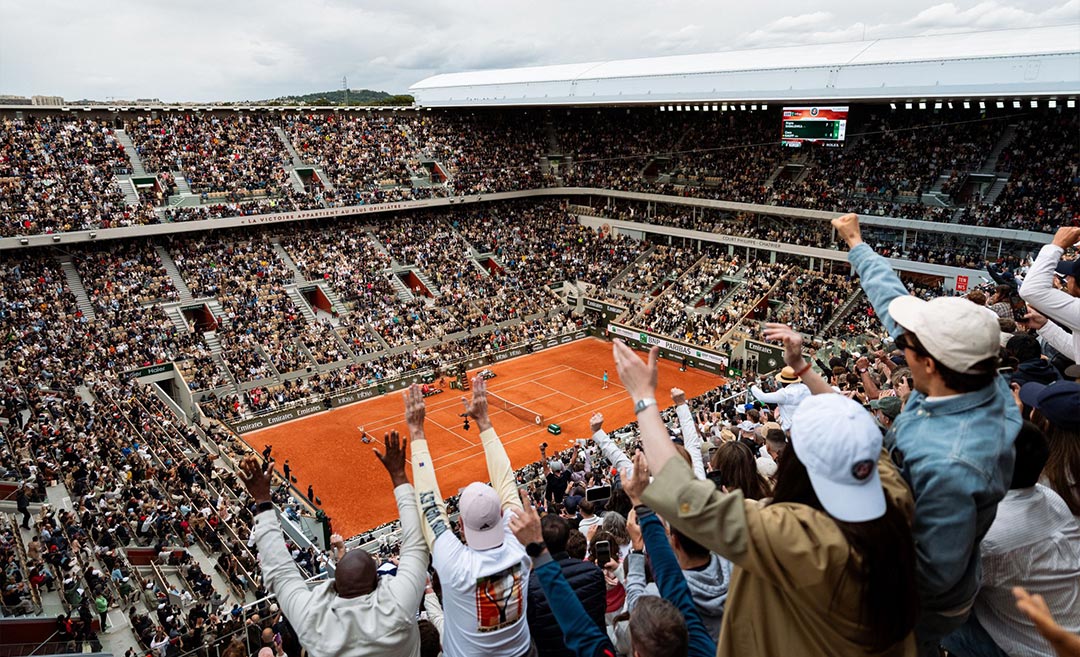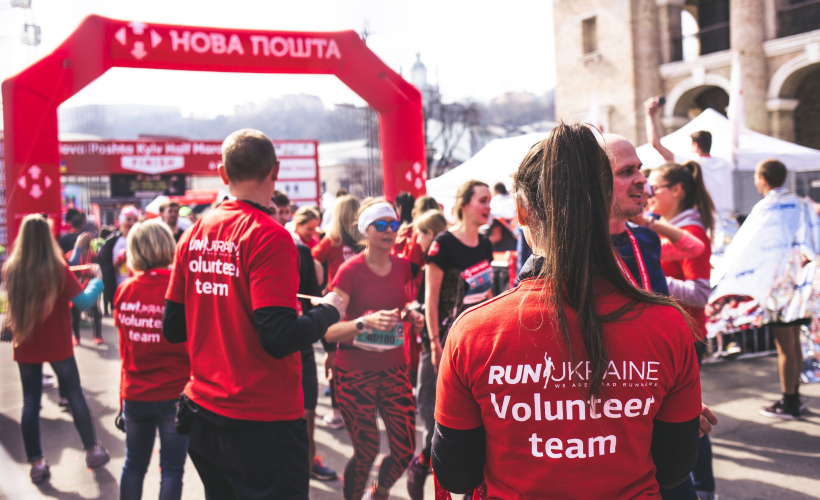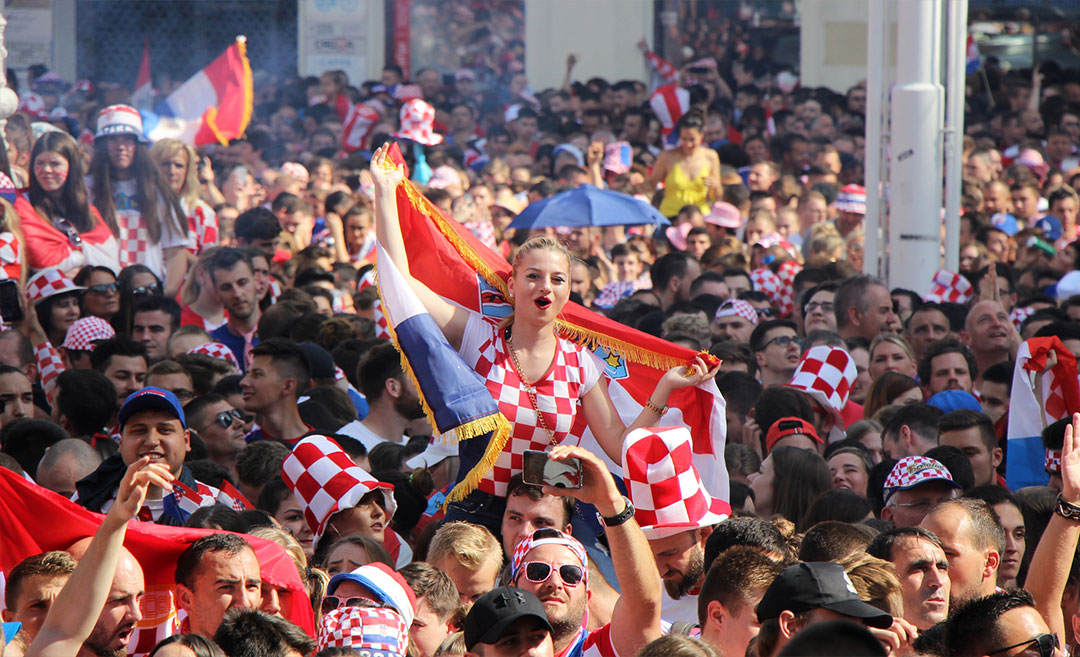
Beyond football, the FIFA World Cup 2026 is transforming North American host cities through unexpected and deep cross-cultural fan connections. (Image by smuki)
Every four years, the FIFA World Cup does something few other events can: it transforms entire cities into temporary global communities.
In host cities, football fans from dozens of countries suddenly find themselves sharing trains, cafes, and public squares. A conversation that begins with football can easily turn into restaurant or activity recommendations, stories about home, or even new friendships. For a few weeks, familiar routines disappear as ordinary neighbourhoods become gathering places where strangers from opposite sides of the world share the same streets and celebrations.
For locals, the tournament is also an opportunity to become informal cultural ambassadors. A cafe owner recommending a regional speciality, a volunteer helping lost visitors, or a resident pointing travellers towards a hidden neighbourhood gem can become some of the most memorable moments of a trip. These small interactions often leave a longer-lasting impression than the match itself, a reminder to travellers that cultural exchange is just as much a part of the journey as sightseeing.
Beyond the beautiful game
Fan zones have become meeting places where supporters from different nations celebrate side by side. Shared chants, music and anticipation often prove stronger than rivalry, creating moments of connection that transcend national identities.
Food, too, has become a natural bridge between cultures. Japanese supporters have documented their enthusiasm for trying Texas barbecue and other local specialities, turning culinary exploration into part of their World Cup experience. In Kansas City, local businesses welcomed Algerian supporters by displaying Algerian flags and serving familiar dishes, creating spaces that helped visitors feel at home while introducing locals to another culture.
The same spirit of exchange has played out on city streets. In Mexico, South Korean and Mexican supporters have been seen dancing, celebrating, and joining one another in spontaneous festivities, with one widely shared video showing a South Korean fan enthusiastically jumping into a playful lucha libre performance. Across Canada, supporters from countries including Croatia, Bosnia, and Panama have filled city streets ahead of their matches, while fan squares in Toronto have become lively gathering places where supporters of different nationalities celebrate together regardless of which team they are backing.
Japanese fans have once again earned admiration for their now-famous tradition of cleaning stadium sections after matches, a simple gesture that has sparked conversations about respect, community and cultural values far beyond football itself.
More than just the final score
This sense of connection is what sets the World Cup apart from ordinary travel. While most holidays are spent within familiar circles, the tournament naturally creates opportunities for strangers to meet through shared accommodation, public transport, and fan zones. For a few weeks, host cities become temporary neighbourhoods where cultural exchange happens as naturally as cheering for a team.
Of course, no mega-event is perfect. Crowded cities, language barriers, and differing expectations can occasionally create friction, and not every encounter becomes a heartwarming story. But overwhelmingly, the World Cup has a way of revealing something hopeful about travel and human nature.
Long after the final whistle, these are often the moments people remember—not the scorelines, but the brief, unexpected feeling that the world, for a short time, felt a little closer together.