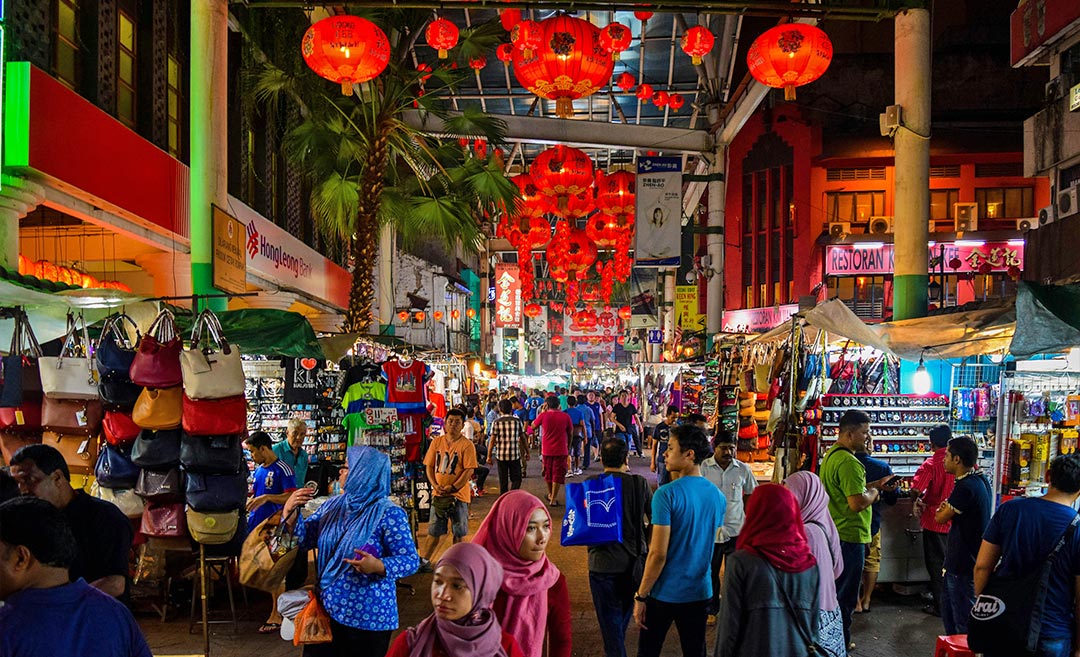
As celebrations bring crowds back to iconic spots like Petaling Street, staying vigilant about health and respiratory hygiene is more important than ever for the community. (Image by Ravin Rau)
Editor’s Note (Updated 22 Feb 2026): In light of the Ministry of Health’s report of over 3,100 tuberculosis cases, officials strongly urge the public to wear face masks in crowded and poorly ventilated areas, such as Ramadan bazaars. While mask-wearing is currently not mandatory, this precautionary measure is vital for reducing transmission risk during the festive season.
Tuberculosis (TB) cases are seeing an uptick in Malaysia, with over 2,500 detections reported in early 2026 alone. Recent updates from the Ministry of Health Malaysia have raised renewed concern about TB awareness, early detection, and prevention, particularly as millions of people travel, gather, and reunite during the Chinese New Year holiday period.
Health officials have confirmed several new TB clusters across states like Johor and Selangor, a trend reflecting a broader rise in tuberculosis notifications in Southeast Asia. Globally, public health agencies, including the World Health Organization have noted that pandemic-related disruptions to routine screenings, diagnostics, and treatment services contributed to delayed detection. As mobility increases and healthcare systems ramp up TB screening, identifying symptoms early has become a vital social responsibility for travellers.
Why this matters during peak travel
TB is an airborne disease caused by bacteria that primarily affects the lungs. It spreads through droplets when an infected person coughs, sneezes, or even speaks, especially in enclosed or crowded environments such as airports, buses, trains, and shared accommodations.
With festive travel in full swing, areas with high cross-border movement, like Johor, are expected to see significant human traffic. Thousands of people move daily between Malaysia and Singapore, increasing opportunities for exposure if symptoms go unnoticed.
Travellers may also dismiss early warning signs as fatigue from long journeys or packed social calendars. These include:
- A cough lasting more than two weeks
- Fatigue and unexplained weight loss
- Night sweats
- Fever or chest discomfort
Health experts stress that recognising symptoms early is critical, not just for individual recovery, but to reduce the risk of transmission to family, colleagues and fellow travellers.
A regional and global concern
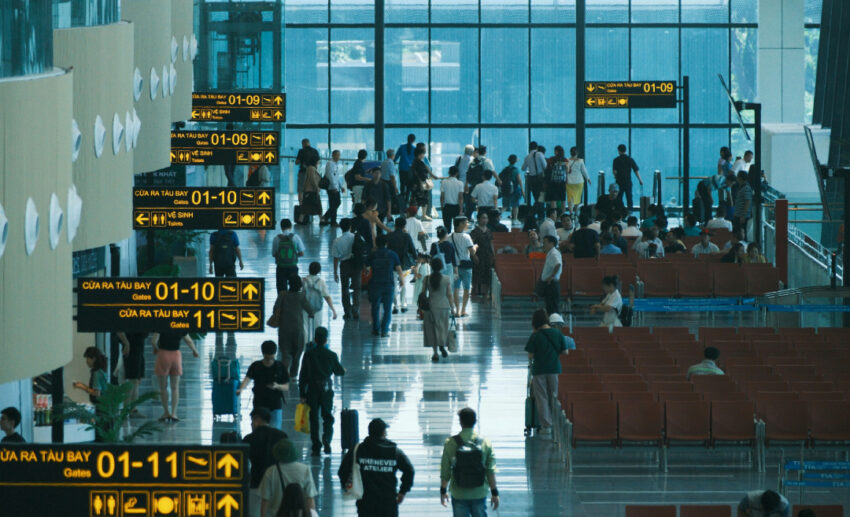
TB remains one of the world’s leading infectious disease killers. Southeast Asia accounts for a significant share of global cases, with countries such as Indonesia, the Philippines, and India reporting high TB burdens.
This does not mean travel should be avoided, but it highlights the importance of preventive awareness. Increased mobility, crowded transport hubs, and large gatherings can facilitate transmission if precautions are overlooked.
For those travelling internationally or frequently commuting across borders, the focus is on vigilance rather than fear. Early testing, timely treatment and simple protective habits remain highly effective.
Is it safe to travel?
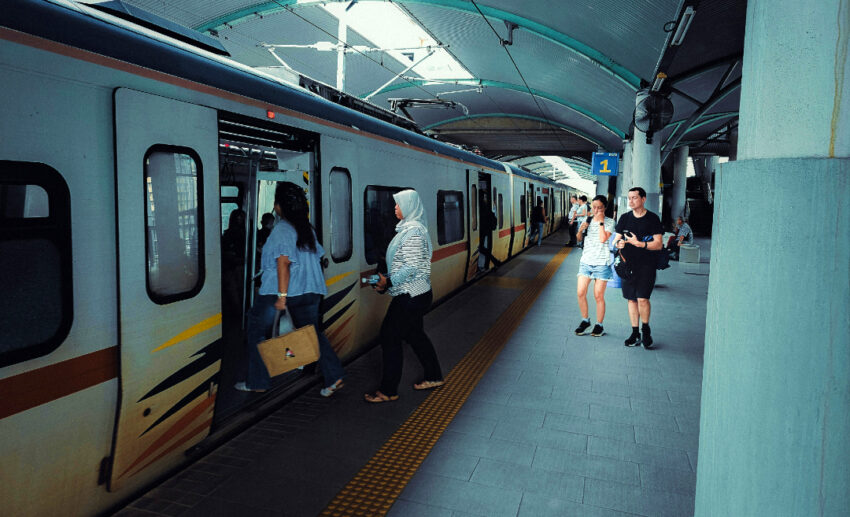
Yes. Public health authorities continue to consider travel safe. However, experts recommend:
- Monitoring your health before and after trips
- Seeking medical advice if you develop persistent respiratory symptoms
- Being mindful in crowded or poorly ventilated spaces
- Practising respiratory hygiene, such as covering coughs and wearing a mask if unwell
If you have recently returned from countries with higher TB prevalence and experience symptoms, it is advisable to get screened. Early detection not only improves recovery outcomes but also protects those around you.
What you can do
The good news: TB treatment is available and highly effective when taken correctly. The Ministry of Health recommends:
- Seeking medical advice if symptoms persist
- Completing the full course of treatment if diagnosed
- Practising good respiratory hygiene
- Ensuring proper ventilation in indoor spaces
Routine health screenings, particularly after extended travel or exposure to crowded environments, are also encouraged.