While the risk of international spread remains low, travelling with a sense of awareness and simple health precautions ensures your journey through Asia stays safe and uninterrupted. (Photo from Getty Images)
As health authorities monitor fresh Nipah virus cases in parts of Asia in early 2026, travellers are once again being reminded to factor health risks into their travel plans. Recent travel advisories have placed parts of South and Southeast Asia back on travellers’ radar — not as destinations to avoid, but as places where heightened awareness and sensible precautions matter for safe travel.
Here’s a clear, travel-friendly breakdown of what’s happening, where cases have been reported, and how to stay safe without cancelling your plans.
What is the Nipah virus?
The Nipah virus is a rare virus that spreads from animals to humans, with fruit bats identified as its natural host. Humans can become infected through contact with infected animals, contaminated food, or — in rare cases — through close contact with an infected person.
Early symptoms can feel deceptively mild, starting with fever, headache, muscle aches, or sore throat. In more serious cases, the infection can progress to breathing difficulties or inflammation of the brain, which is why health authorities treat every case seriously. There is currently no vaccine or specific cure, but the virus does not spread easily and is not airborne.
Where are cases being reported?
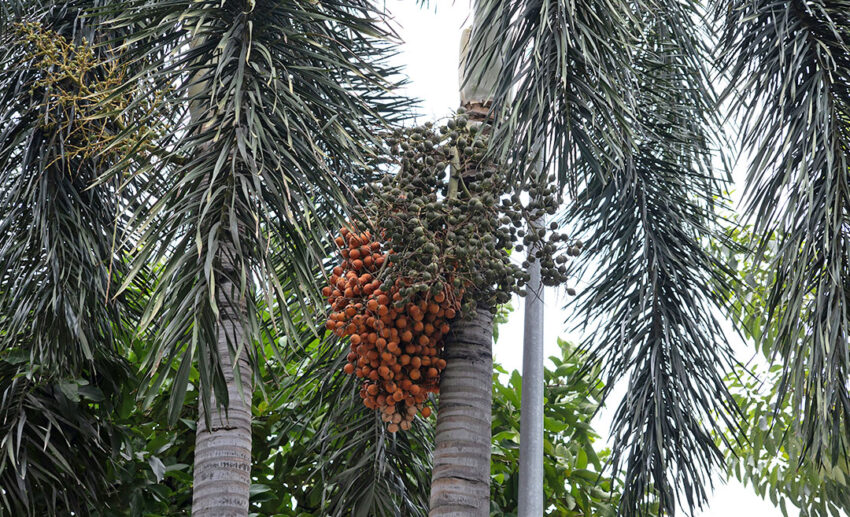
Recent cases have been confirmed in Bangladesh, where infections appear seasonally and are often linked to raw date palm sap. Parts of India have also reported small, localised clusters. The World Health Organisation says these outbreaks are being closely monitored and that the risk of international spread remains low. No travel restrictions are currently in place.
There are no current Nipah cases in Malaysia. The country has not recorded new infections since the late 1990s, and public health surveillance and airport screening measures remain in place.
Should travellers be concerned?
Experts advise awareness rather than alarm. If you are travelling, monitor official sources such as the World Health Organization (WHO) or the health ministry websites of your destination 48 hours before flying.
Casual travel activities pose minimal risk, but because Nipah can be severe, travellers are encouraged to stay informed and take sensible precautions. Avoid raw or unprocessed foods such as fresh date palm sap, wash your hands regularly, and avoid close contact with sick individuals or animals. If you develop symptoms within two weeks of travel, seek medical care and mention your recent travel history.
Zafigo Tips: Calm & practical health advice for travellers
Food safety: Avoid unpasteurised juices, raw date palm sap, or fruit that looks like it has been bitten or “pecked” by animals. Stick to fruit you can peel yourself. Children are naturally curious; ensure they don’t pick up fallen fruit from the ground or share snacks with local animals.
Hand hygiene: Carry an alcohol-based hand sanitiser and wash your hands frequently, especially before meals and after using public transport.
Animal contact: Avoid visiting bat caves or farms with livestock (particularly pigs) in areas where active outbreaks have been reported.
Travel clinics: Before heading to remote regions in South Asia, consult a health specialist. They can provide the latest localised updates that general news may miss.
Insurance check: Ensure your travel insurance policy specifically covers “infectious disease treatment” and “emergency medical evacuation.”
Symptom monitoring: Because Nipah symptoms (fever, headache) can mimic common illnesses, especially for children, seek a professional medical opinion immediately if you or your child becomes unwell within 14 days of visiting an affected area, just to be safe.
Calm assessment: If your specific destination hasn’t reported cases, there is no need to change your itinerary.
Staying informed rather than fearful remains the best defence. For most travellers, Nipah virus poses minimal risk, but awareness, hygiene, and timely health checks ensure your travel plans stay safe and stress-free.