Viennese coffee culture is a must-experience tradition, with historic cafes offering travellers a timeless taste of Vienna.
Coffee consumption is increasing worldwide; however, in countries such as Austria, drinking coffee has been a deeply rooted cultural tradition for more than 350 years. So much so that in 2011, UNESCO included Viennese coffee house culture in Austria’s national inventory of intangible cultural heritage.
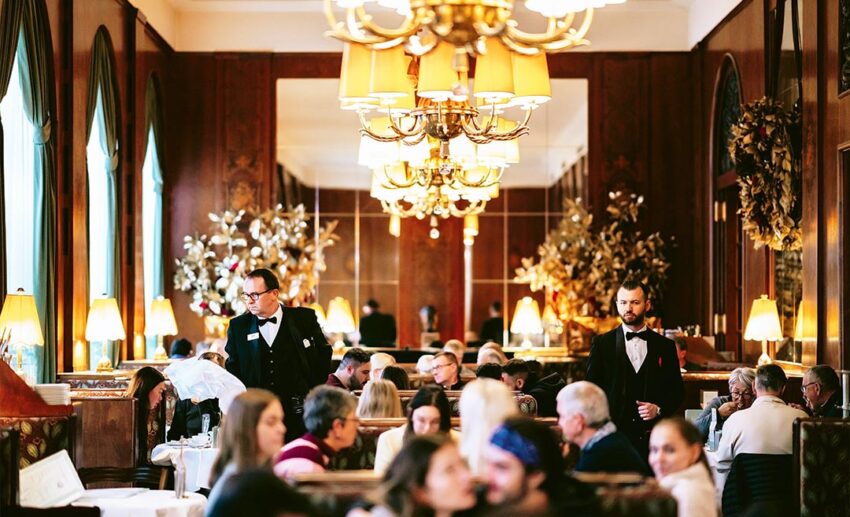
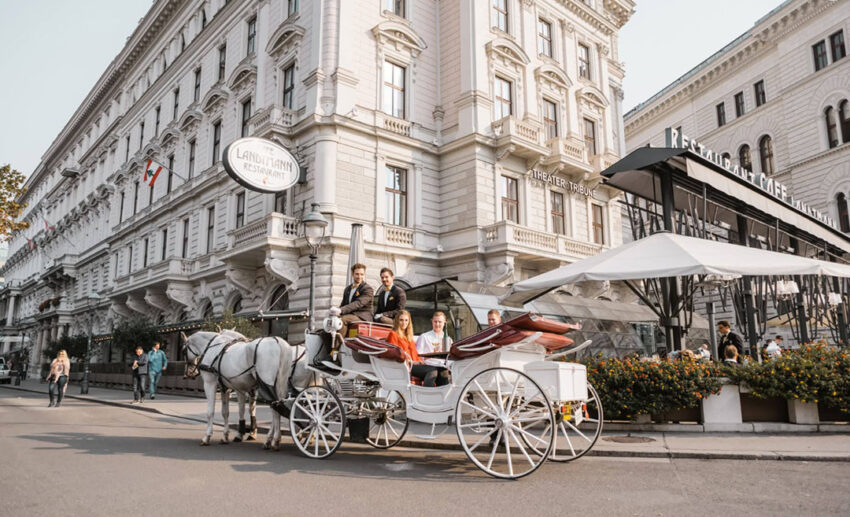
Coffee houses like Landtmann are located close to the grand Hofburg Palace in central Vienna. (Image by Nuriel Molcho) 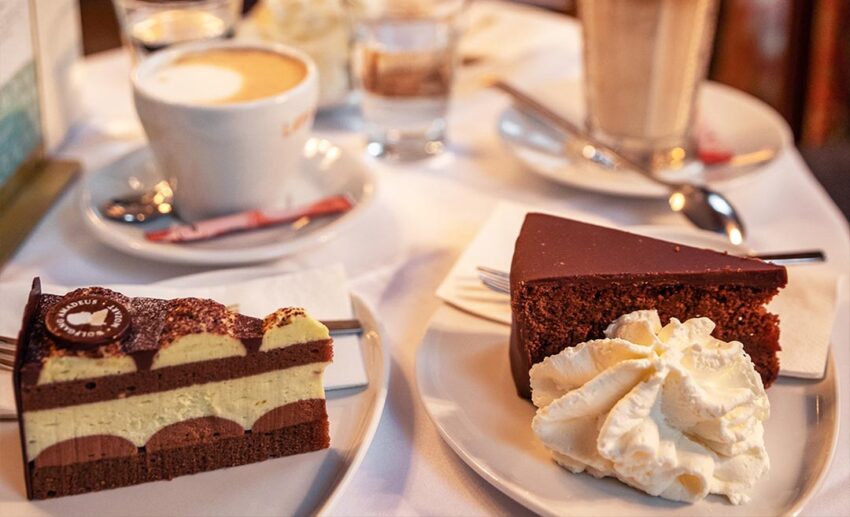
Coffee houses like Landtmann are located close to the grand Hofburg Palace in central Vienna. (Image by Sebastian Burziwal)
While many Asians start their day with coffee in a Western style, Austrians continue a tradition that dates back more than 300 years. The origins of Vienna’s coffee culture are closely tied to the events that followed the end of the Siege of Vienna in 1683. Legend has it that a soldier obtained a licence to serve coffee following his heroic actions during the battle. He added milk and honey to coffee beans left behind by retreating Turkish forces, shaping what would become one of Europe’s most enduring cafe traditions.
The origins of Viennese coffee culture
These early coffee houses established traditions that continue to define modern Viennese kaffeehäuser (coffee houses). For instance, waiters would bring a glass of water alongside your coffee, and customers could enjoy games such as chess during their visit.
Newspapers and reading materials followed. In 1808, Napoleon’s blockade of England drove up coffee prices in Austria, prompting coffee houses to adapt as cafes and restaurants to survive. However, up until the mid-19th century, they were the exclusive domain of men; in 1856, women could join in the fun.
They became the epitome of the good life, and Viennese-style coffee houses opened in Europe’s most stylish cities. Typically, the finest had spacious rooms, plush furniture, and elegant chandeliers.
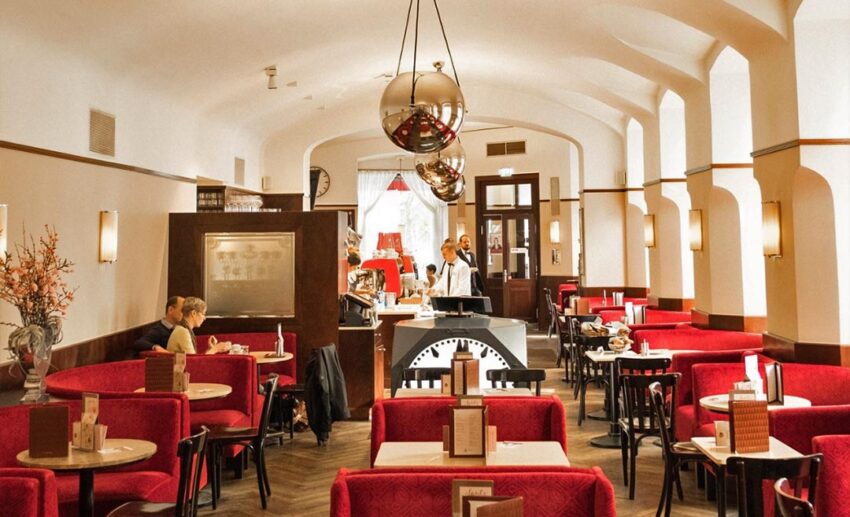
Afterwards, they became meeting places for young writers, many of whom lived in small, dark, and unwelcoming apartments. The coffee house became their living room. Cafes like Griensteidl, Central, and Herrenhof became popular meeting venues for writers. Likewise, painters frequented Café Museum.
In the city’s coffee houses, people nurtured talent, put forward theories, and encouraged new ways of thinking. They provided a warm and protected venue for all residents and visitors; all that was needed for entry was the purchase of a cup of coffee.

Viennese cafe society and the revival of coffee culture
In the 1950s, Italian espresso came into vogue, and traditional Viennese coffee houses lost favour. However, in 1983, on their 300th anniversary, the renaissance in coffee houses began, and today, it flourishes.
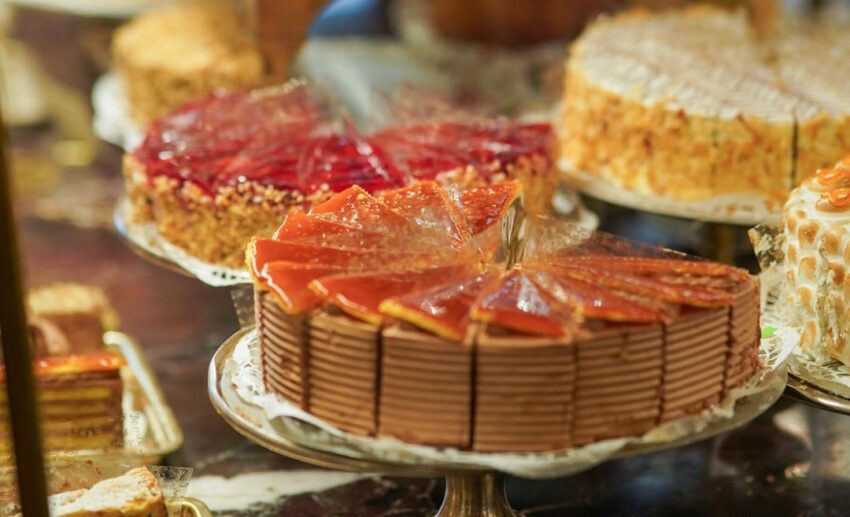
Cakes and pastries are also a part of the cafe society, with Walnusstorte (walnut cake), Apfelstrudel (apple strudel), Trüffeltorte (rich chocolate cake layered with ganache), Esterházy torte (almond-meringue layered cake), and the extremely popular Sachertorte (dark chocolate cake with a thin layer of apricot jam), just some of what’s on offer.
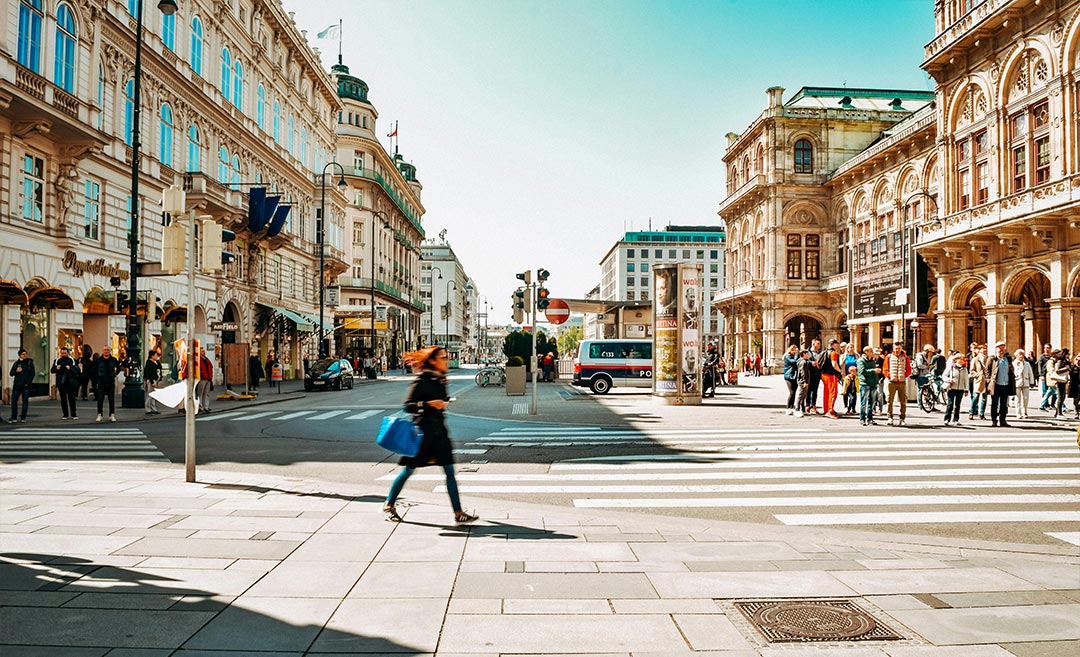
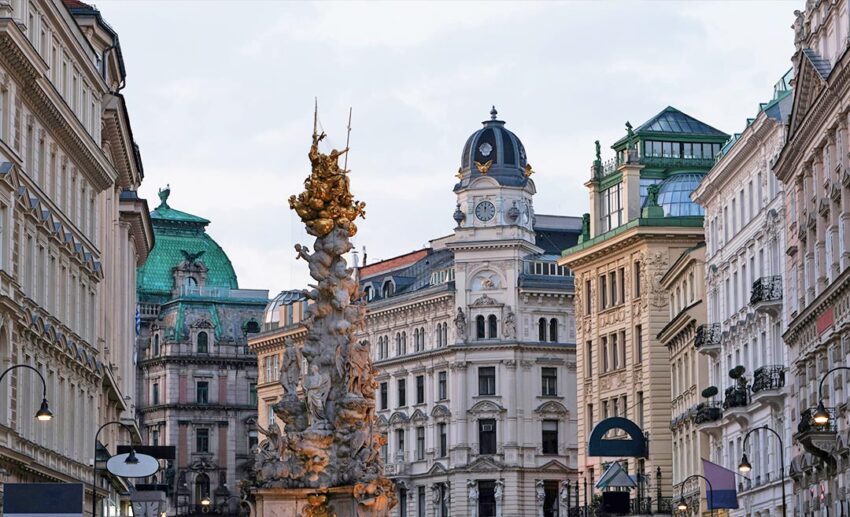
To visit Vienna and not investigate its coffee houses would be like visiting Kuala Lumpur and not admiring the Twin Towers. Vienna was once the capital of the powerful Austro-Hungarian empire that extended well beyond Austria’s current borders. Its streets are paved with culture, and its grand buildings demand attention. The city was home to classical composers, artistic talent, and critical thinkers. You get a sense of this as you stroll around the Innere Stadt, or historic city centre, which encompasses the 13th-century Stephansdom Cathedral with its prominent 137-metre-high tower.
Some of Vienna’s leading coffee houses, like Café Central, are so popular that you will have to join a queue or make a reservation. While atmospheric and worth the wait, there are many others to enjoy.
Here are some of my favourites. Café Central, opened in 1876 in Vienna’s city centre, impresses with grand Neo-Gothic architecture and remains a favourite among global travellers. Note: Café Central is temporarily closing its doors in 2026 for a major renovation of the historic Palais Ferstel, where it is located. However, a pop-up and a very modern version called Decentral has opened just around the corner in Palais Harrach.
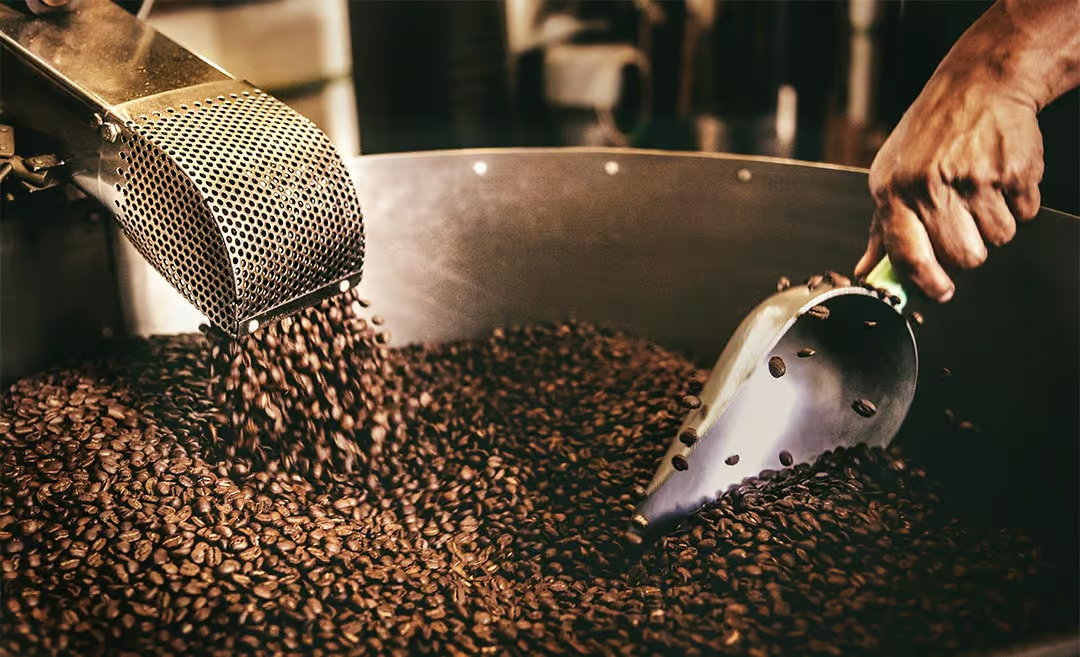
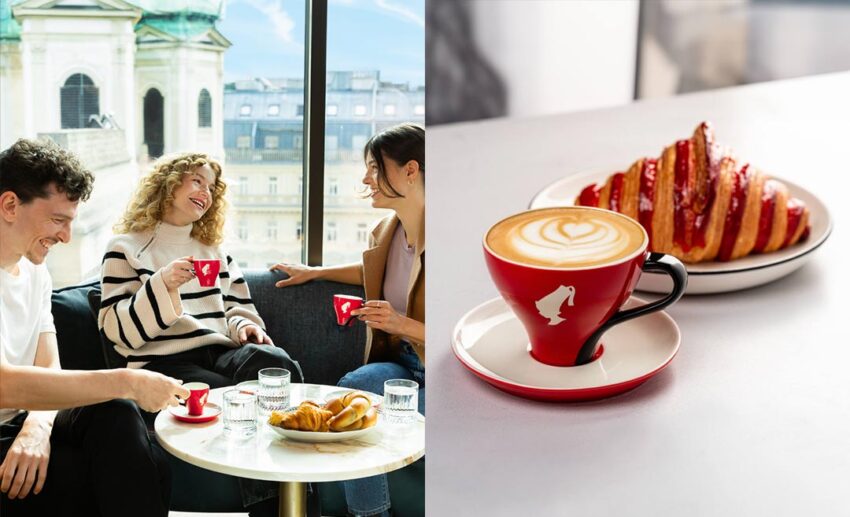
Centrally located on the Graben, Julius Meinl is a premium gourmet retail outlet with an open-air summer coffee shop at its entrance. It is also a roaster and retailer for various coffee styles that it supplies to coffee outlets throughout Austria and other parts of the world.
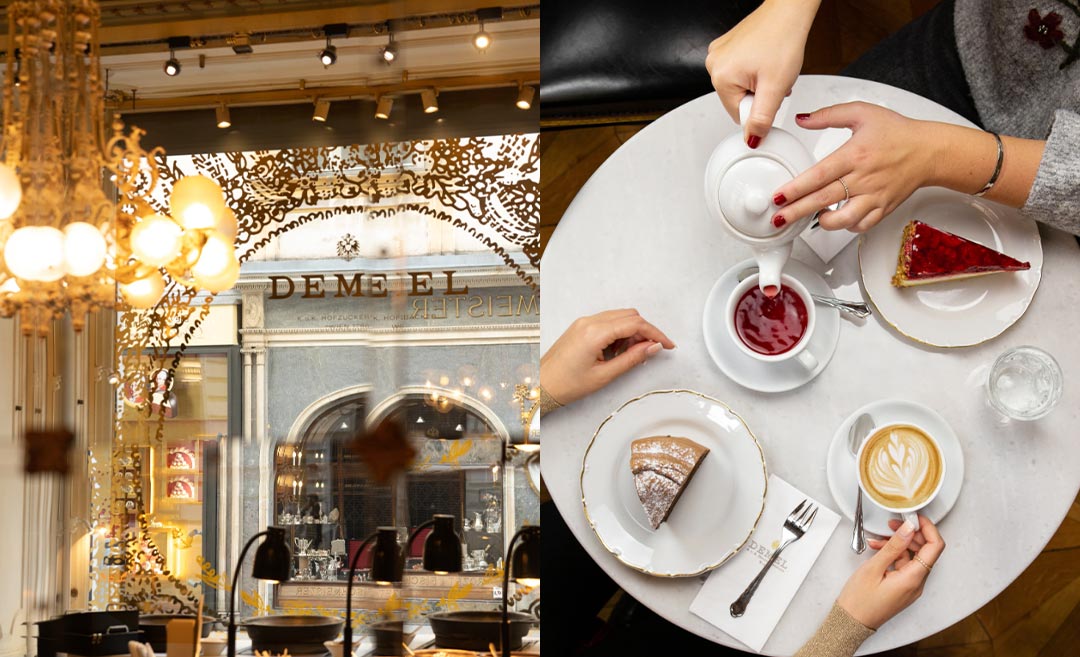
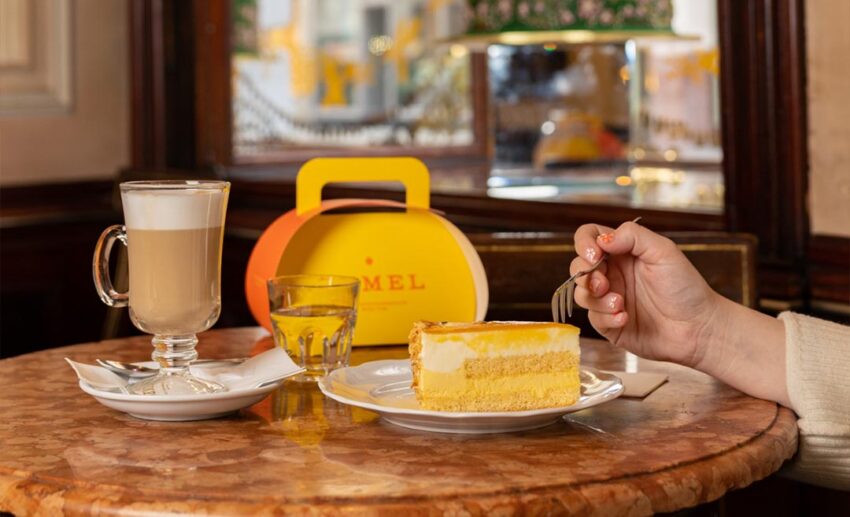
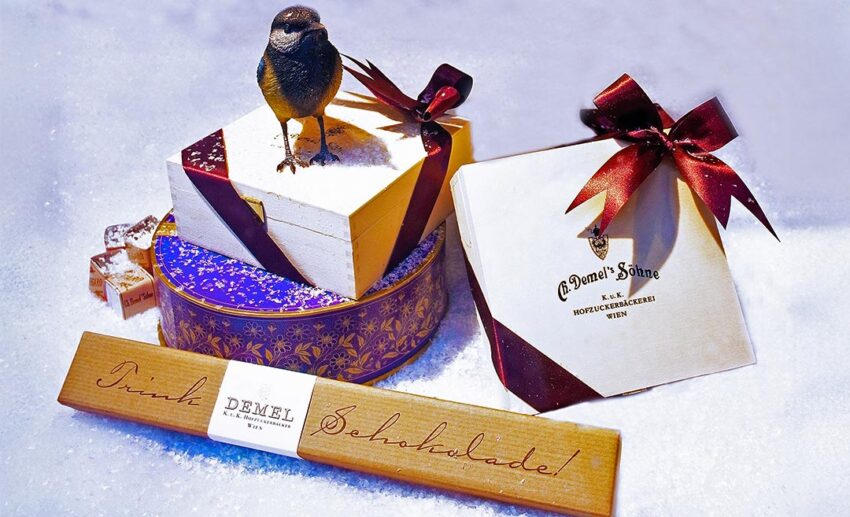
Café Demel, originally opened in 1786 along the Kohlmarkt as K&K Coffeehouse, is a Rococo-style patisserie (Konditorei) and one of Vienna’s most elegant coffee houses. It has royal approval, and Empress Sisi was a frequent visitor. Its window display is enough to entice you inside to enjoy a full range of tempting treats while enjoying a slice of history. Chocolatiers craft the most delicious treats that are available here. There are also two outlets at Vienna Airport for last-minute purchases.
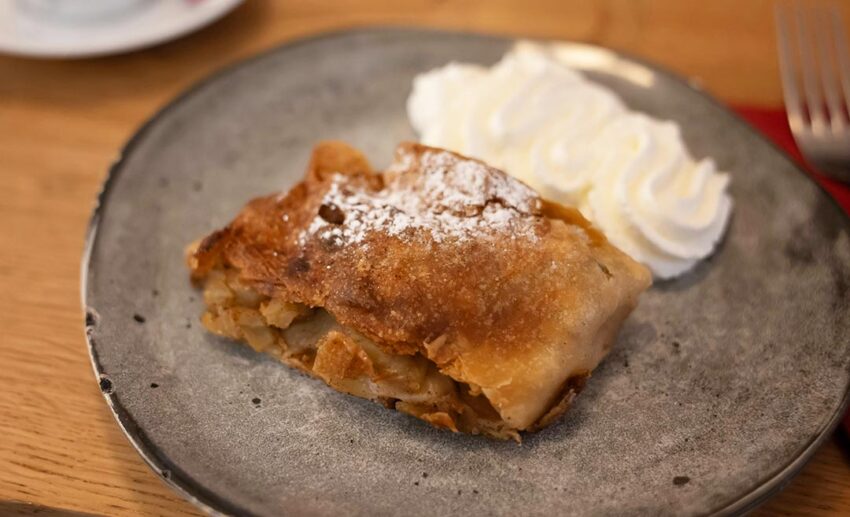
Café Landtmann, opened in 1873 on the Ringstrasse, is a grand Belle Époque building that is popular with politicians, neighbourhood workers, and tourists. It serves coffee, cakes (including a legendary Apfelstrudel), and a full menu with numerous Viennese favourites.
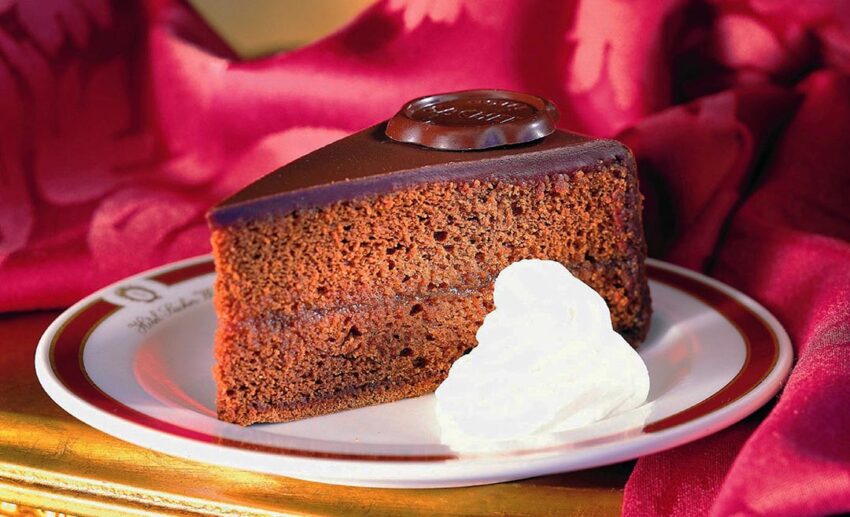
Café Sacher, located in the famous Hotel Sacher and dating to 1876, is the home of the famous Sachertorte (EUR23.50 for a slice of Sachertorte, whipped cream, a hot beverage, and mineral water). Hotel Sacher in Salzburg serves similar treats.
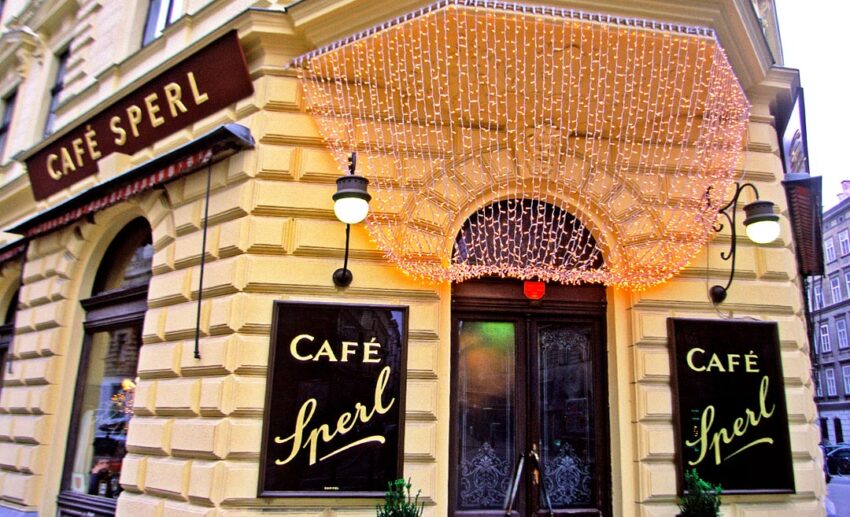
Some other Viennese coffee outlets to consider include Phil (a hybrid bookshop-cafe), Kaffeemik (a minimalist micro-roaster), Café Goldegg (near Belvedere Palace), Wortner’s Café (an atmospheric hidden gem), Alderhof Café, Café Sperl, Café Hawelka, Café Weimar, and Vollpension (providing meaningful employment for retired people).
Café Mozart overlooks the famous Albertina, which is a treasure trove of art. The Spittelberg district behind the popular Museumsquartier is a lively part of Vienna to explore.
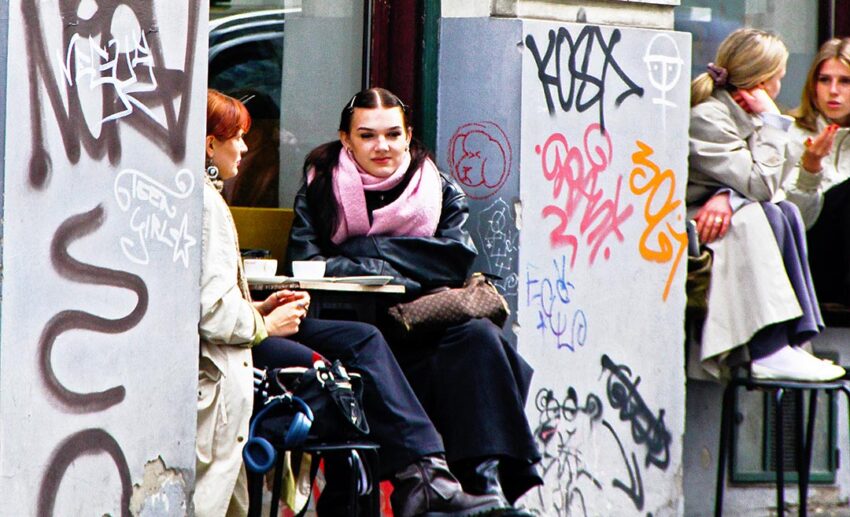
Inside Vienna’s coffee culture today
Distinct Viennese coffee styles include Melange (espresso, warm milk, and milk foam), Kleiner Brauner (small espresso with cream), Grosser Brauner (large espresso with cream), Einspänner (large espresso with whipped cream), Kleiner Schwarzer (short black), and Eiskaffee (iced coffee over vanilla ice cream with whipped cream). Tea is known as Tee.
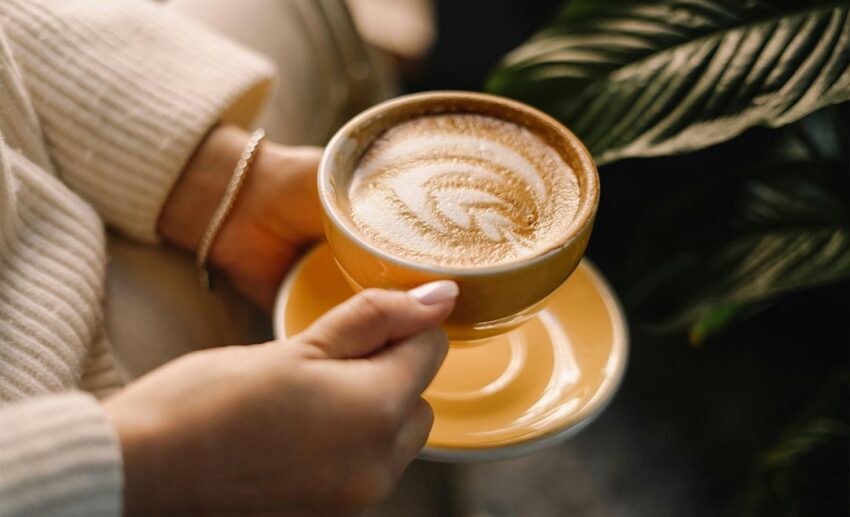
One of the attractions of coffee houses is that you can, in theory, stay as long as you like, sitting on one coffee. Staff may get a bit jumpy in busier and more popular outlets, but the stay-as-long-as-you-like policy prevails in most outlets.
City coffee houses will have menus in both German and English, whereas suburban outlets may only list items in German. Nevertheless, many locals understand English. The price you see on a menu (between EUR5-9 per coffee, and the same for a slice of cake) is the price you pay, but tipping of 10-15% is expected. Many coffee houses open for breakfast and serve lunch (11.30am to 2pm) and dinner (from 6pm until late so that theatregoers can enjoy a drink or meal before heading home). In some outlets, coffee costs more than a glass of wine or beer. Solo and female travellers will enjoy cosmopolitan Vienna, long regarded as one of the world’s most liveable and culturally rich cities.
From Malaysia to Vienna: A shared love for coffee
Malaysians love their coffee too, and they will instantly fall in love with the Viennese coffee culture. According to 17 Gram Beans, the Malaysian coffee market, worth RM4.3 billion annually, is growing dramatically. In 2017, Malaysians consumed 52 cups/person/year, but by 2025, the figure was 110 cups. While coffee is grown in places like Tenom (Sabah), Malaysia imports 97% of the coffee it consumes.
Viennese coffee houses are known as ‘places where time and space are consumed, yet only the coffee appears on the bill.’ Enjoy your coffee and add Vienna to your must-visit list as soon as you can.
Zafigo travel tips: Planning a coffee-focused trip to Vienna
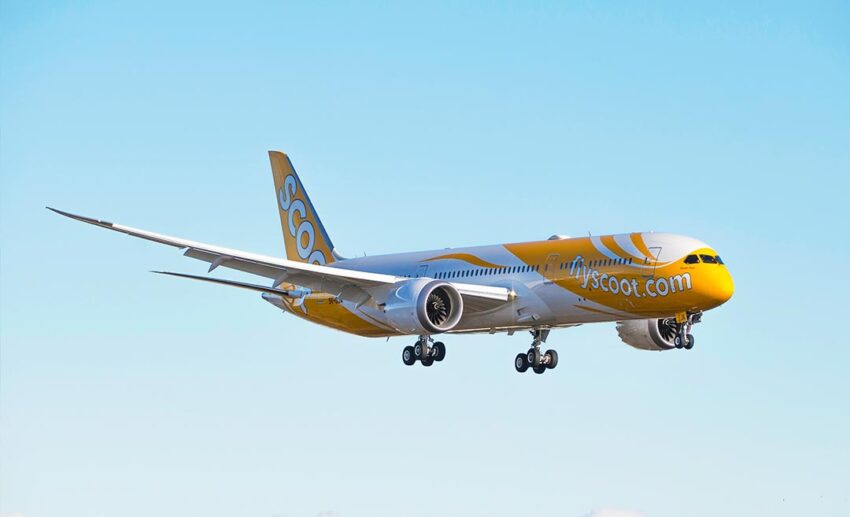
Getting there: The good news for those planning a European holiday is that budget carrier Scoot flies from Singapore to Vienna with convenient connections to and from Kuala Lumpur. The money saved on your flights can be used to explore Vienna.
Where to stay: Vienna’s Innere Stadt and adjoining areas like Spittelberg are home to traditional coffee houses, and hotels like Hotel Das Tyrol and Hotel Altstadt are located nearby.
Getting around: Vienna is incredibly walkable and safe, but for longer distances, the U-Bahn (subway) is your best friend. It runs 24 hours on weekends, making it easy to head back to your hotel after a late-night show or a long evening at a cafe.
Solo dining etiquette: Don’t be intimidated by the formal service. In a Viennese coffee house, the “stay-as-long-as-you-like” policy is a dream for solo travellers. Grab a newspaper from the rack, order a single Melange, and enjoy your own company without any pressure to move along.
Smart savings: Consider the Vienna City Card if you plan on visiting multiple museums like the Albertina or Belvedere. It offers discounts on entry and unlimited public transport, leaving you with a bigger “coffee and cake budget” for places like Café Demel.
Find official travel information, itineraries, and cultural highlights at Austrian Tourism and Vienna Tourism.