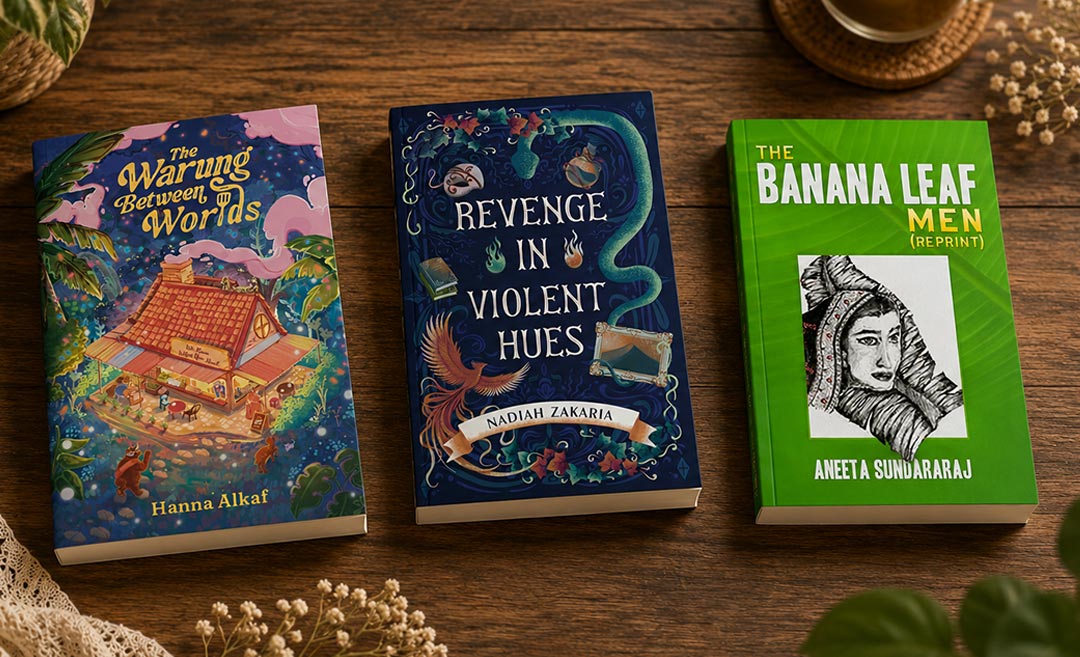
Three Malaysian novels bring Kedah’s landscapes, folklore, food and communities to life, offering a literary route into the state.
As far as destinations that have inspired famous works of literature go, the northern Malaysian state of Kedah is one of the last places to come to mind. Neighbouring Penang has featured in a number of English-language short stories and novels, but Kedah hardly seems to get much attention from contemporary authors.
As a Kedahan, this is a little dismaying. Considering its rich history, Kedah has plenty to spark inspiration and build imaginary worlds around. In fact, its history was first romanticised and embellished with mythological elements in the 18th-century epoch-making Malay literary work, The Kedah Annals (Hikayat Merong Mahawangsa).
I have to admit, with a little embarrassment, that until recent years, I had not read as much English-language fiction by Malaysian authors as I should. When I did dive into the works of my fellow Malaysian writers, I’m pleased to have found a few stories that paint a vivid portrait of Kedah, its people and its hidden corners, enough to make a reader want to come for a visit.
Here are three novels and novellas in particular that are not only set in the northern Malaysian state of Kedah, but also unapologetically Malaysian.
The Banana Leaf Men by Aneeta Sundararaj
Alor Setar, arranged marriages, and Malaysian family life

Having reached the watershed age of 30, Tika makes the eyebrow-raising decision to leave her job overseas, return to her hometown of Alor Setar, Kedah’s capital, and agree to be set up for an arranged marriage. What ensues is a series of misadventures with meddlesome aunties, quack astrologers, and a string of suitors from hell.
Humorously poignant yet compelling and full of candour, this is a tale of a modern woman looking for happiness amid an identity crisis, cultural clashes, outmoded traditions, familial expectations and societal pressure.
In addition to its cast of vibrant and quirky characters that somewhat accurately reflect the complexities of Alor Setar’s Indian community, there are plenty of references to Kedah’s history, culture, and interesting places, including Gunung Jerai, the Lembah Bujang Archaeological Museum, and the fact that it’s the lesser-known Lord Muruga festival of Masimagam that is more widely celebrated in Alor Setar than Thaipusam. These factoids sprinkled throughout the plot may just pique your curiosity about making a trip to Kedah.
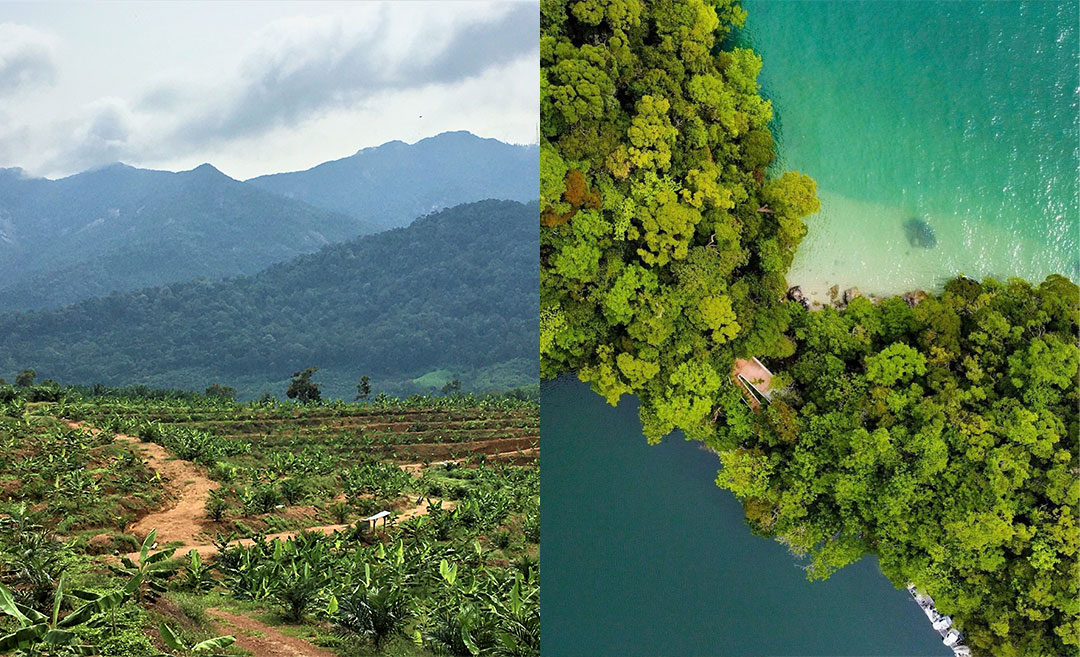
While creative liberties have been taken with some locations, the narrative perfectly captures the general vibe of life in Kedah: the slower pace, evenings at an outdoor roadside warung, and long drives past stretches of paddy fields against cobalt-blue skies.
Set at the turn of the millennium, a time when the biggest tech scare was the Y2K bug, The Banana Leaf Men will make any child of the ’90s feel nostalgic. I personally felt so represented when I spotted a reference to my old St Nicholas Convent school.
Revenge in Violet Hues by Nadiah Zakaria
A fantastical Alor Setar through a magical mirror
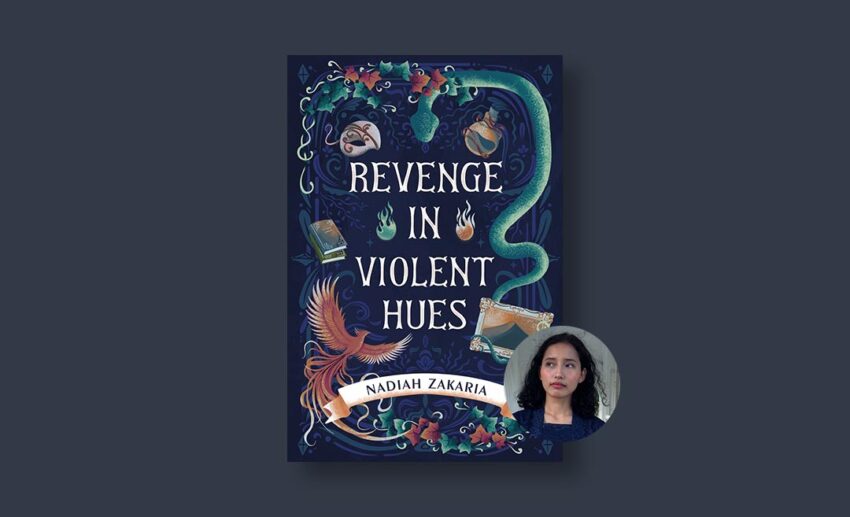
Since her father’s gruesome and mysterious death six years ago, Amalia Maganti can communicate with ghosts. On her 18th birthday, she discovers that her father’s paintings are portals to the hidden realm of Gemerlapan, a reflection of 1990s Alor Setar. Hidden within the enchanted forests of this hidden world is the ghost academy, Citra Buana.
With help from ghosts, a secretive mentor, a weretiger, and the voice of an unknown creature in her head, Amalia sets out to find the truth behind her father’s death while learning to master her true power against those who have wronged her.
While Kedah’s quaint capital city is reimagined through a fantastical lens, the book also references real-world locations that Alor Setarians would instantly recognise and outsiders may be intrigued to discover. The tone and atmosphere are set right from the beginning with an accurate description of a part of town I am familiar with: the walkway along the Kedah River leading up to Pekan Cina.
When a doorway into a mirror version of Alor Setar is revealed to be hidden among the old buildings that line Pekan Cina, I was instantly absorbed and invested in this world that Nadiah Zakariah created.
The Warung Between Worlds by Hanna Alkaf
Langkawi, folklore, and food across realms
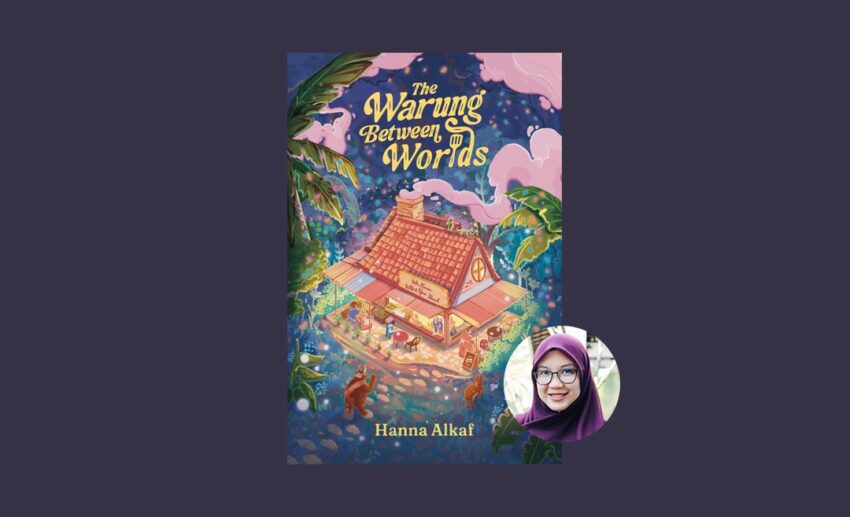
Langkawi was once the go-to school holiday destination for me. Now, as a speculative fiction appreciator and author, I couldn’t be more excited to find a fantasy novella by an incredibly talented Malaysian author, set in the Jewel of Kedah.
In this universe of Hanna Alkaf’s conjuring, there is a mysterious roadside eatery at the edge of a night market, called The Warung Between Worlds. Run by three aunties, the warung serves diners from both the human and supernatural realms, where every meal comes at a price, whether it is a memory, a memento, or a moment in time.
When Arya Razali is caught sneaking into the Warung, she is given three chances to impress the Aunties with her cooking before sunrise. As she races against time, the plot gradually unravels to reveal the heartbreaking reason behind her quest.
Of course, with Langkawi being the setting, where almost every landmark is tied to a myth or legend, readers can expect many of the well-known tales to feature prominently in the novella. If you are not familiar with the island’s folklore, you are in for a delightful discovery.
Also featured heavily throughout the story is the one thing Malaysians pride themselves on: food. So, be prepared to reacquaint yourself with many local dishes and delicacies that will have you planning a food hunt around Langkawi by the time the last page is turned.
With a heartwarming story that introduces readers to a big part of Malaysia’s cultural heritage, Hanna Alkaf might have just added her own legend to Langkawi. You may never look at a roadside warung the same way again.
Kedah may not be the first destination one has in mind when visiting Malaysia, but these three books may just change that. Sometimes, the best way to discover a place is to encounter it first through someone else’s imagination — and these Malaysian stories offer three very different ways into Kedah’s landscapes, culture and communities.