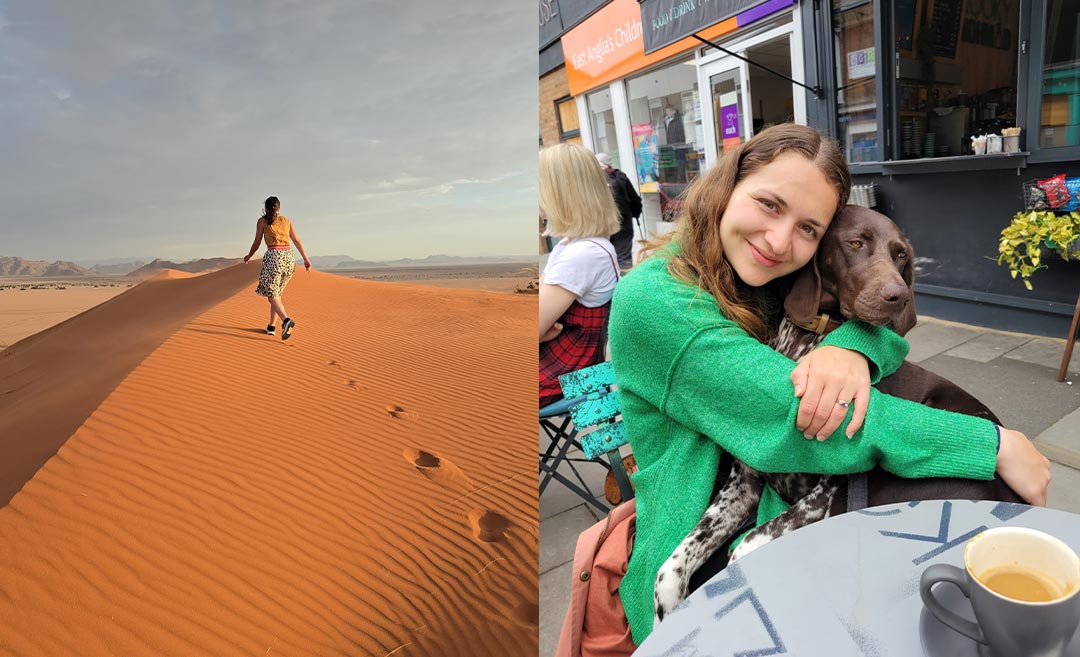
Redefining the journey: From climbing remote dunes in Namibia to slow mornings cuddling Zuma at a local cafe, stepping into long-term house sitting opened up a world of independent exploration I never thought possible.
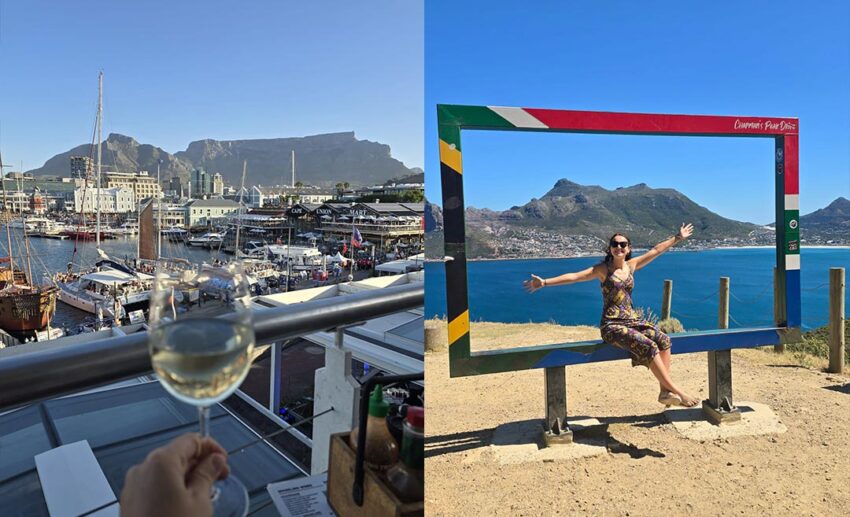
I reached for my sunglasses to shield my eyes and to be able to look directly at the view. The sun was setting in shades of peachy gold over the Atlantic Ocean, setting the water aflame with shimmering reflections. The surrounding landscape of Table Mountain National Park was basking in an orange glow, and that’s the moment it hit me just how much the course of my life had changed. I was in Cape Town on a house-sitting assignment, looking after someone else’s home and pets, and I felt incredibly lucky to be there.
Just a few years earlier, this kind of house-sitting lifestyle felt not only out of reach but completely inaccessible to me. Looking back, it all began with saying yes to a way of travelling I’d barely heard of.
The exchange built on trust
At its simplest, house and pet sitting is an exchange. Homeowners go away and need someone to care for their home and animals. In return, you stay in their space for free and pay no rent and no household bills. There is no money exchanged at all between house sitter and homeowner.
Instead, the exchange is built on trust, responsibility, communication, and mutual benefit.
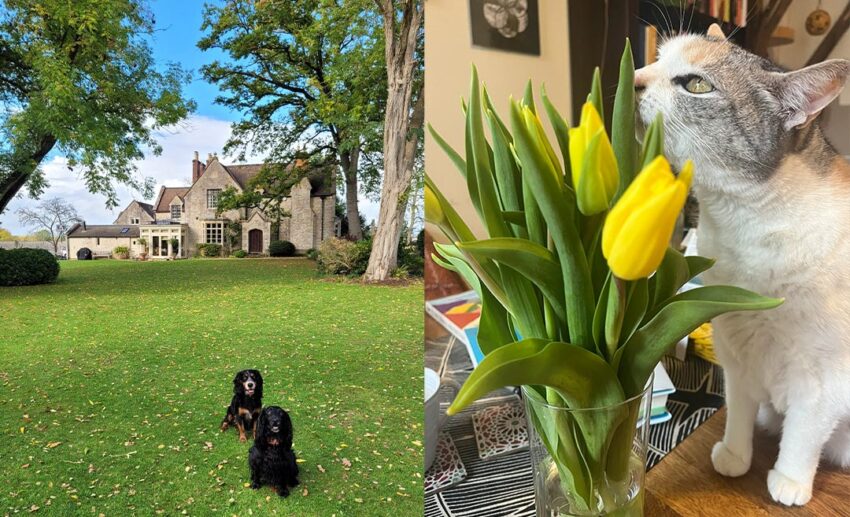
Over the past four years, I’ve used platforms like TrustedHousesitters to live in 10 countries, from coastal apartments to countryside homes. In return for walking dogs, feeding cats, watering plants, and keeping a home running, I’ve been able to travel in a way that is far more immersive and sustainable than traditional tourism.
Getting your first house sit
Getting started is relatively straightforward, though it does require a little effort upfront. You’ll need to choose a platform. TrustedHousesitters is one of the largest globally, alongside options like Nomador, HouseCarers, and MindMyHome.
After paying an annual fee (around USD 200), you create a profile outlining your experience, lifestyle, any relevant qualifications, and why someone should trust you in their home. From there, you apply for sits that match your plans.
Trust is everything in this community. Clear communication, reliability, and good reviews will determine how quickly opportunities open up. Starting with shorter or local sits can help build credibility, and over time, this often leads to longer stays, international opportunities, and repeat homeowners.
Although it is an idyllic way to live and travel, it comes with real responsibility. You’re not on holiday or backpacking. You’re caring for someone’s home and beloved pets. Your days are shaped by feeding times, walks, routines, and stepping into someone else’s life. But for me, and lots of other female travellers, that structure has been part of the appeal.
Why more travellers are choosing house sitting
The most obvious benefit is financial. Removing rent and household bills, which are often the biggest living and travel expenses, completely changes what’s possible. It allows you to stay longer, move slower, and experience places like a local.
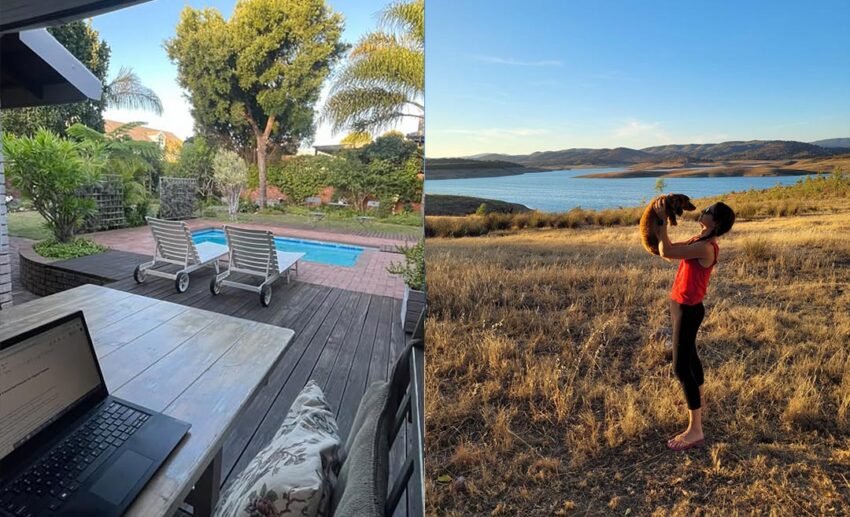
For me, combining house sitting with remote work created a level of financial flexibility I’d never had before. Without rent or utilities, my overall cost of living dropped significantly, but my earnings did not.
It’s not entirely cost-free. You still need to budget for travel, insurance, food, and the occasional gap between sits where you may pay for accommodation. But overall, it has enabled a lifestyle that would otherwise feel out of reach for me.
The real value, though, goes far beyond money.
House sitting places you in residential neighbourhoods rather than tourist centres. You shop locally, walk familiar streets, chat to neighbours, and experience the authentic version of everyday life. There’s also an immediate sense of connection as you’re trusted with someone’s home, often introduced to neighbours, and given insight into a place that most travellers never access.
Then there are the health benefits. Most sits involve looking after cats or walking dogs, which naturally brings routine, movement, and companionship. Daily walks, time outdoors, and the presence of animals is very grounding, something I’ve found invaluable for both my mental and physical wellbeing.
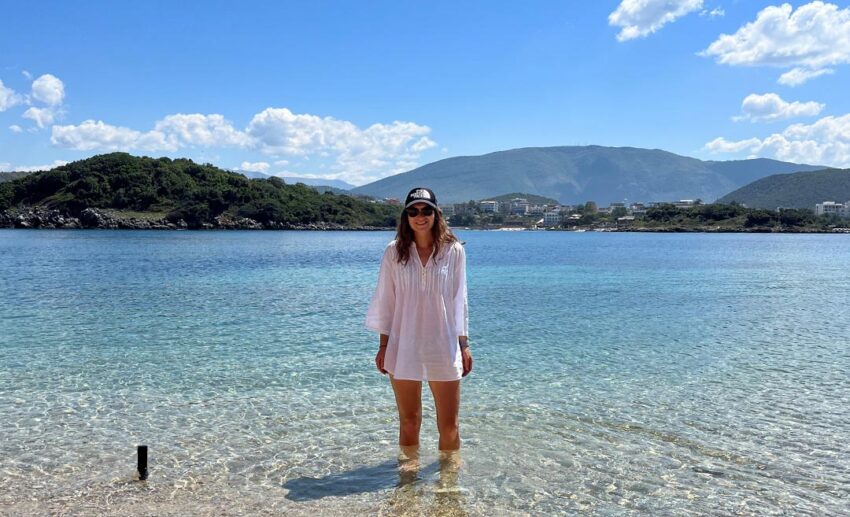
There’s also a greater sense of purpose. You’re not just passing through a place; you’re responsible for something. That subtle shift makes travel feel more sustainable and fulfilling.
And in cities where short-term rentals have contributed to housing pressure, choosing to stay in someone’s home rather than booking an Airbnb can feel like a more conscious, responsible way to travel.
When travel starts feeling like home
One of the most powerful aspects of house sitting is the shift from visiting a place to actually living in it.
Travel as a tourist offers a snapshot, but it rarely shows you what day-to-day life feels like. House sitting changes that completely. You learn the feel of a neighbourhood, find your regular spots, explore the area more thoroughly, and build routines that go beyond sightseeing.
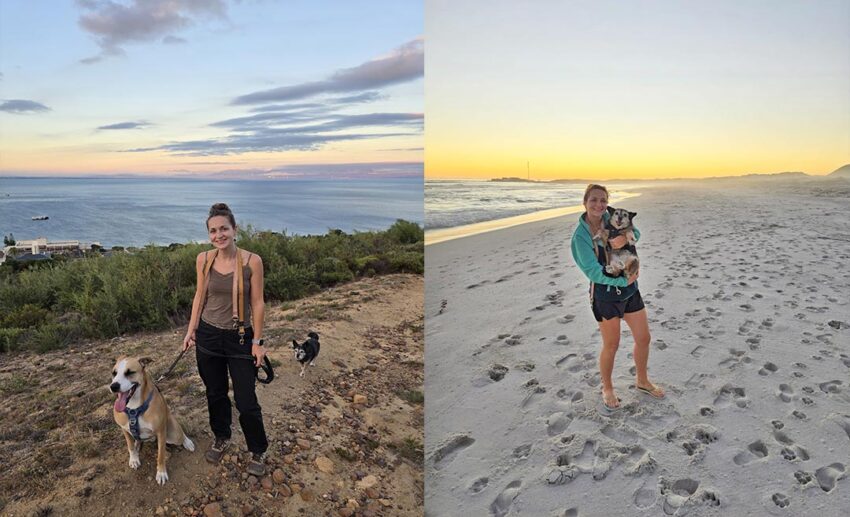
During a four-month sit in South Africa, I wasn’t just visiting Cape Town; I was living there. I experienced seasonal shifts, explored different areas, made friends, and began to understand what life there might look like long-term.
House sitting also brings a sense of stability within the movement of travel. You unpack, settle in, relax, and create a temporary home. Combined with the grounding presence of caring for animals, it transforms travel into something that feels both flexible and sustainable.
Why house sitting is resonating with more women
It’s easy to see why house sitting is gaining traction, particularly among women. It provides independence without isolation, structure without rigidity, and freedom with less financial pressure, which often limits long-term travel.
For solo travellers, it can feel like a more enjoyable and secure way to experience new places. You’re based in a home, often in residential areas, with a built-in sense of routine, local knowledge, and points of contact.

It reflects how many women are approaching travel as a way to actively reshape their lives. Whether navigating burnout, career transitions, saving money, or simply seeking something different, house sitting offers a practical and accessible way to live and travel.
The journey that changed more than my address
Looking back at that sunset in Cape Town, what stays with me isn’t just the view, the crisp taste of local wine, or the good company; it’s the reflection and realisation that I felt in that moment.
House sitting doesn’t just allow me to travel more. It gives me the space to rethink how I want to live, work, explore, and spend my time.
For anyone wondering what comes next, house sitting offers something powerful: not just a way to see the world, but a practical first step towards building a different kind of life within it.
All photos are by and courtesy of the writer, Jessica Holmes, unless otherwise stated.