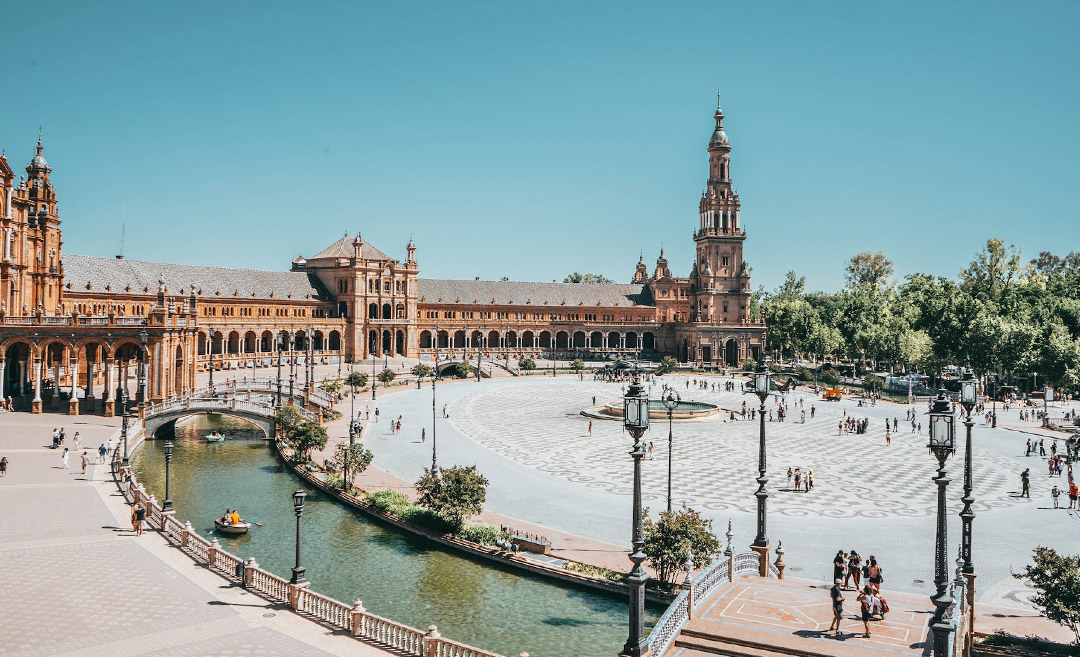
The concept of a micro-retirement challenges us to stop waiting for our sixties to enjoy the open spaces and slow afternoons we are craving right now. (Image by Getty Images)
There was a time when retirement felt refreshingly simple: you worked for forty-odd years, counted down the days until you could finally stop setting alarms, and eventually spent your golden years travelling, gardening, golfing, or redecorating, depending on which version of the brochure life you’d signed up for. At least, that was the original plan.
These days, a growing number of people are questioning whether it still makes sense to postpone every adventure until their sixties or seventies. Enter micro-retirement, a term that’s been steadily taking over LinkedIn captions and TikTok monologues.
The idea is simple enough on paper: instead of working continuously for decades before stopping for good, people take extended breaks throughout their careers—anywhere from a few months to a couple of years—and use that time to travel, learn something new, take care of family, or live without being dictated by an alarm.
In theory, it sounds wonderful because why save every hiking trail and volcano summit for a stage of life when your knees may have already curbed their enthusiasm well before you do? But is micro-retirement actually changing how we think about work and life, or is it simply a shinier label for something people have been doing for years, just with better branding?
Haven’t we been doing this all along?

Depending on your age, this might sound suspiciously familiar. Previous generations called it taking a sabbatical, a career break, or “having some time off” without feeling the need to name it anything more dramatic. Gap years existed too, although they usually happened before careers, mortgages, and school fees turned up to complicate things.
What feels different now isn’t really the concept itself but the timing of it. Instead of waiting until retirement, or trying to squeeze a sense of adventure into two weeks of annual leave, more people are choosing to pause somewhere in the middle of their working lives, when they’re still young enough to enjoy it and old enough to actually afford it.
Part of this shift traces back to changing attitudes toward work itself. Millennials and Gen Z have lived through economic uncertainty and a pandemic that made everyone reconsider what they were actually working toward, all while absorbing a workplace culture that treats exhaustion as a personality trait. And let’s not forget the incessantly rising living costs. Understandably, fewer people are interested in trading away their thirties and forties for the vague promise of freedom at sixty-five.
The question being asked isn’t “When can I retire?” anymore, but rather “Why am I waiting?”
If you’re considering one yourself, start by separating the fantasy from the logistics. A useful exercise is to map out your break in three phases: the wind-down at work, the time away itself, and the re-entry. Most people obsess over the middle phase and forget that how you exit and how you return often determine whether the whole thing feels restorative or reckless.
The appeal of pressing pause

It’s easy to see why the idea resonates. Life tends to get more structured as we get older. Careers demand more responsibility, family commitments multiply, and calendars fill up months in advance until spontaneity starts to feel like a luxury reserved for other people. A micro-retirement offers something many of us feel we’re running short on: time.
Travel tends to sit at the centre of these breaks, and for good reason. Unlike a traditional holiday, where every precious day is mapped out and maximised, extended travel allows you to settle into a place rather than simply pass through it. You start grocery shopping like a local instead of eating every meal at a restaurant. You learn which cafe makes good coffee. You stop trying to see everything and start actually experiencing something.
A practical tip here: if you’re planning a longer break, resist the urge to fill it with an itinerary as packed as the holidays you’re trying to escape. Pick one or two regions rather than a checklist of countries, and build in deliberately unstructured weeks. The whole point of slow travel is that the magic tends to happen in the gaps, not the schedule.
Extended travel also gives you the freedom to move beyond sightseeing. You might learn a language, take a cooking class, volunteer locally, or simply settle into the flow of everyday life somewhere new. It’s less about collecting passport stamps than discovering what it feels like to actually live in a place, even if only for a little while.
Anyone who has ever come home from a holiday needing another holiday will understand the appeal instantly.
But who can actually afford this?

This is where the conversation gets more complicated, because while micro-retirement sounds liberating in theory, it also raises an uncomfortably important question: who actually gets to do it?
Taking six months off work requires more than wanderlust. It requires financial planning and often a level of privilege that simply isn’t available to everyone. It also often requires a flexible employer or industry. Not everyone can step away from a job without risking their career progression. Not everyone has the savings to support an extended break. And not everyone works in a field where taking time off is viewed as anything other than a red flag on a résumé.
For many women, the decision can be even more complicated, balancing caregiving responsibilities or stepping away from industries where career progression has already been hard-won. Supporting families or navigating financial pressure, micro-retirement can feel more like aspirational content served up by an annoying influencer.
That doesn’t mean the concept lacks value, though; it simply means the conversation needs more nuance than the hashtag suggests. If affordability is the sticking point, the break doesn’t need to be all-or-nothing. Some people fund a shorter version by renting out their home while they’re away, taking on freelance work in the destination, or timing the break around a notice period rather than quitting outright.
Others negotiate a leave of absence rather than a resignation, which keeps the door open for returning to the same role. The underlying principle stays the same either way: finding room for rest and exploration before retirement becomes the only socially acceptable time to ask for it.
A different definition of success

Perhaps the most interesting thing about micro-retirement isn’t the travel itself but what the trend reveals about how we’re redefining success. For decades, success was measured by accumulation, by the size of the house, the weight of the title, the length of the tenure. Increasingly, people seem to be placing more value on experience.
This shift shows up everywhere, from the rise of remote work to the growing appetite for slow travel and intentional lifestyle design. More people are asking what they want their lives to look like now, rather than deferring that question to some imagined version of themselves decades down the line. Micro-retirement isn’t necessarily about walking away from work altogether. For many people, it’s about designing a life where work, travel, and personal fulfilment can coexist instead of waiting for one chapter to end before another begins.
That doesn’t mean ambition has disappeared, and many who take career breaks come back with sharper focus and renewed energy, having had the space to remember what they actually wanted from work in the first place. The difference is that work is increasingly treated as one part of a life rather than the scaffolding around which everything else has to be built.
So, is micro-retirement a rebrand?

In some ways, yes. People have been taking sabbaticals and extended trips for decades, and the underlying idea is hardly something new. What feels new is the cultural conversation happening around it, the permission it seems to be giving people to say out loud that they don’t want to wait.
Micro-retirement reflects this growing reluctance to accept that rest, travel and personal fulfilment should be postponed until later. It challenges the old sequence of work first, life later, and asks why those two things were ever separated in the first place.
And while most of us probably aren’t booking a year-long escape to the Turks & Caicos anytime soon, something is compelling about the idea that rest and meaningful experience don’t have to wait until we’re older, wealthier or finally caught up on our emails.
Let’s be honest. That last one was never going to happen anyway.