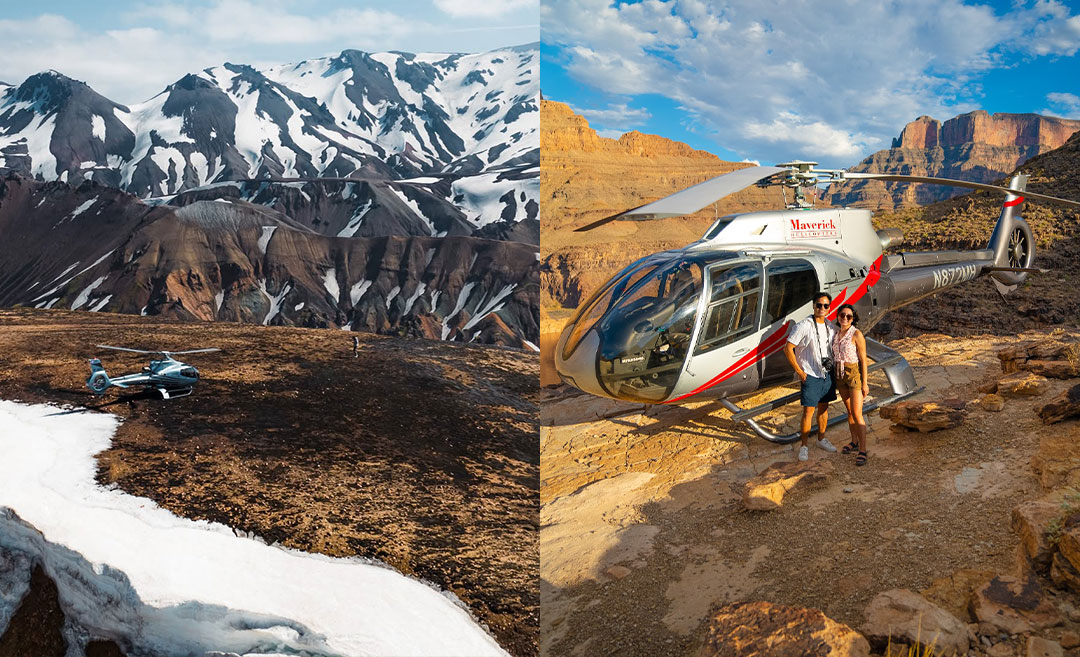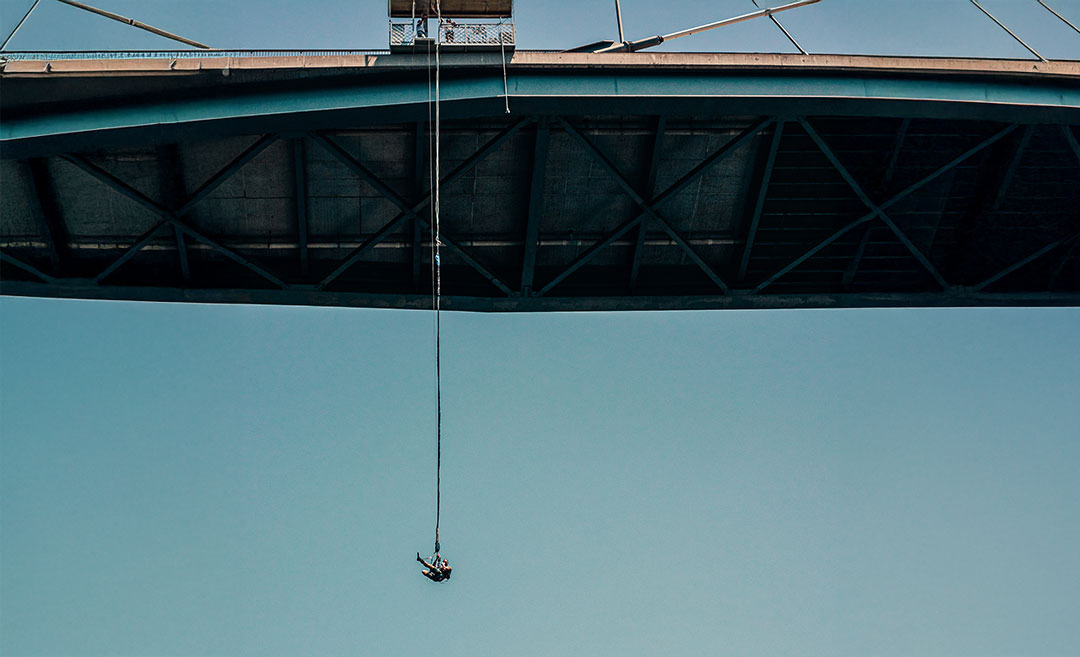
While standard thrill-seeking experiences on iconic landmarks look flawless on a social media feed, recent global accidents have proven why independent vetting must always precede the adrenaline rush. (Image by Sebastian Coman Travel)
A recent fatal bungee jumping incident in Brazil has reignited conversations about adventure travel safety. While such incidents remain rare, they come at a time when travellers are increasingly discovering thrill-seeking experiences through viral videos, social media recommendations, and algorithm-driven feeds. As bucket-list adventures gain popularity online, how can travellers distinguish a memorable experience from a reputable operator?
Popular doesn’t always mean proven
The rise of social media has made discovering unique experiences easier than ever. Travellers can now see destinations through the eyes of real visitors, compare experiences, and access reviews within seconds.
Years ago, many travellers relied on hotel recommendations, local tourism boards, or established tour companies when booking adventure activities. Today, a single viral Reel, TikTok, or influencer video is often the first point of reference. While this has made discovering hidden gems easier, it has also shifted how travellers evaluate what is trustworthy.
Popularity and credibility are not always the same thing. A video with millions of views may showcase breathtaking scenery or thrilling moments, but it rarely reveals what happens behind the scenes, such as staff training, equipment maintenance, emergency procedures, or safety briefings. For many travellers, high engagement has become an informal signal of trustworthiness. Yet experts often advise treating online popularity as just one piece of the decision-making process rather than a substitute for due diligence.
After all, algorithms are designed to reward engaging content, not necessarily the operators with the strongest safety practices. Visibility may help an experience go viral, but it does not always reflect legitimacy.
Looking beyond the highlight reel
Reviews remain one of the most valuable tools available to travellers, but reading beyond star ratings often provides deeper insights. Instead of focusing solely on glowing testimonials, look for comments that mention staff professionalism, safety briefings, equipment quality, and how operators handled unexpected situations. Consistency across multiple reviews can often be more revealing than a single viral video or influencer endorsement. It can also be helpful to look across multiple platforms rather than relying on a single source of feedback.
Choosing value over shortcuts
Adventure tourism often involves specialised equipment, trained personnel, insurance, and operational costs that are largely invisible to customers. While a lower price does not automatically indicate lower standards, travellers should understand what is included in the package and how operators differentiate themselves.
In many cases, travellers are paying for more than just the activity itself. Certified guides, appropriate guide-to-participant ratios, emergency rescue equipment, liability insurance, and well-rehearsed emergency procedures all contribute to a safer experience—even if they’re not immediately visible on a booking page.
Stories like the recent incident in Brazil may raise questions about safety, but they should not overshadow the fact that millions of people enjoy adventure activities around the world every year without incident.
Rather than avoiding adventure travel altogether, travellers can benefit from applying the same level of research and consideration they would to any major travel decision. In an era where algorithms can quickly surface the next must-try experience, spending a few extra minutes researching the people behind the experience may be just as important as finding the perfect shot.
Zafigo Pro Tips: Questions worth asking the operator before you book

Whether it’s bungee jumping, ziplining, white-water rafting, or scuba diving, adventurers can benefit from asking a few practical questions before committing. Reputable operators are typically transparent about these details and willing to answer questions—both useful indicators of professionalism and preparedness:
☐ Do they clearly explain their safety procedures and provide a proper safety briefing before the activity?
☐ Are instructors or guides appropriately trained or certified for the activity?
☐ Can they explain how often their equipment is inspected or maintained?
☐ Do they have a clear weather cancellation or postponement policy?
☐ Are emergency procedures explained, including what happens if something goes wrong?
☐ Do reviews consistently mention professionalism, safety and staff conduct—not just how exciting the experience was?
☐ Are they transparent about what’s included in the price, rather than focusing only on being the cheapest option?