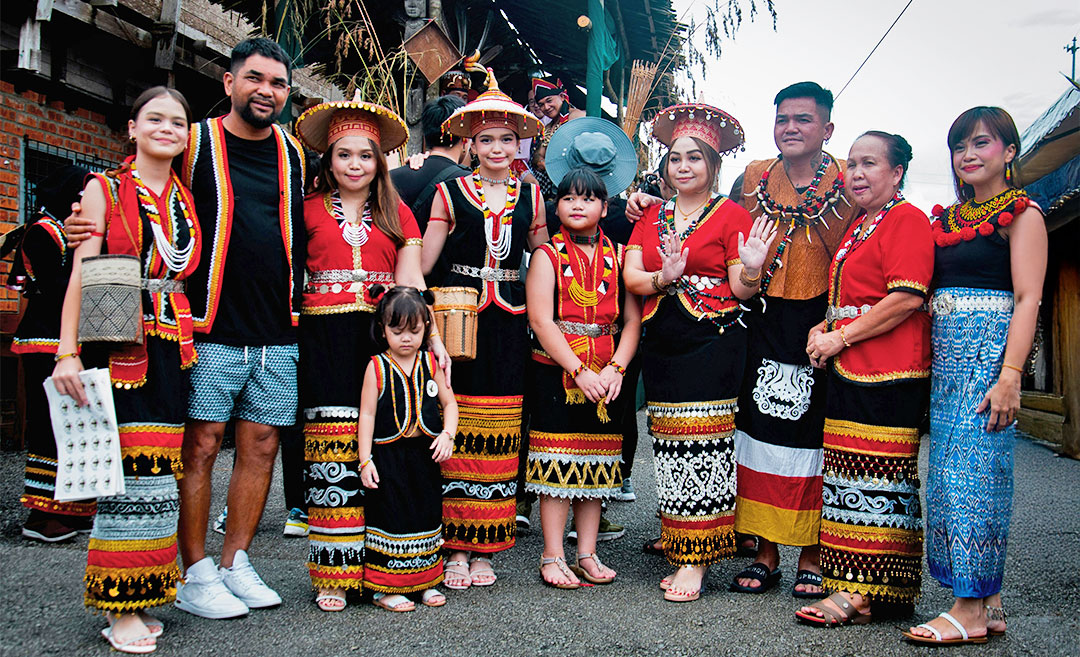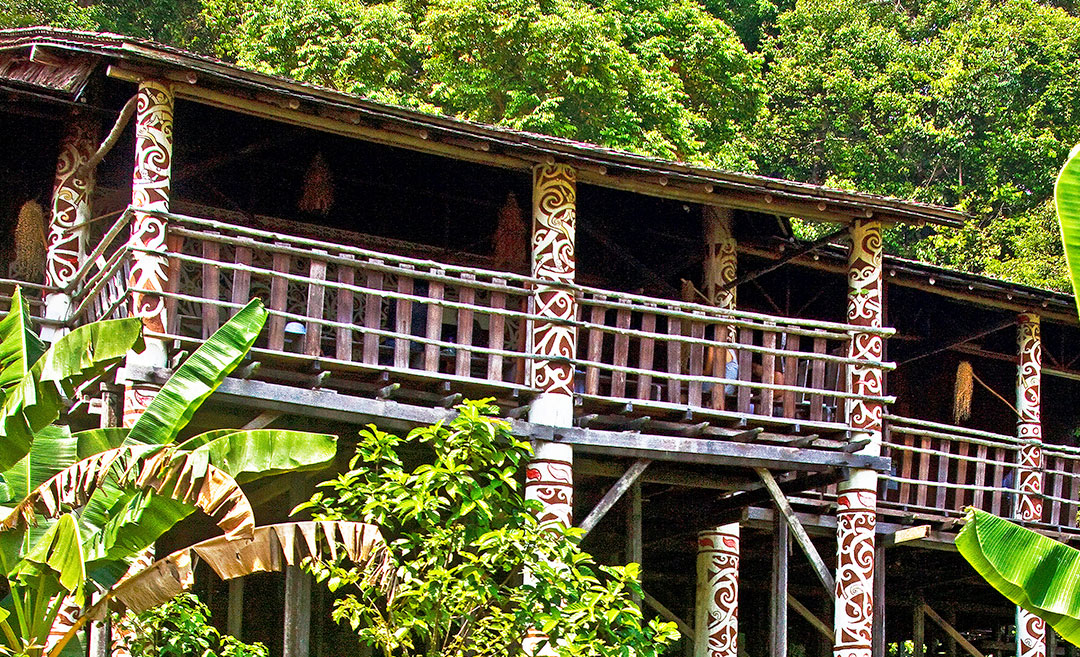
Gawai Dayak in Sarawak offers travellers a rare chance to experience community traditions and harvest rituals firsthand while admiring the unique architecture of the longhouses. (Image by David Bowden)
In Sarawak, the longhouse remains one of Borneo’s most enduring symbols of Indigenous culture, especially among the Iban, Bidayuh, and Orang Ulu communities. Traditionally built from timber and raised on stilts along riverbanks, these communal homes date back centuries and were designed to protect entire villages under one roof.
Today, they also offer visitors a rare window into Sarawak’s living heritage, particularly during the Gawai Dayak harvest festival.
Longhouses were originally established for security, cooperation, and the efficient use of resources, allowing families to farm, hunt, and defend themselves collectively.
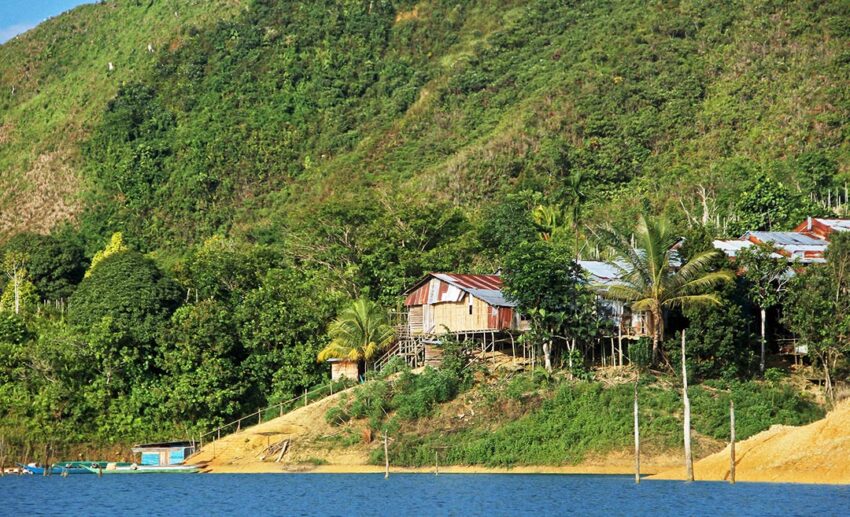
Each family occupies its private living space, while a shared verandah, known as the ruai, serves as the community’s social and ceremonial heart.
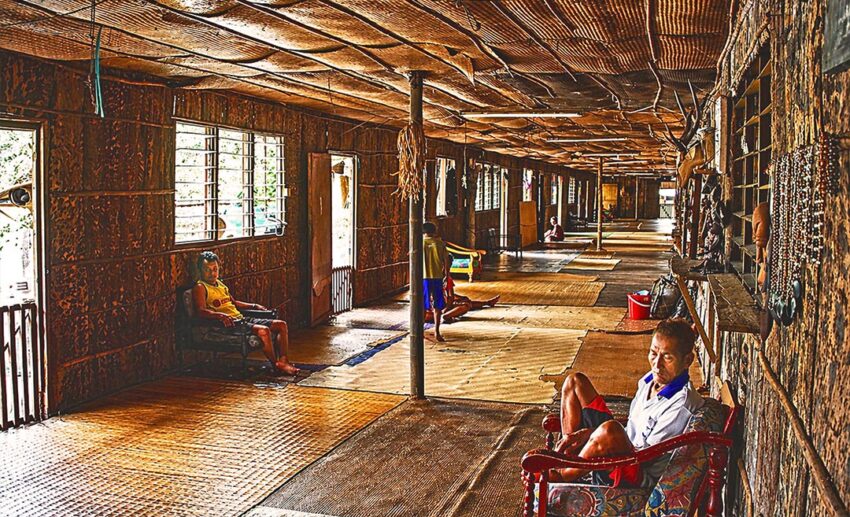
Today, longhouses still function as living communities, often blending tradition with modern amenities and conveniences.
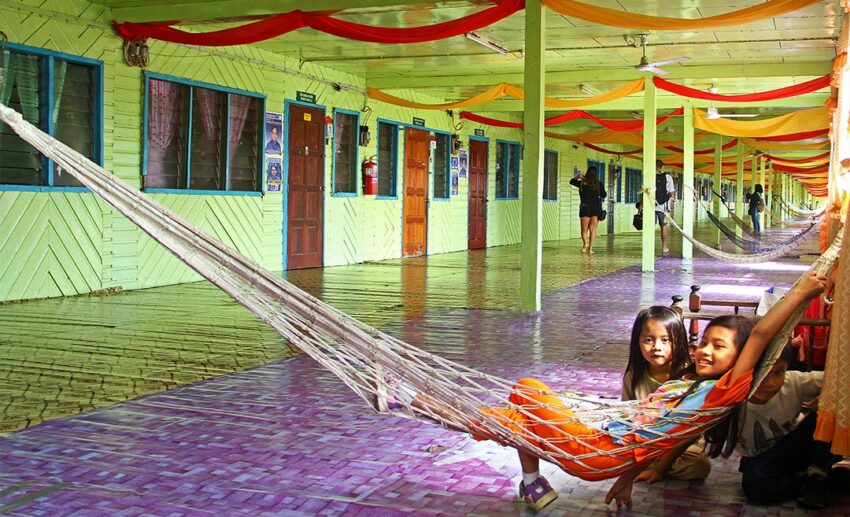
Residents remain under one roof not only for practical reasons, but to preserve ancestral customs, strengthen family ties, and sustain a way of life deeply connected to Sarawak’s cultural heritage.
Bringing in the harvest
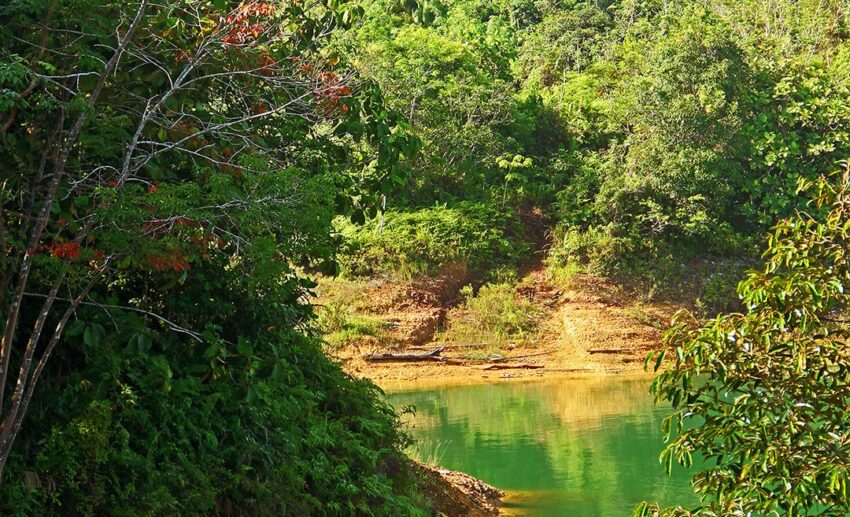
Held annually on 1 June, Gawai Dayak is one of Sarawak’s most important festivals, widely celebrated in longhouses as a thanksgiving for a successful rice harvest and a prayer for prosperity in the year ahead. Upland rice and other crops are grown in and around the forests that adjoin longhouses.
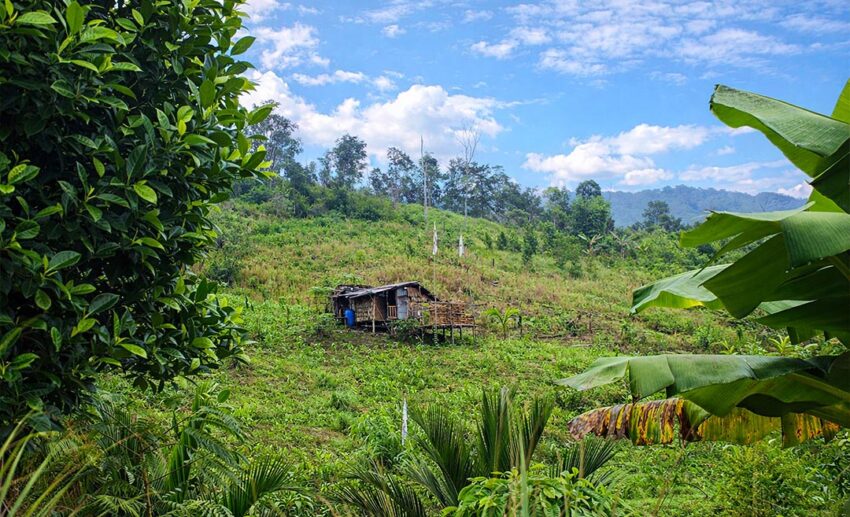
Gawai offers travellers an immersive cultural experience, blending celebration with reverence, where ancient customs remain central to community identity.
How the festivities unfold
Gawai Dayak is held annually on 1 June and is one of Sarawak’s most important festivals, giving thanks for the rice harvest and the year ahead. Upland rice and other crops are grown in the forests surrounding many longhouse communities.
Celebrations typically stretch over several days, especially in remote longhouses, transforming these communal homes into lively centres of ritual, reunion and feasting. What begins as a sacred ceremony gradually unfolds into music, dancing, and open-house visits rooted in the agricultural calendar.
Preparations often begin weeks in advance, with families brewing tuak, a traditional rice wine, preparing food, and decorating their homes. Visitors can expect lively ceremonies featuring traditional music, ngajat dancing, cultural performances, and communal feasting.
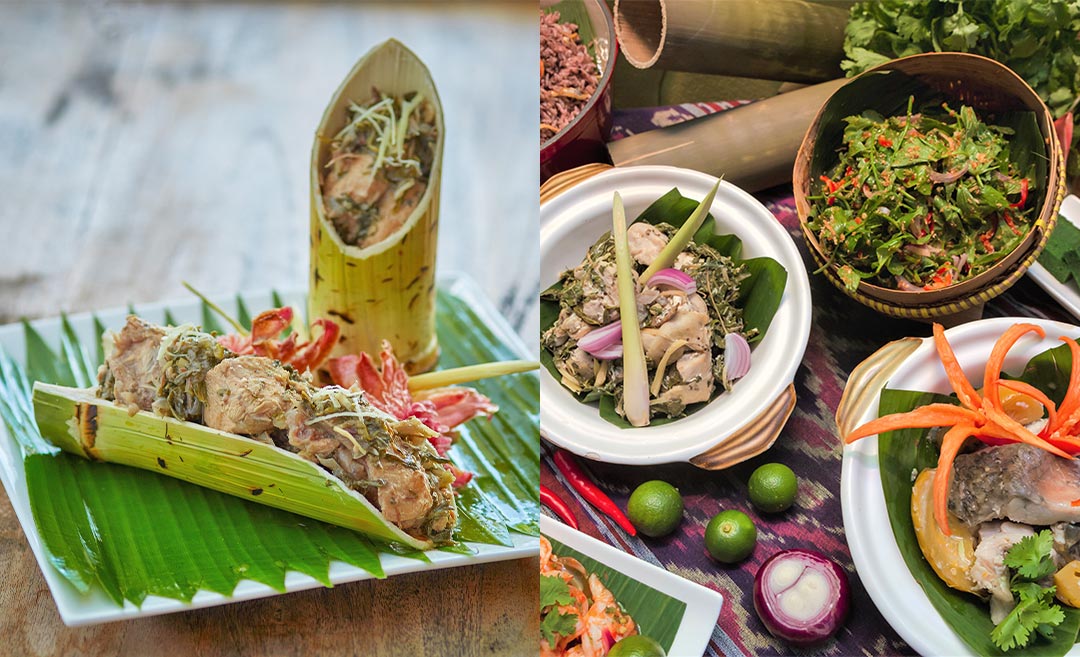
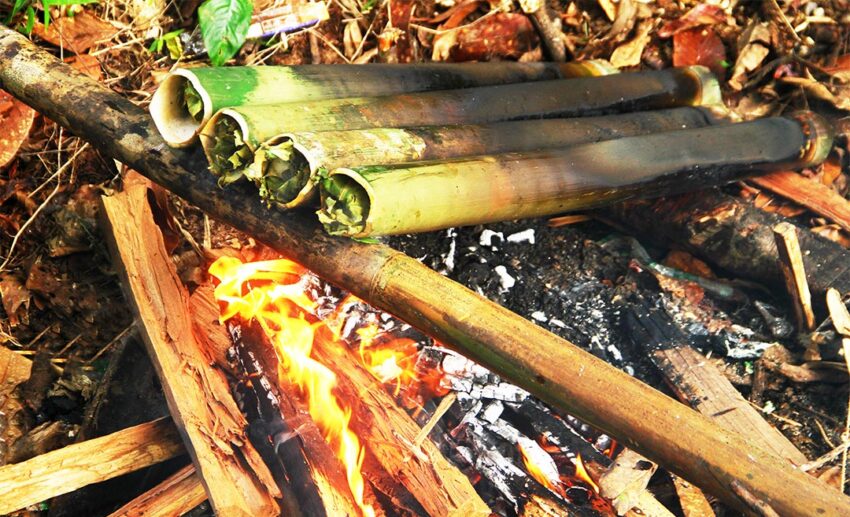
Women prepare ceremonial cakes such as penganan, sarang semut, and other traditional delicacies. Longhouses are cleaned, repaired and decorated with woven pua kumbu textiles, while bamboo is prepared for pansoh and glutinous rice dishes.
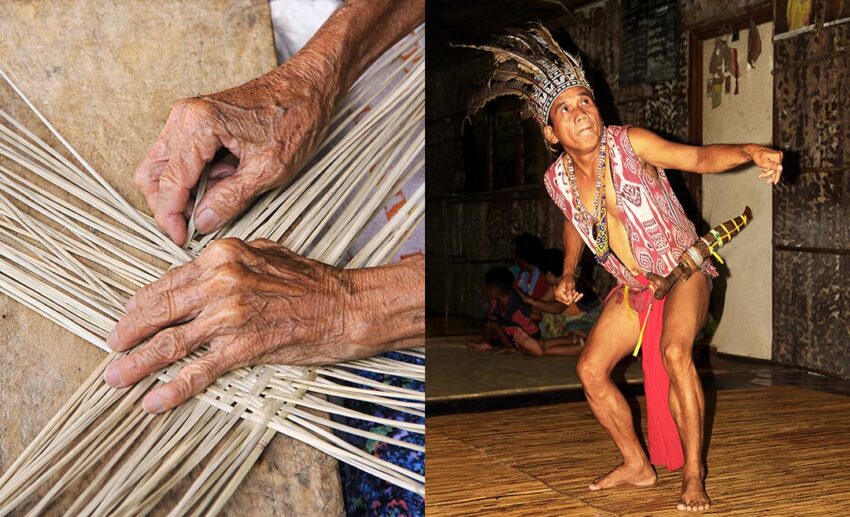
The formal celebrations commence on the evening of the last day of May with Muai Antu Rua, a ritual symbolically expelling bad luck and greed from the community. In traditional Iban longhouses, unwanted items are collected and discarded to cleanse the household spiritually. This is followed by miring, an offering ceremony accompanied by drums, gongs and prayers for blessings, long life, and future abundance. At midnight, a gong sounds and the tuai rumah, or longhouse chief, leads the communal drinking of ai pengayu, the ‘long-life’ toast, as others exchange wishes of health, prosperity and peace. The host gives instructions on expected behaviour during the festival. This oral tradition, or begeliga, is crucial for maintaining harmonious order during the festivities.
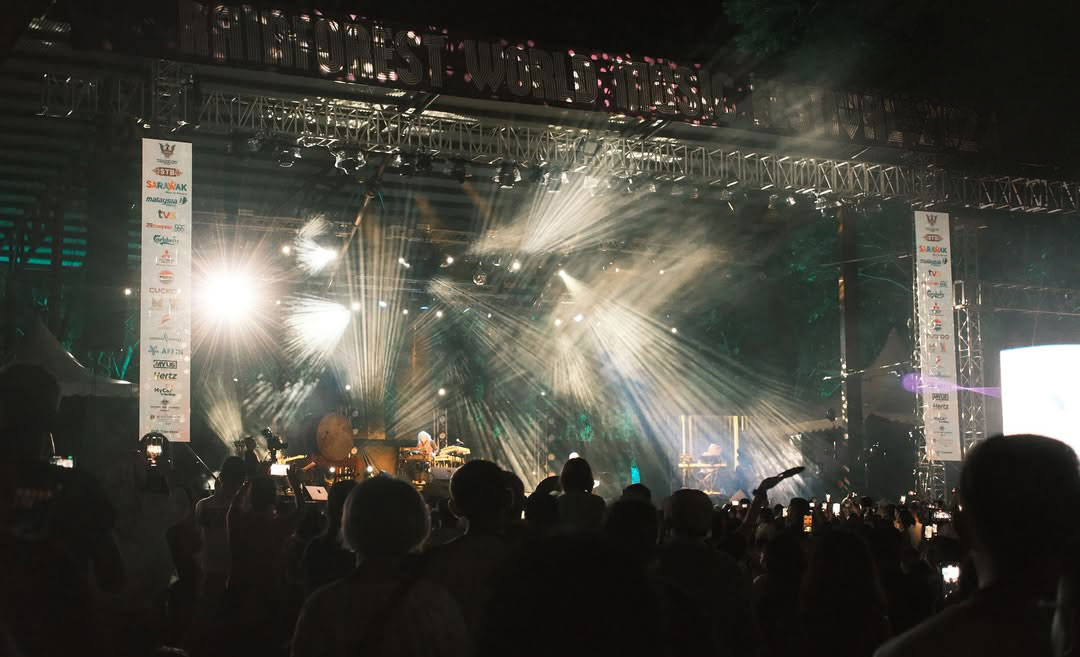
From this point onwards, Gawai becomes a sustained celebration of music, ngajat dancing, poetry, feasting and social bonding.
To tuak, or not to tuak
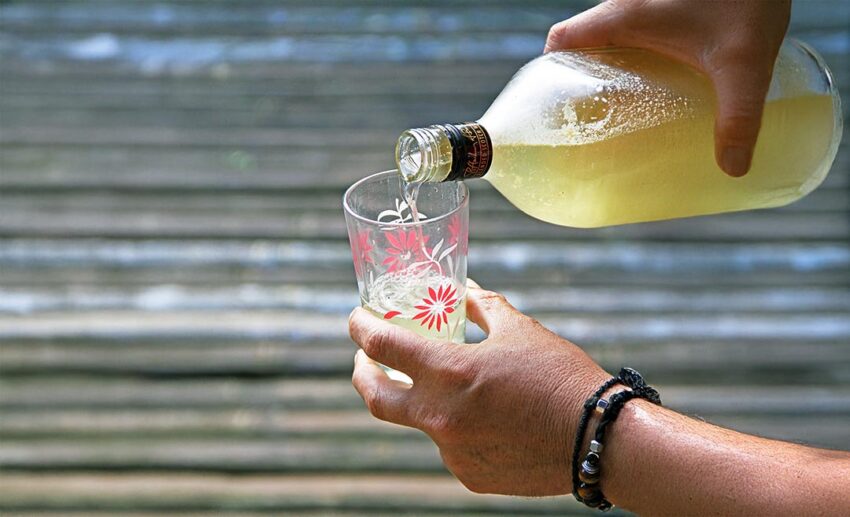
Tuak is a traditional fermented rice wine from Borneo, particularly Sarawak, commonly enjoyed during celebrations like Gawai. Mildly alcoholic, sweet and slightly tangy, it is made from glutinous rice, water and yeast, and is deeply tied to hospitality and communal bonding.
For visitors, the key is cultural sensitivity. In traditional longhouses, accepting tuak is seen as acknowledging a host’s welcome and goodwill. Those who do not drink alcohol for health, religious, or personal reasons can politely explain, accept a token sip if comfortable, or request a very small serving. Respectful communication matters far more than finishing the drink.
For visitors, the most authentic Gawai experiences are staged in Sarawak’s rural longhouses along rivers like the Skrang, Batang Ai, and Lemanak, though those on the fringes of urban areas provide more accessible alternatives.
Many Dayaks also use Gawai as a time for weddings, reunions, and renewing kinship ties, as relatives return from cities to their ancestral homes.
Though the public holiday officially spans two days, Gawai often continues informally for a week or more, especially through open houses where guests move from one home or longhouse to another. In urban areas, celebrations may be shorter and more performative, but in the interior, the festival remains deeply communal and immersive.
Longhouse etiquette for visitors
Visitors are welcome in most longhouses, but etiquette is important. Outsiders are expected to dress respectfully and modestly. Bringing small gifts for their hosts, such as fruit, books, or small household items, is considered thoughtful but not mandatory. Participation, good manners, and a genuine interest in longhouse customs are always appreciated. If in doubt, ask, and especially seek permission before photographing ceremonies or elders.
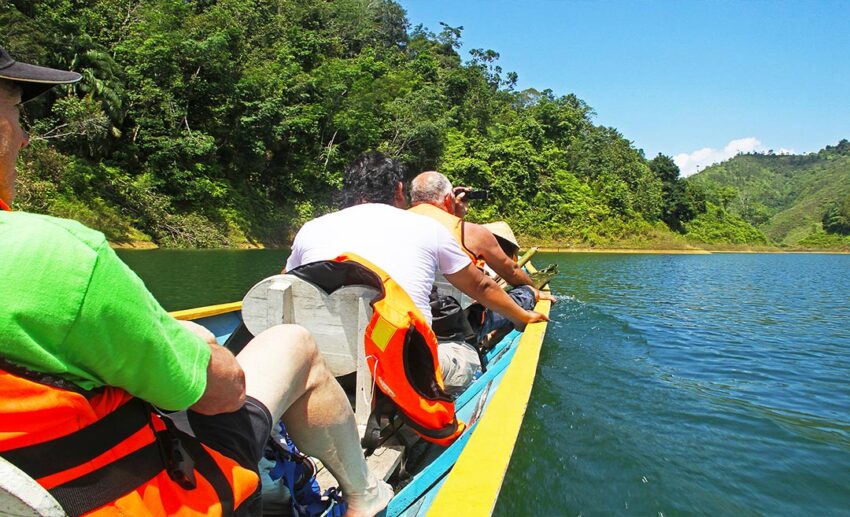
Many longhouses are located in remote parts of Sarawak and require long upriver journeys to reach them — part of the adventure for intrepid travellers. While many open their doors generously, respectful behaviour is essential.
Visitors should pay close attention to respecting the privacy of each room and living area inside the longhouse. The open verandah is accessible to all, but entering other rooms requires permission. Men are also forbidden from disturbing women cooking in the kitchen.
Gawai is celebrated not merely for the successful harvest but to reinforce identity, honour ancestral traditions, strengthen family bonds and invoke blessings for the next agricultural cycle. Visitors should attend with humility, curiosity and stamina, and in return, expect to be warmly welcomed and enlightened.
Experiencing Gawai Dayak in a Sarawak longhouse is not just a festival visit, but an invitation into a living culture. It remains one of Borneo’s most memorable journeys, especially for those seeking meaningful, community-led cultural experiences.
All photos are by and courtesy of the writer, David Bowden, unless otherwise stated.