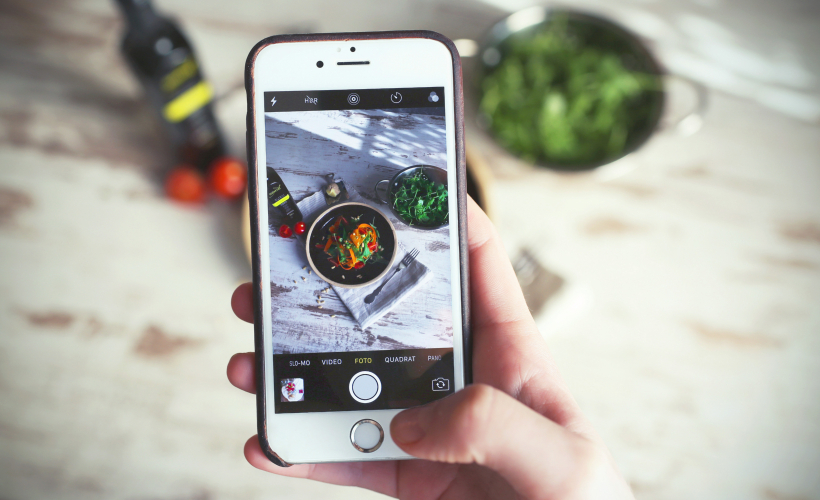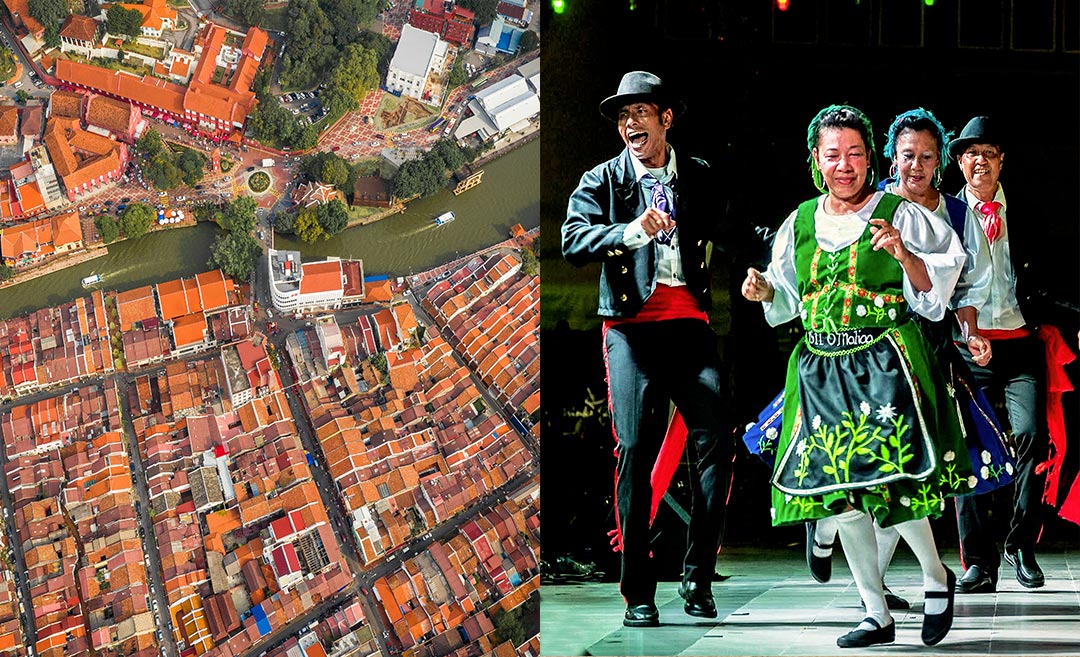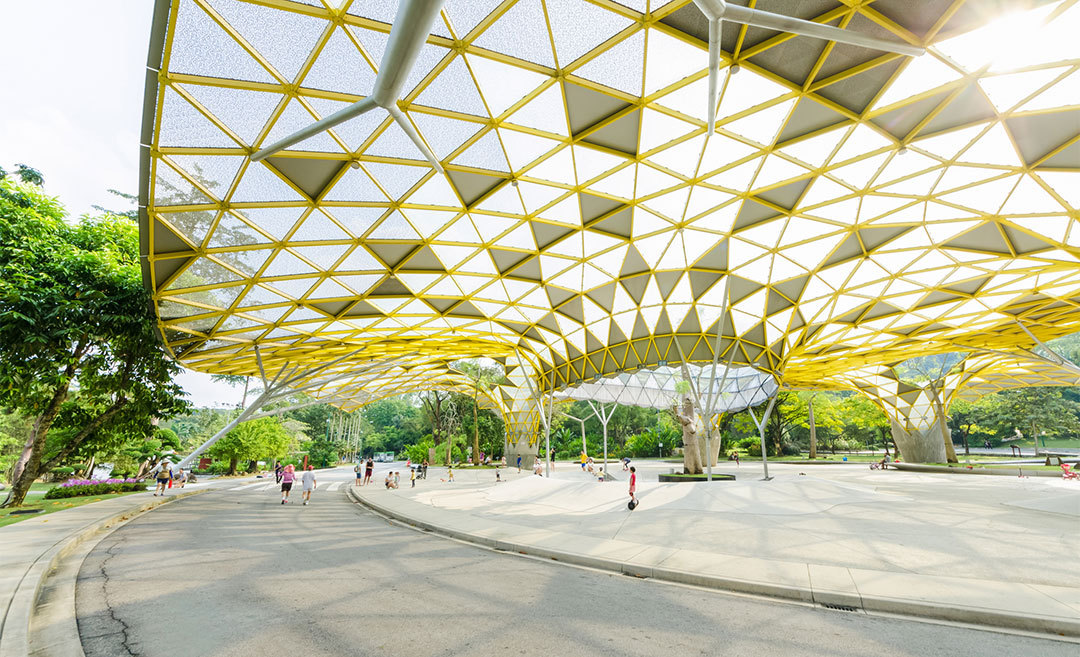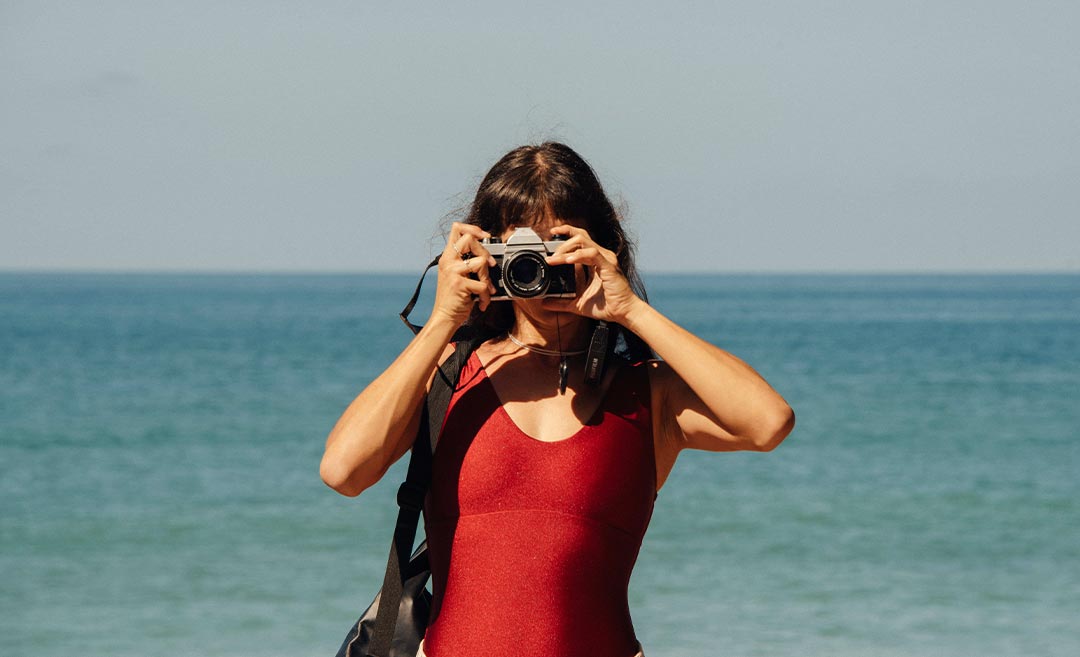
Master the legal and cultural nuances of travel photography to ensure your images respect the people and places you visit. (Image by Frank Flores)
Most of us take travel photos for personal use, while others take them professionally for social media, blogs, or magazines. Once an image is shared online, it can quickly enter the public domain and be reshared widely. This raises an important question: are there ‘right’ and ‘wrong’ ways to use and publish travel photography?
It is worth understanding the legal and ethical responsibilities of taking photos and then publishing them responsibly.
Most of us take photos in public spaces that portray many people, and this is fine. In general, public places, objects, and landmarks normally don’t require permission to be photographed, unless they are sensitive sites such as military installations.
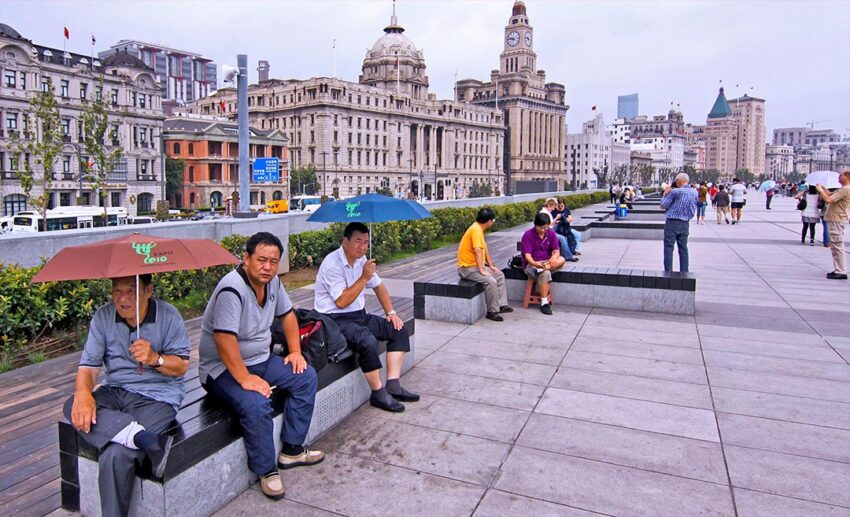
In many destinations, you can photograph people in public without permission as there is no reasonable expectation of privacy.
There isn’t a single ‘global’ rule for photographing people, and laws vary by jurisdiction. However, there are widely accepted legal principles and professional norms that travel writers and photographers tend to follow. It helps to separate what is legal from what is ethical and publishable.
The legal baseline, which is consistent across many countries, divides space into private and public. In public places like streets, markets and beaches, you can generally photograph people without their permission.
Meanwhile, on private land, the property owner sets the rules. Even if access is public (such as a cafe), permission to take photos may be required. Many art galleries and museums prohibit photography because it disturbs others, and flash photography can have a deleterious effect on some exhibits.
Tripods are banned in Sarawak’s Mulu Caves, and I can only assume the ban is because they could briefly block others from walking along the narrow, raised boardwalks. However, serious photographers who travel with a tripod should be especially sensitive to the needs of fellow travellers. We shall discuss cultural sensitivity below.
The Rules for Photographing Strangers
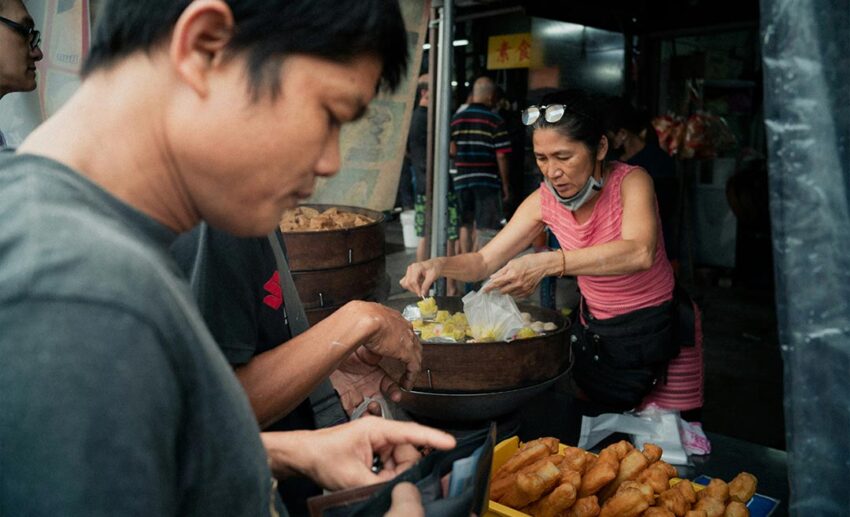
Photography gets more complicated when it involves people. You cannot photograph people in situations where privacy is expected, even if technically visible, such as inside homes, toilets, changing rooms and medical settings. Photos with commercial intent (advertising and brochures) usually require the signed permission (and payment) of anyone ‘modelling’ in the photo.
Laws vary around the world, so if you’re travelling overseas, it’s advisable to do your homework. Conditions in Malaysia are generally legally relaxed, but there are many cultural and ethical nuances, of which photographers need to be aware. While there’s no overarching law prohibiting photographing strangers in public in Malaysia, photographers should also be aware of defamation and trespass laws.
Why Professional Etiquette Matters
Putting the law to one side, no one wants to be accused of being culturally tone-deaf. Some practices are ethically questionable, particularly images that may embarrass a person or touch on race, religion, or poverty. This doesn’t mean that photos on such topics cannot be taken, but cultural etiquette ensures photos are taken sensitively.
For example, I’m aware that many older people are sensitive as they feel that their soul is being stolen. Recently, while wandering around Taiping, I passed a shop and noticed an elderly gentleman carving some Chinese characters into wood. Traditional crafts like this fascinate me. I watched and admired the artisan at work. After a few silent minutes, my subject looked up and smiled. I returned the smile and then engaged in a discussion on his craft. After ten minutes, I asked Mr Lee Hong if it was okay to take his photo.
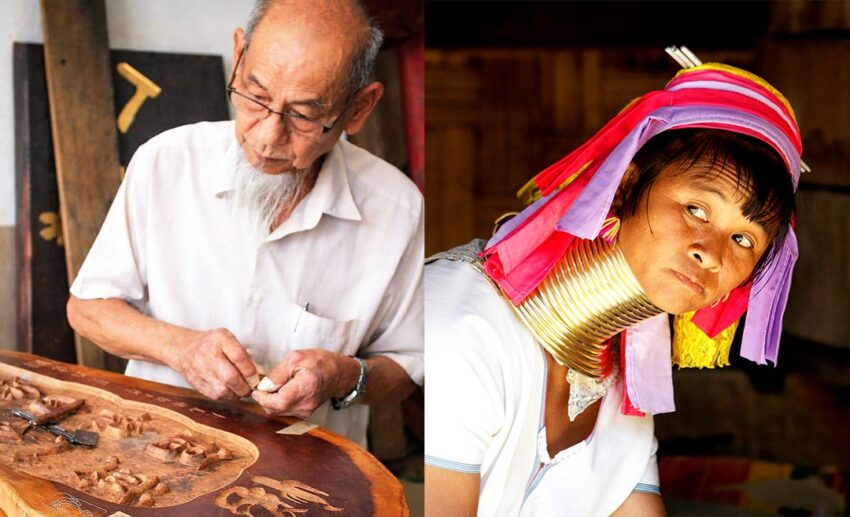
Professional etiquette means published photos should respect culture, religion, and age. The Kayan refugee situation near Mae Hong Song in north-west Thailand is worth discussing. I visited this community of Myanmar people who had sought refuge in Thailand because of the civil conflict in their own country. It was my understanding that they couldn’t work in Thailand, so their village became a ‘cultural show’ for tourists.
The women wear brass rings around their necks as a way of making themselves more attractive. My guide explained the dilemma these people in a ‘human zoo’ faced – they needed money to survive, and tourism was one of the avenues available. I visited, admired the villagers, and chose to purchase some souvenirs. At no stage was I asked to ‘pay’ for my photographs, but I thought it correct that I should purchase some of their handicrafts.
In other places, visitors may be asked for a small fee for a photograph. In remote and impoverished rural communities, tourists are one of the few sources of ‘income’ for the locals. Some argue that giving gifts or money encourages begging. Others claim that they are helping. Taking small, useful gifts from home is one way around this – even something as small and cheap as a coloured pencil.
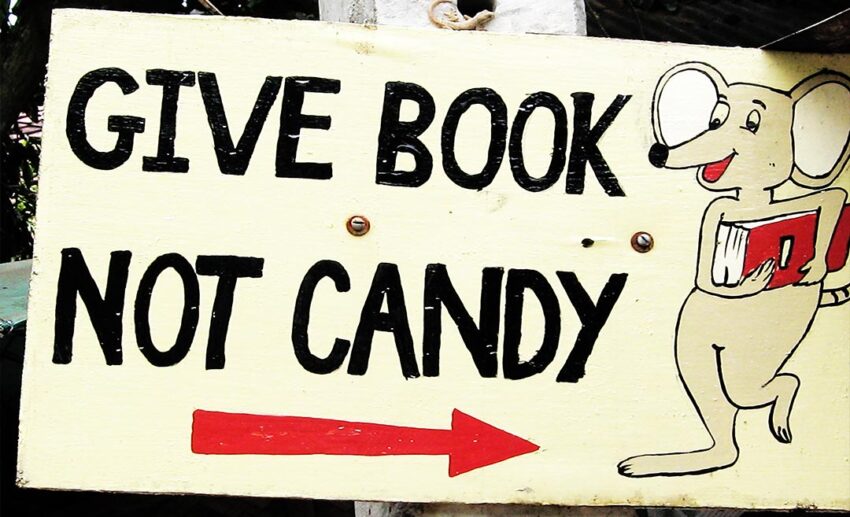
We face moral dilemmas every day – do I buy coral trinkets? Do I fire off a round of ammunition from an AK47 in Cambodia? Or do I take an elephant ride in the wilds of Thailand?
I’ve always found that a simple gesture, a smile, or pointing at my camera often works across language barriers. It’s wise to avoid treating people as ‘subjects’ without context or engagement.
Men photographing women can also be sensitive. Most artisans and stallholders don’t mind having their photo taken, but some may refuse, especially those who aren’t working legally.
Photographing children can be challenging, and usually this involves seeking permission from a parent or guardian, especially if the children’s faces are identifiable.
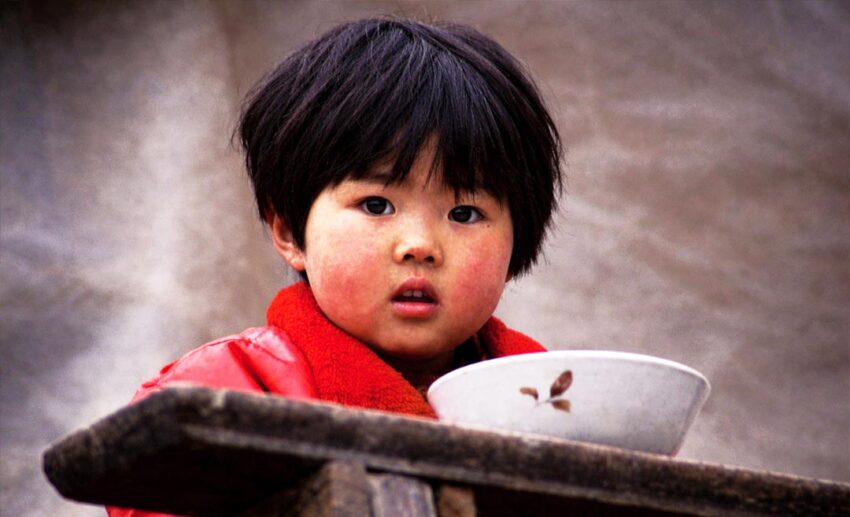
A memorable scene unfolded years ago in Paris. A small boat pulled into the riverbank along the River Seine adjacent to the famous Notre-Dame Cathedral. A class of kindergarten children alighted from the boat and made the perfect addition to the foreground of my photo. Robert Doisneau, one of France’s most famous black and white photographers, immortalised French life in the early 20th century and took photographs like the one that was unfolding in my camera lens. I was standing well back from the group, and the children were so small that none of their faces were recognisable. One of the teachers stormed over, started barking orders in French (sadly, my command of the language is minimal), and insisted I delete every photo from my digital camera.
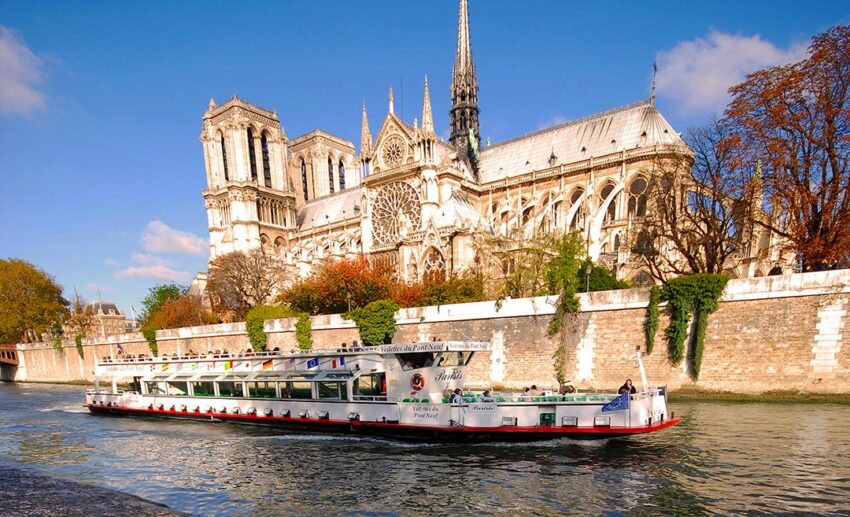
Legally, I was within my grounds to take the photos, as they were in a public space, and none of the children were identifiable in the photos. I can only assume that the teacher was concerned about the misuse of photos of underage children on the dark web. My memorable photos aren’t shared here, as they were all deleted. Times have changed since Robert Doisneau took his famous photos, and not all these changes have been for the better.
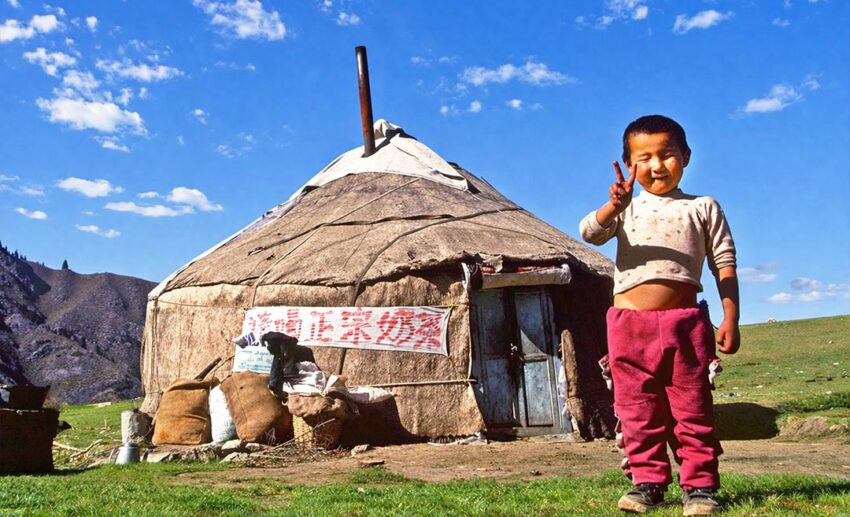
In other situations, children are happy to have their photo taken, especially if you share it with them after taking it.
Respecting the No-Go Zones
Taking photos isn’t allowed in certain sensitive areas, including government offices, military or police facilities, airports, and religious places, particularly during prayer times. Recently, I was wandering down Ho Chi Minh City’s flower street, and one retailer banned photos of his flowers. Why, I don’t know, so I simply moved to the next stall.
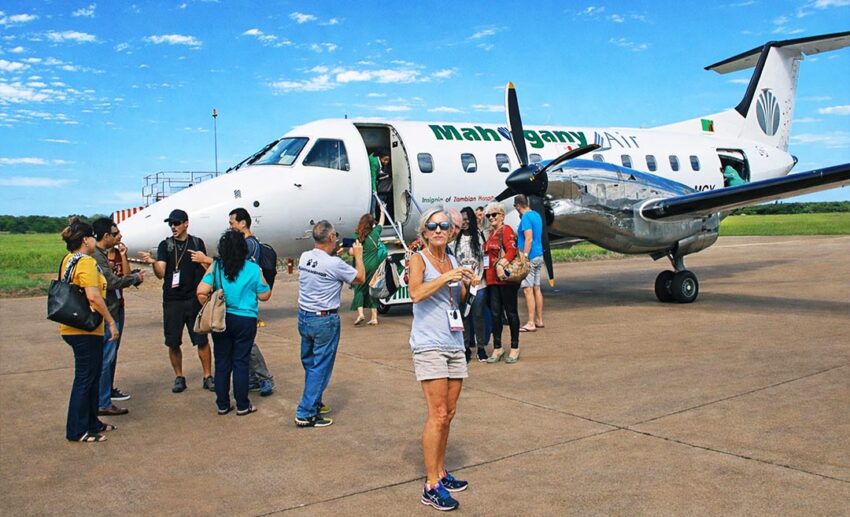
It’s worth noting that tourists aren’t universally welcomed by all locals. Some villagers in Hallstatt, Austria’s most photographed village, have had enough.
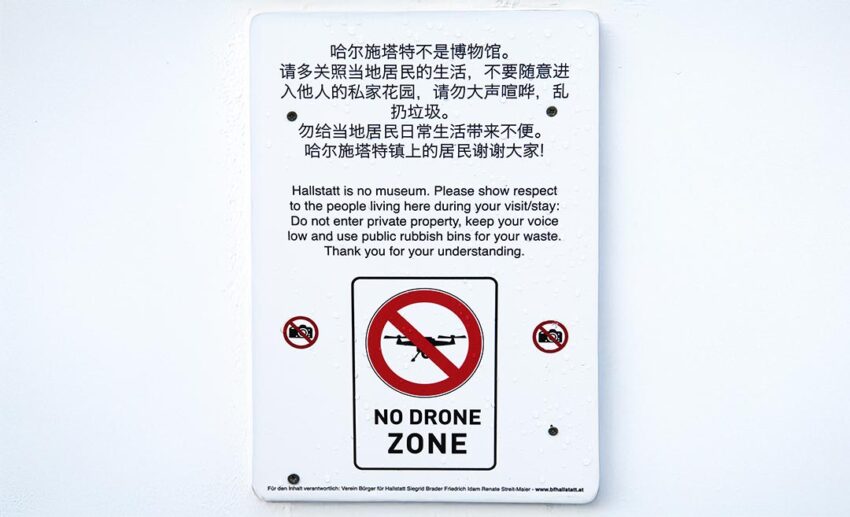
Mastering the Art of Discretion
One way of getting around taking photos of those who are uncooperative, or in places where photography isn’t allowed, is to shoot ‘blind’. This means not focusing on a subject but simply taking random photos and hoping for the best.
I visited the Louvre in Paris to admire its prized exhibit, the Mona Lisa by Leonardo da Vinci. Signs clearly state that photography isn’t allowed, but everyone else was using their mobile phone to snap away, and the guards idly stood by. While it’s always best to follow the house rules, I decided to capture the reality of the scene, the collective fascination of the crowd. To do this discreetly without disrupting others, I changed tactics and photographed the painting candidly from the hip. I like the result, as it shows someone admiring the artwork in a way that feels more authentic than a posed shot.
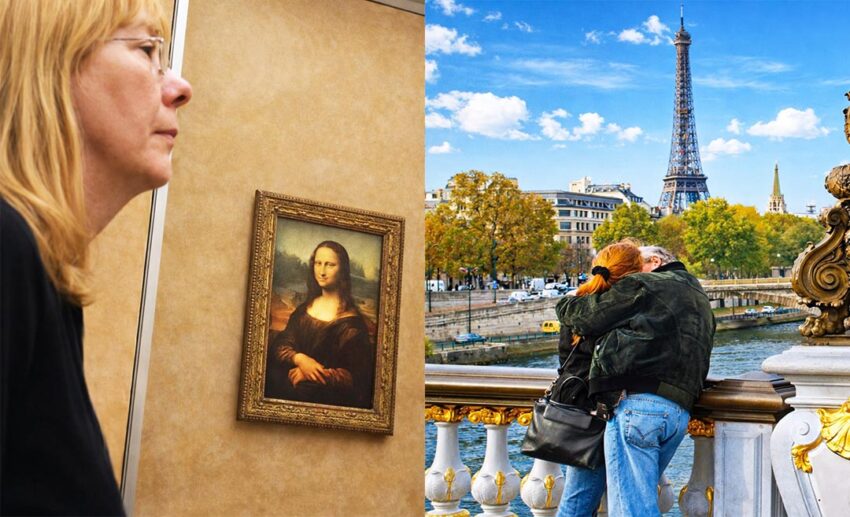
Shooting blindly requires a wide-angle lens—set the lens on infinity/autofocus and the camera for low-light photography, and start shooting. Make sure you turn off your flash, too.
Using a longer lens (200 mm), if you have one, is another way to overcome such situations. Long lenses allow you to get the same photo from a distance, respecting a subject’s personal space while still capturing a powerful, evocative image.
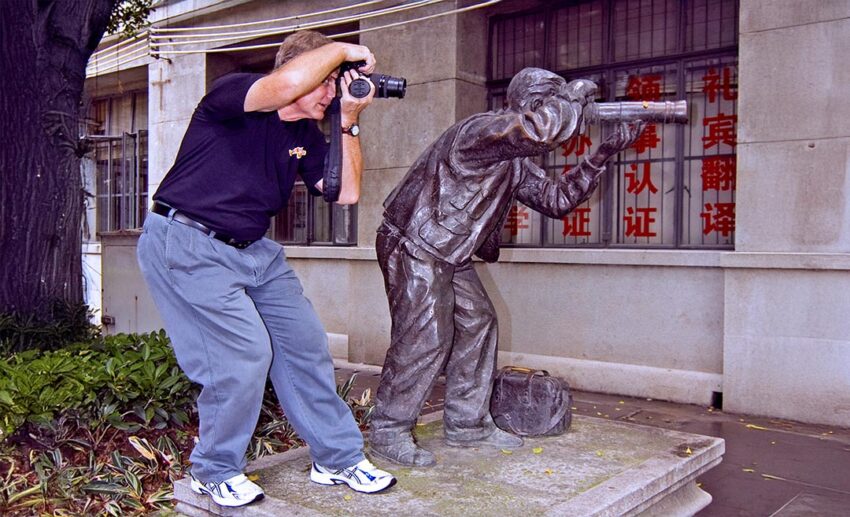
Sometimes you don’t need to be that close to a subject to get an evocative image. Two years ago, I photographed a couple sharing an intimate moment in Paris. Long considered one of the world’s most romantic cities, Paris provided the perfect backdrop. I like the result as the setting is easily identifiable, but not the couple.
Photography should guide us in rethinking how and why we travel, especially in terms of awareness, respect, and how we engage with people and places beyond just documenting them.
Practical Travel Photography Etiquette
A quick checklist to help you photograph people and places respectfully while travelling.
- Street scene with incidental people? Fine.
- An individual subject — especially a close-up? Ask.
- Religious or cultural context? Think, ask, or don’t shoot.
- Commercial intent? Get written consent (model release).
- Any hesitation from the subject? Walk away.
- People who clearly object? Walk away.
Travel photography is as much about capturing moments responsibly as it is about capturing beautiful images. When approached with curiosity, empathy, and respect, your photos become meaningful stories rather than just souvenirs.
All photos are by and courtesy of the writer, David Bowden, unless otherwise stated.