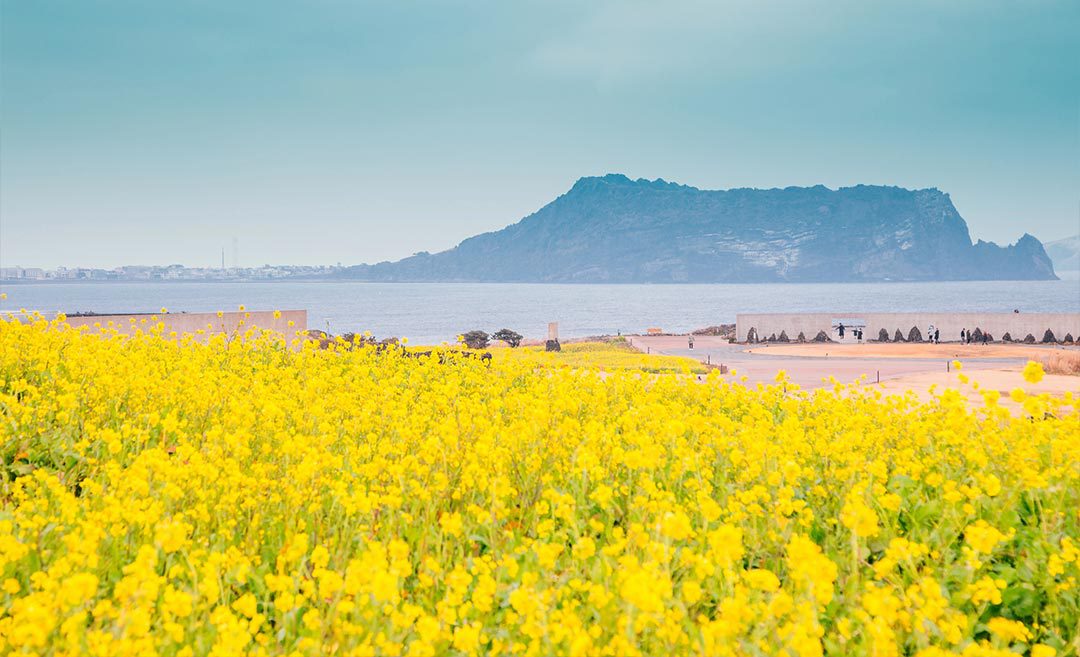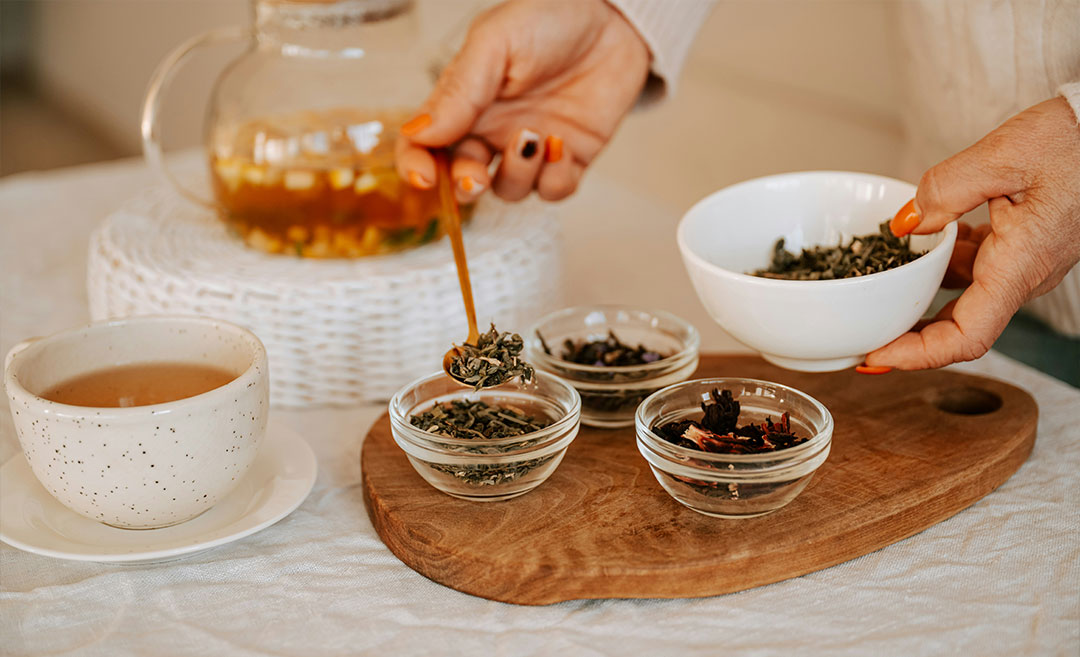
Embrace Seoul’s traditional Korean teahouses, where every step—from choosing and sipping your tea to snacking on tidbits—seeks to calm your soul. (Image by Kateryna Hliznitsova)
Seoul is known for its quirky themed cafes and Insta-worthy coffee shops, but for something more traditional, visiting an authentic Korean teahouse might just be your cup of tea.
These teahouses pay tribute to Korea’s long-standing tea tradition which dates back over a thousand years ago, when the darye tea ceremony was an integral part of royal etiquette and religious customs.
Today, the Korean teahouse is a welcome respite from the hustle of city life. Its allure lies in the traditional architecture and calming ambience—often enhanced by a courtyard garden or water feature—as much as the tea itself.
More than just tea leaves
When it comes to selecting your tea, you’ll be spoilt for choice with the wide array of brews available at Korean teahouses.
Here, tea isn’t simply tea leaves steeped in hot water. Korean tea also includes a whole range of infusions brewed using other types of leaves as well as fruits, flowers, grains, and roots.
Among the more popular offerings are daechu cha, made from dried or preserved jujubes, and yuja cha, a citrus infusion that is particularly sought after in winter.
You can also give the one-of-a-kind omija cha or ‘five-flavour’ tea made from magnolia berries a try, where the taste depends on whether the beverage was made with hot or cold water. Another unique option is Job’s Tears tea or yulmu cha, which is hearty and almost soup-like.
A full-bodied experience
Many of these brews boast health benefits, such as aiding the body’s digestive, circulatory, or immune systems.
Some teahouses list out the medicinal properties of each brew so you can select the beverage best suited to your needs.
Once your tea is served, take time to appreciate all aspects of its presentation. In Korean culture, drinking tea is an experience that engages all five senses.
Whether it’s admiring the hue of your tea or pausing to inhale its aroma, a contemplative approach lets you slow down and savour the moment, as well as your drink.
Tea time snacks
Another highlight is the traditional teahouse snacks called hangwa. While these snacks are complimentary at some teahouses, others offer the tidbits as part of their menu.
Some crowd favourites include yugwa, a deep-fried rice cake coated in puffed rice that’s both crispy and chewy, injeolmi tteok, a softer rice cake covered in nutty bean powder, and the flower-shaped yakgwa.
The sweet flavours and varied textures of these centuries-old confectioneries make them the best pairing for a steaming cup of tea. For a more cooling choice during summer, some teahouses also specialise in patbingsu, a mouthwatering shaved ice dessert topped with red bean.
Where to experience Korean teahouses
Most Korean teahouses are set in quaint hanok, traditional Korean houses characterised by their tiled roofs, wooden framing, and distinct aesthetic features.
If you’re looking for authentic teahouses in Seoul, there are a good number of them located around Bukchon Hanok Village and Insadong—two historic spots known for their charming houses.
Shin Tea House is an unassuming hidden gem in one of Insadong’s quiet back alleys. Its traditional setup of low tables on wooden floors and rustic decor creates a cosy atmosphere.
Also in Insadong, Dawon Traditional Tea Garden operates from a hanok in the picturesque courtyard of the Kyungin Museum of Fine Arts. The teahouse serves up more than 15 varieties of tea, all of which originate in Korea.
If you are willing to travel a little off the beaten track, make your way to Suyeonsanbang Tea House at the foot of Bukhansan. The place was originally the home of the late Korean author Lee Tae-Jun and was where he wrote many of his books.
This story by Jacie Tan Cheng Hwee was originally published on AirAsia. Zafigo republished this story in full with permission from the publisher, simply because good stories should be read by as many people as possible! If you have stories that will be of interest and useful to women travellers, especially in Asia, please get in touch with us at [email protected].