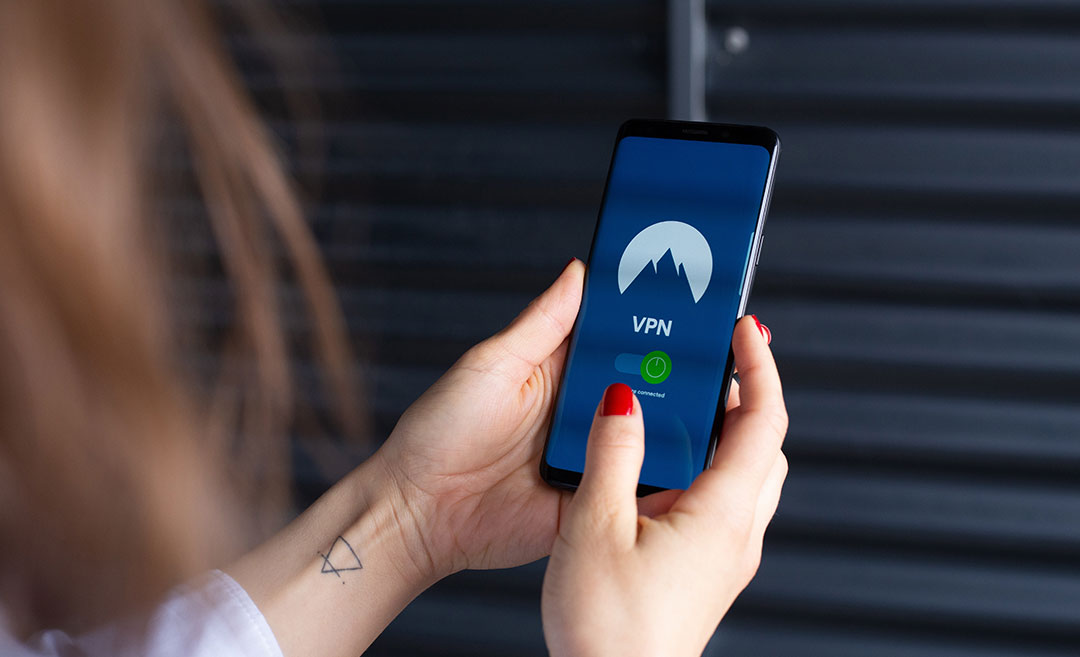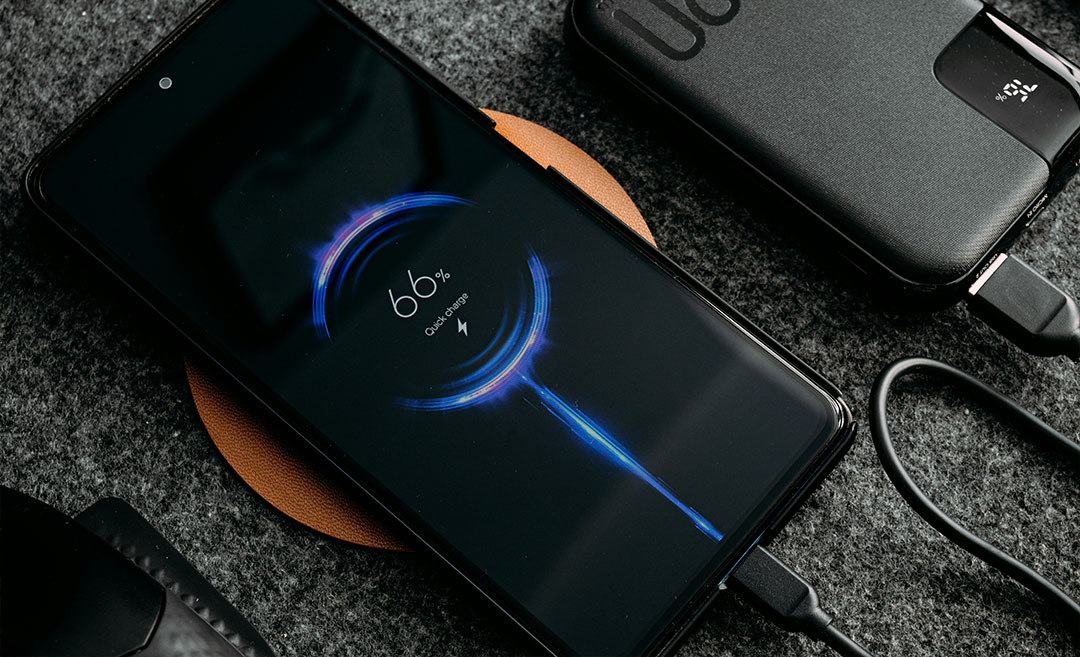
Think those USB charging stations at the airport are harmless? Think again. Juice jacking is a cybersecurity threat that puts travellers at risk, and you may not even realise it’s happening. (Image by Amr Taha™)
If you’ve not heard of juice jacking, don’t worry, you’re not alone. It’s a term most of us don’t come across until it’s too late. But with malware and data theft constantly a threat, it’s something every traveller should be aware of. This guide provides you with the insight and explanation, all while highlighting the importance of awareness and offering practical safety tips.
What is “juice jacking”?
“Juice jacking” happens when hackers install malware or data-stealing software in publicly accessible USB charging ports, like the ones at airports, train stations, cafes, and hotels. When you plug your phone in to charge, malware can sneak into your device and steal information like passwords, contacts, and even trace your location, all without you knowing.
To you, it’ll look like your device’s simply charging. But behind the scenes, it may be getting infected or your data copied.
In the US, both the FBI and FCC have issued alerts and public warnings about juice jacking, urging travellers to avoid public USB ports altogether.

What happens if you get juice jacked?
The truth is, there isn’t much we can do to stop this from happening. So long as you have a device, whether a phone or a tablet, you are automatically at constant risk. In short, more than just your battery is at stake, and the risks include:
- stolen login credentials
- access to your messages and contacts
- GPS tracking (even if you have it turned off)
- ransomware attacks
- background malware installation
Protect yourself with these simple tips
Don’t panic; you don’t need to be a tech expert to stay safe. A few small changes to how you charge your device on the go can make a big difference:
- Carry your own charging cable and wall adapter, and plug into a regular power socket instead of a USB port.
- Use a USB data blocker or charging-only cable.
- Pack a portable power bank, especially for long journeys.
- Keep your phone’s software updated as it patches security vulnerabilities.
- Install an anti-malware app, especially if you’re an Android user.
- And ultimately, avoid, public USB ports, even if they look safe.
Juice jacking isn’t about fear-mongering; it’s about awareness. The more you know, the less likely you are to fall for digital threats that hide in plain sight. So, next time you’re looking for a quick battery boost while travelling, remember: stay powered, stay smart, and stay safe.