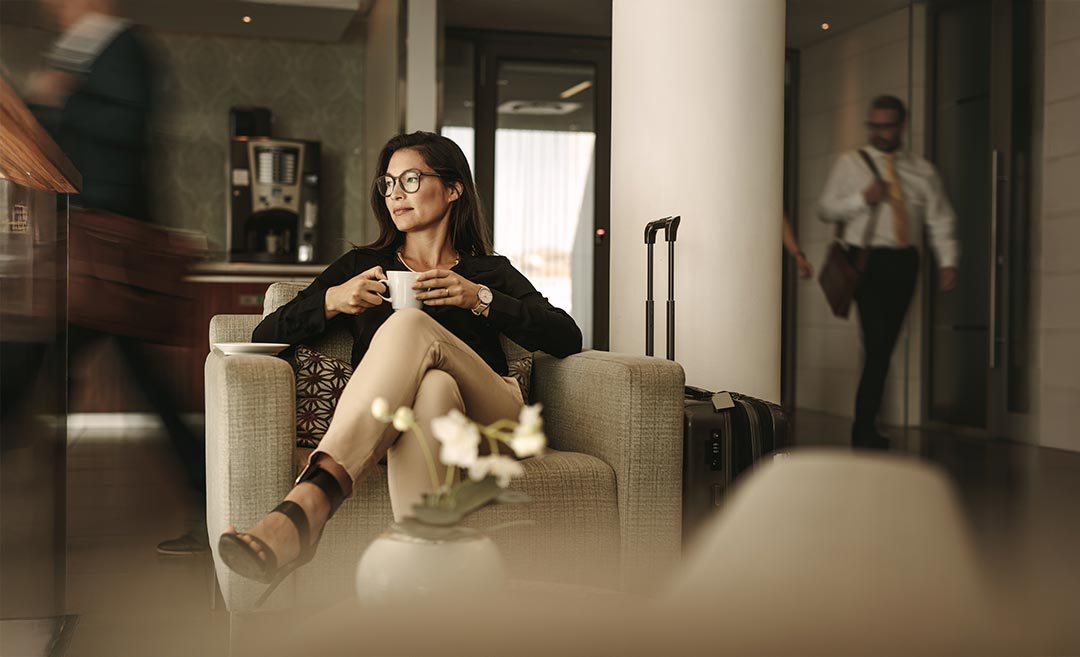
Whether we are looking out over a new city or stepping onto unfamiliar streets below, every woman deserves the freedom to explore the world on her own terms—without personal safety dictating the itinerary. (Image by Ifrah Akhter)
Travelling somewhere new often means leaving room for the unexpected. A detour down an interesting street, an impromptu evening out, or a solo wander through a neighbourhood are often what make a trip memorable. But for many women, spontaneity comes with a few extra considerations, particularly when it comes to personal safety.
The International Day for the Elimination of Violence Against Women on 25 November marked the start of the 16 Days of Activism against Gender-Based Violence. While the campaign draws attention to the wider issue of violence against women, it also highlights how personal safety shapes women’s freedom of movement, including when they travel. So, what should every woman be able to take for granted on a trip? Here’s our wishlist.
1. Exploring unfamiliar neighbourhoods without worrying about getting home
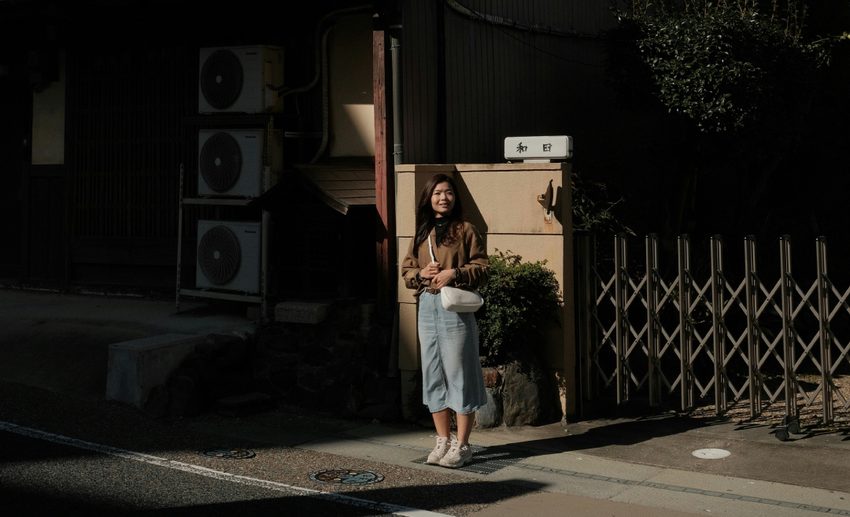
Going off itinerary can lead to some of the most memorable travel experiences. Taking an unexpected route, catching a local bus or stumbling upon a neighbourhood restaurant that hasn’t yet made it onto Instagram. Yet for many women, there’s often a second thought: Is this neighbourhood safe? How far is the nearest train station? Will there still be people around after dark?
A 2026 study by Britain’s National Centre for Social Research (NatCen), commissioned by the Department for Transport, found that 28% of public transport users had experienced sexual harassment or unwanted behaviour in the preceding 12 months. This figure rose to 54% among female users aged 18–34.
Closer to home, a 2024 study led by Universiti Malaya researchers, based on focus group discussions with female public transport users aged 15–70, examined perceptions of public transport safety in Malaysia. It identified sexual harassment, sexual assault, and child trafficking among the concerns affecting women’s mobility and access to public transport.
These concerns don’t disappear when women travel overseas. They can influence how freely they explore unfamiliar cities, choose their transport, and decide where to go after dark.
2. Enjoying a night out without having to watch the clock
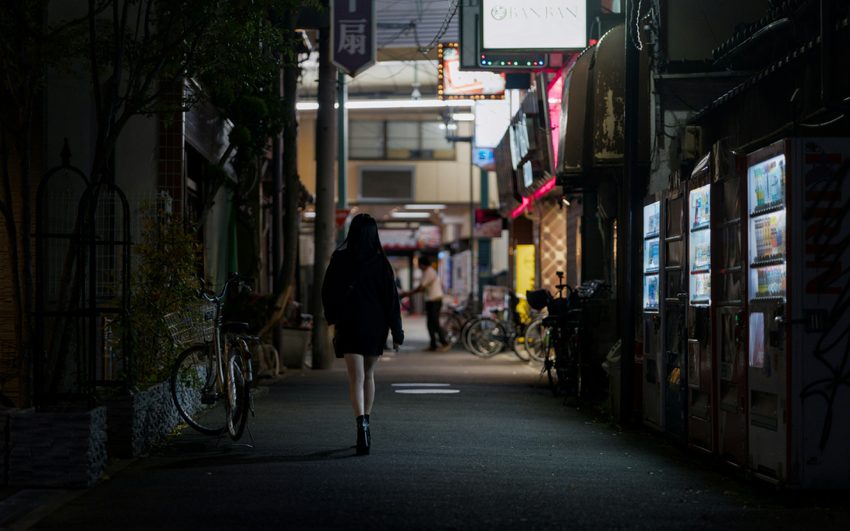
There’s a particular magic to experiencing a destination after dark. Night markets come alive, rooftop bars offer spectacular views, and live music drifts out of neighbourhood establishments. Women should be able to enjoy all of this without having to constantly calculate how late is too late.
Then there’s the question of what to wear. Packing for a holiday should be about the weather, planned activities and outfits we’re excited to wear, rather than second-guessing how others might behave around us.
Australia’s official Smartraveller guidance for women addresses everything from unwanted attention to socialising safely overseas. While respecting local customs is part of responsible travel, what a woman wears or how late she stays out never justifies harassment. Sometimes, all we want is to wear that lovely dress we packed, enjoy another cocktail and get back to our hotel safely.
3. Making spontaneous plans without constantly assessing the risks
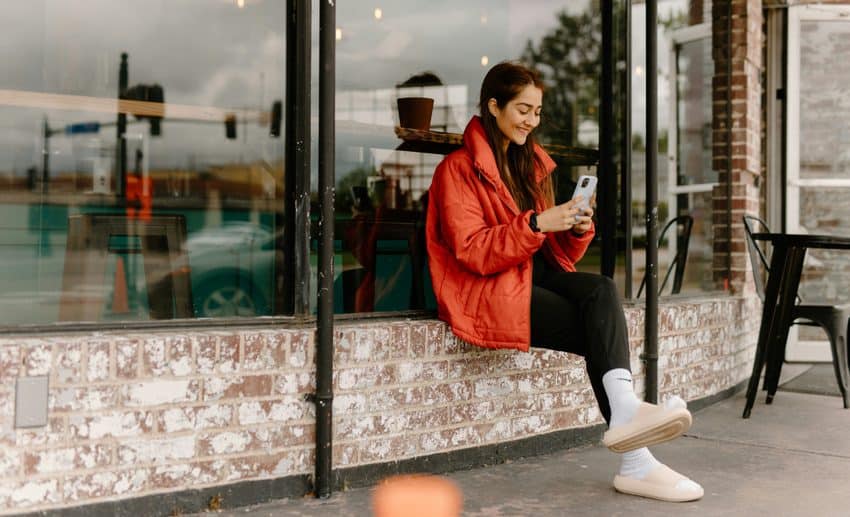
Many women are familiar with routines such as sharing live locations, checking accommodation reviews for safety concerns and sending the obligatory “I’m back at the hotel” text. Individually, these precautions may seem small. Collectively, they can take up considerable mental space on a holiday that’s supposed to offer a break from everyday stress.
Research by Monash University, which surveyed 528 women rail users in Melbourne, found that previous experiences of harassment can influence women’s perceptions of safety and travel behaviour. Some respondents reported changing their routes, avoiding travel after dark, or reducing their use of public transport as a result, highlighting how harassment can restrict women’s freedom of movement.
Imagine accepting a last-minute dinner invitation or extending an evening stroll without automatically assessing the potential risks.
Ultimately, this wishlist isn’t about encouraging women to be braver or less cautious. It’s about making safer travel environments the norm through better infrastructure, reliable public transport, and greater accountability for harassment. Because women shouldn’t have to be exceptionally brave to enjoy extraordinarily ordinary travel experiences.