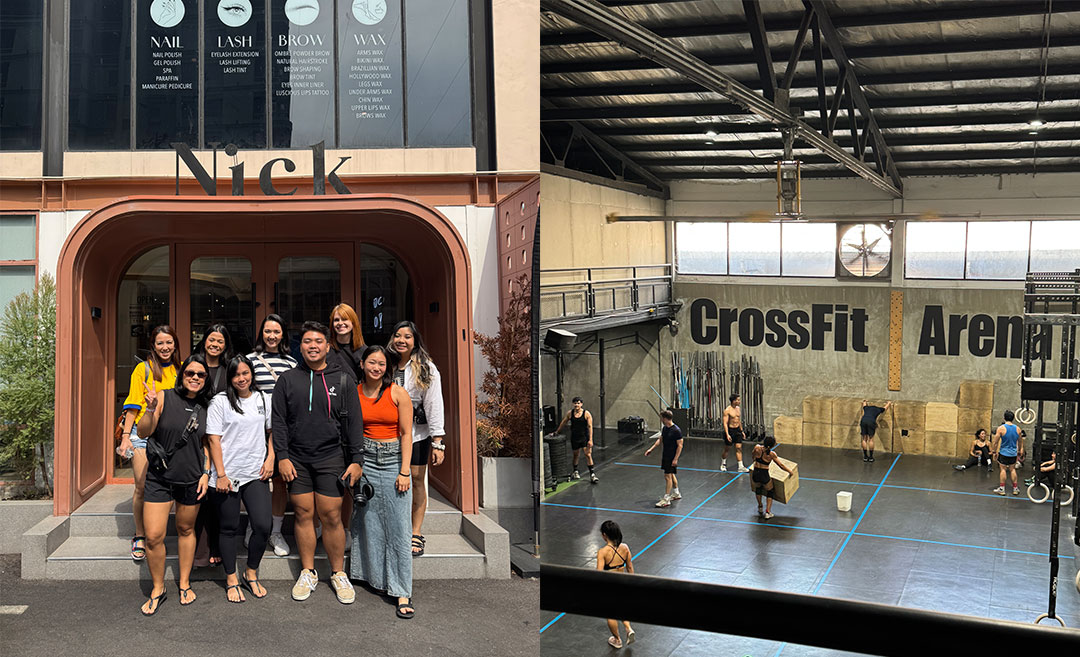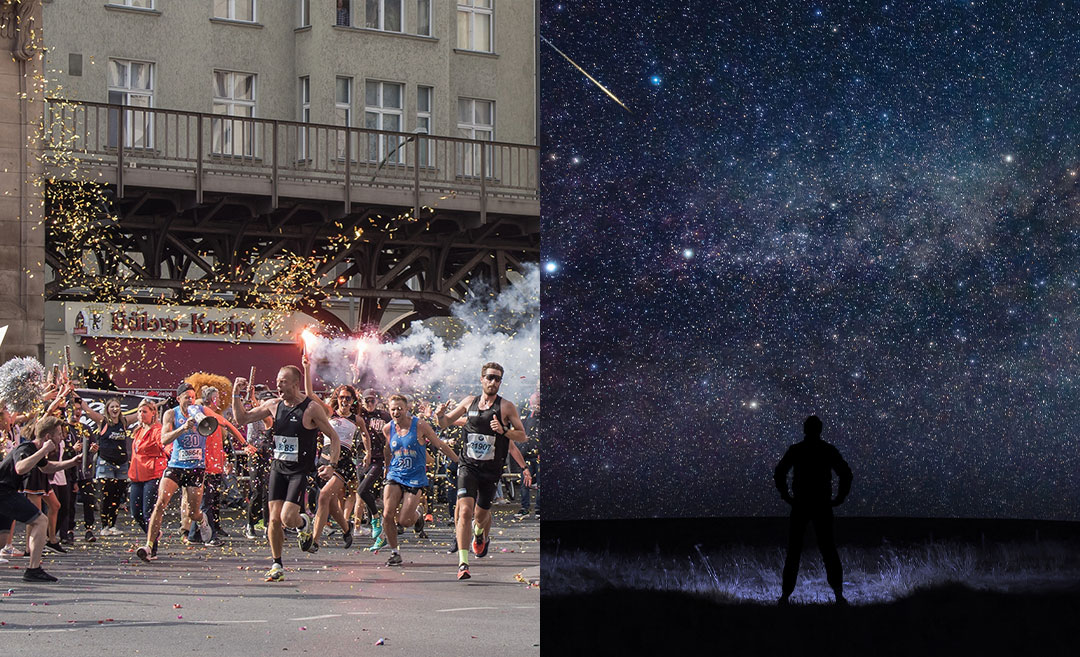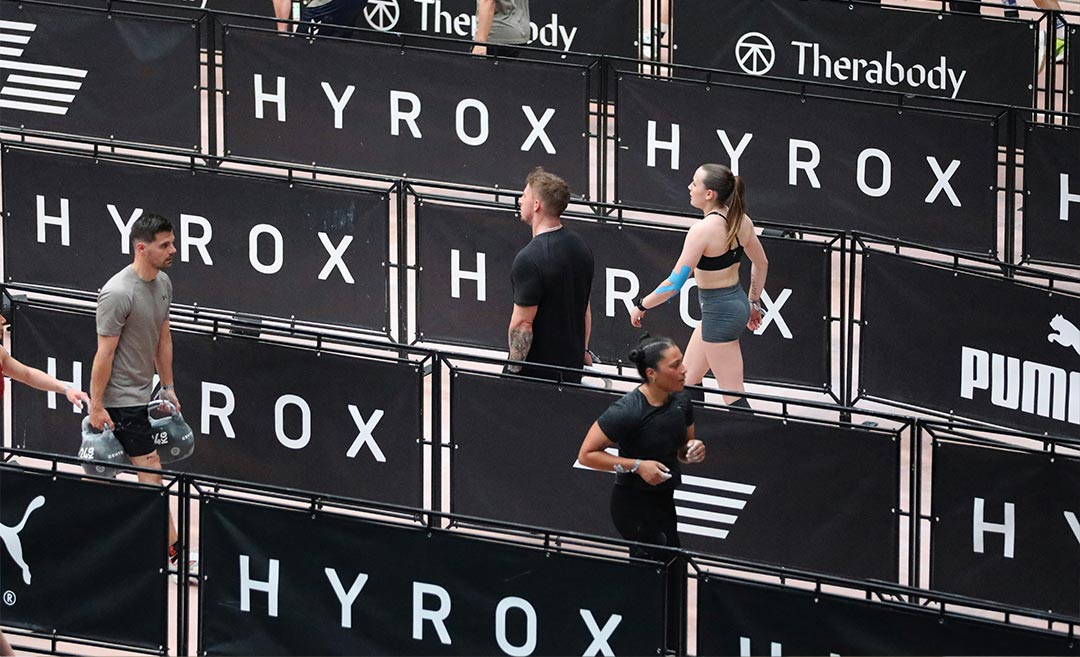
Fitness-led travel can turn workouts into a way to meet locals, explore destinations, and rediscover the fun of movement. (Image by Mathieu Improvisato)
There are people who choose a hotel for the breakfast buffet, rooftop pool, or proximity to the city’s best restaurants. Then there are those of us who open Google Maps or even TikTok, search for the nearest gym, and only then start looking at accommodation. It sounds slightly obsessive until you realise that hobbies have always shaped the way people travel. Divers plan holidays around reefs, surfers follow waves, and runners fly across the world for marathons. If training is already a meaningful part of your life, it makes sense that it might occasionally shape your holiday too.
CrossFit was my introduction to this way of travelling. Wherever I went, I started checking whether there was a CrossFit box nearby and whether it accepted drop-ins. At first, it was simply about keeping up with training. Eventually, I realised the workout could become another way of getting to know a place.
A class might take me into a neighbourhood I would never have visited otherwise. Someone training beside me might recommend where to eat lunch, which market to visit, or where locals actually go for coffee. By the time I leave the gym, I have already spoken to people who live there rather than spending my first morning completely curated by TikTok recommendations.
That’s the thing about hobby-led travel: you do not abandon the food, beaches, or sights that drew you there. You just allow something you already love to shape how you experience them.
And it does not have to involve a barbell. Run clubs, climbing gyms, yoga studios, boxing schools, cycling groups, Pilates communities, and events like HYROX make it easier than ever to find people who share your interests while you are away.
Start with where you want to train

Most holidays begin with accommodation, but fitness-led ones sometimes work better backwards. If you know you want to train, look at the gym or studio first, then see what is nearby. This is useful in cities where crossing town during peak hour can turn a one-hour class into half a day of logistics. Hello, Bangkok, I am looking at you.
Bali, however, makes this particularly easy. Areas such as Canggu, Seminyak, and Uluwatu have thriving fitness scenes alongside beaches, cafes, and recovery studios, so training can fit naturally into the day.
You might start with an early strength class, walk to breakfast afterwards, spend the afternoon at the beach, and book a massage because your hamstrings are reminding you that holidays do not make you immune to deadlifts.
The point is not to turn the trip into a training camp. It is to let the activity you enjoy help shape the rhythm of your day.
Try affiliate hopping
CrossFitters have a particular advantage because drop-ins when travelling are part of the culture. “Affiliate hopping” simply means visiting different CrossFit boxes while travelling, whether that is one class during a holiday or several across a longer trip. Bangkok is a great city to try this, and I can vouch for it. Its wider fitness scene is super strong, but visiting a local box gives you an immediate point of connection in a city that can otherwise feel enormous.
The experience is rarely just about the workout. You get to see how another coach teaches a movement, how a different community trains together, and how the fitness culture differs from one country to another. And, inevitably, you find out where everyone eats afterwards.
Gyms are useful social shortcuts because nobody needs to invent a reason to start talking. You already have a common denominator. Ask someone where they normally go for lunch after class and suddenly you have a recommendation no generic itinerary would have given you.
Just remember that a drop-in is an invitation into someone else’s community, so prepare by contacting the gym beforehand, checking its requirements, arriving early, and respecting how the class is run.
Let the city influence how you move
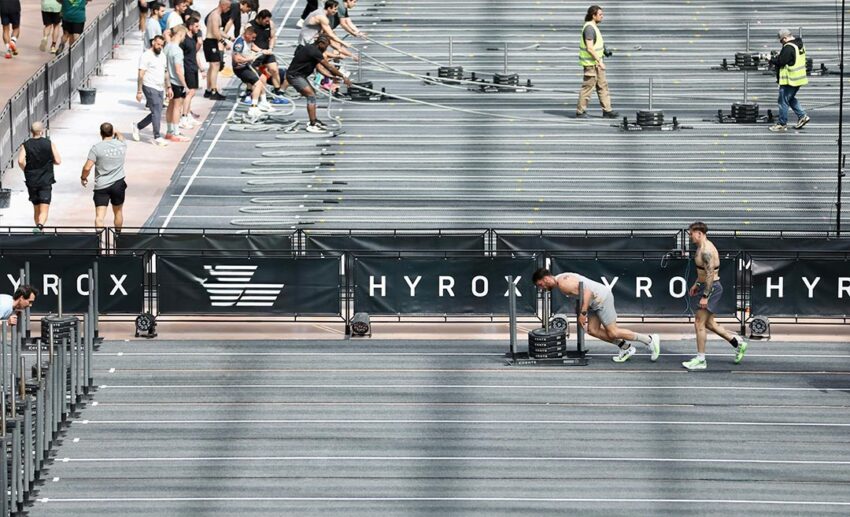
Fitness travel becomes more interesting when you allow the destination to switch up your routine.
Singapore is a perfect example because so much is accessible within a relatively compact city. You could take a functional fitness class in the morning, spend the day exploring, then drop in for a quick recovery session at a sauna, and join a run club the following day without making the trip feel consumed by training.
It is also a good excuse to try something different. If you usually lift, run with a local group. If you normally run, try climbing or boxing. A holiday gives you permission to be a beginner without worrying about disrupting your usual programme. At home, exercise often becomes structured around progress and numbers, but when travelling, it can become playful again.
You are moving through the destination differently, trying something new, and giving yourself permission not to be good at it immediately.
Build the trip around a fitness event
Sometimes fitness does not simply fit into the holiday. It becomes the reason for booking the flight.
Marathon runners have done this for decades, and events such as HYROX have brought the same idea into functional fitness racing.
A race weekend gives a trip its own rhythm: arrive, register, compete, recover, then spend the remaining days exploring and eating with whatever muscles still work.
The same idea applies to yoga retreats, surf camps, Muay Thai programmes, cycling weekends, hiking challenges, or even women’s strength workshops.
The hobby provides the anchor, while the holiday grows around it. It can also give solo travellers an instant sense of purpose and community, without requiring the entire trip to be planned around sightseeing.
Find community beyond the gym
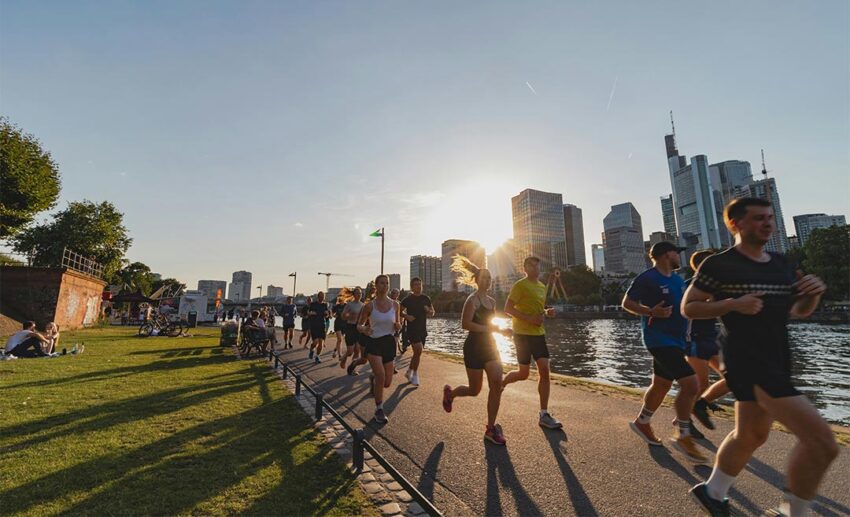
Some of the easiest fitness communities to join while travelling do not require a building at all.
Run clubs have become particularly popular because they sit somewhere between training and social event. Many welcome visitors, unless you’re THAT run club in Bali, meet in central neighbourhoods, and finish somewhere involving coffee or breakfast. Cycling groups, hiking communities, and outdoor sessions can offer the same kind of access to local life.
Tourism tends to keep us around other tourists, but shared hobbies can break that pattern.
By the time you have run five kilometres beside someone, conversation has usually taken care of itself. You hear where people spend Saturday mornings, where they eat after training, and which corners of the city they actually enjoy spending time in. Those details rarely appear in a standard “48 Hours In…” guide, but they are often what make a place memorable.
Remember that you are still on holiday
There is a difference between letting fitness enrich a trip and allowing it to control one. You do not need to reproduce your normal training week in another country. Two good sessions may be enough, and on some days, walking 20,000 steps and eating whatever looks good is plenty.
The most enjoyable version of fitness travel is not about maintaining perfect discipline while everyone else has fun. It works because training is already one of the things you find fun.