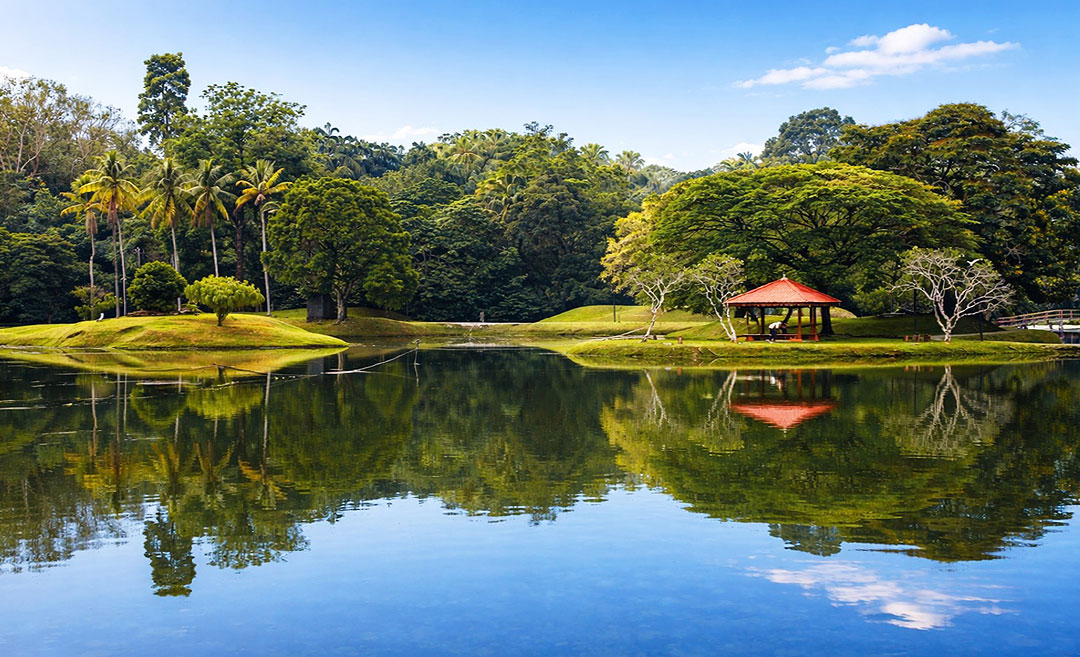
Taiping is one large green precinct with lakes positioned at the bottom of Bukit Larut.
People travel for endless reasons, with most claiming it is to shop, to eat, or to experience unique opportunities. Humans are curious; we are interested in other people, other lands, and experiences that we don’t encounter in our everyday lives. Travel becomes a way to enrich our lives and better understand the wider world.
Even travellers seeking a relaxing holiday want new and meaningful experiences. Others want to tick off a whole list of activities, events, and places of interest when they visit a destination for the first time. I admit to being guilty of that, but over time, I have slowed down to focus on quality over quantity and the detail rather than the whole picture.
Perhaps not surprisingly, this approach is known as slow travel. It is a mindful understanding of travel that prioritises immersive experiences over rapid sightseeing, emphasising quality over quantity. It involves staying longer in one place, engaging with local cultures, and exploring places on foot or by bike. It also lowers stress and fosters authentic connections, often leaving travellers rejuvenated.
Seeking External Peace
A trip north from Kuala Lumpur was planned as a long weekend approached. Penang was my destination, and I considered driving nonstop there since it is only four hours away. Then my ‘slow’ brain kicked in, and I began contemplating the journey as well as the destination.
The North-South Expressway makes travel easier, but skips towns like Taiping. My research suggested a detour for a night to explore the town whose name means “eternal peace”. I appreciated its meaning while strolling around the Lake Gardens at sunset.
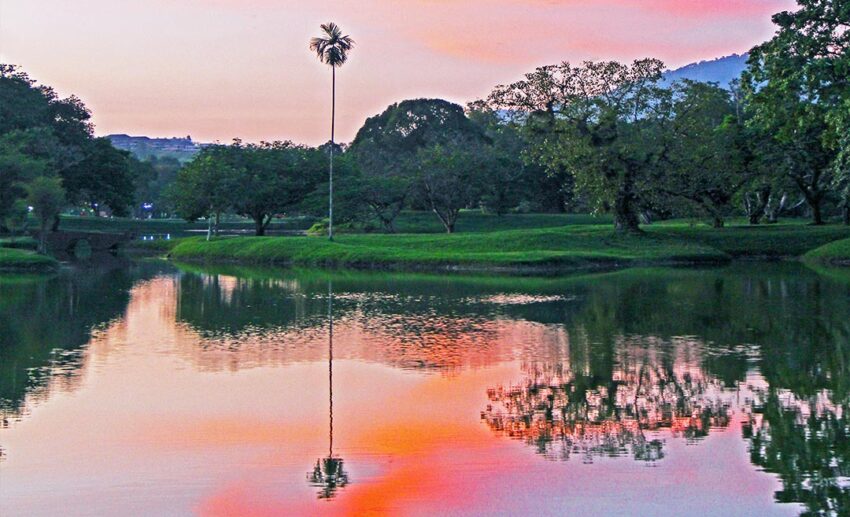
It was not long before I realised just how many ‘firsts’ there are in Taiping. Taiping (originally named Larut) is among Malaya’s earliest towns and boasts numerous pioneering achievements. For example, the first museum, the first recreational park (the Lake Gardens), the first railway (to Port Weld), the first airfield, and the first English school are among a long list of achievements.
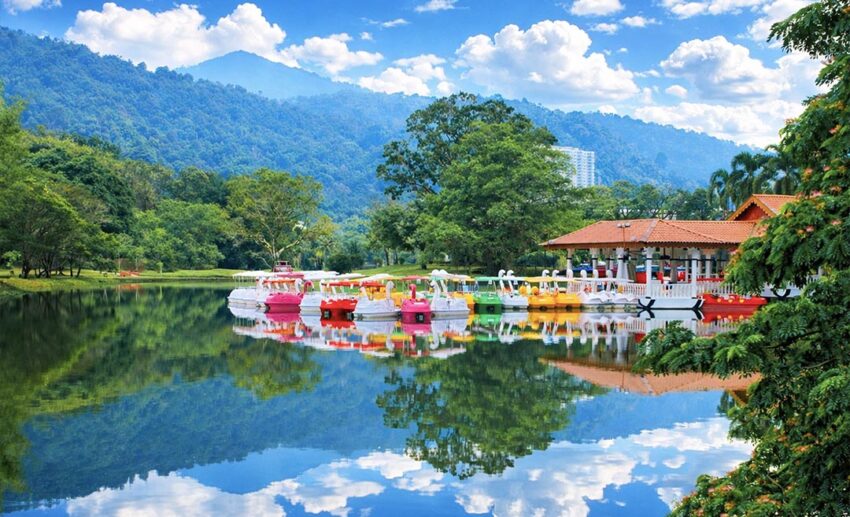
The obvious attraction to explore first is Lake Gardens, which I discovered is a series of ponds created by tin mining. Tin was found in Malaya during the 1840s, and soon after, tin mining surged to its peak in the Kinta Valley. Extensive tailing ponds resulted, but later initiatives transformed them into a recreational space, now known as Lake Gardens.
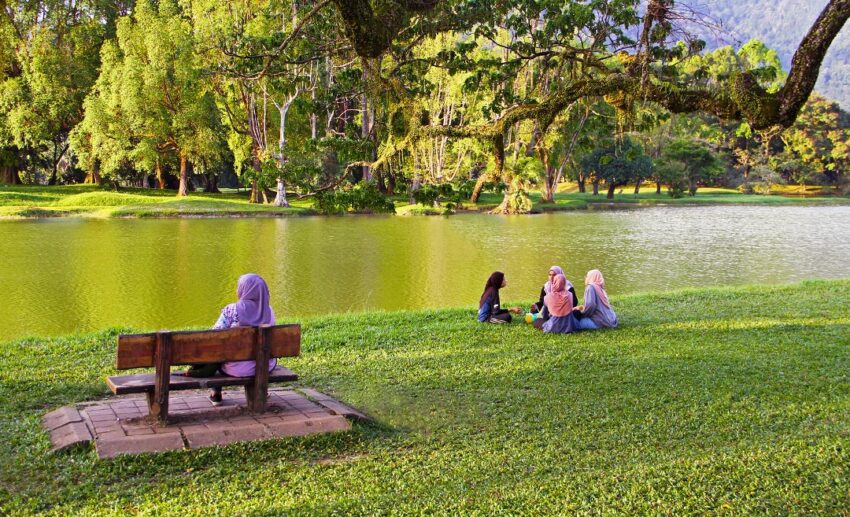
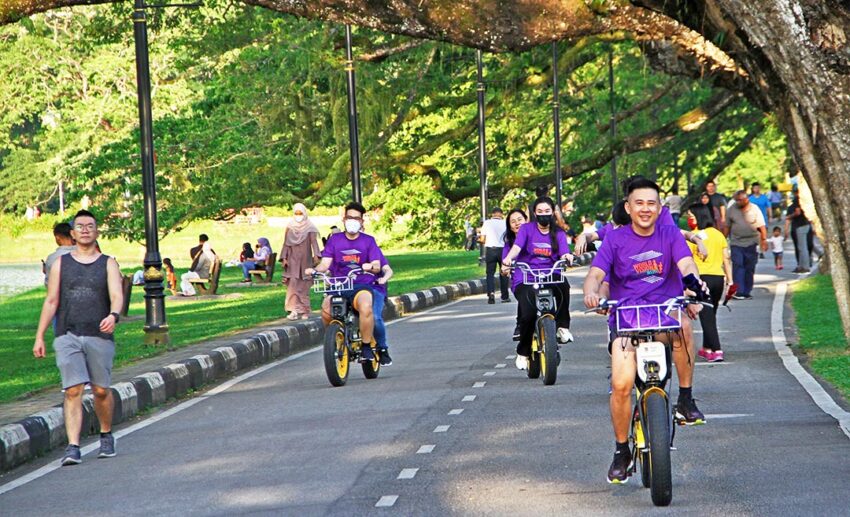
I began my walk with no real plan, intending simply to circle the parklands. However, I became sidetracked as I took in the small details along the route – a spider’s web, herons feeding in the shallows, young red leaves on a plant, etc. In the cool of the morning, others were out walking, jogging, cycling, and, for even one intrepid soul, kayaking on the lake.
Wearing a camera around my neck clearly marked me as a tourist, yet it had its advantages: other walkers welcomed me. Even an older gentleman paused to chat. We discussed Taiping’s history and why it was so wonderful to live in the town. It made me think: when did someone in a big city last stop to talk to me?
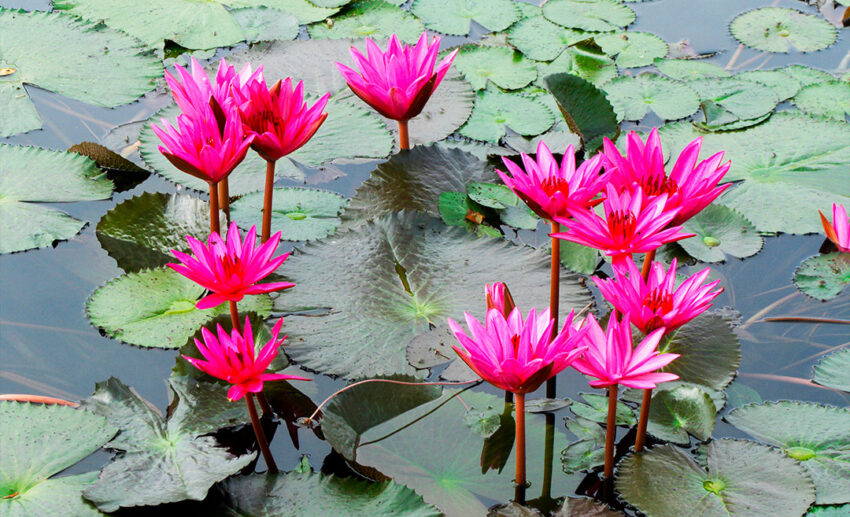
Slow travellers are said to pause and enjoy their surroundings; though I did not stop to smell the water lilies, I did spend time appreciating them and capturing their beauty in photographs. While anyone with a mobile phone can take photos, people who use cameras must focus closely on whatever appears in the lens through which a narrow stream of light enters. While photographing the lilies, I thought about the concept of spending time rather than wasting it. There is something very rewarding in taking a photo you like and then sharing it with others.
It’s in the Detail
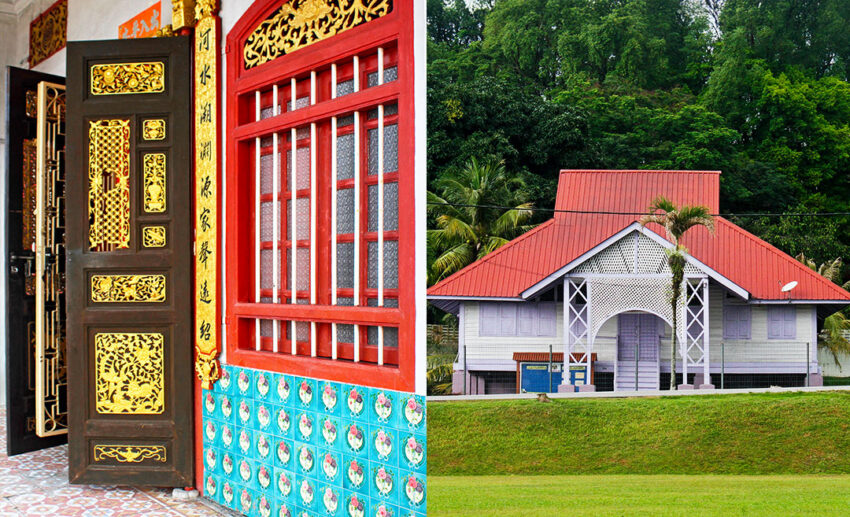
There is history on every street and around every corner in downtown Taiping. Wandering is another of my favourite pastimes in new destinations. My view is that if it is new, it must be interesting. For example, I stopped to admire the entrance to a simple Chinese temple with its bold colours, decorative tiles, and ornately carved doors. There were more questions than answers, and I was fine with that.
My thinking was along the lines of how we seek comfort in the past, when life was simpler, less complicated, and had fewer QR codes to download. Taiping is laden with elements of the past, as I discovered when I stumbled across Mr Lee Hong, who has been carving wooden signs with Chinese characters for decades. We chatted, and he told me that his business would fold as he aged, as there was no one to take over his work. Sadly, I contemplated the disappearance of all this knowledge and history.
Near the padang, I admired a beautiful wooden building from the colonial era. The intricate timber latticework and vibrant mauve palette immediately drew my attention.
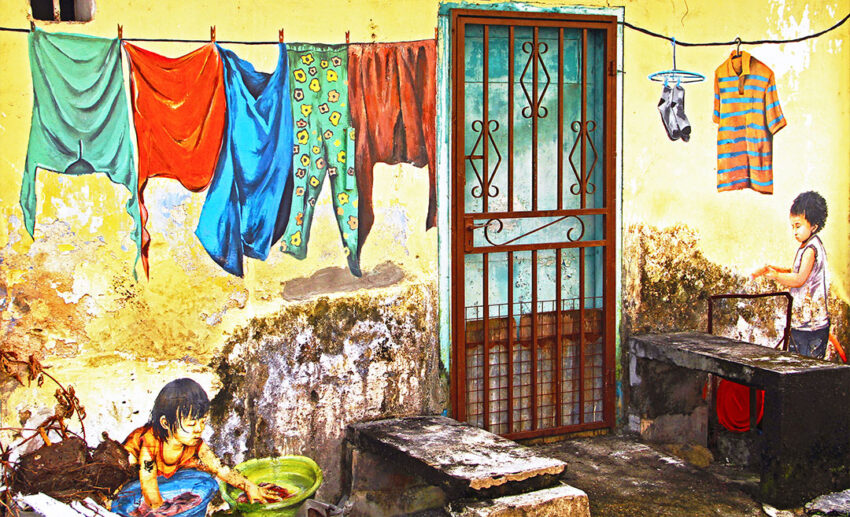
Efforts have been made to enliven the streets of central Taiping, and the artwork is not only eye-catching but also informative, with references to the town’s tin mining history.
Relaxing Rest
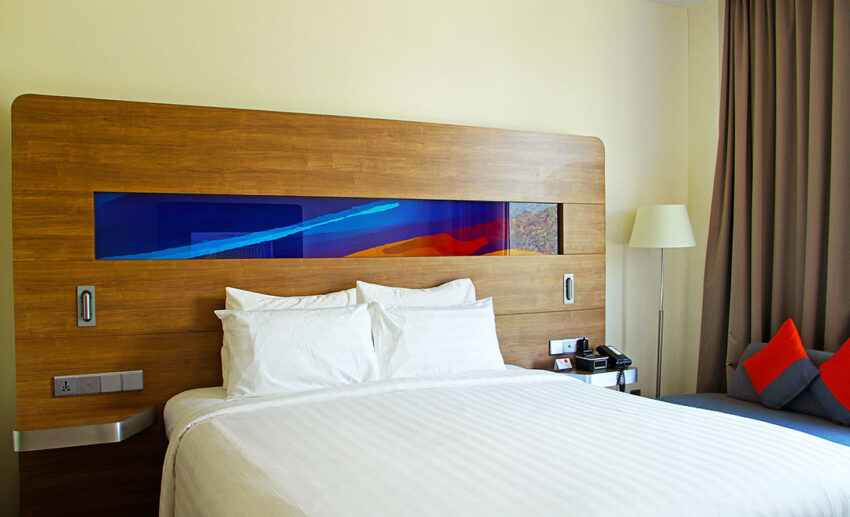
Another pleasant surprise was that Taiping is home to the internationally recognised Novotel Taiping Perak. Located close to the Lake Gardens, attached to a mall and near tempting food outlets, the Novotel provides an excellent home away from home. It is well-managed, the rooms are most welcoming and comfortable, and it is close to the main attractions, including the Lake Gardens. Its room rates and meal prices were another pleasant surprise.
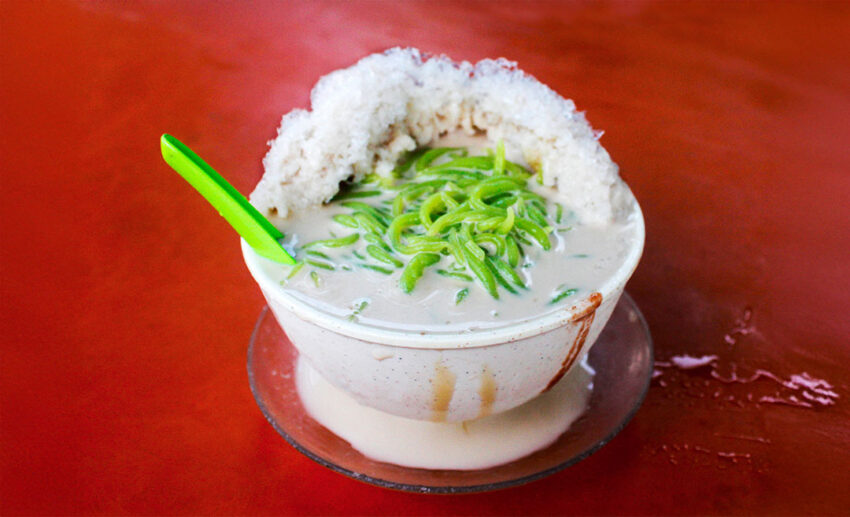
It would be foolish to visit any Malaysian town without offering feedback on the speciality dishes. While I dined in the Novotel, I also enjoyed the ‘famous’ iced cendol at Ansari, one of the town’s noteworthy spots for a refreshing treat.
Taiping is a place where history is not merely something to tick off a list but rather to become fully immersed in.
Zafigo Pro Tips: Your Guide to Eternal Peace
Taiping is a destination that rewards those who linger. It offers a rare kind of stillness that is increasingly rare to come across. Here’s how to immerse yourself in the quiet rhythms of this heritage town:
The meaning of Taiping: The name comes from the Chinese words Tai (great) and Ping (peace). It was chosen after the Larut Wars in the 19th century to signify a new era of “Eternal Peace”.
The “Rain Town” lore: Taiping is the wettest town in Peninsular Malaysia, receiving double the national average rainfall. Because it sits at the foot of Bukit Larut, the mountain traps moisture, keeping the Lake Gardens emerald-green and lush, earning the town its famous nickname.
Getting there from KL: It’s an easy 3-hour drive via the North-South Expressway (E1). For a slower travel experience, take the ETS Train from KL Sentral to Taiping Station – it’s comfortable, scenic, and takes about three hours.
Getting there from Penang: A short 1.5-hour drive south. It’s the perfect day-trip, overnight detour to escape the island’s bustle.
Best areas to stay
City central (best for walkability): Stay near the Lake Gardens or the Old Town. The Novotel Taiping is a top choice for its bird’s-eye views of the hills and proximity to the heritage trail.
Nature lovers: Look for boutique stays or colonial-style bungalows near the base of Bukit Larut if you want to wake up to the sound of the rainforest.
Tips for women travellers
Solo safety: Taiping is exceptionally safe, and the locals are famously friendly. It’s a great place for a solo (read: introvert) trip.
Early bird perks: To enjoy the Lake Gardens without the heat (or the rain), head out at 7am. You’ll see the famous rain trees dipping their branches into the water.
Modest comfort: While casual wear is fine, pack a lightweight raincoat or a sturdy umbrella – it’s called Rain Town for a reason!
For international visitors
Cash is king: While major hotels take cards, the best food (like Ansari Famous Cendol) and local crafts shops like Mr Lee Hong’s sign-carving stall often require cash.
The heritage trail: Follow the physical markers on the pavement in the town centre; they lead you through Malaysia’s “firsts,” including the prison, the museum, and the railway site.
Embrace the budi (grace) of local interaction: Unlike the transactional nature of larger cities, smaller towns like Taiping operate on a foundation of budi – a concept of grace and kindness. If you stop to photograph a heritage building or street mural, don’t be surprised if a local strikes up a conversation, just as Davif Bowden experienced. These aren’t interruptions; they are the heart of the destination.