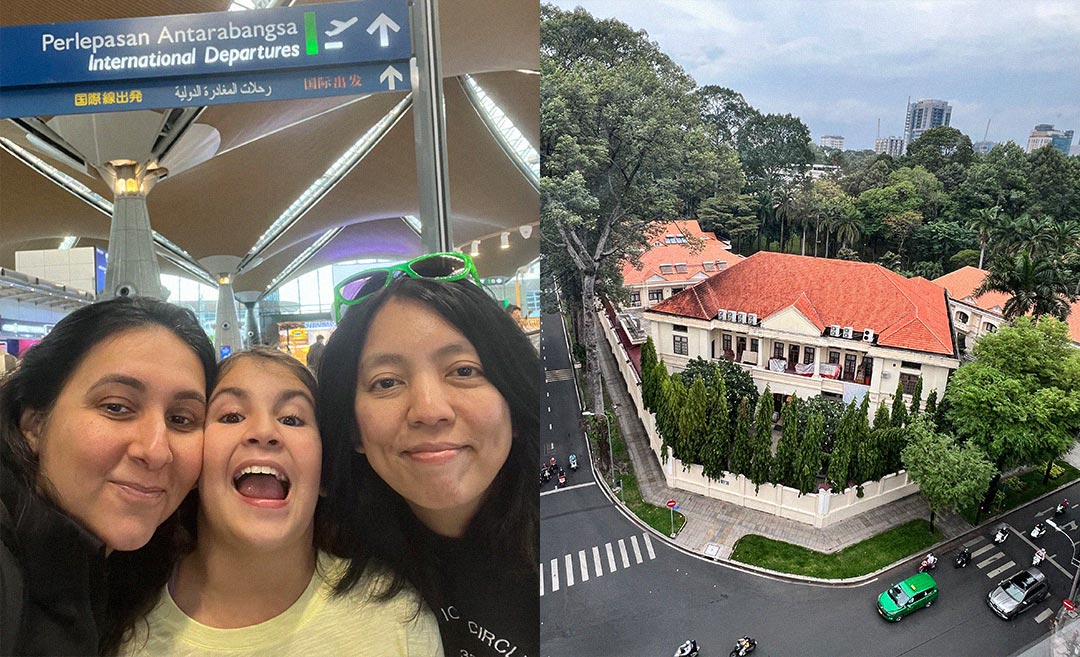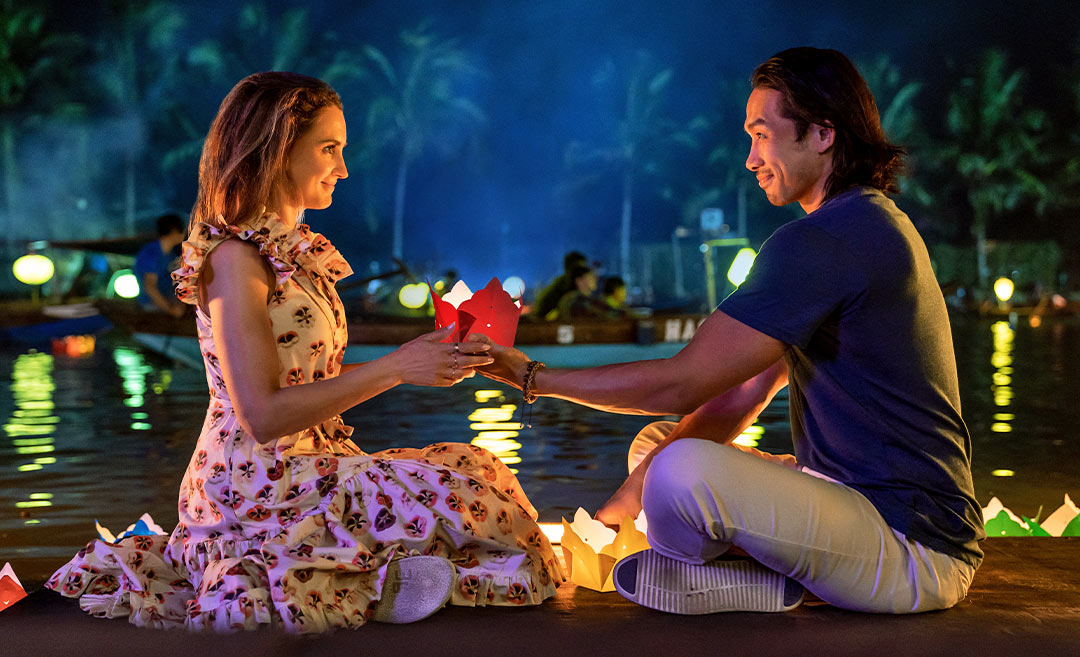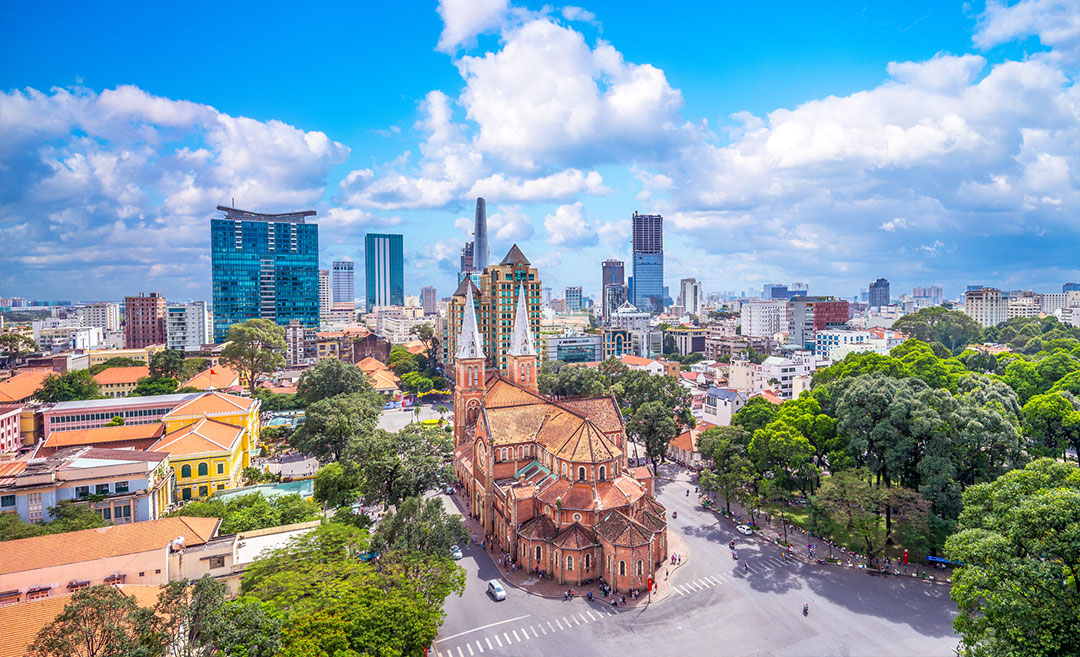
Need a quick escape from KL? Ho Chi Minh City entices you with its vibrant markets, quaint streets, and rich culture—only a short 90-minute flight away. (Image from depositphotos)
With Malaysia’s numerous holidays, it often feels like we are encouraged to take more short breaks. Don’t get me wrong, I’m not complaining; so when an extended weekend approached, I checked out regional airfares to see what was on offer.
Ho Chi Minh City (HCMC, still often called Saigon) stood out for several reasons: it’s just a 90-minute flight away, offers reasonably-priced accommodation, excellent value-for-money food, and a variety of exciting things to do.
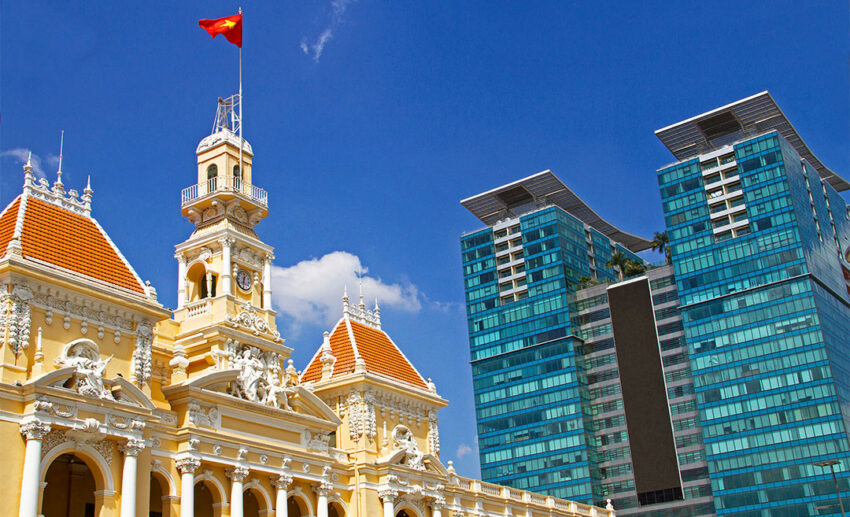
I only had three days, and to make the most of my time, some advance planning was required. My aim was to include a little sightseeing, shopping, eating, and drinking—so location was key. District 1 ticked all the boxes. This time, I stayed at the Hotel des Arts Saigon, though I’ve stayed at a variety of hotels nearby before. My advice? Set your budget and choose accommodation in District 1 that matches it.
Sightseeing in Saigon
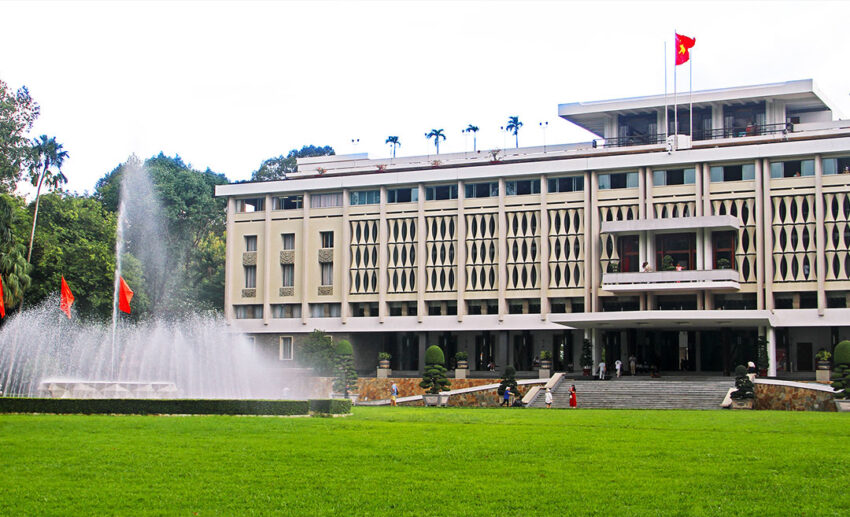
I started with some of the city’s most iconic landmarks. The Independence Palace (also known as the Reunification Palace) offers a fascinating insight into Vietnam’s turbulent history. Its rooms, furnishings, and architecture are well preserved, with informative displays in English.
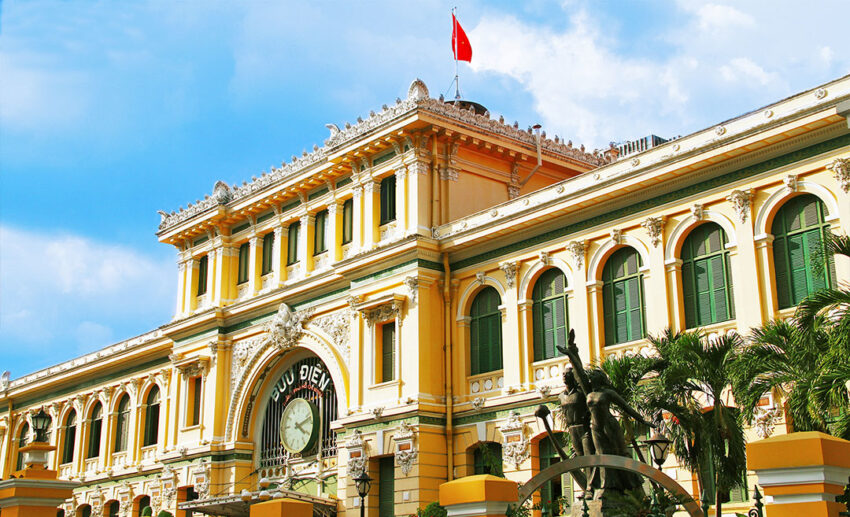
Nearby, the Notre Dame Cathedral and the Central Post Office are fine examples of French colonial architecture. Although the cathedral is undergoing restoration, it remains an impressive sight. The post office still operates, but most visitors are more interested in admiring its beautiful interior and exterior.
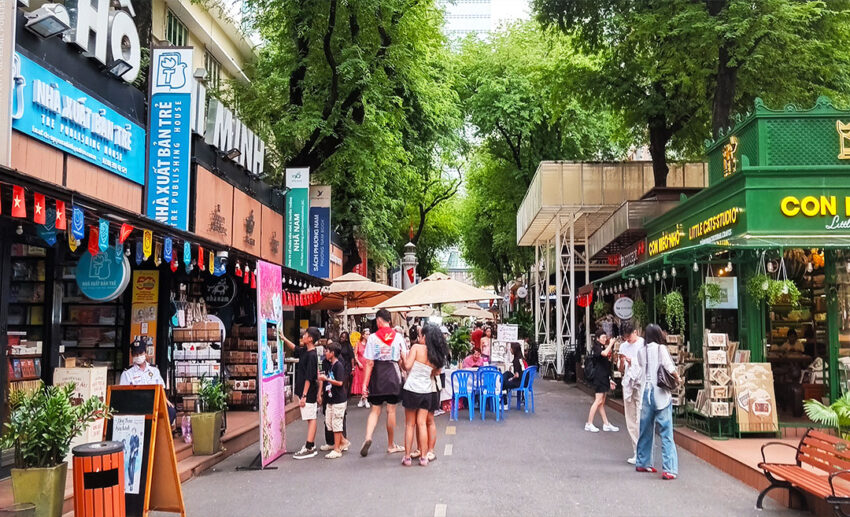
While seeking the perfect angle to photograph both buildings, I stumbled upon Nguyen Van Binh Book Street (also known as Ho Chi Minh City Book Street). This charming, tree-lined laneway is filled with small bookshops. Most titles are in Vietnamese, but there’s a modest selection in English as well. What struck me most was how busy the shops were, and a refreshing reminder that books are very much alive in Vietnam. If you’re interested in Vietnamese history, this is a wonderful place to browse.
For a similar experience, visit the FAHASA bookstore on the ground floor of the Café Apartment on Nguyen Hue Street. This building is an architectural relic of a bygone era and is well worth a visit. The street becomes a pedestrian zone at dusk, and it’s ideal for a snack and a leisurely evening stroll.
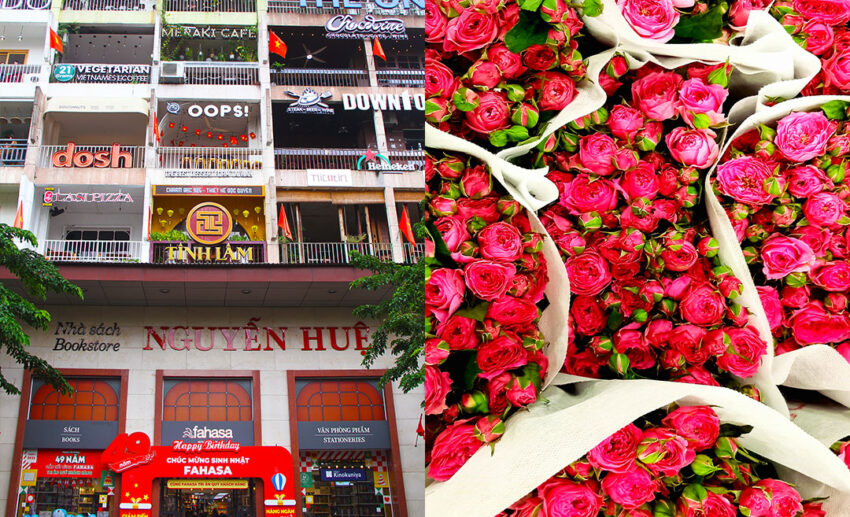
Another street I enjoyed exploring was Ho Thi Ky Flower Market and Food Street. The Vietnamese have a great appreciation for flowers, and the market’s vibrant colours are a visual feast. Be mindful, though, that some stallholders aren’t keen on photos being taken. Watch for signs that say, ‘no photos’.
From street food to fine dining
One of the city’s greatest pleasures is its food. Be sure to try Vietnamese staples like pho (noodle soup), banh mi (filled baguettes), goi cuon (fresh spring rolls), bun thịt nưong (grilled meat with noodles), and banh xeo (Vietnamese pancakes).
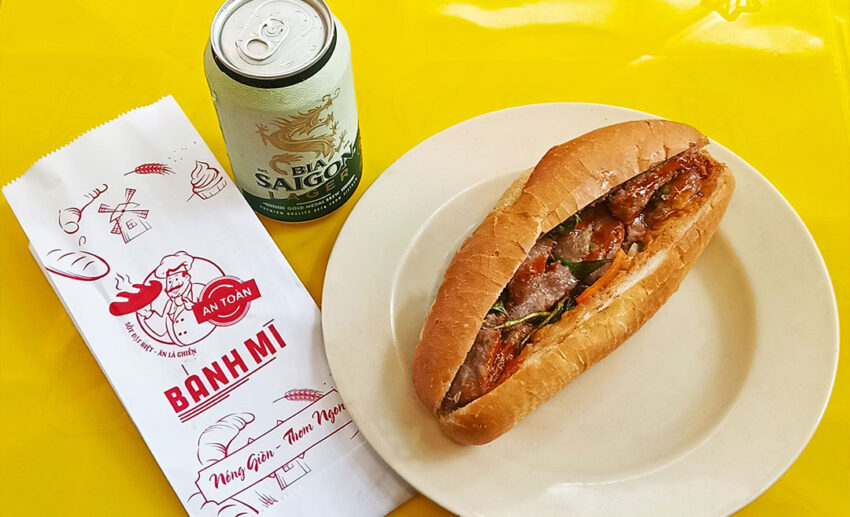
I sampled a few of these at Ben Thanh Market, including a classic banh mi and a cold Saigon beer from a casual streetside vendor. Fresh tropical fruits like mango, dragon fruit, jackfruit, strawberries, rambutan, and durian are available all over the city.
For something more refined, my favourite restaurant in the city is The Albion at the Hotel des Arts Saigon. Its modern Western dishes will appeal to anyone who enjoys creative cuisine paired with quality global wines.
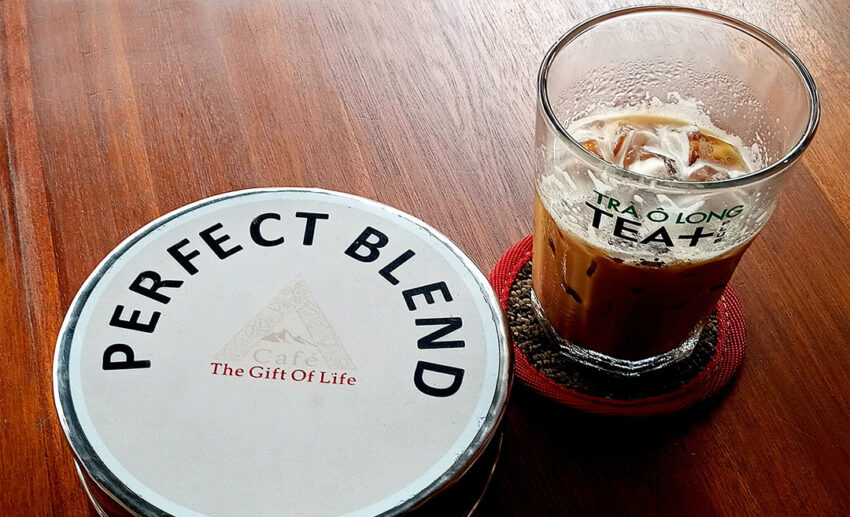
Vietnam is also renowned for its coffee. Cafes are everywhere, with countless themed and concept outlets. I recommend Highlands Coffee as a reliable option. While egg and coconut coffee are all the rage, I’ve yet to try either, so I’ll reserve my judgement.
Markets and shops
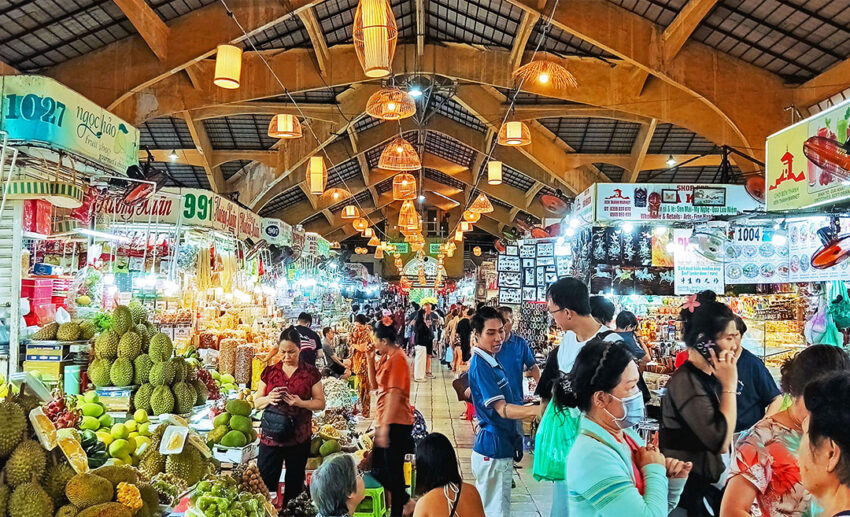
Ben Thanh Market is the most famous tourist market in the city. While locals may shop elsewhere, it’s still worth visiting for souvenirs. Expect to haggle for textiles, lacquerware, crafts, coffee, spices, and fruit. In the evenings, the surrounding streets turn into a night market with numerous food stalls.
If you prefer air-conditioned comfort, head to nearby malls. Diamond Plaza, located near the cathedral, features both local and international brands, along with cafes and restaurants.
Bars and nightlife
As the sun sets, Saigon’s vibrant nightlife comes alive. Districts 1, 2, and 3 offer everything from quiet cocktail lounges to buzzing rooftop bars. District 2’s Thao Dien area is especially popular with expats and young professionals.
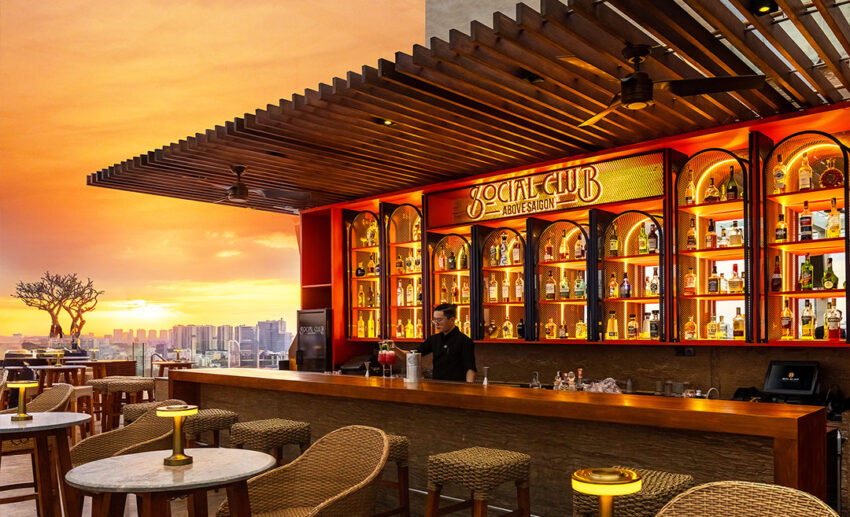
Bar 5 Saigon (in District 1) has live music and a friendly vibe, while The Jackaroo Bar & Grill (near Ben Thanh Market) is a classic sports bar with live broadcasts. My favourite? The Social Club Rooftop Bar at Hôtel des Arts Saigon. Another iconic venue is the Rooftop Garden Bar at Rex Hotel Saigon, which was a favourite haunt of war correspondents in the 1960s and ’70s.
Bui Vien Walking Street may be touristy, but it still offers a good time, packed with street food, music, and energy.
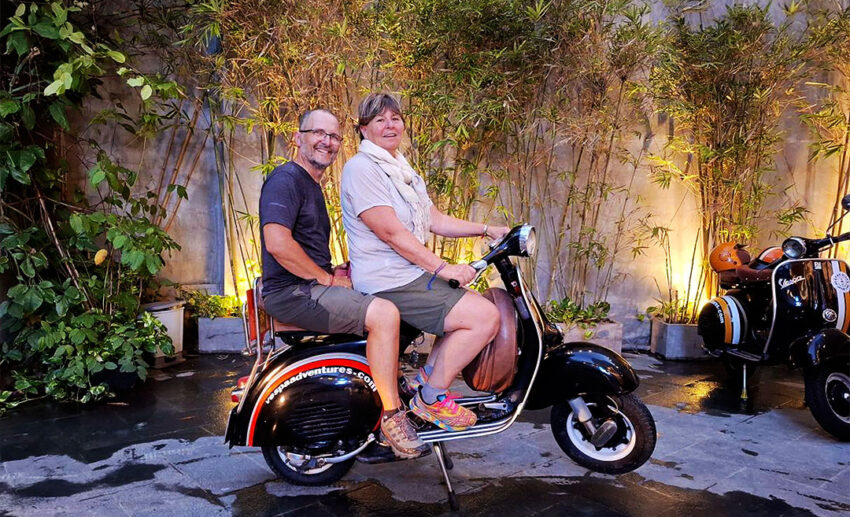
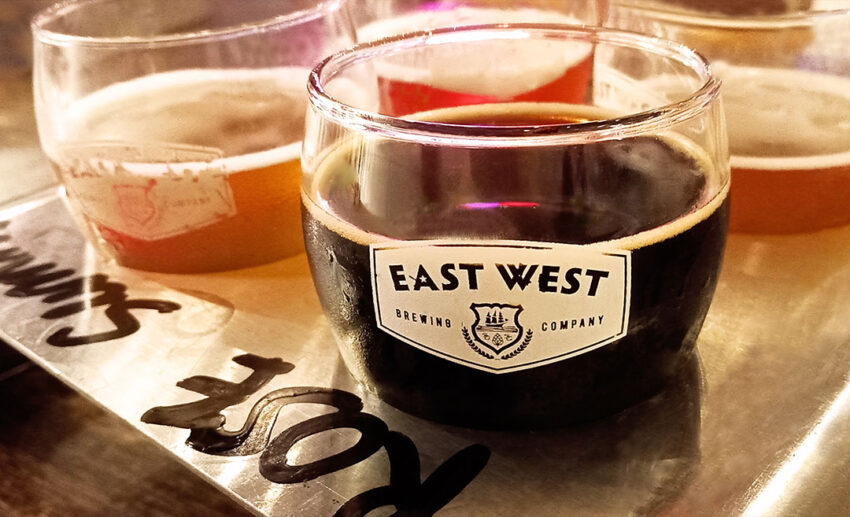
For something a bit different, I joined a Vespa Adventures evening tour. We zipped through the city’s gridlocked traffic before ending the night with craft beers and snacks at East West Brewing Company.
Culinary creativity
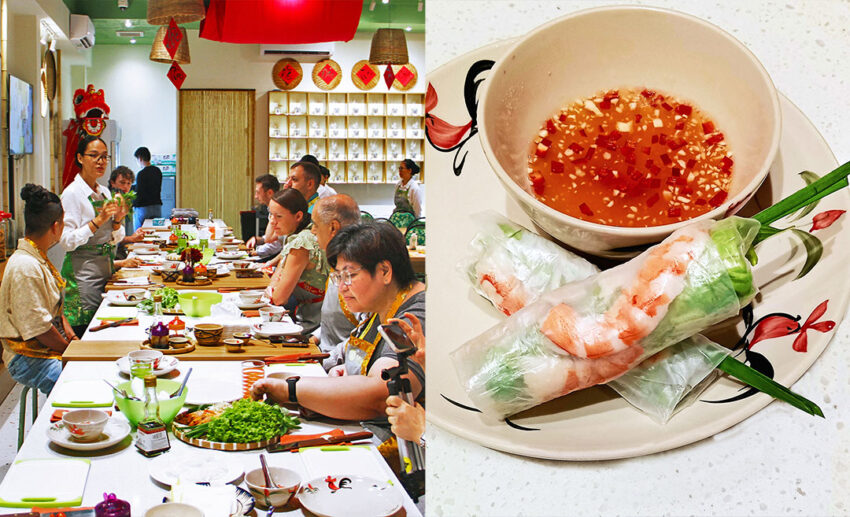
Vietnamese cuisine is a favourite worldwide, so I decided to delve deeper into the techniques behind it. After some research, I chose M.O.M Cooking Studio for several hours of hands-on learning. I was pleased to discover that many Vietnamese dishes aren’t too complex to make, and I now feel confident enough to recreate a few at home.
Travel tips
- Getting there: AirAsia has daily flights to Ho Chi Minh City. With Vietnam only one hour behind Malaysia, you almost arrive before you have left!
- Getting around: The Grab app works well for getting around.
- Visas: Malaysians don’t need a visa to enter Vietnam, but other nationalities might. It’s best to apply early via the official site to avoid high express fees.
- Immigration queues: These can be long, even without needing a visa. Move swiftly from the plane to immigration and allow at least two hours for departure formalities too.
- Money: The local currency is the Vietnamese dong, though card payments are widely accepted.
- Cash: Be careful when paying and don’t mistake VND100,000 notes for VND10,000!
- Traffic: It may look chaotic, but pedestrian crossings and traffic lights do exist. Where they don’t, just walk slowly and steadily, and the traffic will flow around you.
- Stay aware: Petty crime, such as pickpocketing and bag snatching, can occur. Keep your valuables secure and stay alert in crowded areas.
- Where to stay: Location is key for a short stay; choose District 1. For luxury, I recommend the Hotel des Arts Saigon for its rooftop bar (Social Club) and fine dining (The Albion). For something mid-range, the Novotel Saigon Centre is a great option. Budget travellers can try M Village Hotel Nguyen Du.