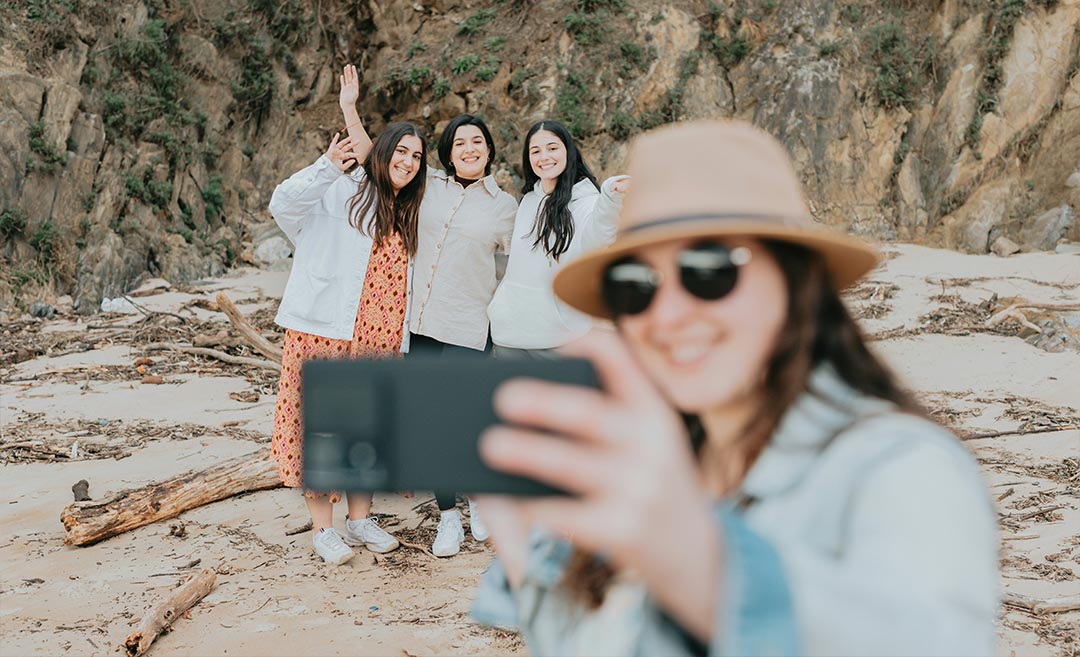
There is a specific kind of magic that happens when we leave our responsibilities behind; jumping into the unknown with your best friends by your side makes every destination feel like home. (Image by A.C.)
Every group of women has that chat. You know, the one that’s equal parts emotional support system, meme archive, life admin, and essentially a digital living room. It’s where someone types, “We really need a trip,” after a breakup, a burnout spiral, or a long stretch of surviving instead of living.
Most of the time, that message floats by — heart-reacted, met with the same enthusiasm, then buried under work complaints and dinner photos. But sometimes, miraculously, it turns into something real. Dates get lockedin, flights get booked, and before you know it, you’re on a plane together. And the group chat becomes an itinerary.
When women finally travel together, it’s rarely just about the destination. It’s about honouring a relationship that has held us through many different versions of ourselves. Group trips for women hit differently. Yes, we market it as “girls trip” and it technically is, but it’s so much more than a fun rendezvous with your best girls. It is a vital part of the women’s travel community—layered with history, care, unspoken labour, and the quiet radical act of choosing each other intentionally, over and over again.
Female friendship is a relationship; we just don’t treat it like one

Romantic relationships are given milestones, ceremonies, and social legitimacy. Friendships, especially between women, are expected to sorta carry on quietly in the background, flexible enough to survive neglect and strong enough to never ask for too much. However, travelling together challenges that idea.
Booking a trip with your friends requires commitment, forethought, and emotional investment. It requires money, time, compromise and emotional energy—the same investments we’re taught to reserve for romantic partners or family. In choosing to travel together, women are saying: this relationship matters enough to plan for.
And that alone is deeply feminist, my gals!
Female friendships are often where we process heartbreak, career setbacks, motherhood identity shifts, and the slow unravelling of who we thought we’d be but never become. A trip becomes a rare container of grace, a pause where the caretakers get cared for, the listeners get heard, and the strong ones get to relax and be vulnerable.
What group travel reveals about who we are (and who we’re becoming)
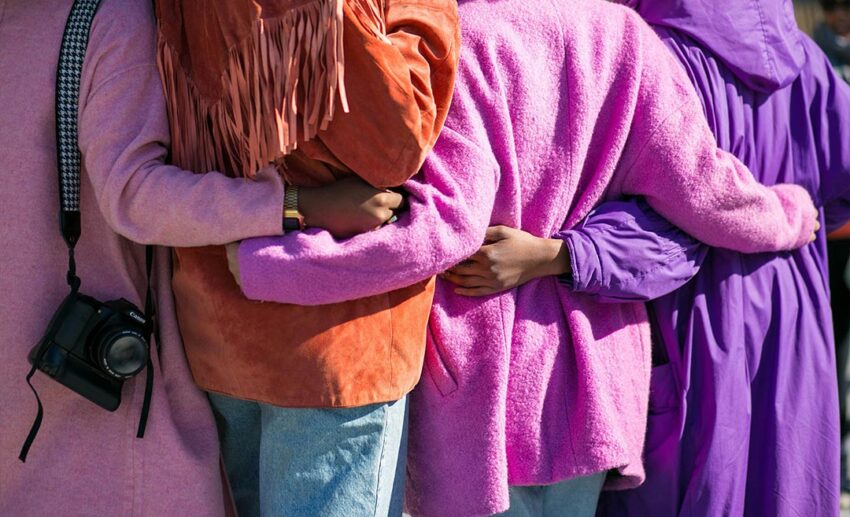
There’s a version of yourself that only appears when you’re travelling with women who know your history. The one who doesn’t need to perform competence or minimise emotions.
Group trips have a way of exposing patterns:
- Who always plans.
- Who avoids conflict.
- Who disappears when overwhelmed.
- Who carries the emotional temperature of the room.
And none of these roles is accidental. Many of us have been practising them since childhood. Travelling together forces a reckoning, not in a dramatic way, but in small moments.
The restaurant decision that no one wants to make the day when energy levels don’t align. Even the tension between wanting alone time and not wanting to seem difficult. What we learn isn’t that friendship is fragile; it’s that honesty and boundaries are necessary for it to thrive.
Why travelling with women feels safer, even when it’s chaotic
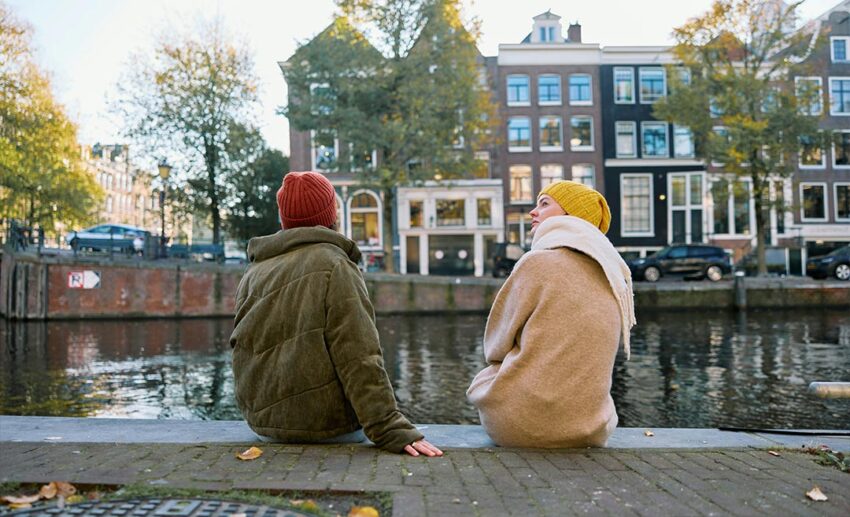
There is a strange but unique safety in travelling with women who understand the world as it is, not as it should be. Safety that doesn’t need explaining, and you don’t have to justify why you’re cautious walking home at night. You don’t have to soften your fear, your anger, or your exhaustion. You don’t have to pretend that the emotional load doesn’t exist, because everyone else is carrying it too. Everyone gets it without you having to carry the emotional baggage of explaining.
Female group trips are often less about adventure and more about relief. Relief from being hyper-vigilant, from translating yourself, from being “the strong one” in every room and from watering yourself down.
Even when the trip is messy, and we’re talking missed trains, mood swings, money stress, there’s a sense of being held by people who know your emotional language.
Money, boundaries, and the feminist power of saying no

Let’s be honest: nothing tests female friendship like money. Who can afford what, who earns more, who feels guilty spending, who feels resentful adjusting. It’s uncomfortable, but it is the truth. These conversations are often avoided until they erupt, but travel doesn’t allow that luxury.
A feminist approach to friendship travel requires transparency. It asks us to unlearn the idea that being “easygoing” is the highest virtue. Saying no to a plan, a budget, or an activity is not selfish; it’s simply an act of respect.
The healthiest trips are rarely the most expensive ones. They’re the ones where expectations are named early, boundaries are respected, and no one is silently keeping score. In many ways, these trips become practice grounds for better communication, not just with friends, but in every relationship that follows.
When the trip mirrors the season you’re in
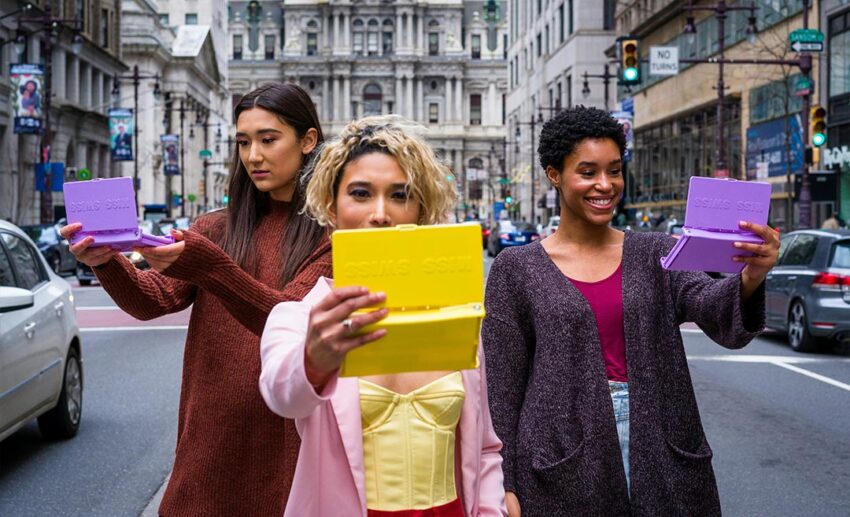
Female friendship travel is often deeply shaped by life stages. In your twenties, it’s loud, spontaneous, slightly inebriated, and almost all a blur. In your thirties and forties, it becomes softer and more intentional. Wake-up times matter, the comfort of accommodation matters, and emotional safety is a priority.
Some trips are about celebration, like birthdays, reunions, and milestones. Others are about survival: post-divorce trips, grief trips, burnout escapes. The destination becomes secondary to the need to be witnessed.
There’s something profoundly healing about being seen by women who remember your past selves, while fully accepting who you are now. Not even romantic relationships have the privy to this luxury.
The quiet power of choosing each other

In a world that prioritises romantic love, productivity and nuclear families, choosing to centre female friendship is a bold choice. Travelling together is a declaration: this bond deserves time, resources and my undivided attention. It breaks free from the idea that women must earn rest or connection through partnership or motherhood, because more often than not, those are the things that women require a break from.
For many of us, our deepest emotional intimacy lives in these friendships—the ones that have survived distance, jealousy, change, and silence.
And the trip doesn’t have to be perfect; more often than not, it rarely is. But somewhere between shared breakfasts and late-night conversations, something important happens: we remember who we are when we are held by community, and what could be more important than that? As the saying goes, you are who you hang out with.
Why these trips linger long after the holiday

Long after the suitcases are unpacked, or rather left on the floor open waiting to be unpacked, something shifts. The friendship feels recalibrated: stronger, closer and more connected than ever. Because travel strips away routine, it reveals the core of a relationship. And when that core holds, it changes how we show up for each other back home. The group chat may quiet down a little, but the connection deepens.
When women travel together, it’s never just a holiday. It’s a reclaiming of time and a refusal to let friendship be an afterthought. An important reminder that love doesn’t only come in romantic forms.
And maybe that’s why these trips hit different. Because in choosing to travel together, we’re collectively choosing ourselves.