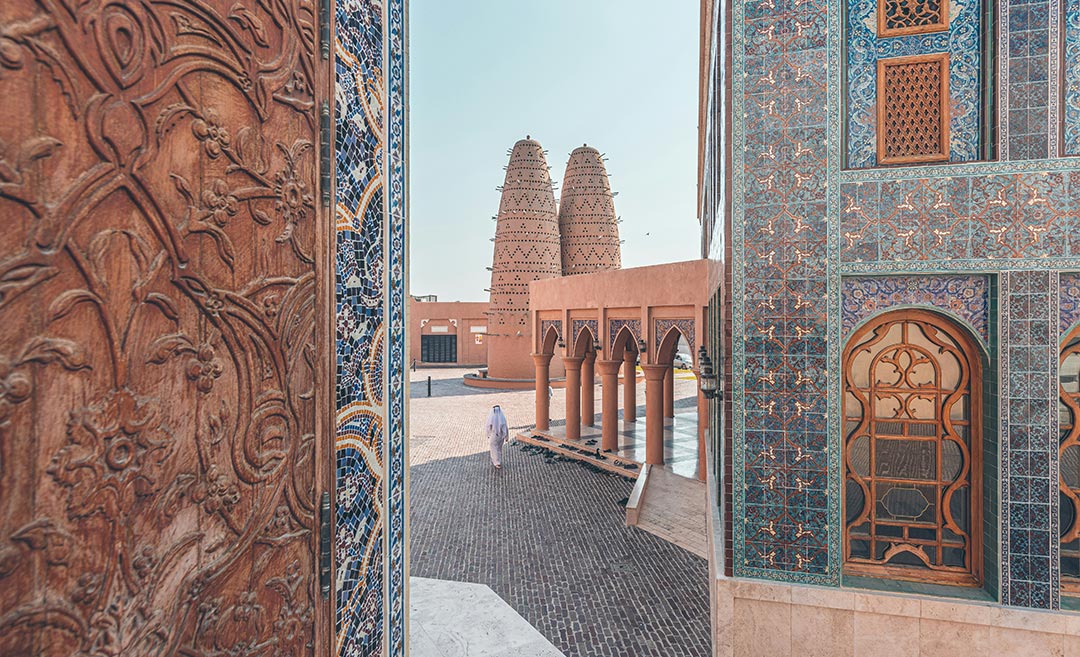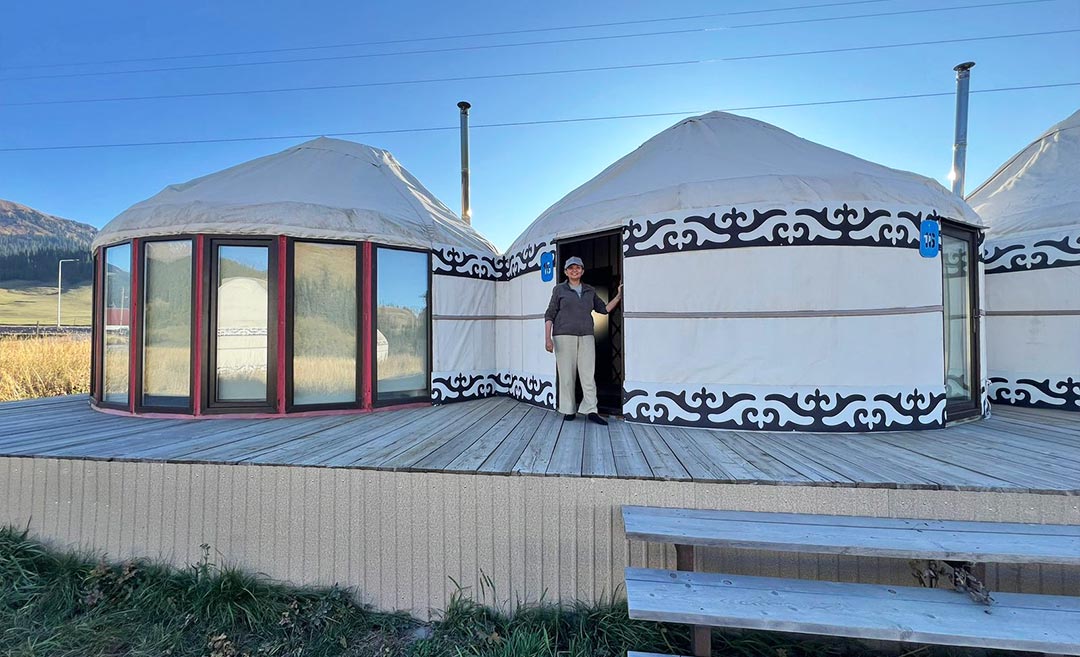
A journey into the heart of Central Asia: My mother experiencing the warmth of Kyrgyz hospitality and nomadic life during her recent visit. (Image by Shamsunahar Said)
For those who are unfamiliar with Eid, the two main celebrations are Eid al-Fitr and Eid al-Adha. Eid al-Fitr marks the end of Ramadan, the holy month of fasting, while Eid al-Adha commemorates the Hajj pilgrimage in Mecca.
As more people seek meaningful and culturally immersive ways to travel, celebrating Eid abroad has become an opportunity for deeper reflection and self-discovery. I recently travelled to Kyrgyzstan and was fascinated by the country’s layered identity, shaped by Islamic, nomadic and Soviet influences, as well as its breathtaking mountain landscapes and wildlife. My trip took me to the capital, Bishkek, and to the Tian Shan mountains, where I saw glaciers, flowing streams and herds of horses roaming the valleys.
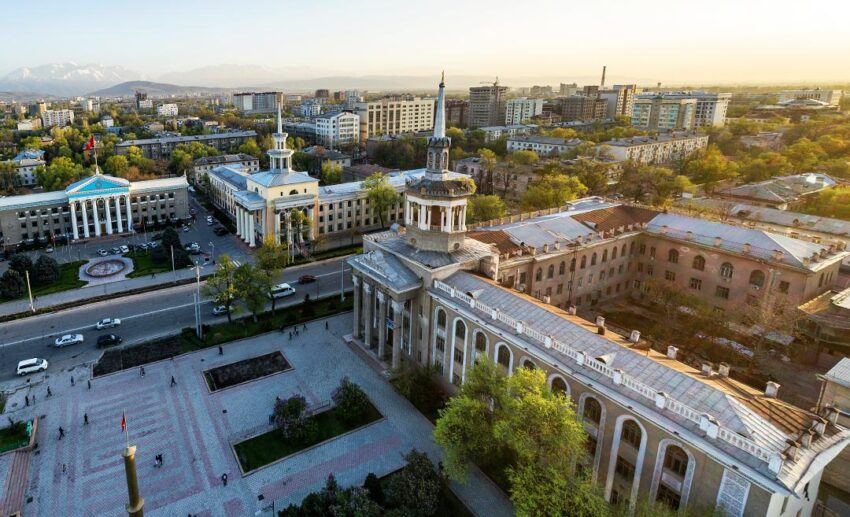
I was lucky enough to travel with locals and people who had visited Kyrgyzstan multiple times. However, while researching my journey, I realised there is still very little accessible information about this Central Asian country, especially for Muslim travellers.
With this in mind, I would like to share what I know with you. I believe Kyrgyzstan would be a wonderful place to travel for Eid. Here are some reasons why you should visit during the festive season.
Celebrate Eid in a Culture Shaped by Nomadic, Islamic and Soviet Heritage
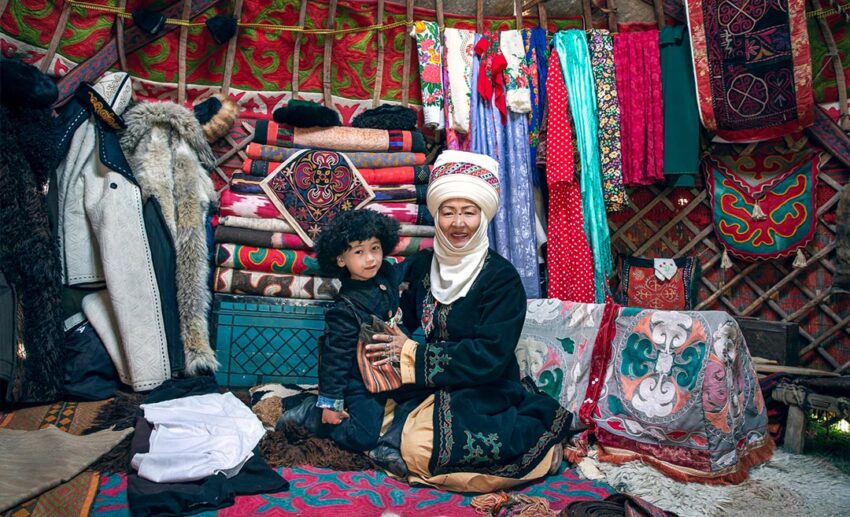
One thing that struck me about Kyrgyz culture is how it blends Central Asian, Islam and its Soviet history into it. You can see this echoed in their language, cuisine, traditions, and traditional wear.
For example, this cultural layering is reflected in the country’s public holidays. International Women’s Day (which is mainly celebrated by former Soviet republics and was first established at the 1910 International Socialist Women’s Conference) and Victory Day (celebrated annually on 9 May to commemorate the Soviet victory over Nazi Germany in WWII) are widely observed alongside Islamic holidays, revealing how history and identity coexist in everyday life.
In Kyrgyzstan, Eid Al-Fitr is locally known as Orozo Ait. On the morning of Orozo Ait, Muslims congregate at mosques for prayers, similar to other Muslim-majority nations. To wish someone a happy Eid, you say “Maarek bolsun”.
Feel the festivity of Eid in Kyrgyzstan as locals celebrate through charity (Zakat al-Fitr), visiting family and hosting gatherings. It is the time when homes are cleaned, new clothes are worn, and festive dishes are cooked. Muslims gather, ask for forgiveness, treat guests, and help the less fortunate.
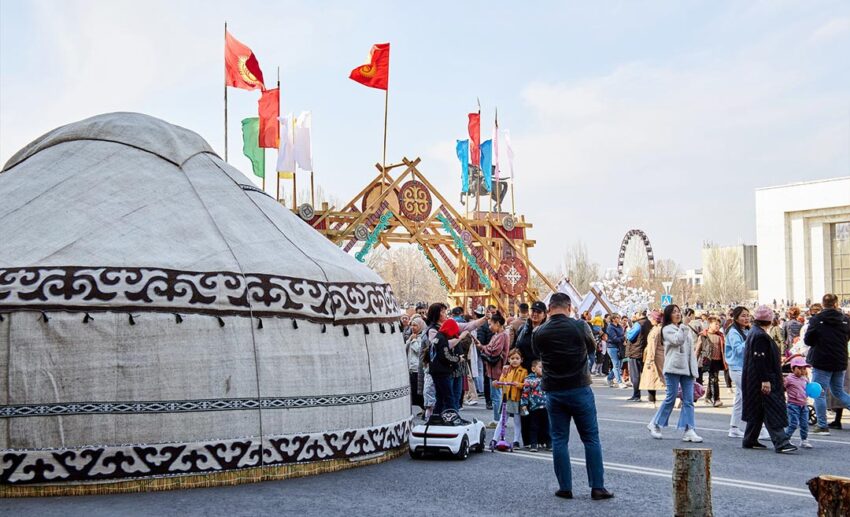
According to Aigul Zhaichybekova, Manager at Ak-Sai Travel, creating joy and connection during Eid is necessary, with families focusing on generosity, gratitude and community.
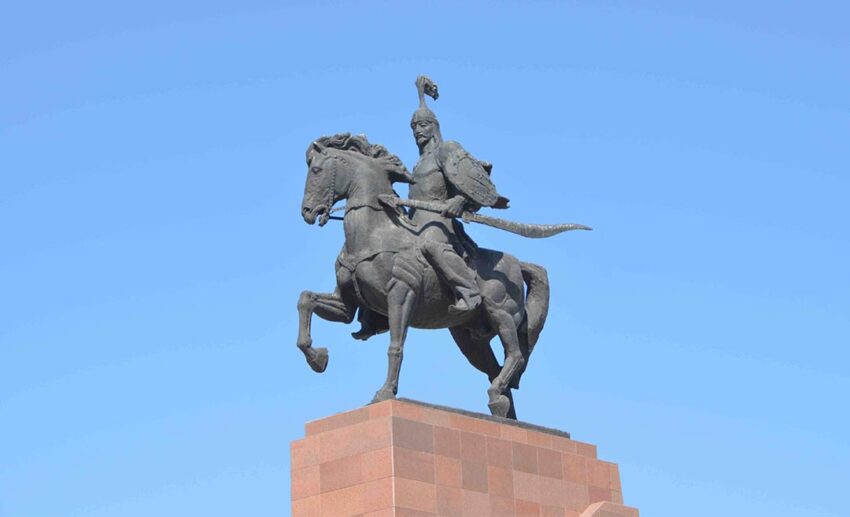
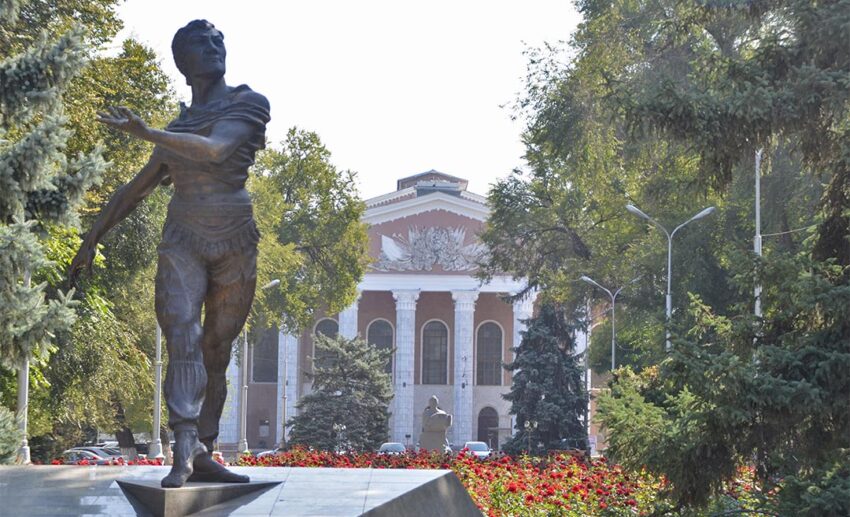
In the past, people would gather at Ala-Too Square in Bishkek for Eid prayers. The square, home to the statue of legendary warrior Manas, who united the Kyrgyz, and located beside the National History Museum, was once the central gathering point. However, according to Aigul, large collective prayers in the square are now restricted for security reasons.
An Eid Celebration Framed by Kyrgyzstan’s Dramatic Landscapes
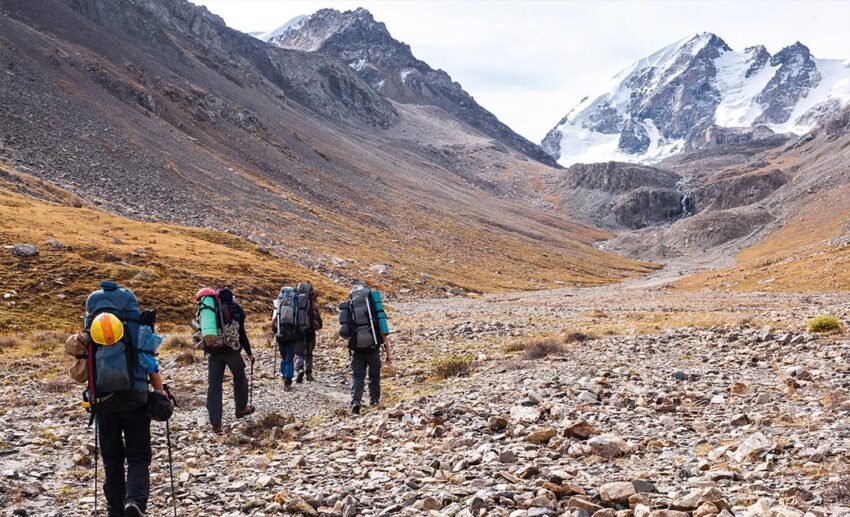
After my visit, it made sense why so many travellers arrived in Bishkek decked out in backpacks and hiking gear. Kyrgyzstan is a haven for outdoor lovers and geologists alike. The landscapes I encountered were glorious and expansive, dramatically shaped by glaciers, river valleys, and rugged rock formations.
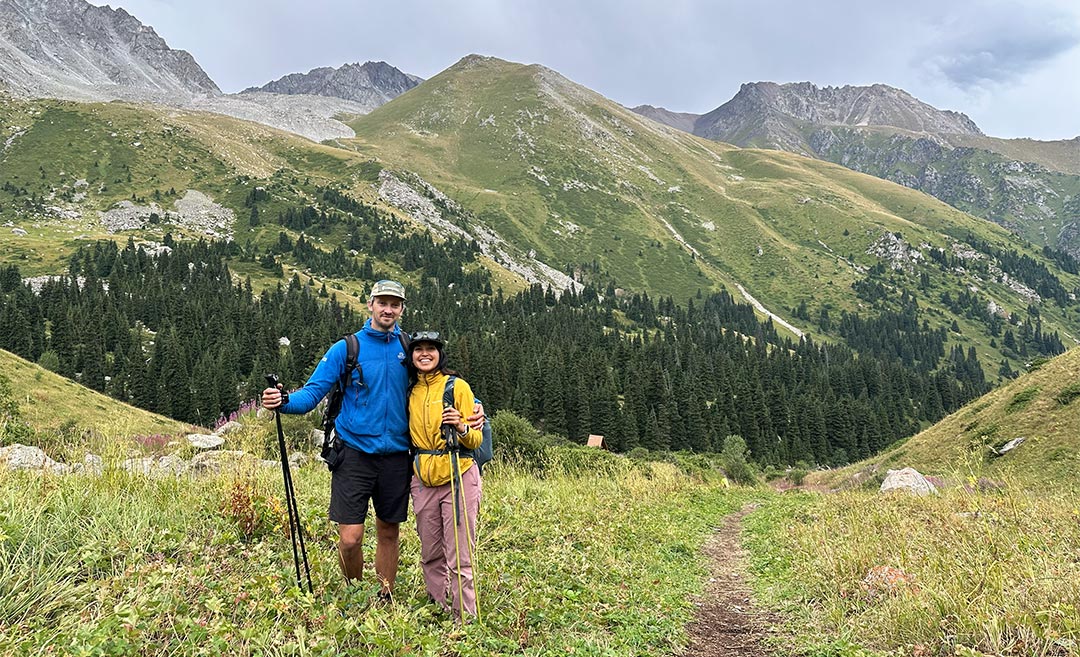
For my trip, I stayed in the Tian Shan mountain range for two weeks. We camped at high altitude, crossed beautiful streams formed by melting glaciers, and walked among herds of horses and sheep.
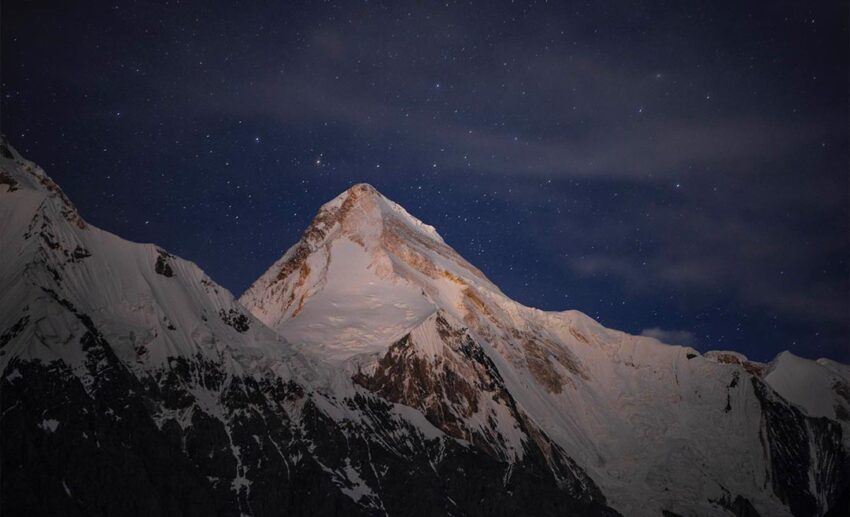
The wildlife in the Tian Shan is unique. I spotted marmots, badgers, and vultures. My dream of seeing the elusive snow leopard was gladly not achieved, as this rare creature deserves to remain hidden and protected from poachers.
There are many natural spaces in Kyrgyzstan, but Tian Shan remains one of the most remote and remarkable. We travelled off-road with 4x4s, where I drove through rivers and navigated mountain terrain.
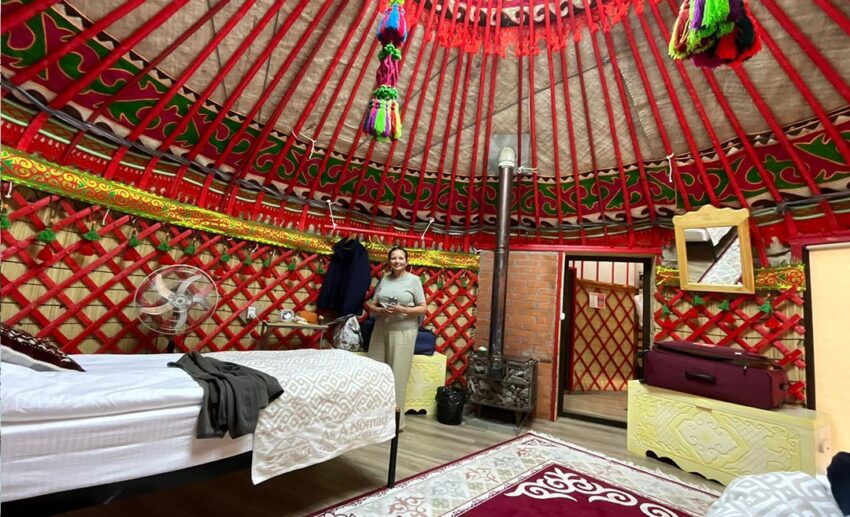
Celebrating Eid in such an environment creates a rare sense of stillness, offering Muslim travellers the chance to reflect in nature while honouring spiritual traditions.
After my trip, my parents also visited Kyrgyzstan. Unlike my more independent trip, they travelled with Ak-Sai Travel and experienced a balanced itinerary of culture and nature. My parents had a blast, and according to them, Aigul is lovely, kind and helpful.
Savour Halal Food Rooted in Nomadic Tradition
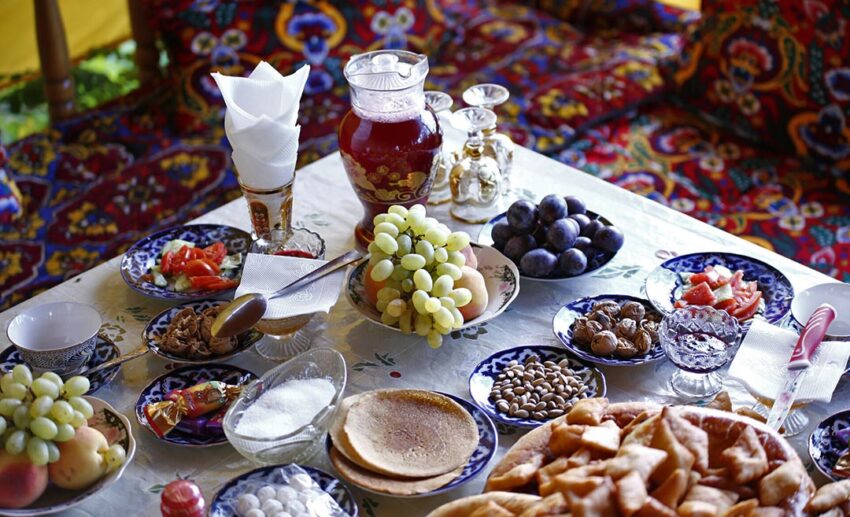
There are many halal food options in Kyrgyzstan. The meals I experienced were hearty and comforting, often centred on lamb, dough, and potatoes. The flavours were subtle, but the meat was expertly cooked and tender. Horse meat is also widely consumed.
From what I’ve come to learn, this deep understanding of meat preparation comes from Kyrgyzstan’s nomadic heritage, where preservation, cooking techniques, and sustainability were essential. Some dishes to try include:
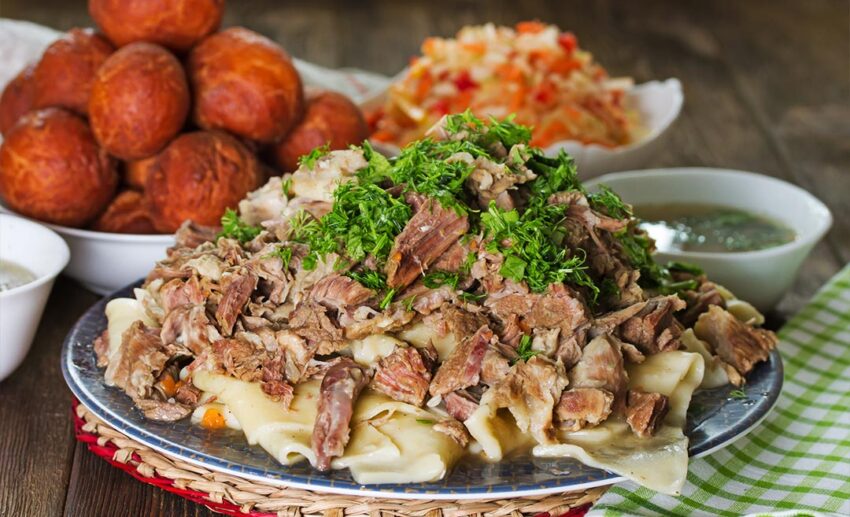
Beshbarmak – Kyrgyzstan’s national dish consists of flat noodles, slow-cooked meat and onion sauce.
Manty – These large steamed dumplings are filled with lamb or beef, sometimes mixed with potato or pumpkin and seasoned with cumin. They are traditionally steamed in a mantyshnitsa, a traditional, multi-layered steamer. My mouth waters thinking of this dish.
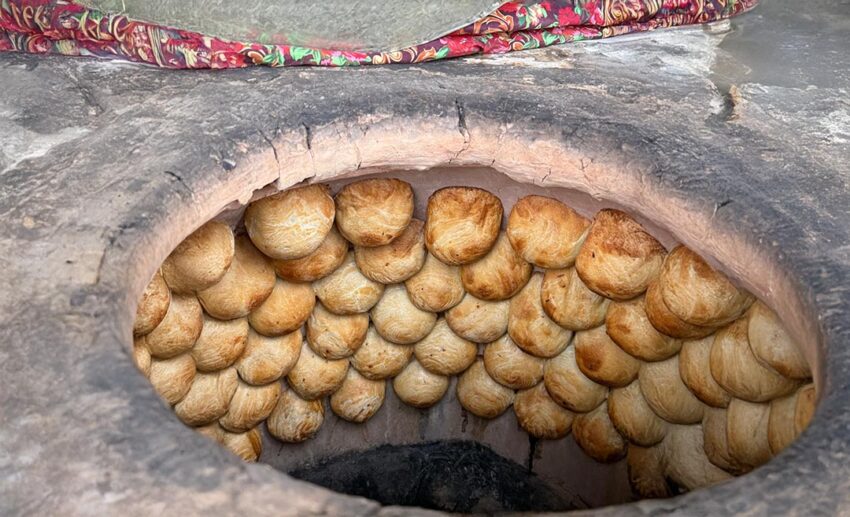
Samsa – A street food staple, samsa are baked pastries filled with meat, onions and spices, cooked in a traditional tandoor oven. I found myself regularly grabbing them when I was on-the-go and needed a quick bite.
One of the most memorable experiences was eating at a shepherd’s home. For the feast, they prepared an Arashan sheep, known for its fat tail. As a ritual, each part of the animal was served according to gender and age, reflecting deeply rooted cultural customs. The shepherd would eye you down before serving you your piece. The fat tail (which to me looked like a buttock) is usually served to the eldest woman in the group, as a sign of respect and honour. So take notice of what piece you get served!
This was a truly memorable trip for me; one that allowed me to experience this untamed, cinematic land in a way that felt deeply connected to culture and faith. If I have in any way managed to inspire you to consider Kyrgyzstan for the upcoming festive season, then I hope you have a beautiful Eid filled with meaning, and a journey that stays with you long after you return home.