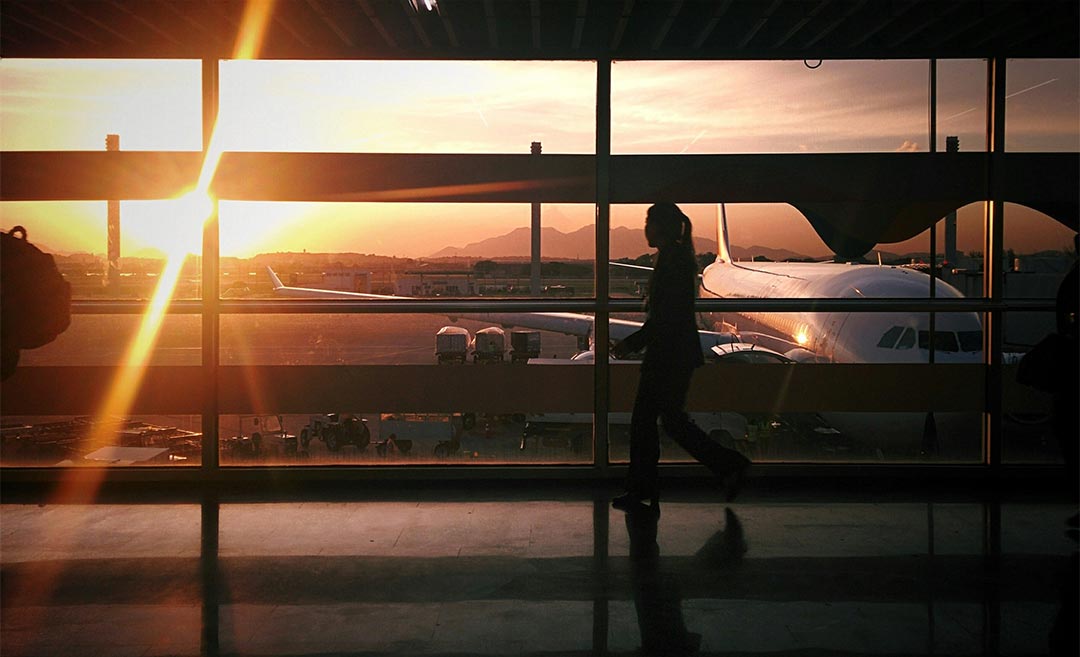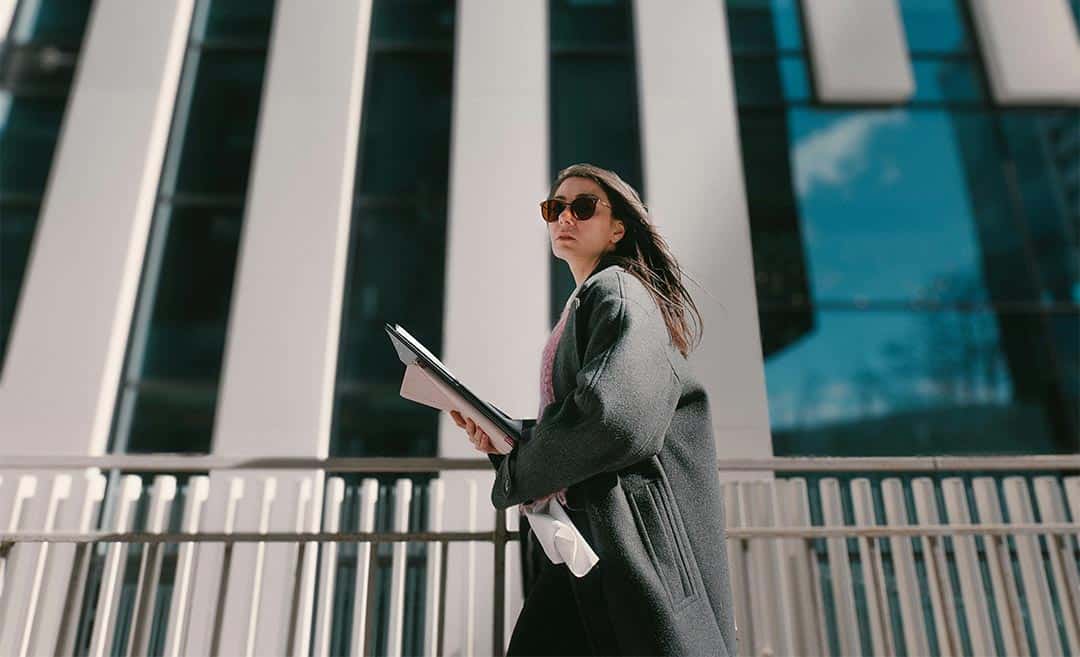
Transitioning from unstructured backpacking trips to scheduled work travel changes how we move through and experience new places. (Image by Victoria Dokukina)
There was a time when I could pack up and leave for somewhere new with little more than two bags and a vague idea of where I was going. These days, much of my travel comes with a schedule, a purpose, and an itinerary arranged before I arrive. Both have their advantages, but the difference has made me think about what we gain, and sometimes miss, when the journey becomes easier to manage.
Two bags and a world of possibilities

When I backpacked, everything I needed fitted into two bags and a little backpack. That was it. Everything I owned for the journey, everything I needed to get from one place to another, my whole world, really, was carried with me. I could be in one country this week and another the next. There was no elaborate planning required to change direction, no complicated itinerary to rearrange. Sometimes, the biggest decisions were simply where to go next and how long to stay.
I could be on a secluded beach somewhere in Thailand and, a few days later, find myself in Singapore’s busy city. A couple of bus rides could transport me into an entirely different world. The landscape changed, the noise changed, the pace changed. Everything that had felt familiar only days earlier was suddenly somewhere else.
There was something exhilarating about that kind of movement. Travel felt open-ended, full of possibilities, one large liminal space, and largely dictated by my own curiosity and how far my money could stretch.
Backpacking was about doing things cheaply enough to keep going. Every saving bought me a little more time somewhere, another few days in a place I liked, another opportunity to see what was beyond the next stop. Comfort was relative, and the occasional inconvenience was simply part of the arrangement.
When business travel sets the pace
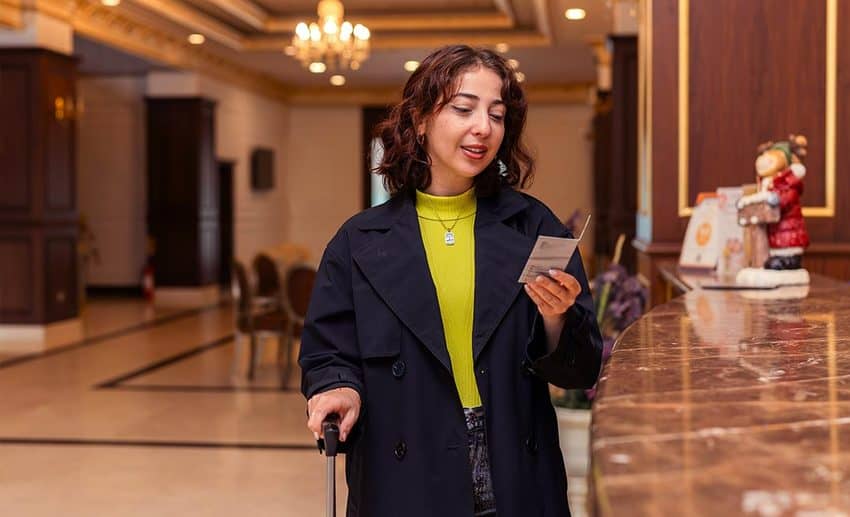
These days, travel looks rather different. Much of my travel now is for work. Flights, accommodation, transfers, and activities are scheduled. There is an itinerary, a reason for being there, and a certain expectation of where I need to be and when. Much of the experience is arranged for me before I even arrive.
There is a real comfort in that. You know where you’re going to sleep, how you’re getting there, and what the next day holds. You don’t have to work everything out as you go along, and there is a sense of security in knowing that the practical details have been taken care of.
You also tend to encounter a different side of the places you visit. Rather than stretching a small budget to make a trip last as long as possible, you may find yourself experiencing the more upmarket or luxurious side of a destination. The accommodation is more comfortable, the experiences more carefully curated, and the logistics less likely to consume your attention.
I appreciate these things. There is something lovely about being able to enjoy an experience without having to figure out every detail of how to make it happen.
When I was backpacking, so much of the travel experience was in making the decisions myself. Where should I go? How do I get there? Is it worth staying another week, or is it time to move on? Even the simplest journey involved a little problem-solving, a little uncertainty, and the possibility that things might not work out exactly as expected.
Business travel brings its own tension. When a work trip is planned around meetings, scheduled activities, and the need to be somewhere at a particular time, the destination can become a backdrop to the job. The challenge is finding space to experience it as a place in its own right, rather than simply somewhere we have been sent.
The luxury of time

When you’re backpacking on a stricter budget, money and time are closely connected. The less you spend, the longer you can stay. A cheap bus journey might mean an extra week somewhere. Choosing a modest room over a more expensive one could give you the freedom to keep travelling rather than head home.
Time was the luxury.
That feels different from the kind of luxury associated with travel now, where comfort, convenience, and access to carefully selected experiences can be part of the appeal. There is value in not having to worry about the practicalities. When travel is tied to work, particularly, the ability to arrive somewhere and know that the arrangements are in place can make a difference to how much you are able to take in.
Yet I find myself thinking about those bus journeys between countries. Not because they were necessarily comfortable or because every part of the experience was wonderful, but because they were part of the adventure. Getting from one place to another wasn’t simply a logistical exercise. It was an experience in itself.
You were close enough to the journey to feel the transition: the gradual change in scenery, the unfamiliar surroundings, the moment when you realised you were somewhere completely different from where you’d started.
Today, I can arrive at a destination with almost everything organised and very little uncertainty. I might experience more in a shorter period, but I don’t necessarily experience the same process of getting there.
I’m not sure one is better than the other. They simply offer different things.
On a work trip, time is often measured by the hours between appointments, the window before a transfer, or the evening left after a full day of work. That makes the small choices matter: taking a walk instead of returning straight to the hotel, trying a neighbourhood restaurant rather than eating wherever is most convenient, or leaving a little space in the itinerary to see what catches your attention.
Making room for the unexpected
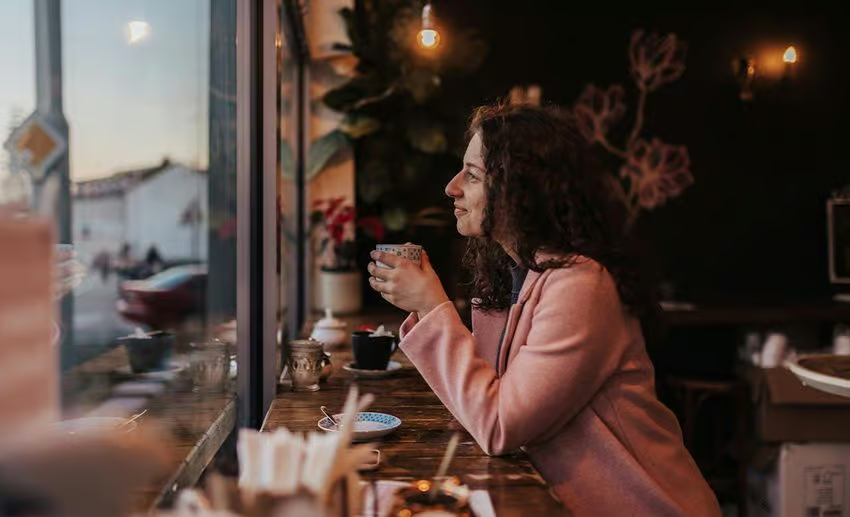
It’s tempting to romanticise backpacking when looking back on it. Memory has a way of keeping the freedom and softening the inconvenience. Travelling cheaply wasn’t always easy, and not knowing what came next could be tiring. Having to make every decision yourself is not always as liberating as it sounds. Sometimes it comes with a heavy mental load.
There is also something to be said for arriving somewhere with the important details taken care of. Security and comfort allow you to direct your attention elsewhere. And curated experiences can offer access to people, places, and perspectives you might not have found on your own.
Maybe that is one of the quieter changes that comes with getting older. We become more appreciative of the things that make life easier. We have different responsibilities and different demands on our time. The prospect of uncertainty can feel less like an invitation and more like another thing to manage.
What stays with me isn’t just the freedom to move. It’s the feeling that the world was accessible in a very immediate way. I didn’t need much to get somewhere new, and I didn’t need to know exactly what I would find when I arrived.
These days, I value the certainty that comes with having things arranged. I appreciate the comfort, the time saved, and the opportunity to experience places in ways I might not have been able to afford when I was younger.
But I still want to be surprised. I still want to look beyond the itinerary, to notice something I wasn’t expecting or to experience a place beyond the version that has been prepared for me.
I may no longer need to fit everything I own into two bags or work out how to get across a border on the cheapest bus available. But I can still leave room for curiosity. I can still resist the urge to account for every hour. And I can still remember that a destination is more than the experiences arranged for us there.
Getting older hasn’t made me want to travel less. It has changed the balance between what I want taken care of and what I want to discover for myself.