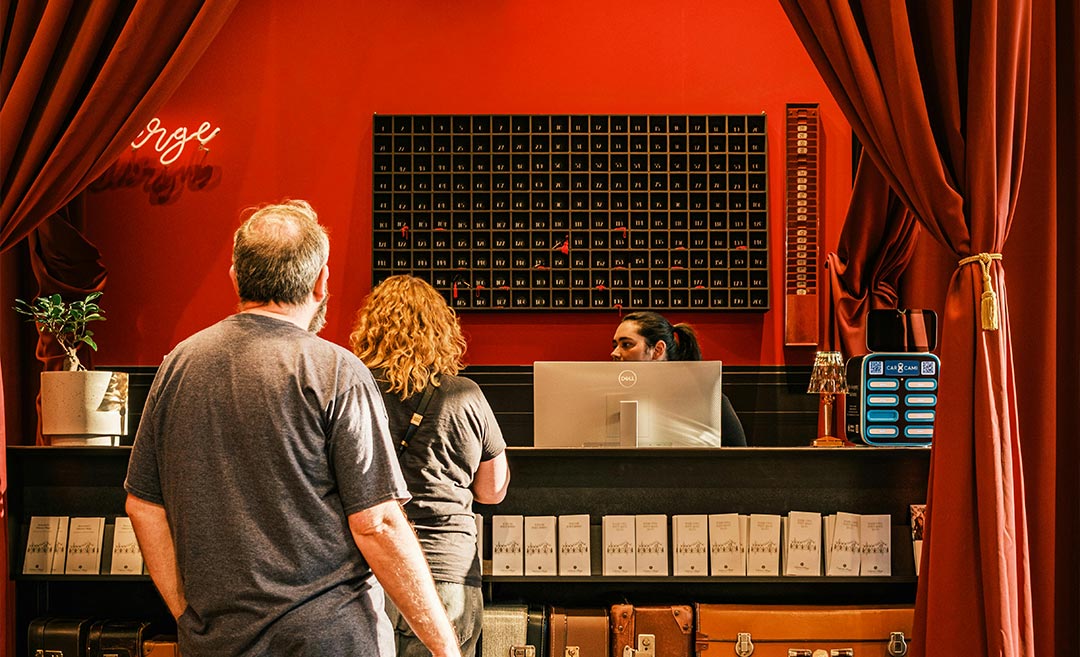
As check-in times across the globe shift later, many travellers are rethinking their arrival day strategy to avoid hours of limbo. (Image by Paolo Bici)
If hotel rooms feel harder to access than they used to, you are not imagining it. Across the travel industry, travellers worldwide are noticing a shift: check-in times that once started at 2pm are moving to 3pm, 4pm, or even later. At the same time, check-out times have quietly crept earlier, from noon to 11am, sometimes even 10am.
For anyone arriving on an early flight, travelling with children, working remotely, or trying to maximise a short trip, these shrinking hotel windows can completely change the mood of a journey.
Why hotels are pushing check-in later
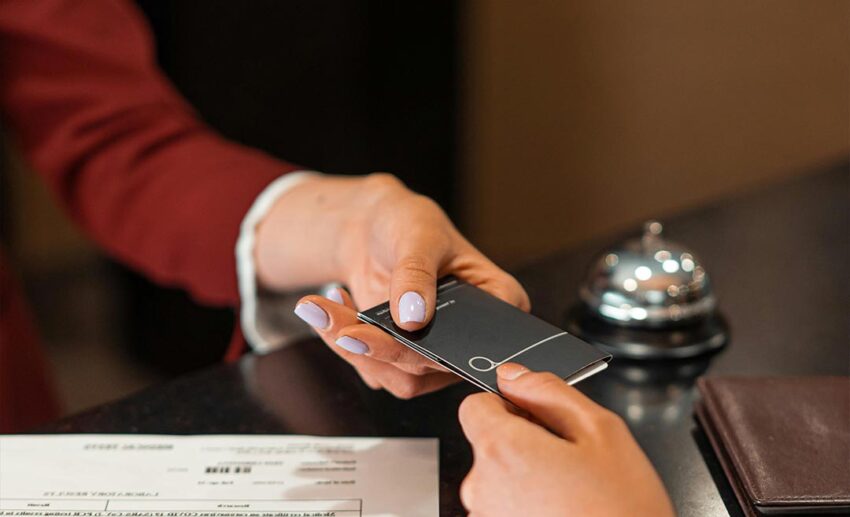
Hotels say later check-ins help manage tighter staffing, rising labour costs, and the time needed to properly clean and prepare rooms between guests, especially during peak travel periods.
At the same time, many hotels have realised travellers will continue booking despite shorter room-access windows. As a result, flexibility itself has become something hotels can charge for, with early check-in, guaranteed room access, and late checkout increasingly offered as paid add-ons.
Is it actually allowed?
In most cases, yes. Hotels are generally allowed to set their own check-in and checkout policies as long as the timings are clearly disclosed during booking. Technically, guests are paying for overnight accommodation rather than a full 24-hour stay.
Still, travellers are within their rights to question policies if timings were unclear, changed unexpectedly after booking, or if rooms are unavailable well beyond the stated check-in time.
Some travellers argue that if hotels can charge for a full night, guests should reasonably expect more flexibility around access, especially after long-haul flights or delayed arrivals. At the same time, hotel operators maintain that operational realities make it difficult to sustain shorter turnover windows consistently.
How travellers are adapting

Frequent travellers are learning to plan around hotel check-in and checkout times. Some now book flights that better match check-in hours or choose hotels with flexible checkout policies and loyalty perks over cheaper rates. Others contact hotels ahead of arrival to request early check-in, while many are approaching arrival days more slowly, with long lunches, cafe stops, or spa visits instead of rushing straight into sightseeing.
Seasoned travellers are also turning these “gap hours” into a productive part of the journey. Instead of rushing to a lobby to wait or drop off baggage themselves, many now use luggage concierge services, like LuggAgent and Baggage Solutions, at transit hubs to stay mobile. Some even book day-use rooms at secondary locations to refresh and work after a long-haul flight.
The ‘transition kit’ has also become an essential part of the modern traveller toolkit. Packing smarter, keeping essentials like chargers, skincare, and a fresh outfit easily accessible for those awkward in-between hours, allows travellers to freshen up in a spa or cafe and head straight to a lunch meeting.
By sending a digital nudge to the front office 24 hours before landing, many are finding that a little proactive communication goes further than a last-minute request at the desk.
In other words, the era of the flexible hotel arrival day may be fading. For many of us travellers, the message is clear: planning around check-in times is fast becoming part of modern travel.