Recent headlines regarding a cruise ship cluster have prompted international monitoring, but health experts stress the overall risk to the broader public remains low. (Image by Stefan Brending)
For many, virus headlines still trigger memories of COVID-19. So when reports emerged of a hantavirus cluster linked to a cruise ship, online speculation quickly followed. But health experts stress that this situation is very different from COVID. While authorities continue monitoring closely, the current risk to travellers remains low.
Here’s what travellers actually need to know:
What exactly is hantavirus?
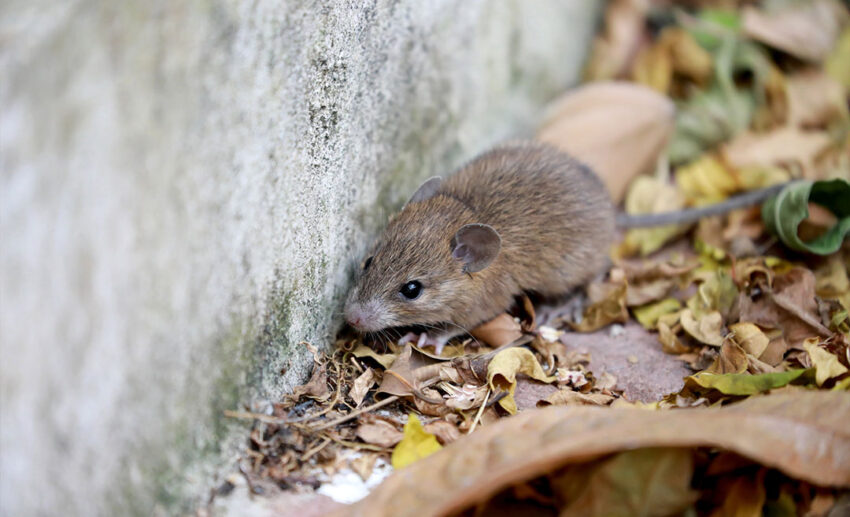
Hantavirus is not a new virus. It has been studied for decades and is primarily carried by rodents. Humans can become infected through contact with infected rodent droppings, urine, or saliva, often in poorly ventilated or rural environments where rodents are present. In rare cases, the illness can become severe and lead to respiratory complications.
Importantly, most hantavirus strains do not spread between humans. The current concern involves the Andes strain, one of the few known variants capable of limited human-to-human transmission. Even then, experts say transmission generally requires prolonged close contact, not casual encounters in public spaces such as airports, transport hubs or shopping areas.
What triggered the headlines
The recent surge in attention followed a cluster linked to a cruise ship voyage, which prompted international contact tracing efforts across multiple countries.
At the time of writing:
- 8 confirmed cases
- 3 deaths linked to the cluster
Health authorities continue monitoring and tracing close contacts, but have emphasised that the broader public risk remains low.
The World Health Organization has assessed the current global risk level as low, while maintaining surveillance and coordination with affected countries.
Singapore update

In Singapore, two residents were placed under precautionary quarantine following possible travel exposure linked to the cruise ship cluster. The move sparked online speculation, but authorities later confirmed that both individuals tested negative for hantavirus following assessment.
No local transmission has been identified. The case highlights how post-COVID surveillance systems now respond rapidly and cautiously to potential infectious disease risks.
🤚 Precautionary isolation does not indicate an outbreak. Rather, it reflects heightened vigilance in global health monitoring today.
Southeast Asia is watching closely
Across Southeast Asia, governments have increased monitoring and screening measures as a precautionary step:
- Malaysia has reinforced border health screening measures
- Thailand has increased surveillance at entry points
- The Philippines reports no hantavirus cases in 2026
In Indonesia, authorities have reported two suspected hantavirus cases under investigation, highlighting continued vigilance in the region rather than confirmed widespread transmission.
Health experts also note that hantaviruses are not unfamiliar in the region. Rodent-borne strains have historically existed across parts of Asia for decades. What is different now is the speed of international coordination and the visibility of real-time reporting.
Why this is not “another COVID”
This is the question most travellers are asking: could hantavirus become another global pandemic?
Based on current scientific understanding, experts say this is highly unlikely.
COVID-19 spread rapidly because it transmitted efficiently through the air, including from people with mild or no symptoms. Hantavirus behaves very differently. Most infections come directly from exposure to rodents, not casual human interaction.
Even with the Andes strain, human-to-human transmission appears limited and typically requires prolonged close contact in specific settings.
Historically, hantavirus outbreaks have remained small and localised rather than expanding into sustained global transmission chains. This is why health authorities are monitoring the situation closely without classifying it as a pandemic-level threat.
So, should travellers be worried?
At this stage, the risk to travellers is considered low. Experts say:
- Airports, flights and tourism hubs are not high-risk environments
- Transmission does not occur through casual contact
- Infection requires specific exposure conditions, usually involving rodents
For travellers, practical precautions remain simple:
- Avoid contact with rodents or rodent-infested environments
- Follow standard hygiene practices
- Seek medical advice if symptoms appear after potential exposure
What about major travel events?
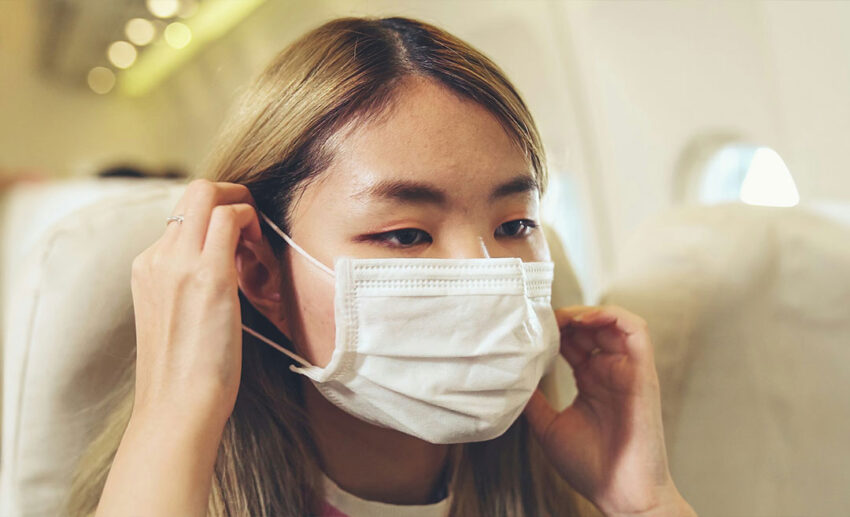
With global travel activity increasing, some travellers have asked whether crowded events, like the upcoming FIFA World Cup 2026, could accelerate the spread.
Health agencies currently do not consider mass tourism, flights, or major international events to be high-risk environments for hantavirus transmission. Unlike airborne viruses, hantavirus does not spread easily through casual or short-duration contact.
COVID-19 changed how the world responds to infectious disease threats. Governments now act faster, screen earlier, and trace contacts more aggressively than before.
But increased preparedness does not mean a global outbreak is underway. In the case of hantavirus, the current response reflects vigilance — not escalation.
For most travellers, this is a reminder to stay informed, not alarmed.
World Health Organization