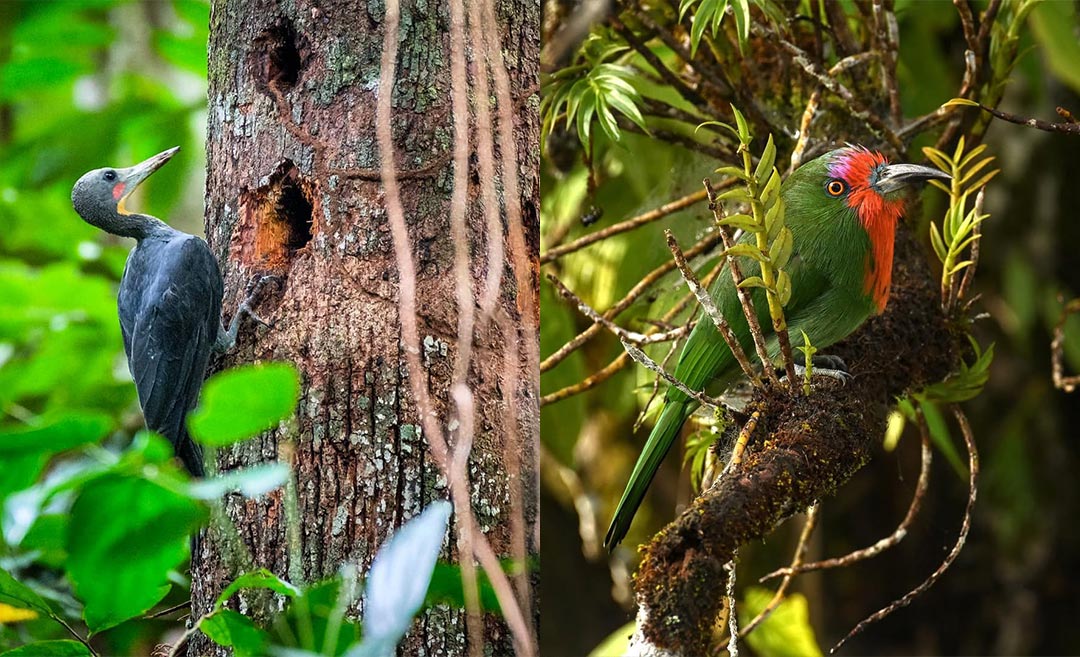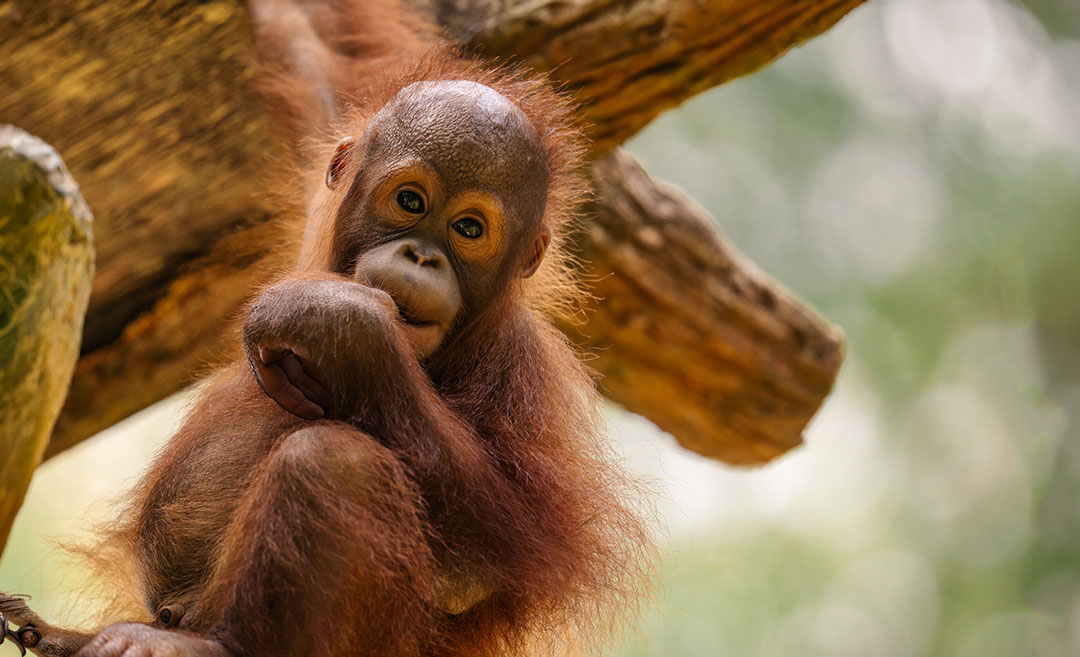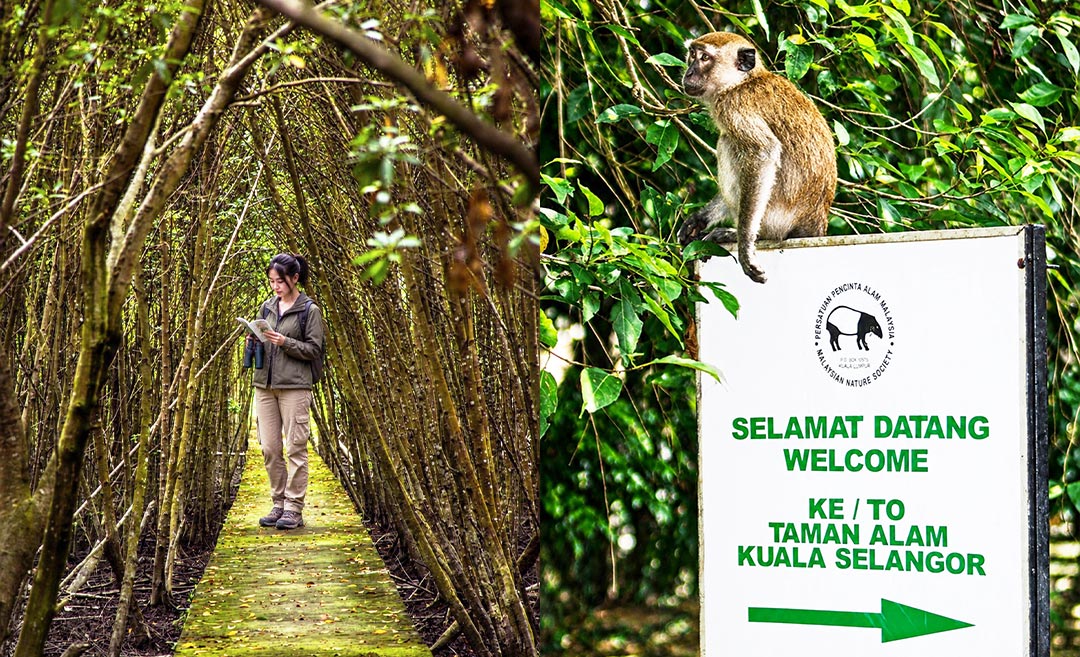
Stepping off the beaten track to try birdwatching at Kuala Selangor Nature Park offers a quiet escape into nature, complete with local wildlife on hand to welcome visitors. (Images by David Bowden)
Sometimes, a day out doing something completely unfamiliar can make you think differently about how and why you travel.
A recent visit to Kuala Selangor Nature Park (Taman Alam Kuala Selangor) made me think about how and why we travel while enlightening me to new possibilities. A friend asked me to accompany her on a day-long nature excursion. I knew she was interested in birds and birdwatching, as she had recently returned from a guide-led birdwatching excursion to Borneo.
Twitchers, Honey Buzzards and Striated Herons
When we met at Kuala Selangor Nature Park, administered by the Malaysian Nature Society (MNS), I thought my friend was about to go into battle. She was dressed in khaki from head to toe and carried what I thought was a weapon, but on closer inspection, it was a camera with a long lens mounted on a tripod. She said she was ready to do battle with the birds of the park, as ‘twitchers’ – birdwatchers – set out to see as many birds as possible.
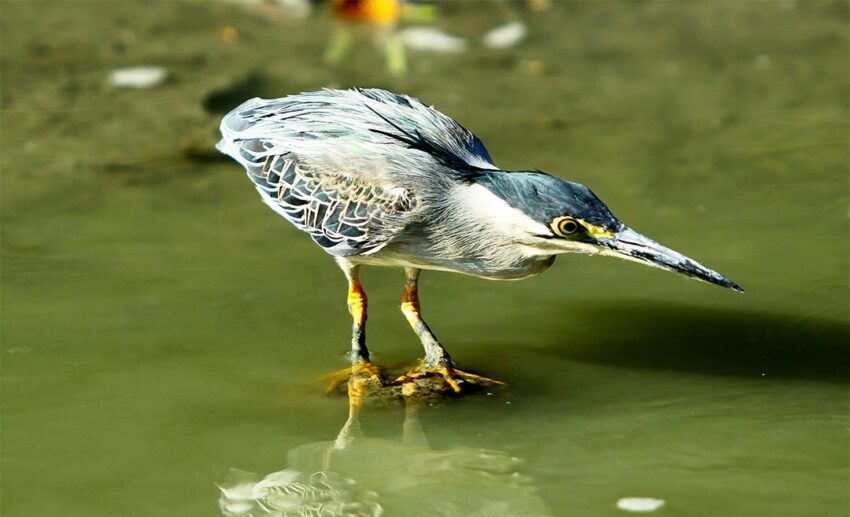
My duty was to carry her copy of A Field Guide to the Birds of Malaysia and to check the identification of the birds she sighted. The initial conversation went something like this: “Oh, there’s a Great Egret beside the lake, near the Grey Heron, or is it a Striated Heron? Can you check?”
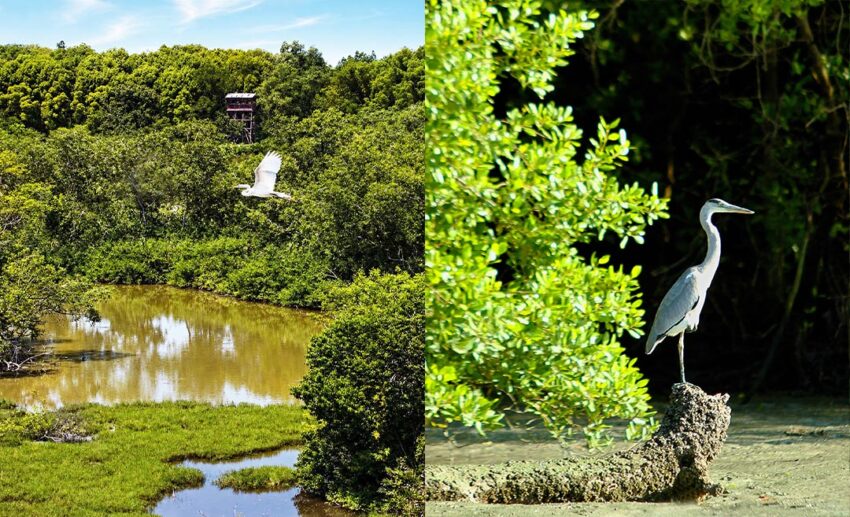
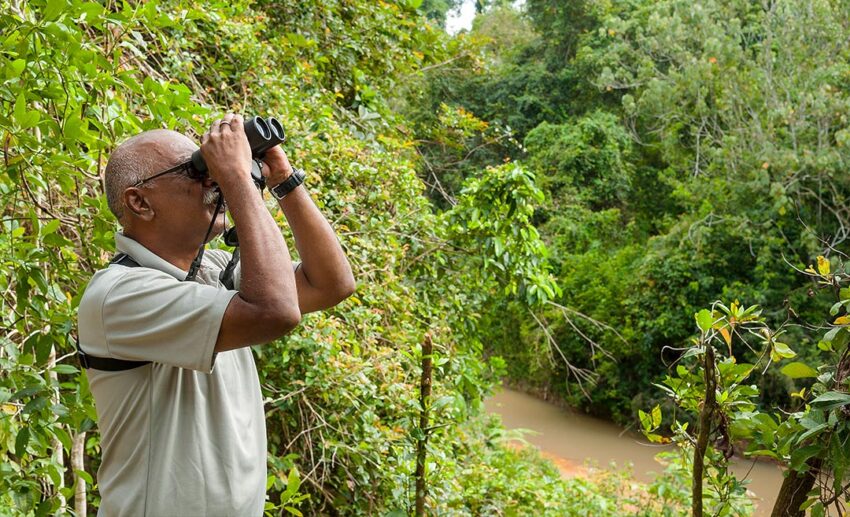
Initially, flipping through the voluminous field guide was daunting, but I soon got the hang of it. I also borrowed my friend’s binoculars while she photographed the birds. Wow, what a difference binoculars make, as they really bring the birds into full frame. I was already making mental notes about buying a pair of my own.
Birdwatching tip: Binoculars can make a big difference when birdwatching, bringing distant birds into clearer view. A compact camera with a powerful zoom can also help if you want to photograph what you spot.
Herons are just some of the birds that can be sighted at Kuala Selangor and other wetlands in Malaysia. Like egrets, they are large wading birds that can be easily seen while feeding in the shallows. Most of the time, they just stand there and use their pointed bills to spear unsuspecting fish that happen to swim past.
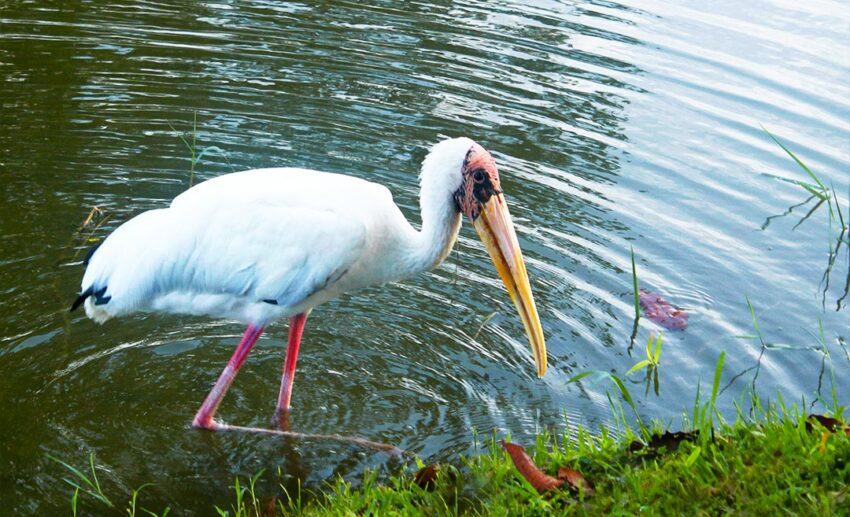
Another large wading bird that captured our attention was the Milky Stork. I found it most engaging to watch as it stirred up the mud with its feet to hunt for fish. A quick check of the field guide suggested the bird was endangered and a rare sight, so I felt honoured to be in its esteemed company.
After a while, I found that I was getting into birdwatching, and having the field guide helped as it filled in the details. Stupidly, I asked my tree-hugging friend why any of this mattered and what role birds played in our lives.
An hour later, I was still being pleasantly lectured on how birds help keep insect numbers in check, support crop cultivation, reduce mosquito populations, and pollinate plants.
Getting more from the great outdoors
Furthermore, my friend pointed out that we can all contribute through the choices we make when we buy and consume products, as well as through the holidays we take.
Malaysia has rich biodiversity, with plants and animals found across its forests, wetlands, mangroves, and other natural habitats. Many tourists travel to the country to enjoy these natural assets, which are protected in national parks and nature reserves.
That makes nature-based travel more than simply an opportunity to see wildlife. When done responsibly, tourism can also give these natural areas greater value while encouraging visitors to understand why they need protection.
Having caught the birdwatching bug, I did some research and discovered that birdwatching, or avitourism, generates billions some USD70 billion globally each year. Malaysia, with its rich biodiversity and hundreds of recorded bird species, is particularly well placed for birdwatching holidays.
Did you know? Malaysia is home to around 790 recorded bird species, including some rare species sought after by birdwatchers.
Wetlands not wastelands
Apparently, there was a time when wetlands such as mangrove forests were seen as wastelands with very little economic value. Then scientists reminded us that such areas were important for birds and mammals, as well as for protecting coastlines from erosion and other environmental threats like tsunamis.
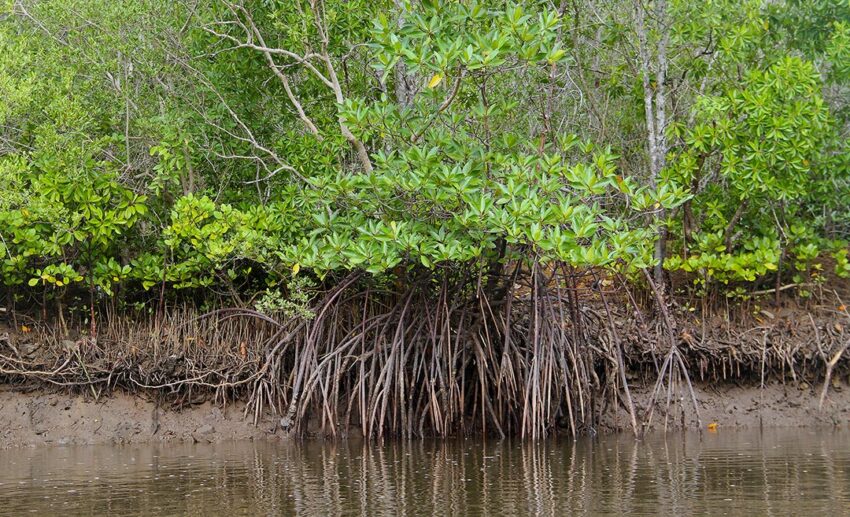
In the case of Kuala Selangor, a plan was put forward to fill in the wetlands to create a golf course. The scientific and bird communities rallied to save the wetlands, which serve as important breeding grounds and resting areas for migratory birds that fly from places as far apart as Siberia and Sydney.
Stop and take that in for a minute: small birds flying a distance of 10,000 kilometres! No wonder they need somewhere like Kuala Selangor to rest awhile.
MNS now operates the park, with its information centre and chalet accommodation. The entry fee is minimal (RM4), and the facilities are good, although visitors should check current trail and boardwalk access before visiting.
Kuala Selangor also appeals as it is close to Kuala Lumpur, and there are several seafood restaurants in Pasir Penambang, on the opposite side of the river.
Interested birdwatchers will want to extend their horizons and travel to other destinations and resorts in Malaysia and the region. Some of these resorts employ nature guides and eco-guides to help guests unravel the beauty of nature.
Got the bug, get in contact
If birdwatching and nature-based holidays in Malaysia interest you, there are plenty of places to explore beyond Kuala Selangor. Fraser’s Hill, Tanjung Tuan, Sabah, Sarawak, and other parts of Malaysia offer opportunities to see resident and migratory bird species.
Some useful contacts include North Borneo Safaris, MCM Nature Discovery Villa in Fraser’s Hill, K.S. Durai in Fraser’s Hill, and the Malaysian Nature Society (MNS).
MNS also organises the annual Fraser’s Hill Bird Race in June and Raptor Watch in Port Dickson in March. Raptor Watch enables nature lovers to admire the annual migration of birds such as the Oriental Honey-buzzard. At Tanjung Tuan, one of the narrowest crossings of the Straits of Malacca (38km), raptors can be seen making their way northwards during migration.
The Borneo Bird Festival in Sandakan, held annually in November, is another event for those who want to learn more about birds and birdwatching.
Simple ways to reduce your tourism footprint
So, what can you do to be a more responsible tourist, I hear you ask?
🦜 Take nothing but photos and leave nothing but footprints. As clichéd as it is, photos tell stories that words can’t, and they can help spread the message about the importance of nature. Do not leave any rubbish behind (do people need to be reminded of this?).

🦜 Skip single-use plastic water bottles and travel with a reusable flask.
Did you know? An estimated 1,500 plastic bottles are thrown away in Malaysia every second, while just one in 400 coffee cups is recycled.
🦜 Choose tourism operators and resorts that employ local staff, source produce locally, use alternative energy sources where possible, and generally respect the environment in which they operate. Some examples include The Datai in Langkawi, Danum Valley in Sabah, Sukau Barefoot Lodge in Sabah, Mulu Marriott in Sarawak, Belum Rainforest Resort in Perak, Sukau Rainforest Lodge in Sabah, and MCM Nature Discovery Villa in Fraser’s Hill.
🦜 Don’t be afraid to ask resorts about the programmes they offer and the efforts they take to make their operations more sustainable. It is also worth asking questions to avoid greenwashing.
🦜 Do not feed animals – they are quite able to do this without our help, and feeding can make them dependent on humans. This is one reason monkeys can become persistent nuisances at tourist sites.
🦜 Wear clothes of neutral colours to ensure you blend in with your natural surroundings.
🦜 Keep noise to a minimum while in natural areas.
You do not have to become a dedicated twitcher to travel more thoughtfully. Sometimes allowing curiosity to lead the way can change how you experience a place – and how much you want to protect it.