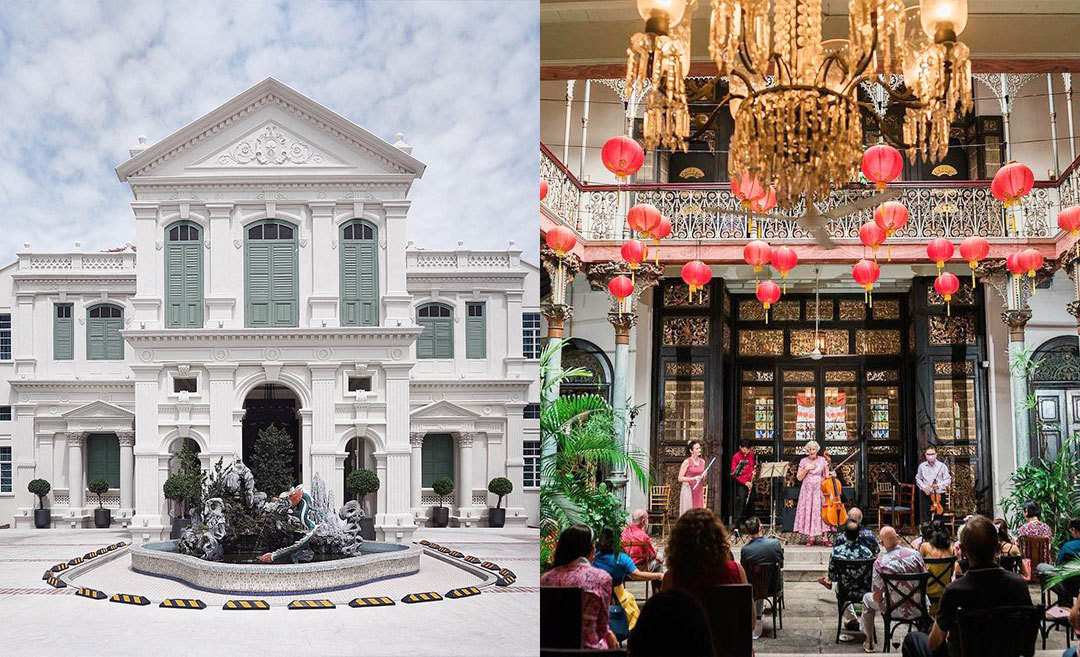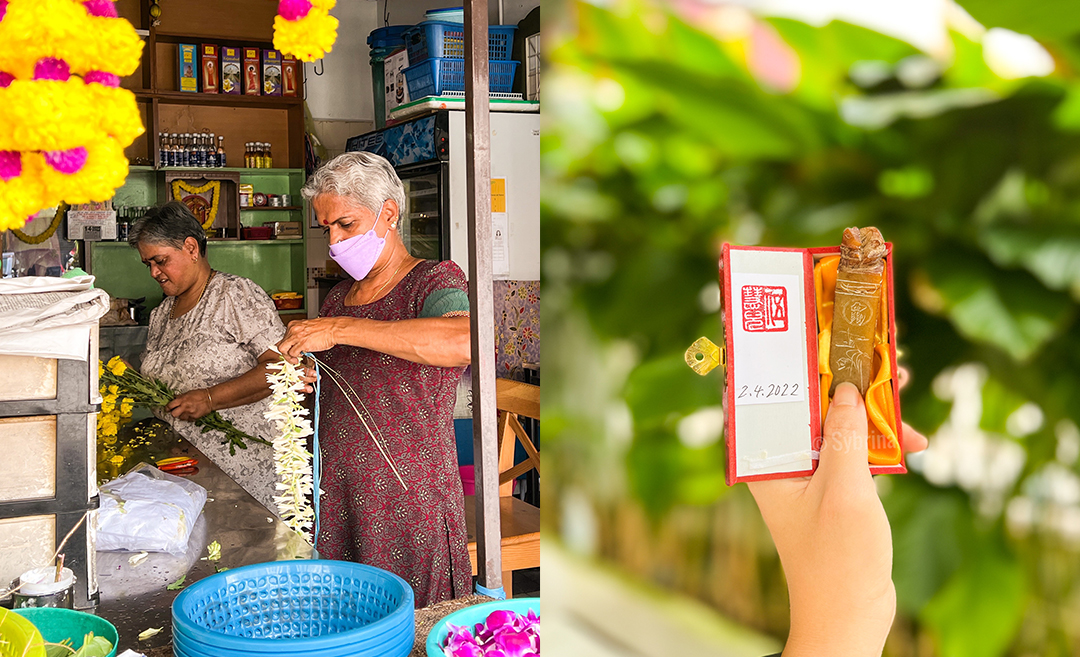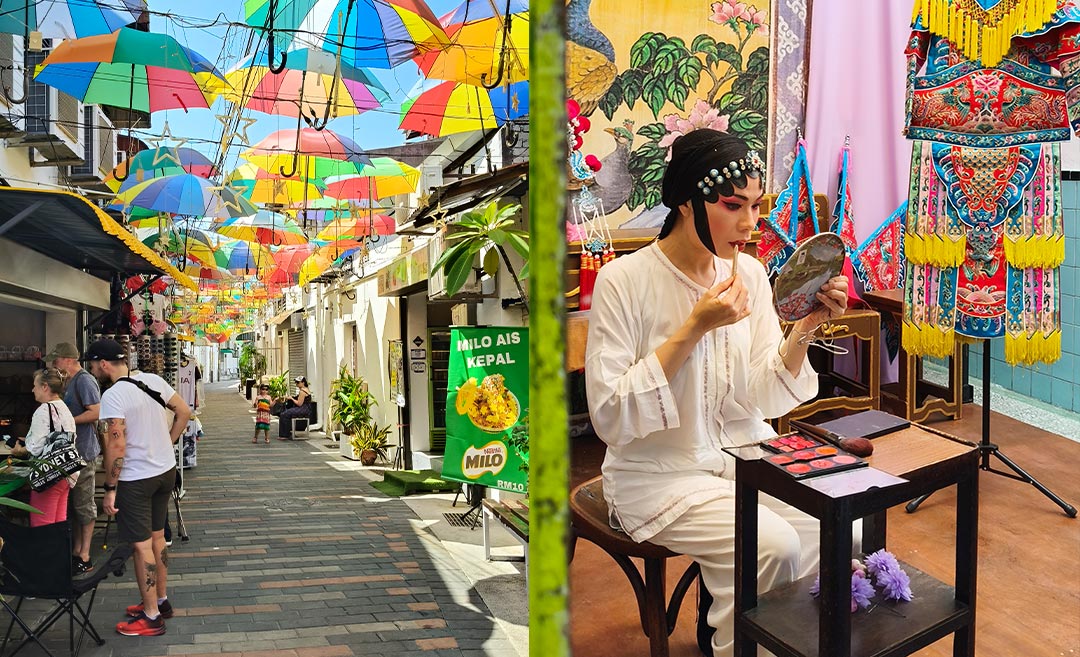
Penang is Penang because of its buildings and its people. (Left image by David Bowden; Right image by mathes)
The ongoing heritage preservation in Penang is commendable and plays an important role in helping Malaysians understand their past and how it shapes the nation’s future through cultural tourism and living history.
Penang is one of Malaysia’s best-known travel destinations, not only for its food but also for its seafront and the historic streets of George Town.
While its food is undeniably a draw, I’m never convinced that people travel for food alone; there needs to be other factors in the tourism equation. Cultural heritage, place identity, and lived history are such factors that play an essential role in shaping the visitor experience.
Heritage and a return to the past set Penang apart from other Malaysian destinations, including Malacca, with which it shares the Melaka and George Town Historic Cities of the Straits of Malacca UNESCO World Heritage Site.
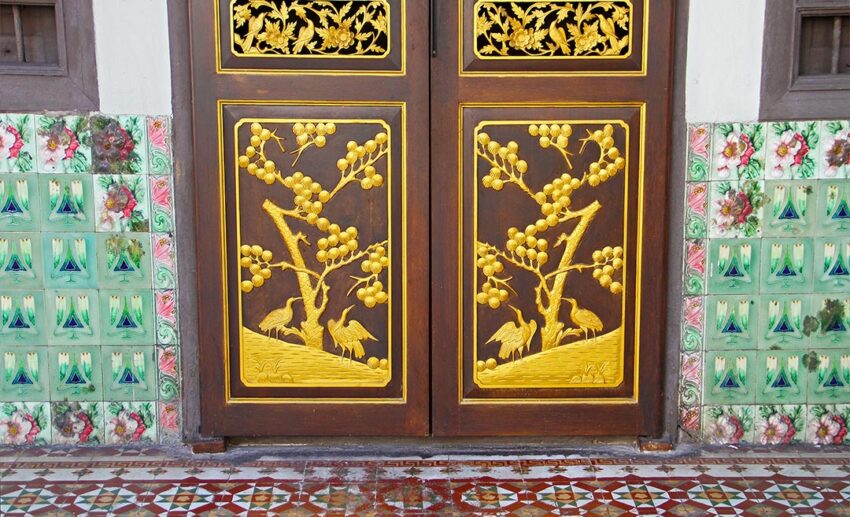
Penang’s UNESCO moment: From straits settlement to world heritage stage
A monumental shift occurred in Penang in 2008 when UNESCO recognised the significance of the former Straits Settlement. It joined a global portfolio of leading cultural and natural heritage sites. These UNESCO-listed sites, now numbering over 1,200 and growing annually, have become my guide for places to visit when I travel around the world.
The steps to UNESCO recognition are long and complicated, but briefly, Malaysia sought recognition, which was granted along with a detailed set of development guidelines to ensure Penang and Melaka retained their heritage authenticity. Core heritage zones were established with surrounding buffer zones in each location. Conditions were laid out as to what activities could be done in both zones. These conditions are regularly evaluated by the Malaysian authorities and UNESCO.
The importance of safeguarding heritage is particularly evident in Penang, where layers of history remain woven into its urban fabric. Streets, buildings, traditions, and communities combine to create a living archive of trade, migration, and cultural exchange.
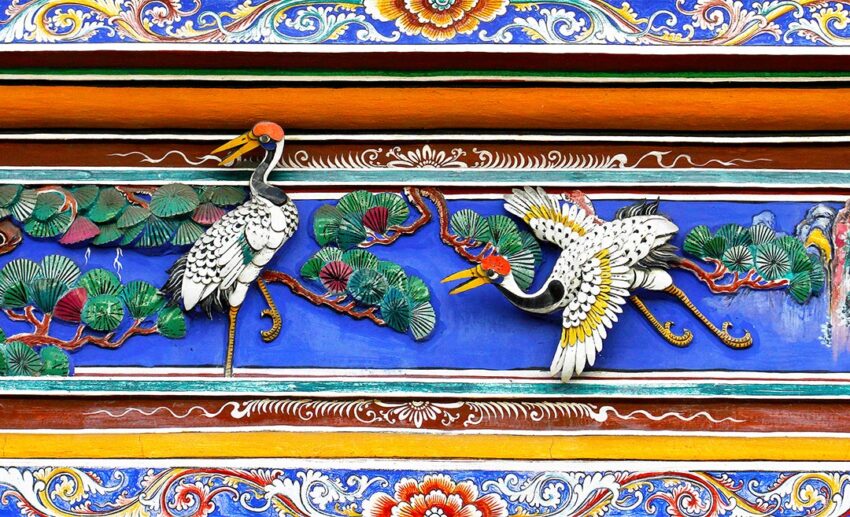
As cities expand and modernisation gathers pace, historic precincts and cultural landmarks are increasingly under pressure from development. However, these places hold lessons that cannot be replicated. They reveal how societies evolved, how people adapted to challenges, and how cultures interacted over time.
This understanding sits at the heart of UNESCO’s World Heritage programme, which seeks to protect sites of outstanding cultural and natural value for future generations.
Living heritage in motion: How George Town balances old and new
Geopolitical and economic factors are playing an increasing role in how we travel. I return to Penang every few years and always enjoy each visit, particularly the ongoing renovations and refurbishments in the old shophouses of George Town. It is reassuring that George Town has become a destination that values heritage while also generating sustainable income for property owners. While there is always a temptation to pull old buildings down rather than restore them, many George Town property owners see value in heritage and the tourism that it generates.
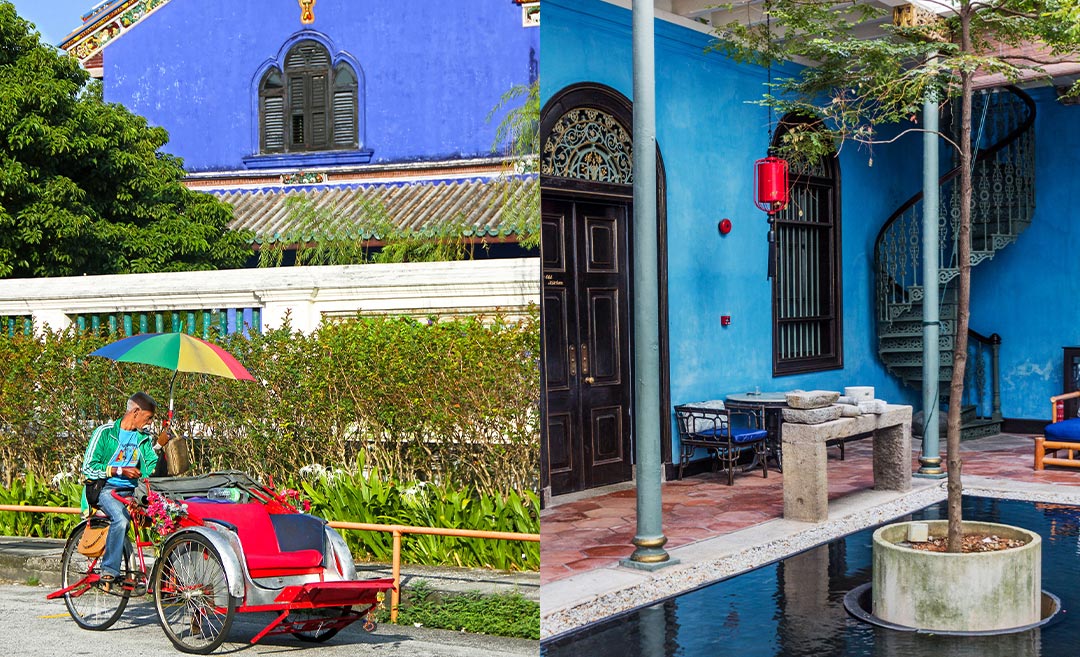
My last visit was particularly exciting as I chose a property I have long admired but never had the pleasure of staying in. Cheong Fatt Tze, or the Blue Mansion, pioneered conservation architecture on the island, and it has evolved even further in restoring Qing Suites located opposite it on Leith Street.
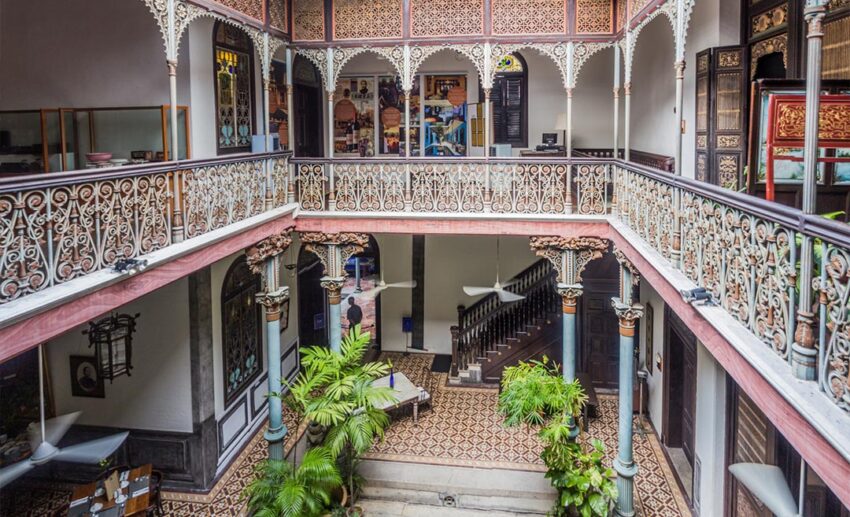
Leith Street was once known as ‘Hakka Millionaires’ Row’, as it was the chosen location for Chinese towkays who built lavish mansions there. Cheong Fatt Tze is the best-known Hakka millionaire, who initially made his fortune from tin. He built the Blue Mansion (named for the indigo blue used on its exterior walls) between 1896 and 1904. The courtyard mansion incorporated both Chinese and Western elements. The Blue Mansion has won numerous awards for heritage architecture, including Lonely Planet’s ‘One of the Ten Greatest Mansions in the World’.
From servants’ quarters to boutique stays: Qing Suites reimagined
The equally impressive row of terraces located opposite was originally built as servants’ quarters. These are now operated as Qing Suites, a separate boutique property but under the same ownership as the Blue Mansion.
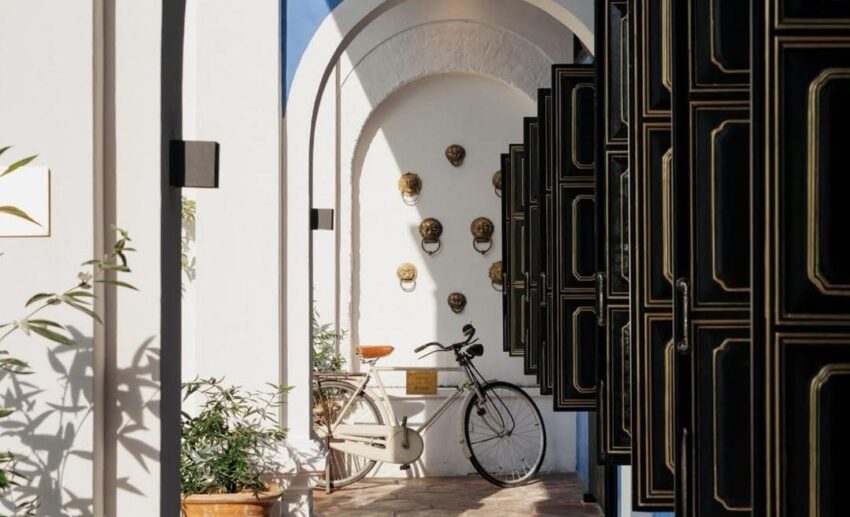
Heritage hospitality: Qing Suites and the art of careful restoration
Qing Suites, with just 13 rooms, offers a quiet retreat that rarely feels crowded. What was once the servant quarters is now a tranquil heritage retreat with gardens lining the street.
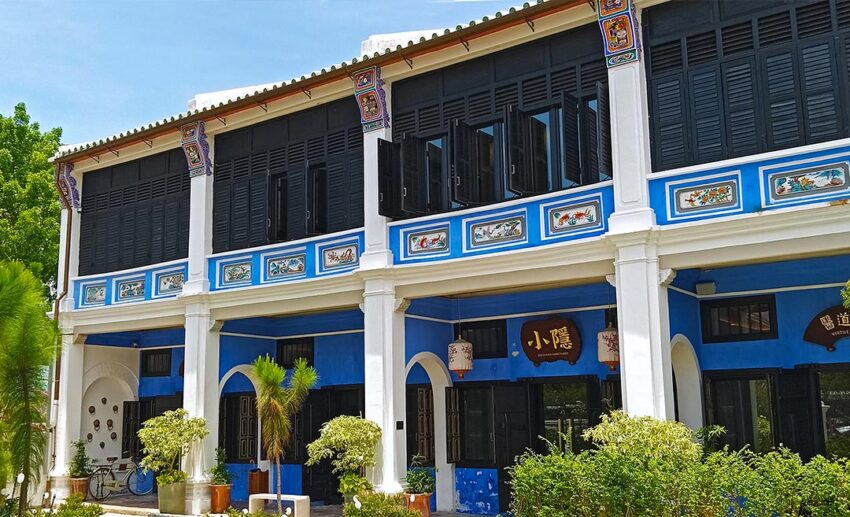
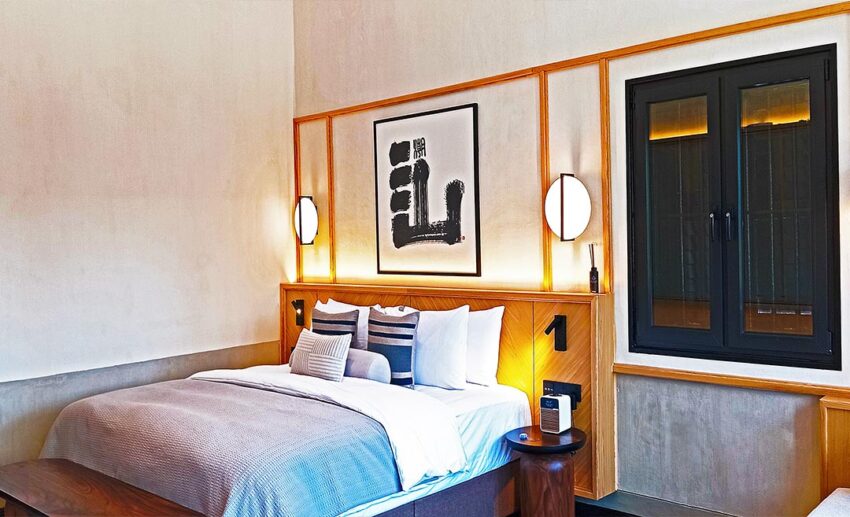
The facilities would have been basic when they housed staff, but now they are fitted out with the latest amenities, including large bathrooms, television, air conditioning, and stylish furnishings.
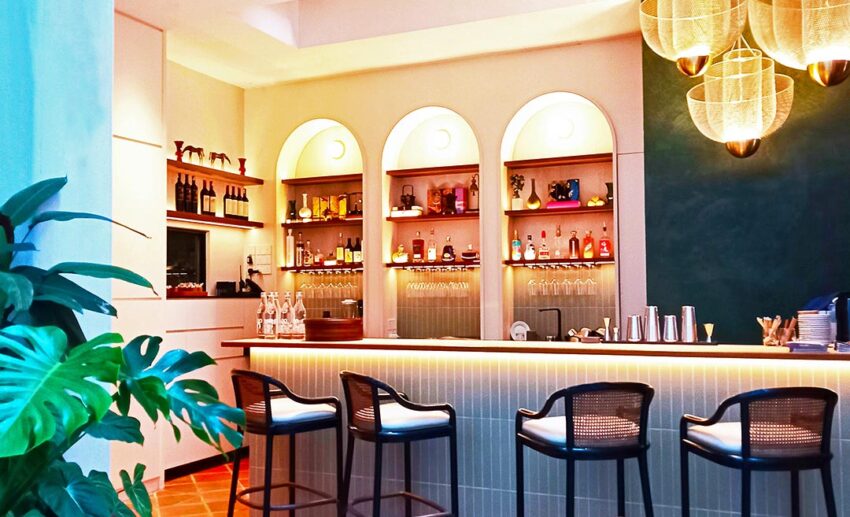
While suite guests have access to most facilities in the Blue Mansion, the bar and restaurant remain the exclusive domain of Qing Suites residents. Breakfast, afternoon tea, and evening drinks are served from compact but enticing menus. The tropical courtyard setting and Asian-inspired drinks menu made Qing Bar the perfect setting before my dinner, served in Indigo, located opposite in the Blue Mansion.
On screen and in stone: Penang’s cinematic heritage
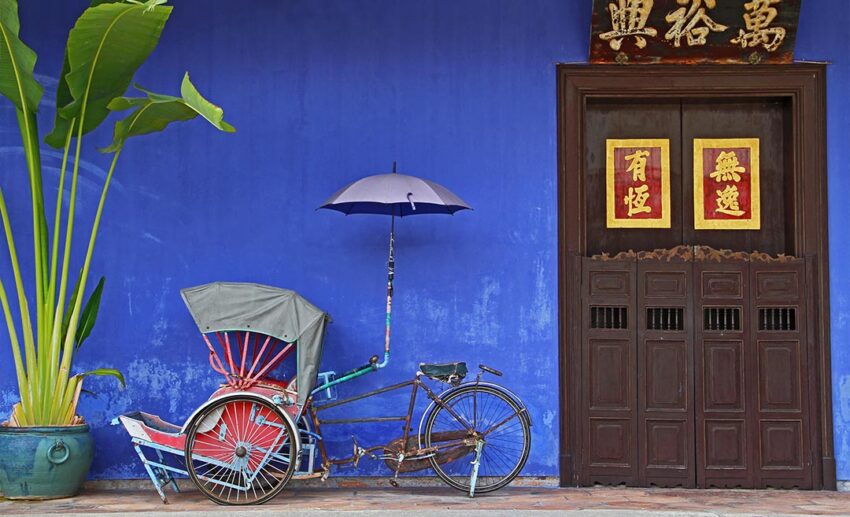
The Blue Mansion was a backdrop for movies such as the Academy Award-winning movie Indochine (1992) and Crazy Rich Asians (2018). The rickshaws at the entrance were used in Indochine.
Where to stay in Penang: Heritage hotels and restored stays
Penang has other heritage hotels, including The Edison, Eastern and Oriental (E&O), Muntri Mews, Seven Terraces, 1926 Heritage, and Soori Penang (in Khoo Kongsi).
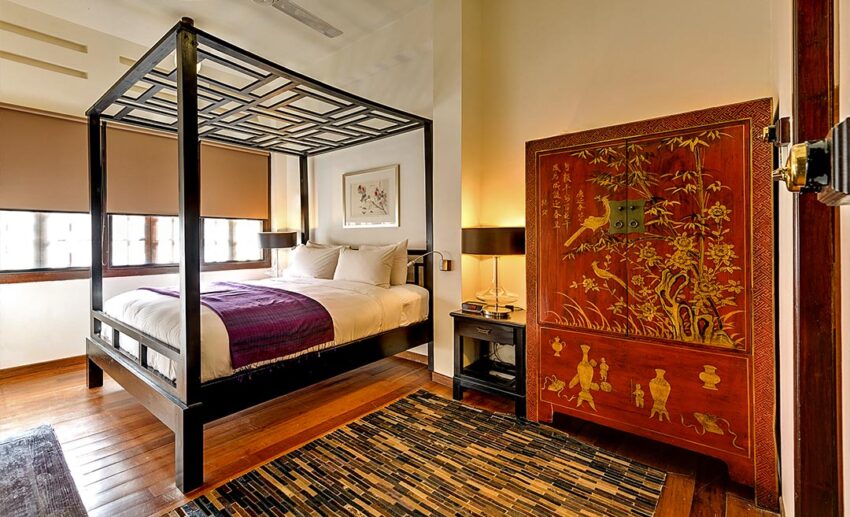
Hotel Penaga was originally a row of three-storey terraced buildings comprising houses and shophouses. Built in the 1920s, it was renovated post-war, and in 2008, it was converted into a 45-room heritage boutique hotel with impressive period furniture adorning all its rooms.
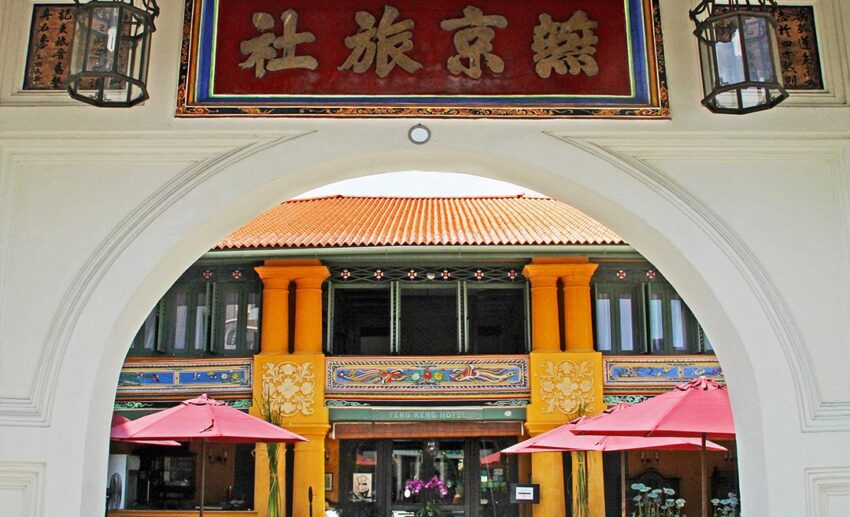
Yeng Heng Hotel on Chulia Street is a former residence that has been converted to a boutique hotel and restaurant.
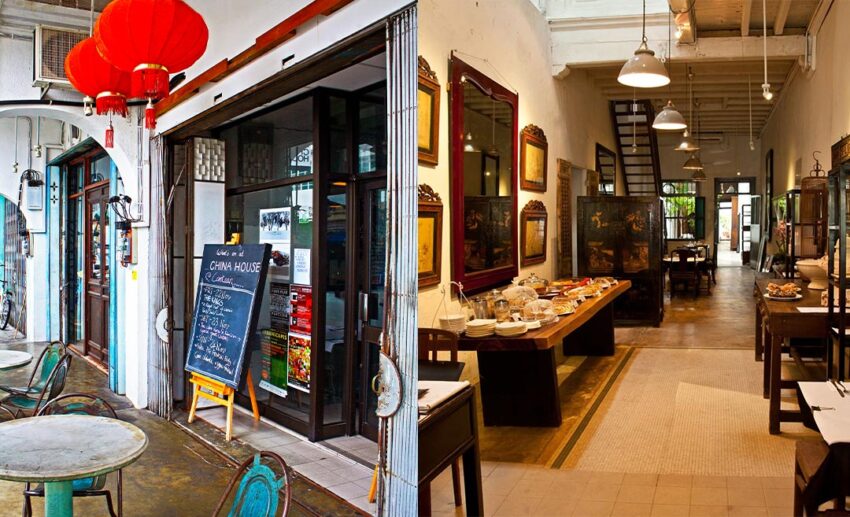
Other buildings have been restored and repurposed as bars and restaurants, with one of the most impressive being ChinaHouse on Lebuh Beach.
History is often described as a record of the past, but its true value lies in what it offers the future. Across the world, communities are increasingly recognising that heritage is far more than old buildings, faded photographs, or artefacts preserved in museums. Heritage provides Penang with a living connection between generations, providing identity, continuity, and a sense of place in an ever-changing world.