Get to know these superstitions and survive the Hungry Ghost Month without offending wandering spirits. (Image by Timo Wagner.)
In Chinese folk tradition, every year on the seventh month of the lunar calendar, the gates of the underworld open. This allows ghosts to roam freely among the living in search of nourishment and entertainment. To appease the spirits so they do not cause trouble, Taoist and Buddhist communities observe Ghost Month and the Hungry Ghost Festival. The festival happens on the 15th day of the seventh lunar month, which usually falls around mid-August to early September.
Also known as Zhongyuan Jie or Phor Thor, the Hungry Ghost Festival is a cultural event for communities in the Far East and Southeast Asia. For the curious onlooker who happens to be in town during this inauspicious time of the year, you’re welcome to witness and partake in the festivities. Just be sure to take some of the following precautions to avoid attracting or offending the ghosts.
1. Postpone major life changes
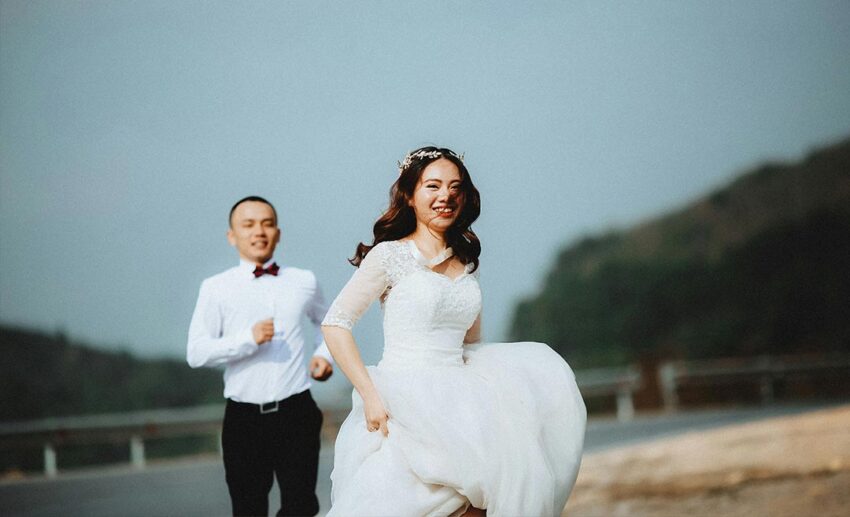
The entire seventh month – also known as Ghost Month – is believed to be an unfavourable time for marriage, moving houses, buying cars, surgery, or setting up new businesses. Granted, this belief stems from a more superstitious time when people used to live by the almanac. But, do you really want to risk jinxing an important life event by starting at a time when the dead are free to cause mischief among the living?
2. Avoid unwanted attention after dark
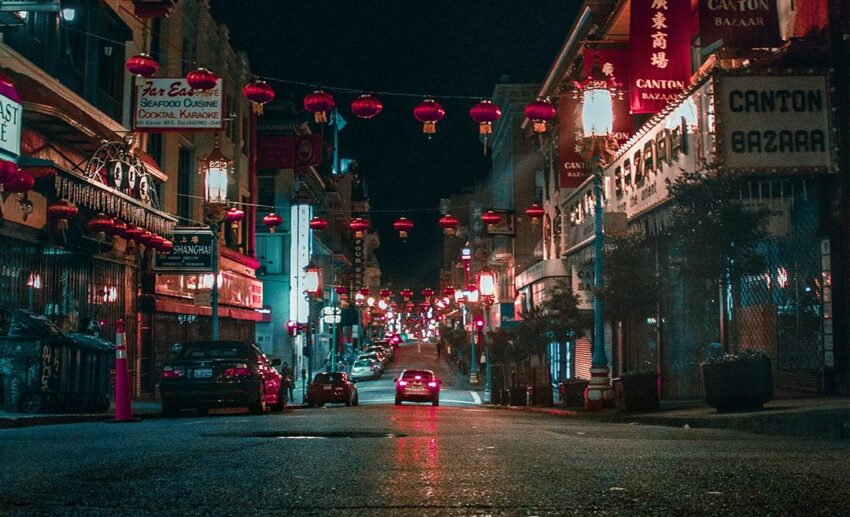
A time when ghosts are free to wander about is not a good time to be out and about at night. This is especially important for children, the elderly, the sick, and anyone deemed to have a weakened lifeforce, which makes them susceptible to ghostly influences.
If you have to be out at night, it is best to refrain from wearing black or red as these colours are believed to be favoured by wandering spirits, thus making you a target of their unwanted attention. Instead, opt for bright neutral tones that are known to repel spirits.
It is also best to keep quiet and avoid whistling or humming, especially when you’re alone. You could be inviting an unfriendly ghostly encounter, since the wandering spirits do not take kindly to those who disrupt their peace.
3. No photography after sundown
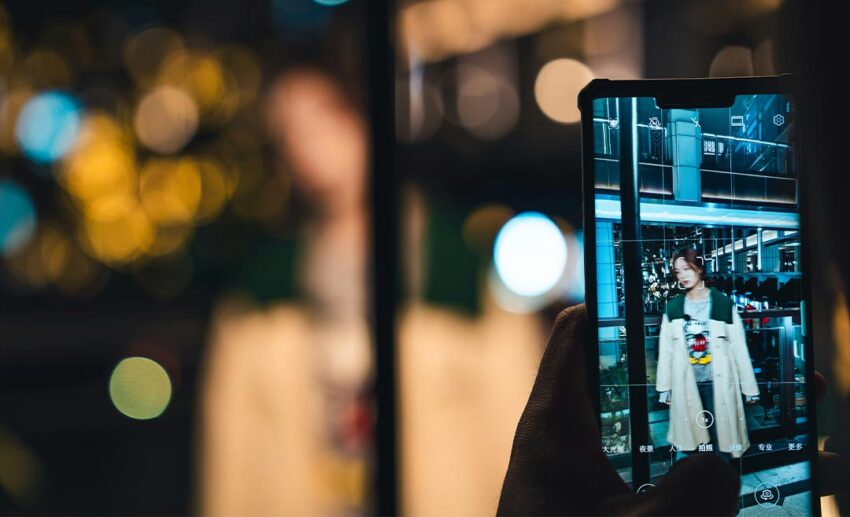
Imagine this: after a fun night out in town, you gather the gang around for a selfie. But when the photo is shared in the group chat, there is an extra headcount. If horror movies have taught us anything, it’s that ghosts and cameras don’t go together.
Unless you’re a thrill-seeker looking to capture paranormal activity, it would be best not to take pictures at night during Ghost Month, especially in dark corners. There’s no telling whether the entity that photobombed you is still lurking around.
4. Do not disturb offerings for the spirits
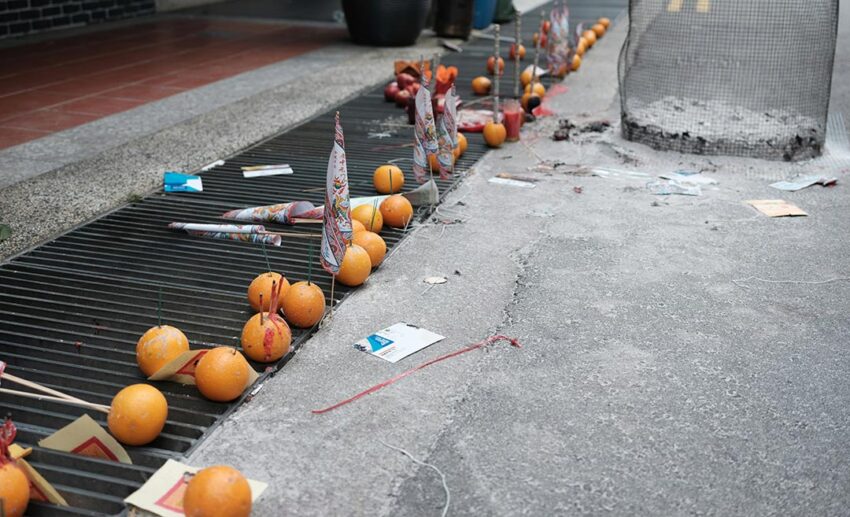
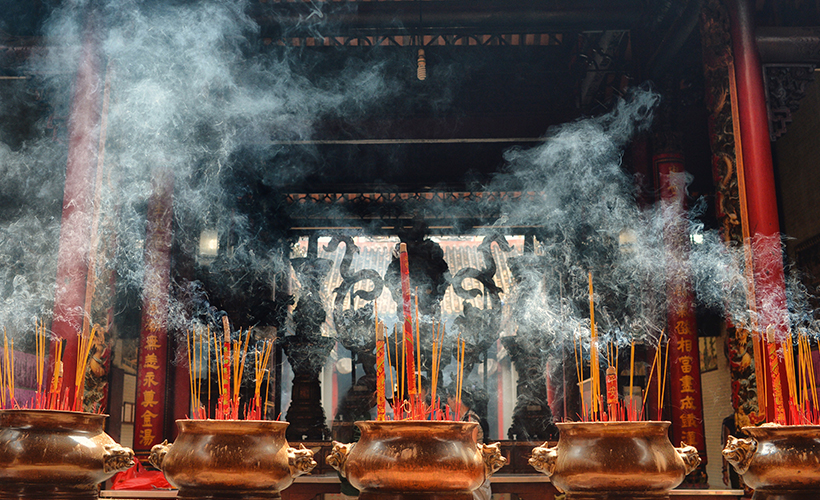
On the night of the Hungry Ghost Festival, incense and food are laid out, and paper money is burnt by the roadside in public places and residential areas. These are offerings to appease wandering spirits with no loved ones to perform rituals in their memory. Do not step on, kick over, insult, or touch the piles of offerings. If you do so accidentally, apologise out loud to the spirits nearby.
The ghost month is also not a time to pocket money found on the streets. At any other time of the year, finding a stray bill or coin might be considered lucky, but on this particular month, the money could be left out for the guardians of the underworld who keep the ghosts in line. Not the type of spirits you’d want to offend.
5. Entertainment for the unseen (don’t take the front row seats)
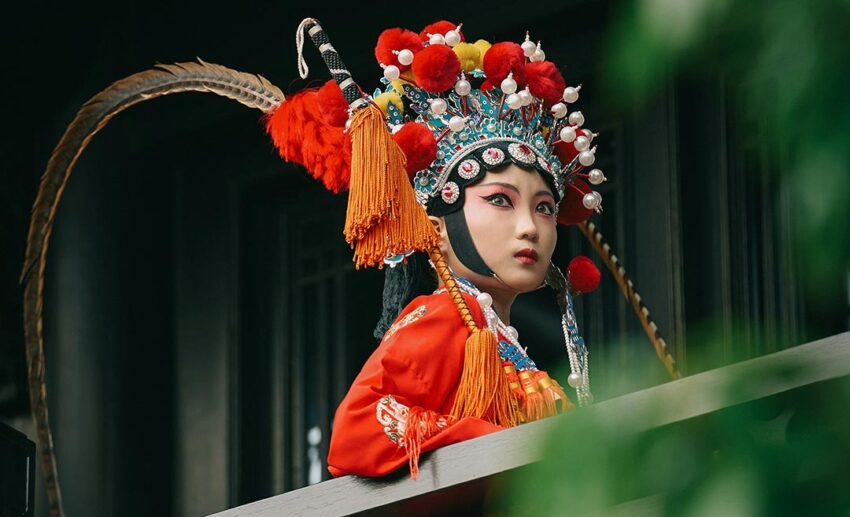
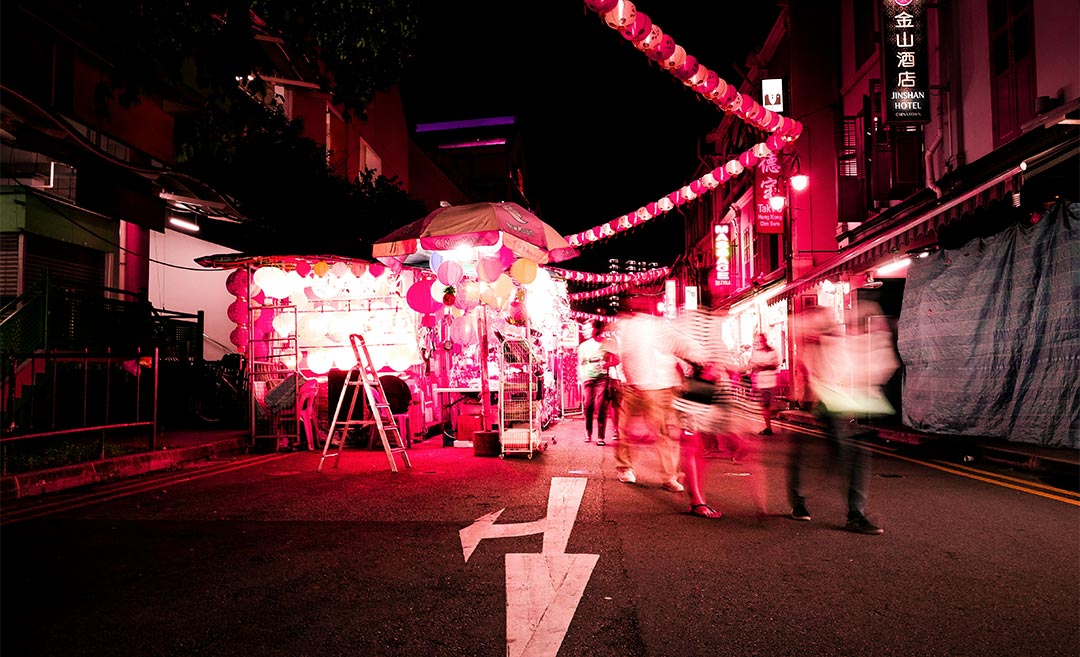
In some neighbourhoods, makeshift altars bearing the paper effigy of the King of the Underworld would be erected, together with the getai (song stage) for concerts, Chinese opera performances, or puppet shows.
While the public is welcome to attend the performances, they are mainly intended for the ghosts. It’s not every night you get to party with ghosts. So, feel free to take a seat by the getai and enjoy the show, just not in the front rows. Front row seats at these events are deliberately left empty for the unseen guests.
6. Spirit-proof your home

Even your home is not truly safe from the uninvited during the Ghost Month. Don’t leave clothes hanging outside after sundown, because the shape of clothing is said to attract spirits that will slip into your garment for the night. Clothes “borrowed” by ghosts may be stained with negative energy that could adversely affect the wearer’s aura.
7. Ignore any random, strange occurrences
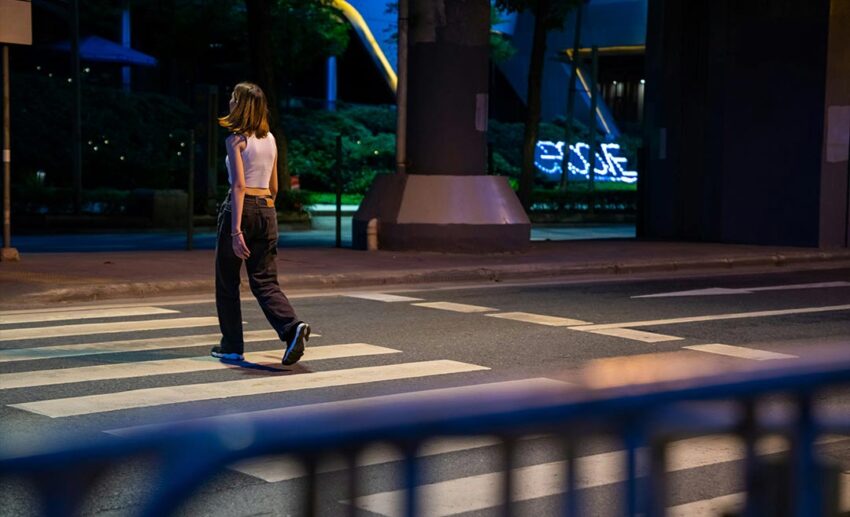
Heard a faint voice calling out your name in the dead of the night? Caught a whiff of smells that came out of nowhere? Is there a sudden dip in temperature that made the hairs on the back of your neck stand? Was there someone gently tapping you on the shoulder? If you encounter any of these strange occurrences, don’t freak out, scream, or call it out. Just ignore them and carry on. It could be a ghost trying to get your attention.
8. Don’t look over your shoulder

If you need to look behind you, turn your body around fully, instead of looking over your shoulder. According to Chinese folklore, there are invisible flames on each shoulder and the forehead that protect the living. Looking over the shoulder snuffs out these flames, making one more vulnerable to things like spirit possession.
9. Avoid swimming in open waters

The souls of those who died drowning tend to be more wrathful and vengeful. Because large bodies of water are believed to be conduits of spirit energy, water ghosts will be at their peak ferocity during Ghost Month. They could be looking to drown unsuspecting swimmers to take their place in the haunted waters, so that they can go on to reincarnate. If you have to go for a swim, do it during the day. Avoid the sea, lakes and rivers, and stick to the pool.
10. Don’t chase away butterflies and moths
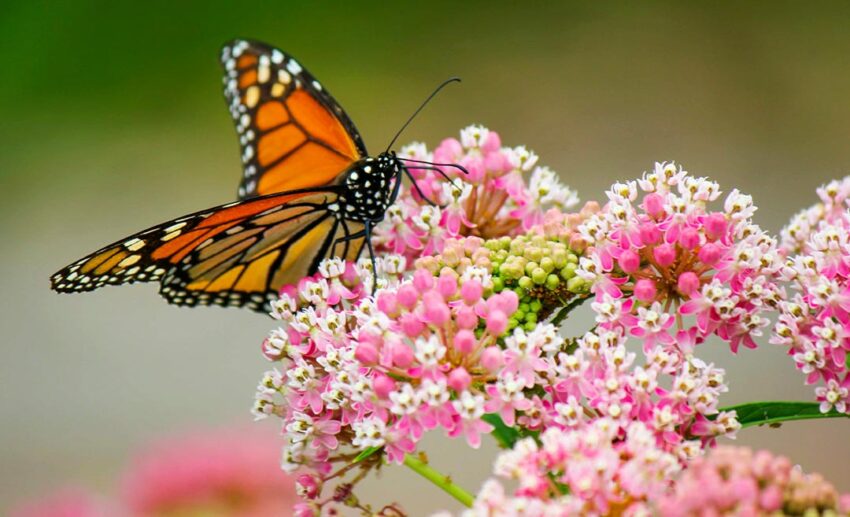
The Ghost Month is also a time for spirits to visit living family members. Butterfly and moth sightings are said to be especially common around the seventh lunar month, as it is believed to be the form of dearly departed spirits returning for a visit. If you happen to see a butterfly or moth fluttering around the house at night, take comfort in knowing that it may be a loved one dropping by in spirit.