Heading to the city of endless views soon? Here are some things worth knowing to ensure you and your wallet are well-prepped. (Image by Aho)
Okay, so Zürich isn’t going to hit you over the head with its charms. There’s no Eiffel Tower energy here, no neon signs screaming “LOOK AT ME.” Instead, it’s more like… that friend who’s effortlessly put together without trying. You’ve got sparkling water everywhere, trams that actually arrive on time (wild, I know), and cobblestone streets that somehow don’t destroy your ankles. The whole vibe just kind of pulls you in, and before you know it, you’re walking around like you live there. And if you’re travelling solo? Even better. Because Zürich has this calm, collected energy that makes you feel safe and weirdly independent at the same time.
Sure, everyone thinks Zürich is all business bros and boring banks. And that’s certainly not far from the truth because I saw these finance bros myself. But plot twist: it’s actually shaped by lake life, outdoor enthusiasts (even the kids!), and people who are low-key confident without making it their whole personality. You’ll see women walking home at midnight without a second thought, cyclists cruising along the river like they’re in a wellness ad, and locals hanging out at lidos (fancy public pools with actual Alpine views) like it’s no big deal.
Honestly, it’s the kind of place where solo female travellers just… fit. And yeah, you might accidentally stay longer than you planned. But make sure your budget is prepped for it.
So, if you’re thinking about making the trip, here’s the full download: real costs (RIP your wallet, but we’ll get into it), which neighbourhoods to base yourself in, how to navigate the transport system without spiralling, cultural things you should probably know, and all those tiny details that actually make a difference when you’re out there doing your thing alone.
1. Getting Around Zürich
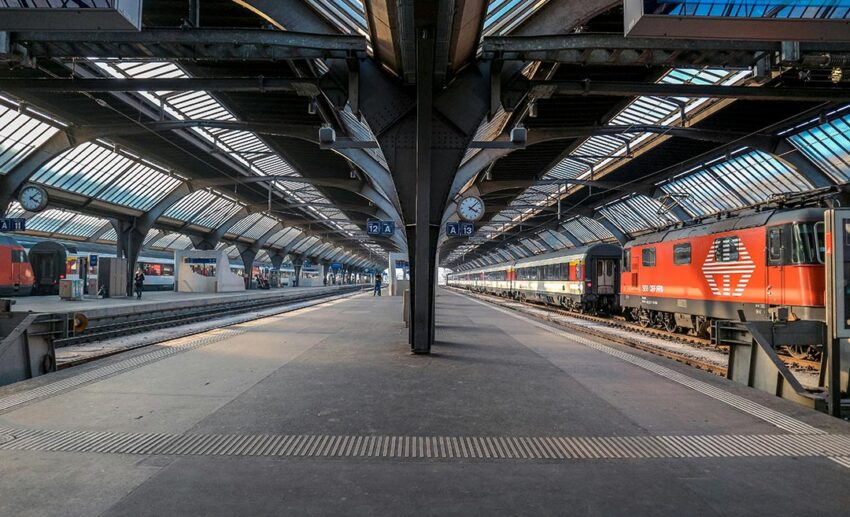
Here’s the thing: Zürich’s transport system is suspiciously good. Like, trams just glide up silently (low-key creepy but also impressive), buses show up exactly on time (sometimes even early, and you’ll find yourself legging it to make it on), and there are literal boats you can take as part of your daily commute. Everything runs on the ZVV network, so one ticket gets you on trams, buses, trains, boats—the whole squad. Most tourists stick to Zone 110, which covers the city centre and basically everything you’d want to see anyway.
A single ticket is around CHF4.40, or you can grab a 24-hour pass for approximately CHF8.80 if you’re planning to bounce around all day. Honestly, just get the day pass and live your best life. If you’re staying longer or you’re one of those people who actually go to museums (respect), the Zürich Pass is clutch: there are options for 24, 56, or 72 hours, and each gets you unlimited transport plus free or discounted entry to a bunch of cultural spots. It pays for itself faster than you think. But do your research, as it can be costly.
Coming in from the airport? Even easier. Trains leave for Zürich’s main station every few minutes, and it’s only 10 to 12 minutes away. It will cost approximately CHF6.80. You’ll see plenty of solo women doing this—it’s well-lit, always busy, and honestly feels safer than most cities’ public transport at 2pm, let alone 2am.
But, even with all these pristine transport options, Zürich is really a walking city. You can stroll from the lake to the Old Town in ten minutes, cross these ridiculously pretty bridges over the river, and hit up most neighbourhoods without ever needing a tram. If you’re into cycling, there are public bikes and e-scooters everywhere, and they’re super easy to rent.
Should you choose to get around, you’ll feel safe doing it, which, honestly, is the whole vibe when you’re exploring solo. No weird vibes, no looking over your shoulder. Just you and your Google Maps, thriving.
2. Budgeting and real costs
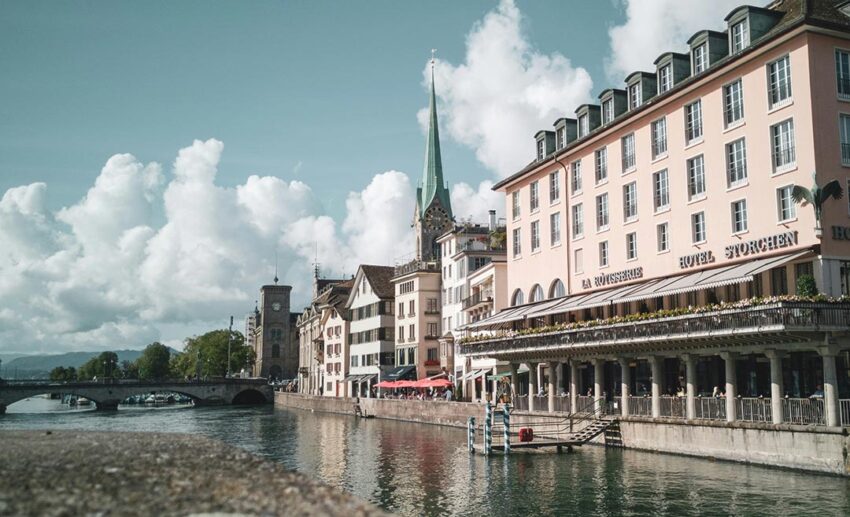
It’s true, Zürich is expensive. But it’s not impossible, and plenty of women travel here comfortably on moderate budgets by making smart choices.
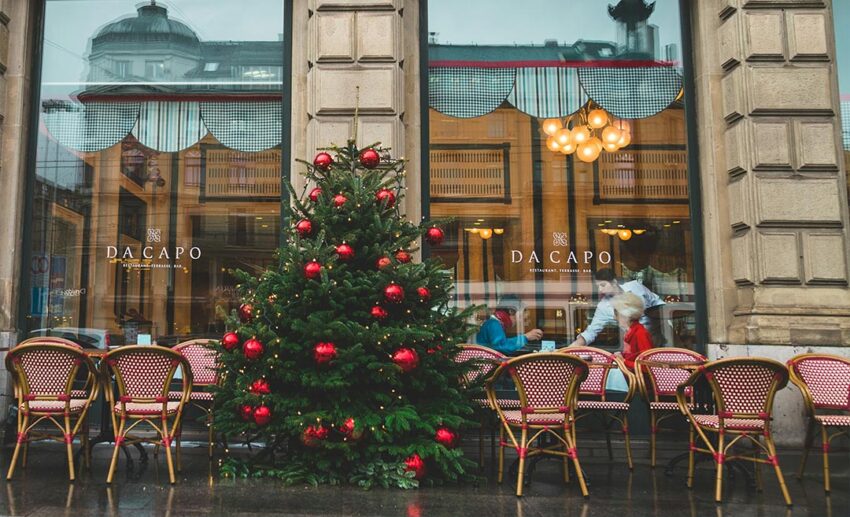
Cafes are a way of life in Zürich, but expect prices that reflect the city’s wealth: coffee usually lands between CHF4.50 and 6.50, while pastries hover around CHF2 to 4. A casual meal at a simple eatery will likely cost CHF25 to 40, while something more indulgent can run between CHF40 and 70. Fine dining, unsurprisingly, can soar well above CHF100 per person.
The secret to balancing your expenses lies in Switzerland’s excellent supermarkets. Migros, Coop, and Denner stock affordable ready meals, fresh bakery items, and salad bars with generous portions. And they’re delicious, so don’t shy away. Many locals eat lunch this way, and there’s no shame in doing the same.
Accommodation is typically the biggest expense. Hostels cost around CHF40 to 70 per night at the time of writing, and are exceptionally clean by global standards. Budget hotels range from CHF110 to 160, and mid-range options fall between CHF180 and 300. If you’d like peace and quiet, consider staying slightly outside the busiest nightlife areas.
With a bit of planning, you can enjoy Zürich comfortably without compromising your experience. Think: a nice dinner one day, then a picnic by the lake the next.
3. Is Zürich safe for lone women travellers
The short answer is: yes, and remarkably so. Zürich consistently ranks among the safest cities in the world, and the experience reflects that. You’ll notice the difference almost immediately. Women walk home alone after drinks. Joggers move through parks at night without hesitation. Public spaces are well-maintained, well-lit, and monitored discreetly.
Incidents are rare, and people tend to mind their own business. Catcalling is uncommon, and locals are respectful of personal space. So respectful, that for us Asians, they may even come off as cold. Even in busier or more multicultural districts like Langstrasse, the atmosphere is more lively than threatening.
That said, it’s still a city. Keep the usual basics in mind: stay aware of your belongings, especially in and around Zürich HB (the main train station), and avoid the occasional overly rowdy nightlife pocket if you’re not in the mood. But overall, Zürich is one of the easiest, safest European cities for women travelling solo.
4. Where to stay: The best Neighbourhoods for women
Your choice of neighbourhood shapes the tone of your stay, and Zürich offers a comfortable range of personalities depending on what you want.
The Old Town is the most atmospheric, filled with winding alleys, charming boutiques, and cafes tucked into historical buildings. It’s lively without being overwhelming and puts you within walking distance of nearly everything.
Seefeld, by the lake, is a dream for women who enjoy calm surroundings and early morning walks along the water. It’s elegant and peaceful, and perfect if you want to retreat at the end of the day.
If you want something more local and lived-in, Enge and Wiedikon offer neighbourhood charm with excellent transport access and plenty of places to eat. Zürich West, on the other hand, has a more creative, industrial-turned-trendy energy, full of design studios, markets, and contemporary restaurants.
Langstrasse is fun but loud, thanks to its nightlife. Staying nearby rather than in the very centre of that neighbourhood strikes a balance between convenience and calm. Wherever you choose, the city’s efficiency means you’re always just a few minutes away from wherever you want to go.
5. Eating in Zürich
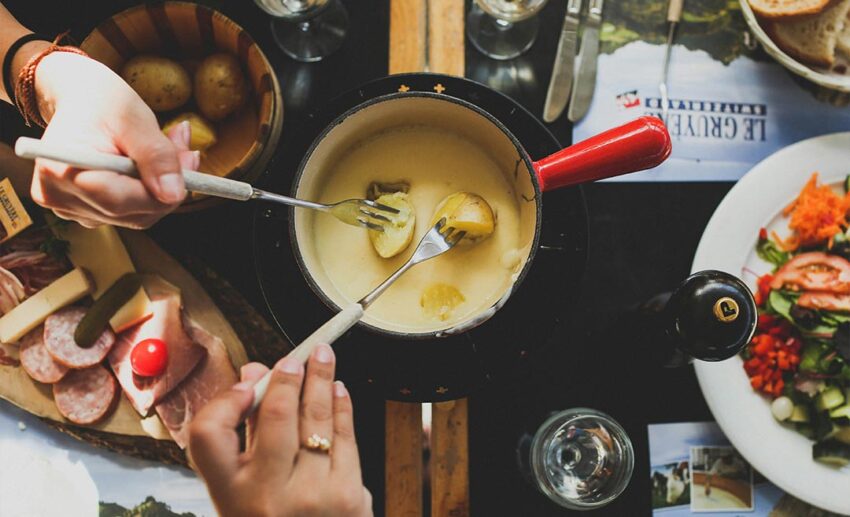
Zürich’s food scene reflects its international population and love for simple quality. You’ll find everything from traditional Swiss dishes to plant-based buffets, Turkish street food, Japanese ramen, and artisanal bakeries.
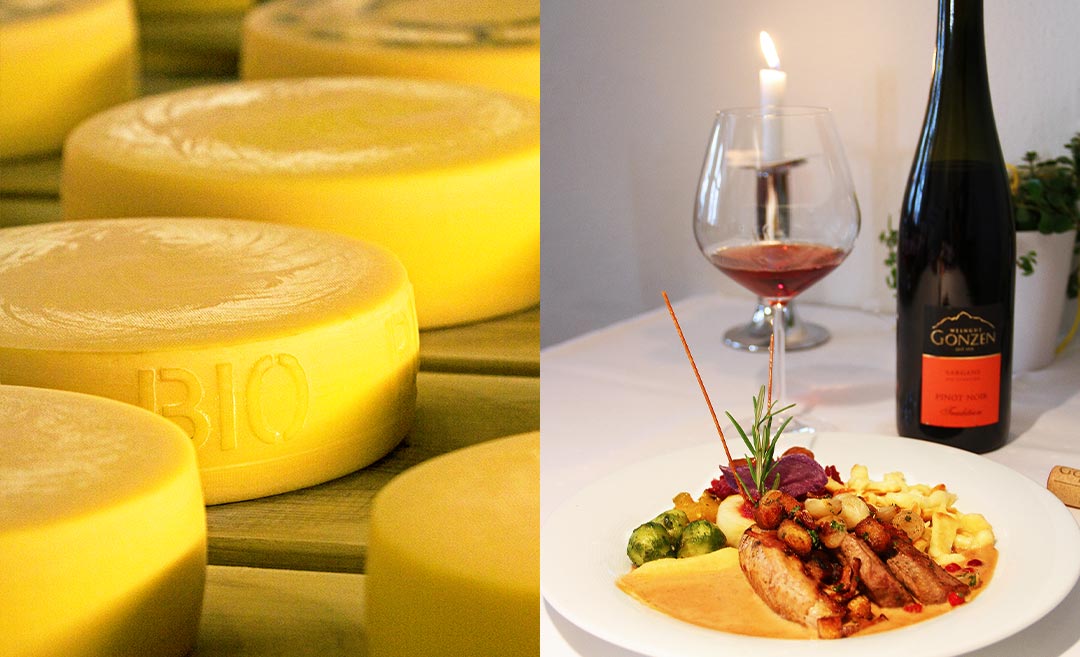
If you’re looking to try something local, start with Zürcher Geschnetzeltes—sliced veal in a white wine cream sauce—usually served with rösti. Fondue remains a winter favourite and is rarely eaten alone, but restaurants are welcoming to solo diners. Birchermüesli, invented in Zürich, is a refreshing way to start your morning.
Women travelling solo will find plenty of comfortable eateries that don’t make you feel awkward dining alone. The vegetarian institution, Hiltl, offers a pay-by-weight buffet with endless choices. Department store cafés like Manora provide great value with fresh, seasonal dishes. For a simple local experience, grab a sausage from Sternen Grill with their famously strong mustard.
Coffee culture is strong here, and you’ll find beautifully crafted espresso at places like Mame or ViCAFE. Whether you’re reading by the river or warming up on a winter morning, Zürich cafes feel welcoming and unpretentious, except for that one matcha spot in Zürich’s main train station—and often filled with other solo women doing their own thing.
6. What to wear in Zürich
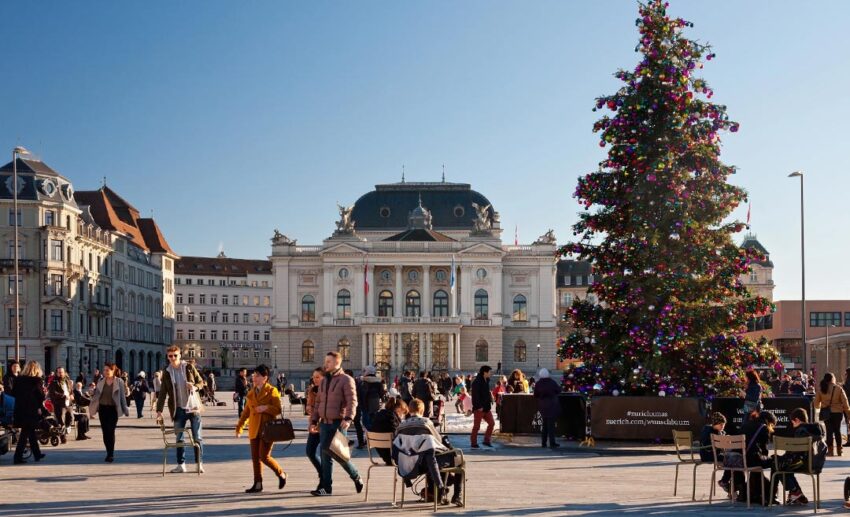
Swiss women favour comfort paired with quiet elegance. Neutral tones, structured coats, good shoes, and minimal jewellery dominate the streets. It’s a place where fashion is understated but thoughtful. And everyone looks hella classy, even if they are wearing the simplest thing.
Weather, however, should guide most of your choices. Winters can be cold, and you’ll want warm boots, a heavy coat, and perhaps thermals if you’re sensitive to low temperatures. Spring is unpredictable, so light layers work best. Summers are warm but not sweltering, and many travellers spend their afternoons swimming in the lake or river.
If you’re comfortable doing so, bring a swimsuit as it’s normal to join the locals for a dip. Autumn brings crisp air and sweater weather. Pack pieces that layer easily, shoes suitable for walking, and a waterproof jacket if you’re visiting during the shoulder seasons. You might even end up investing in a pair of ON sneakers during your trip here, and trust me, they’re worth it.
7. Lakes, rivers, and outdoor living
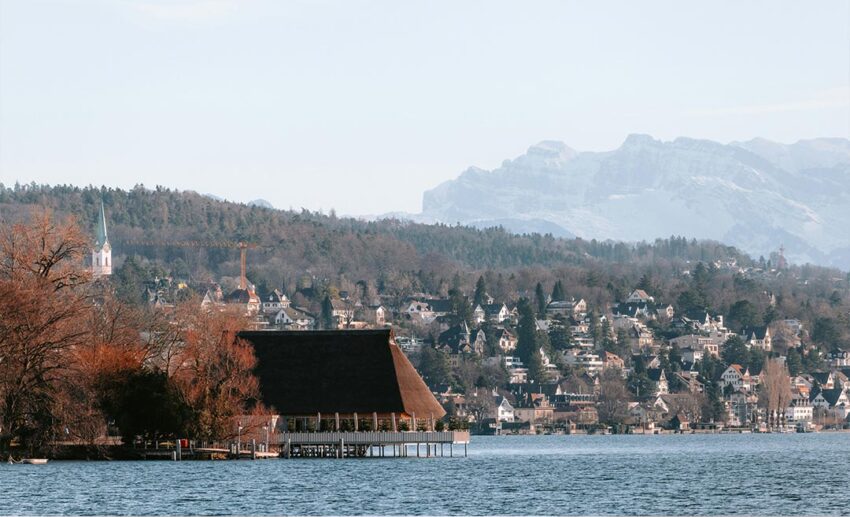
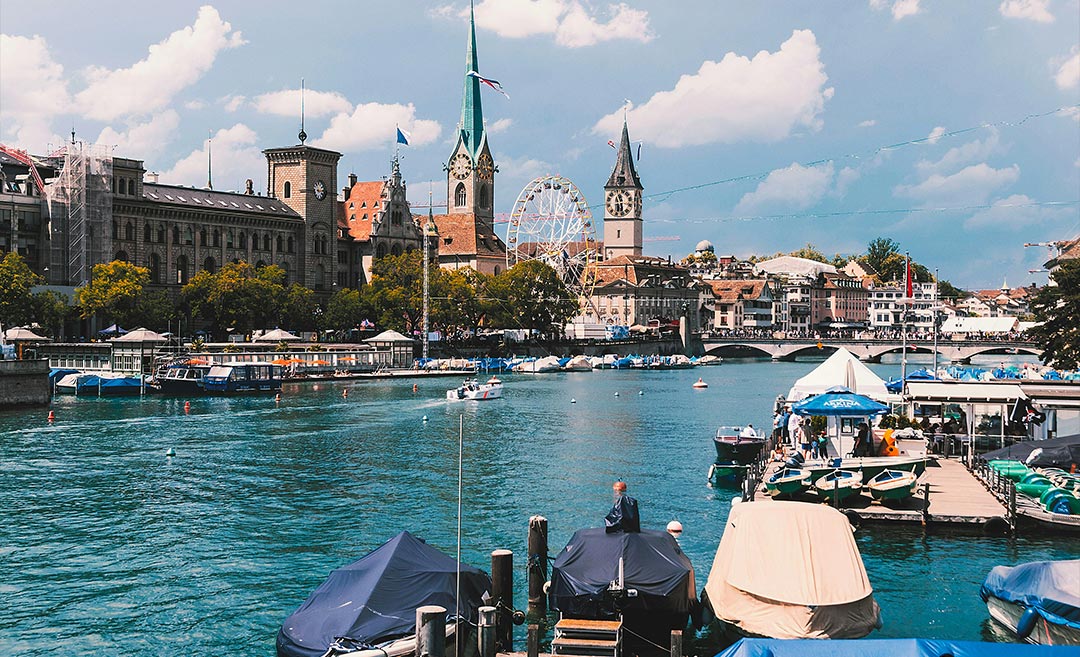
One of Zürich’s greatest surprises is its strong outdoor culture. During summer, the entire city seems to migrate towards the water. The lake sparkles in shades of blue, riverbanks fill with sunbathers, and floating wooden baths become the social heart of the city.
If you’re travelling alone, these spaces are incredibly comfortable: safe, communal, and filled with women reading, tanning, or chatting with friends. Lidos like Utoquai and Mythenquai offer changing rooms, sun decks, and tranquil spots to unwind. Oberer Letten, along the river, attracts a younger crowd, but its atmosphere remains friendly and welcoming.
On a sunny day, there’s nothing more Zürich than grabbing lunch from a supermarket and finding a quiet patch by the water. You’ll blend right in.
Best spots:
- Strandbad Tiefenbrunnen (lake beach)
- Strandbad Mythenquai (beautiful lakeside lawn)
- Utoquai Lido (wooden bathing house with sun decks)
- Oberer Letten (river swimming—very local, vibrant energy)
These places are safe, clean, and comfortable for solo travellers.
8. Culture, coffee, and shopping!
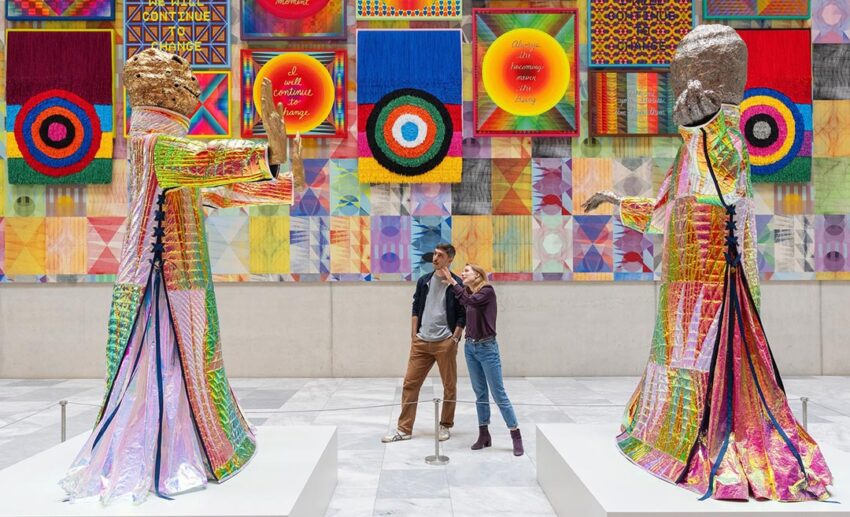
Despite its size, Zürich has the feel of a cultural capital. Museums are world-class, from Kunsthaus Zürich’s extensive modern art collection to the Landesmuseum’s deep dive into Swiss history. For something different, Museum Rietberg offers a unique look at non-European art, set in a park that feels miles away from the city centre.
When you want a slower day, Zürich’s cafes provide a perfect backdrop. Babu’s is a favourite for brunch and long chats, while Grande Cafe by the river offers beautiful views and even better people-watching. Shopping varies from luxury storefronts along Bahnhofstrasse to independent boutiques in the Old Town and vibrant local markets beneath the railway viaduct.
The city is small enough that you can discover things organically simply by walking, and often, that’s when Zürich feels the most magical.
9. Consider day trips, ‘cos they’re so worth it
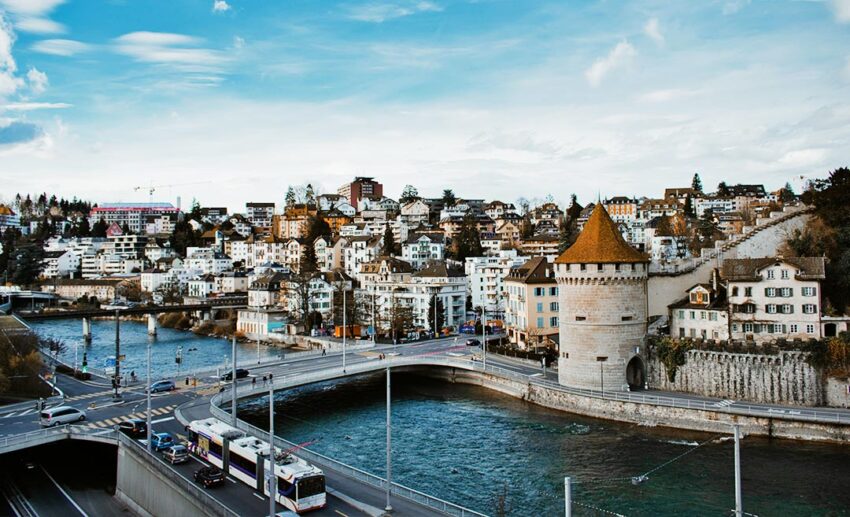
One of the joys of staying in Zürich is how easy it is to explore the rest of Switzerland. Trains run like clockwork, and scenic routes start practically at your doorstep.
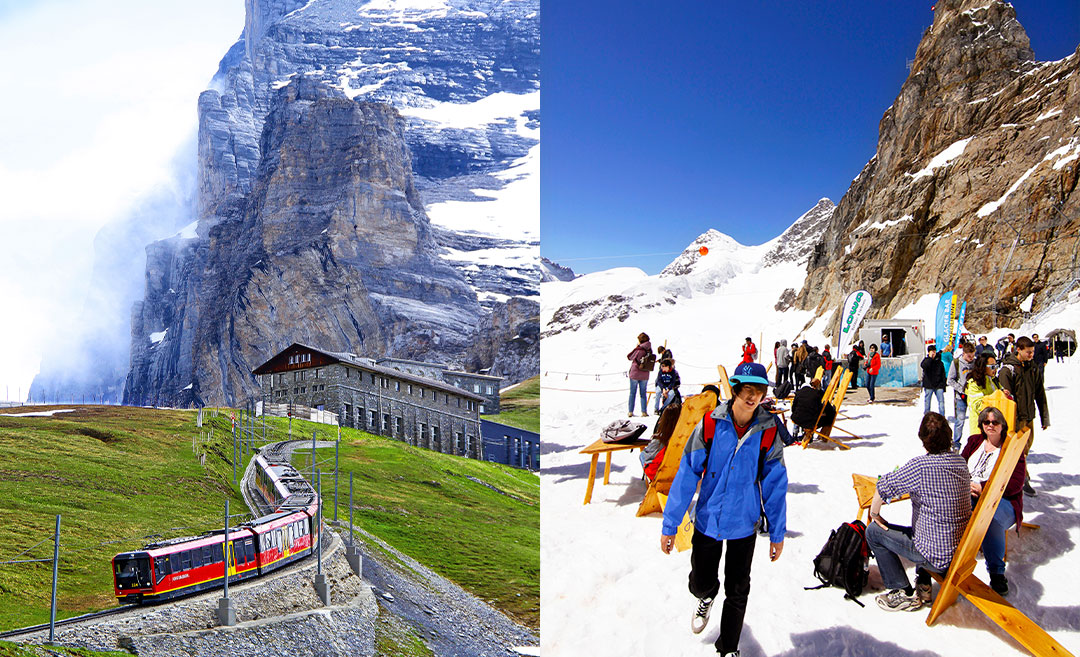
A quick ride up Uetliberg gives you panoramic views of the city and the Alps. Lucerne, with its medieval charm and sparkling lake, feels like stepping into a storybook. Rapperswil makes for a lovely day of lakeside wandering and photography, while Rhine Falls—Europe’s largest waterfall—is a dramatic change of scenery. For something totally different, Appenzell offers rolling green hills and colourful village streets.
All these destinations are safe, simple, and ideal for solo exploration.
10. Tips to ensure a smooth trip
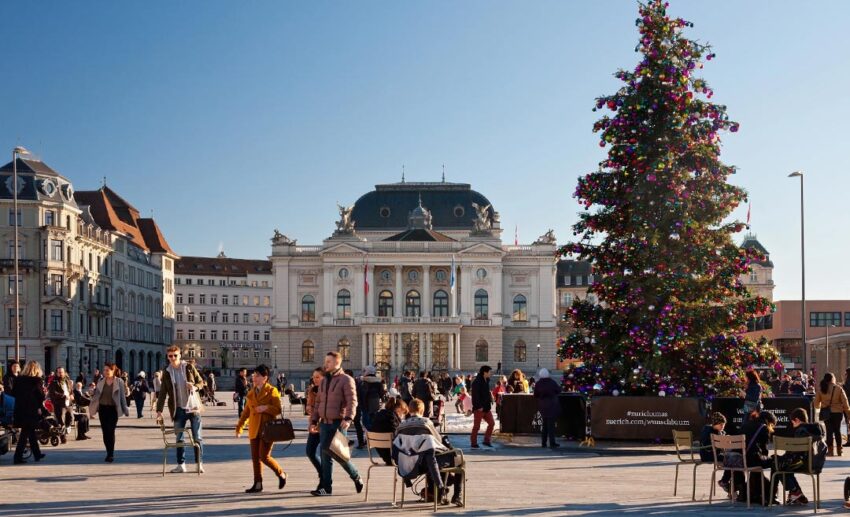
Most Zürich locals speak excellent English, so communication rarely becomes a challenge. Tipping isn’t mandatory; rounding up the bill or adding a small gesture is more than enough. Tap water is clean and delicious; you can drink straight from public fountains throughout the city.
Payments are easy, with credit cards and mobile wallets widely accepted (Apple Pay is popular). Just remember that Zürich slows down on Sundays. And by slowing down, most things are shut. Many shops close, though selected cafes, museums, and lakeside spots remain open; we highly recommend checking online before going.
Perhaps the most refreshing cultural note is how people respect personal space. You’re unlikely to be approached or disturbed. It’s a city that allows you to explore at your own pace, without pressure or unwanted attention, which we believe is something that women travelling solo deeply appreciate.